




Menu

Risks of DIY Water Cleanup in Charlotte – Why Amateur Extraction Threatens Your Property and Health

Understanding the dangers of DIY water damage restoration protects Charlotte homeowners from costly mistakes, hidden mold growth, and structural failures that amateur water removal cannot detect or prevent.

Slider Image 1
Slider Image 2
Slider Image 3
Slider Image 4
Slider Image 5
Slider Image 7
Slider Image 8
Slider Image 9
Slider Image 10
Slider Image 11

Why DIY Water Cleanup Fails in Charlotte's Climate

Charlotte's subtropical humidity creates a dangerous breeding ground for microbial growth after water intrusion. When you attempt DIY water cleanup, you remove visible water but miss the moisture trapped in wall cavities, subflooring, and insulation. The hazards of do-it-yourself water removal become apparent within 48 hours when mold colonies establish themselves in areas you cannot see or reach with consumer-grade equipment.

The clay soil common throughout Mecklenburg County complicates water damage beyond surface flooding. When water saturates your foundation, it creates hydrostatic pressure that pushes moisture through concrete pores and basement walls. A shop vacuum and box fans cannot address this subsurface infiltration. The consequences of amateur water cleanup include weakened structural supports, compromised foundation integrity, and long-term moisture problems that cost thousands more to remediate later.

Charlotte's temperature swings between humid summers and freezing winter nights create expansion and contraction cycles in building materials. When water damage occurs, these materials absorb moisture differently based on temperature and relative humidity. Professional moisture meters detect elevated readings in studs, joists, and subfloors that feel dry to the touch. Without this diagnostic equipment, you leave moisture pockets that rot wood framing and attract termites.

The hidden risks of self-managed water mitigation extend to electrical systems. Water travels along wiring paths and pools in junction boxes behind drywall. You might restore power too quickly, creating fire hazards or electrocution risks. The pitfalls of DIY water extraction become catastrophic when amateur efforts miss compromised electrical infrastructure that requires licensed inspection before energizing circuits.

Why DIY Water Cleanup Fails in Charlotte's Climate
How Professional Water Mitigation Prevents Secondary Damage

How Professional Water Mitigation Prevents Secondary Damage

Professional water damage restoration follows IICRC S500 standards that dictate specific extraction rates, dehumidification targets, and antimicrobial protocols. We use truck-mounted extractors that pull 100 times more water than portable units. These systems create negative pressure that draws moisture from padding, subflooring, and baseboard cavities in a single pass.

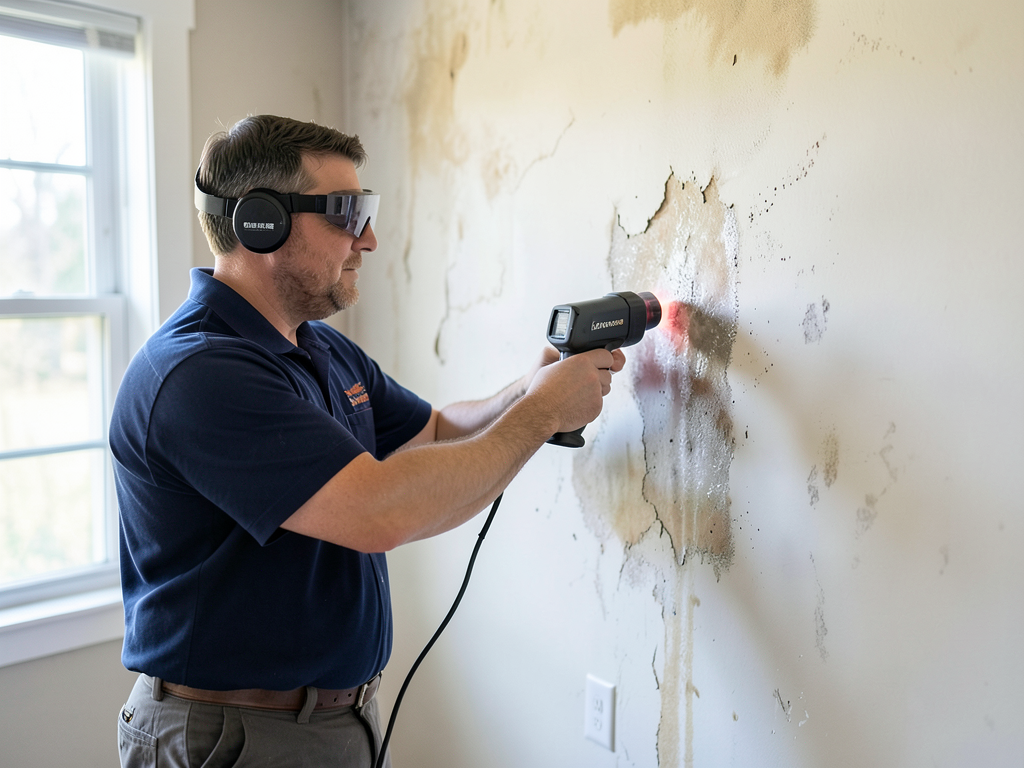
Our thermal imaging cameras map temperature differentials that indicate moisture migration paths. Water follows gravity and capillary action through building assemblies in predictable patterns. We document these moisture maps to track drying progress and identify hidden reservoirs behind tile, under cabinets, and within HVAC plenums. This diagnostic approach eliminates guesswork and prevents the mold amplification that occurs when wet materials remain above 16 percent moisture content for more than 72 hours.

We deploy commercial dehumidifiers rated for specific grain depression levels based on your structure's cubic footage and saturation class. A category 2 loss requires different equipment than a category 3 loss involving sewage contamination. Our technicians calculate psychrometric conditions and adjust equipment placement to create controlled drying chambers that process 200 pints of moisture daily.

Structural drying requires air movement across all six surfaces of affected materials. We position axial fans to create laminar airflow that accelerates evaporation without creating dead zones where moisture persists. This engineered approach reduces drying time from weeks to days and prevents the warping, cupping, and delamination that occur when materials dry unevenly.

Cornerstone Water Damage Restoration Charlotte uses hydroxyl generators and HEPA air scrubbers to address airborne contaminants released during water damage events. These devices capture mold spores, bacteria, and volatile organic compounds that cause respiratory problems and odors. DIY methods cannot replicate this level of air quality control.

What Happens When You Call for Professional Assessment

Risks of DIY Water Cleanup in Charlotte – Why Amateur Extraction Threatens Your Property and Health
01

Emergency Contact Response

When you call our emergency line, a certified technician answers within two rings. We dispatch a crew to your Charlotte property within 90 minutes. During the call, we provide immediate guidance on safety precautions including electrical shutoffs, gas line concerns, and contamination zones to avoid. Our response protocol prioritizes life safety, then property preservation, then contents protection.
02

Comprehensive Damage Documentation

Our technicians photograph and document every affected area using moisture meters, thermal cameras, and hygrometers. We classify your water loss by IICRC category and create a detailed scope of work. This documentation becomes critical for insurance claims and establishes baseline conditions for tracking restoration progress. We test air quality and identify any cross-contamination from sewage or chemical sources that require specialized remediation protocols.
03

Restoration Plan Execution

We establish containment barriers, extract standing water, and deploy drying equipment within the first four hours. Our project manager provides you with a detailed timeline and daily moisture readings. We coordinate with your insurance adjuster and maintain constant communication throughout the restoration process. Final inspection includes post-remediation verification testing to confirm all materials meet industry dryness standards before reconstruction begins.

Why Charlotte Property Owners Trust Professional Water Damage Teams

Charlotte building codes require specific moisture barriers and vapor retarders in crawl spaces and basement assemblies. When water damage occurs, these code-compliant installations become compromised. Professional restoration teams understand local building standards and restore assemblies to meet current code requirements. Amateur cleanup efforts often violate these standards, creating liability during property sales or insurance claims.

The Queen City's historic neighborhoods feature unique construction methods including pier and beam foundations, horsehair plaster walls, and old-growth lumber framing. These materials react differently to water exposure than modern construction. We have restored water damage in homes throughout Dilworth, Myers Park, and Plaza Midwood where period-appropriate techniques prevent architectural damage. Generic DIY approaches destroy historical integrity and decrease property values in these sought-after areas.

Mecklenburg County's aggressive mold disclosure laws require sellers to report any history of water damage and remediation. If you attempt DIY cleanup and mold develops later, you face legal exposure for non-disclosure. Professional restoration companies provide documentation, certificates of completion, and post-remediation verification that satisfy legal requirements and protect your investment.

Insurance companies in North Carolina increasingly deny claims when policyholders delay professional mitigation or attempt amateur restoration. Adjusters know that DIY efforts typically worsen damage and inflate final repair costs. When you engage certified restorers immediately, you demonstrate reasonable care and protect your coverage. We work directly with all major carriers serving Charlotte and understand their documentation requirements.

Cornerstone Water Damage Restoration Charlotte maintains relationships with local plumbers, electricians, and reconstruction contractors who understand our standards. When water damage requires coordinated trades, we manage the entire process. You avoid the chaos of hiring multiple contractors and ensure all work meets professional restoration protocols from extraction through final reconstruction.

What Professional Water Damage Restoration Delivers

Immediate Emergency Response

Water damage worsens exponentially with each passing hour. Our teams arrive within 90 minutes anywhere in the Charlotte metro area, including Matthews, Huntersville, and Concord. We operate 24 hours daily including holidays and weekends. Night crews receive the same training and use identical equipment as day teams. When you call our emergency line at 3 AM, extraction equipment arrives before sunrise. This speed prevents category 1 clean water losses from escalating to category 2 contaminated losses that require more aggressive antimicrobial treatment and cost significantly more to remediate properly.

Advanced Diagnostic Technology

Our moisture assessment goes beyond visual inspection and touch tests. We use penetrating and non-penetrating moisture meters calibrated for different building materials including hardwoods, softwoods, drywall, concrete, and tile. Thermal imaging cameras reveal temperature patterns that indicate moisture migration behind surfaces. Hygrometers measure relative humidity and temperature to calculate vapor pressure and drying potential. These measurements guide equipment placement and determine when materials reach equilibrium moisture content safe for reconstruction. This scientific approach eliminates the dangerous guessing that characterizes DIY attempts and leads to hidden mold growth months after the initial water event.

Certified Dry Standards

We do not declare your property dry based on appearance or timelines. Final certification requires moisture readings that meet or exceed IICRC S500 standards for your specific building materials and local climate conditions. Wood framing must reach 12 to 15 percent moisture content. Concrete must drop below 4 percent on the calcium chloride test. Drywall cannot exceed 1 percent variance from unaffected control areas. We provide written certification with meter readings and photographic documentation. This verification protects you from future mold claims and satisfies insurance requirements. The document becomes part of your property history and demonstrates professional remediation that maintains your home's value and marketability.

Post-Restoration Support

Our relationship continues after equipment removal. We provide detailed maintenance recommendations specific to your property's construction type and the nature of your water loss. If you experienced foundation seepage, we explain grading improvements and drainage solutions. If a plumbing failure caused your damage, we identify systemic risks in aging supply lines. We offer optional annual inspections to verify that previously affected areas remain dry and stable. When you sell your property, we provide verification letters for disclosure requirements and buyer inspections. This ongoing support protects your investment and provides peace of mind that amateur restoration cannot match.

Frequently Asked Questions

You Have Questions,
We Have Answers

Can mold from water damage make you sick? +

Yes. Mold releases spores and mycotoxins that trigger respiratory issues, allergic reactions, and chronic health problems. Common symptoms include coughing, wheezing, eye irritation, skin rashes, and headaches. People with asthma, allergies, or weakened immune systems face greater risk. Charlotte's humidity creates ideal conditions for rapid mold growth after water damage. Black mold (Stachybotrys) is particularly dangerous and often appears within 48 hours of water intrusion. If you smell musty odors or see visible growth after a leak or flood, professional testing and removal are necessary. Do not attempt DIY cleanup when mold is present.

How long can drywall be wet before mold? +

Mold begins growing on wet drywall within 24 to 48 hours. Charlotte's average humidity of 70 percent accelerates this timeline. Once drywall absorbs water, the porous gypsum core provides food and moisture for mold spores. You cannot simply dry out contaminated drywall. The paper facing traps moisture and creates an ideal breeding ground. If drywall stays wet beyond 48 hours, replacement is typically necessary. Professional water extraction and dehumidification within the first 24 hours can sometimes save materials. Waiting beyond two days guarantees mold colonization and requires removal, not just drying.

How long does it take for water to damage foundation? +

Water damages foundations gradually but consistently. Initial cracks or settling can appear within weeks if water pools around your foundation. Charlotte's clay soil expands when wet and shrinks when dry, creating pressure shifts that crack concrete. Prolonged exposure over months or years causes serious structural problems including bowing walls, foundation settling, and interior flooding. Gutters clogged during Charlotte's heavy spring rains direct water toward foundations. Poor grading compounds the issue. Basement seepage often signals existing foundation compromise. Address water drainage issues immediately. Foundation repairs cost thousands more than preventive waterproofing.

How likely is mold after water damage? +

Extremely likely. Mold spores exist everywhere and only need moisture and organic material to colonize. After water damage, mold probability approaches 100 percent if you do not dry affected areas within 48 hours. Charlotte's humidity provides constant ambient moisture that accelerates growth. Hidden water in wall cavities, under flooring, or above ceilings creates invisible mold colonies. Surface drying is not enough. You must extract water from porous materials and reduce humidity below 60 percent. Professional moisture meters detect hidden water that guarantees future mold growth. DIY efforts miss these critical areas.

What are the 10 warning signs of mold toxicity? +

Watch for chronic fatigue, brain fog, difficulty concentrating, headaches, light sensitivity, sinus congestion, shortness of breath, muscle aches, joint pain, and digestive issues. These symptoms worsen in moldy environments and improve when you leave. Charlotte residents often mistake mold toxicity for seasonal allergies due to similar symptoms. Neurological effects like memory problems and mood swings indicate serious exposure. Skin rashes and persistent coughing are additional red flags. If multiple family members experience unexplained symptoms after water damage or in specific rooms, mold toxicity is likely. Medical testing and professional mold remediation are necessary.

How long after mold exposure do you get sick? +

Reactions vary by individual sensitivity and exposure level. Allergic responses can occur within minutes to hours, causing immediate sneezing, coughing, and eye irritation. Toxic mold exposure builds over days to weeks, producing fatigue, headaches, and respiratory issues. Chronic illness from long-term exposure develops over months. Charlotte's enclosed, air-conditioned homes recirculate mold spores, increasing exposure intensity. Children and immune-compromised individuals react faster. You might not connect symptoms to mold immediately, especially if exposure happens gradually. If health issues started after water damage or worsen at home, suspect mold and get professional testing.

Does running the AC help with mold? +

Not effectively. Air conditioning removes some moisture but does not target water damage areas specifically. AC systems circulate air but cannot extract water trapped in drywall, insulation, or subflooring. Running AC in Charlotte's humid climate helps maintain general comfort but will not prevent mold after flooding. In fact, if your AC system pulls in mold spores from wet materials, it spreads contamination throughout your home. You need industrial dehumidifiers, air movers, and moisture extraction equipment positioned strategically at water intrusion sites. Professional equipment removes 10 times more moisture than residential AC units.

Do you have to throw away everything after mold? +

Not everything, but contaminated porous materials must go. Drywall, insulation, carpeting, and upholstered furniture that absorbed mold cannot be fully cleaned and require disposal. Hard surfaces like glass, metal, and sealed wood can often be disinfected and salvaged. Personal items depend on material and contamination level. Clothing usually survives if professionally laundered. Important documents may be restorable through specialized services. Charlotte humidity makes DIY cleaning risky because spores reactivate with any moisture. Professionals assess each item individually. Trying to save heavily contaminated materials puts your health at risk and wastes money on ineffective cleaning.

How to tell if mold is growing behind drywall? +

Look for visible staining, bubbling paint, or wallpaper peeling on drywall surfaces. Musty odors concentrated near specific walls indicate hidden growth. Use your nose. Mold behind drywall in Charlotte homes often follows plumbing lines or exterior walls with poor flashing. Feel for temperature differences or dampness. Warped or soft drywall suggests moisture intrusion. Professional moisture meters detect elevated readings that confirm hidden water. Thermal imaging cameras reveal temperature patterns indicating wet insulation. Small test cuts in non-visible areas can confirm suspicions before major demolition. Do not ignore warning signs. Hidden mold spreads rapidly.

What is the 10/20/30/40 rule when making concrete? +

This rule addresses concrete temperature curing limits. Concrete should not be placed if ambient temperature will drop below 40 degrees Fahrenheit within 72 hours, rise above 90 degrees during placement, or exceed a 30-degree differential between fresh concrete and air temperature. The ratio refers to temperature management, not water damage restoration. Charlotte's moderate climate rarely creates concrete curing problems, but summer heat and winter freezes require monitoring. This question seems unrelated to water damage cleanup. If you experienced foundation flooding or concrete water intrusion, focus on drainage correction and waterproofing, not curing ratios.

How Charlotte's Humidity and Storm Patterns Amplify DIY Water Damage Mistakes

Charlotte receives 43 inches of annual rainfall with intense summer thunderstorms that dump 2 inches in an hour. This precipitation combines with 70 percent average relative humidity to create conditions where materials never fully dry without mechanical dehumidification. When amateur water cleanup relies on natural evaporation and box fans, moisture remains trapped in building cavities. The dangers of DIY water damage restoration become acute when this residual moisture feeds mold growth in attics, crawl spaces, and wall assemblies. Professional equipment creates the low-grain environment necessary to pull moisture from dense materials before biological growth begins.

Charlotte's rapid growth brings many property owners from drier climates who underestimate local humidity challenges. The hazards of do-it-yourself water removal include assuming that techniques effective in Arizona or Colorado work in the Southeast. They do not. Our technicians train specifically on moisture dynamics in humid subtropical climates where vapor drive and dewpoint calculations determine successful drying. We understand how Charlotte's weather patterns affect drying times and adjust protocols accordingly. This local expertise prevents the costly failures that occur when northern or western restoration methods apply incorrectly to our regional building science requirements.
Water Damage Restoration Services in The Charlotte Area

Cornerstone is proud to serve Charlotte and the surrounding areas, providing rapid and reliable water damage restoration services when you need them most. Our commitment extends to ensuring properties across our service region receive expert care. You can find our main office located conveniently, allowing us to quickly dispatch our teams to your location and address your water damage emergencies with efficiency and professionalism. We are always ready to assist you.

Address:
Cornerstone Water Damage Restoration Charlotte, 222 Baldwin Ave, Charlotte, NC, 28204

Additional Services We Offer

Our news updates

Latest Articles & News from The Blogs

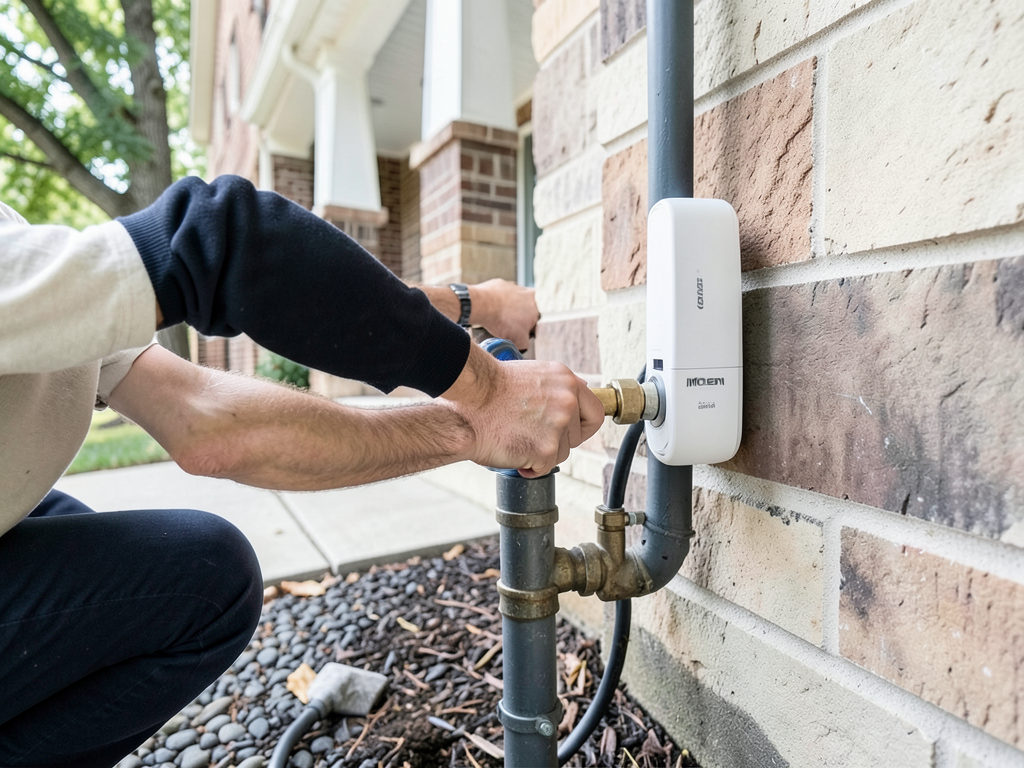
The Best Smart Leak Detectors to Prevent Water Damage in Ballantyne Water damage strikes Ballantyne homes every day from burst…

The Best Smart Leak Detectors to Prevent Water Damage in Ballantyne

The Best Smart Leak Detectors to Prevent Water Damage in Ballantyne Water damage strikes Ballantyne homes every day from burst…

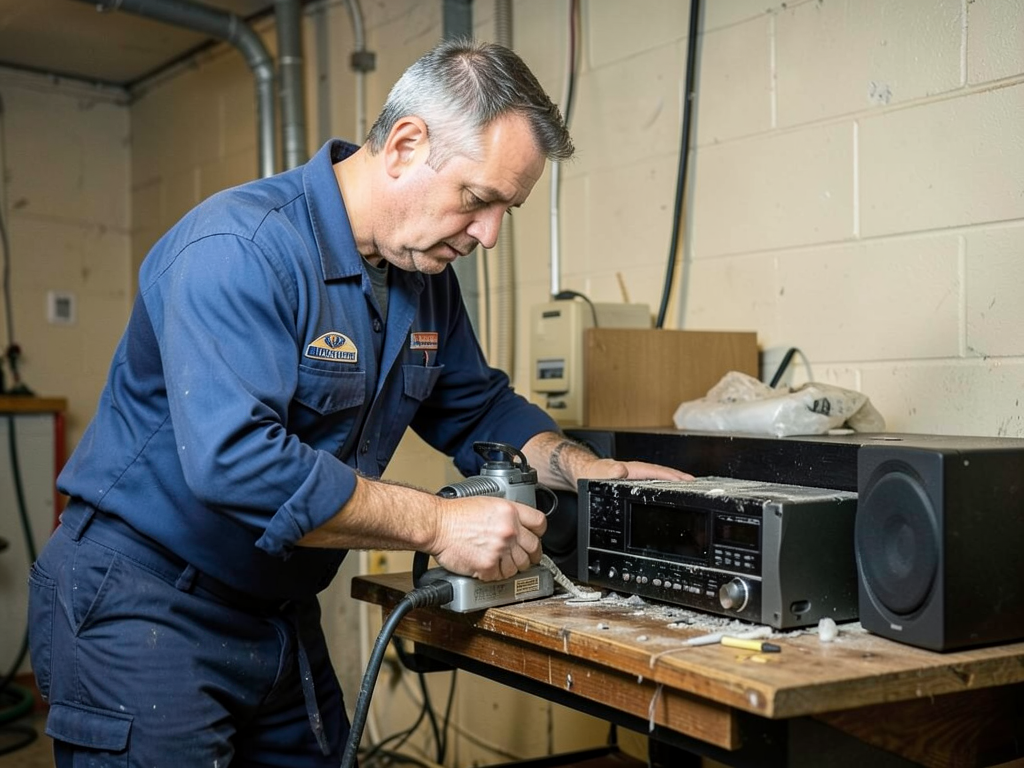
Safeguarding Expensive Home Theater Gear from Water Damage in Myers Park

Safeguarding Expensive Home Theater Gear from Water Damage in Myers Park Myers Park’s stately homes and finished basements create the…

Common Health Symptoms That Might Point to Hidden Water Damage in Your Home

Common Health Symptoms That Might Point to Hidden Water Damage in Your Home Water damage in your Charlotte home often…

Contact Us

Do not risk your health and property value on amateur water cleanup. Call Cornerstone Water Damage Restoration Charlotte at (980) 342-9955 for immediate professional assessment. Our certified technicians deploy within 90 minutes anywhere in the metro area. We document your damage, work directly with your insurance, and restore your property to certified dry standards.