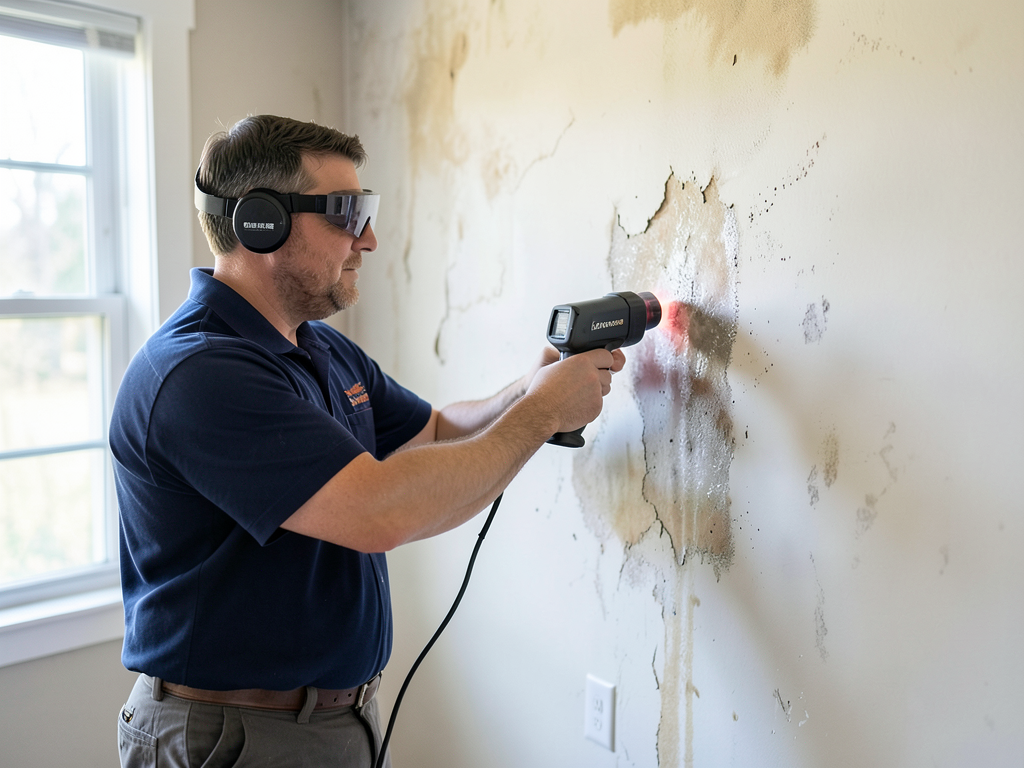







Charlotte's average relative humidity hovers between 65 and 75 percent year-round. When retail flooding occurs, ambient moisture in the air slows evaporation and accelerates microbial growth. Mold spores germinate on damp drywall, carpet backing, and ceiling tiles within 48 hours. The city's clay soil, common throughout Mecklenburg County, expands when saturated and contracts when dry. This cycle shifts building slabs, cracks foundation walls, and stresses underground plumbing. Retail spaces in older commercial centers experience chronic low-level seepage that goes unnoticed until a catastrophic failure occurs. Store flood cleanup services must account for these environmental factors. Standard drying protocols designed for arid climates fail in Charlotte's subtropical conditions. Desiccant dehumidification and controlled containment are essential to prevent secondary damage and meet code-required dry standards.
Cornerstone Water Damage Restoration Charlotte has worked with commercial landlords, retail tenants, and property managers across South End, Ballantyne, University City, and Uptown. We understand local building codes, the permitting process through the Charlotte-Mecklenburg Planning Department, and the expectations of regional insurance carriers. Retail water remediation in Charlotte requires familiarity with the structural quirks of aging commercial buildings, the hydrology of localized flooding during summer thunderstorms, and the business realities of retail lease agreements. National franchise restorers lack this depth. Local expertise means faster permitting, accurate scoping, and realistic timelines. When you hire a Charlotte-based contractor, you get a team that knows the soil, the weather, and the regulatory environment. That knowledge translates to fewer delays, lower costs, and higher-quality outcomes.