




Menu

Rapid Response Flood Extraction in Charlotte – Trained Crews On-Site Within 60 Minutes

When floodwater invades your home or business, every minute counts. Our rapid response flood extraction teams deploy immediately across Charlotte to stop the spread of damage, remove standing water, and begin the drying process before mold takes hold.

Slider Image 1
Slider Image 2
Slider Image 3
Slider Image 4
Slider Image 5
Slider Image 7
Slider Image 8
Slider Image 9
Slider Image 10
Slider Image 11

Why Floodwater Damage Escalates So Quickly in Charlotte Homes

Charlotte's humid subtropical climate creates the perfect conditions for water damage to spiral out of control. When flooding strikes your property, you are not just dealing with standing water. You are racing against time in an environment where relative humidity regularly exceeds 70 percent, even after the rain stops.

Floodwater does not just sit there. It migrates through porous building materials common to Charlotte homes: crawl spaces with dirt floors, pier-and-beam foundations, and wood subfloors. The water wicks up walls, saturates insulation, and seeps into HVAC ductwork running through unconditioned spaces. Within 24 hours, microbial growth begins. Within 48 hours, you have a mold problem that requires professional remediation.

Charlotte's clay-heavy soil compounds the issue. When saturated, the soil expands and shifts, creating hydrostatic pressure against foundation walls. This pressure forces groundwater through hairline cracks and mortar joints, turning a surface flood into a basement or crawl space disaster. You need emergency water removal services that understand these local conditions.

The difference between a manageable cleanup and a total loss often comes down to response time. Immediate flood pumping stops the saturation clock. Urgent water cleanup pulls moisture from materials before they delaminate or rot. Emergency water damage extraction is not about convenience. It is about preventing a $5,000 problem from becoming a $50,000 structural catastrophe. When you call for 24/7 flood extraction, you are calling to stop the damage from spreading while there is still something left to save.

Why Floodwater Damage Escalates So Quickly in Charlotte Homes
How Professional Flood Extraction Stops Damage at the Source

How Professional Flood Extraction Stops Damage at the Source

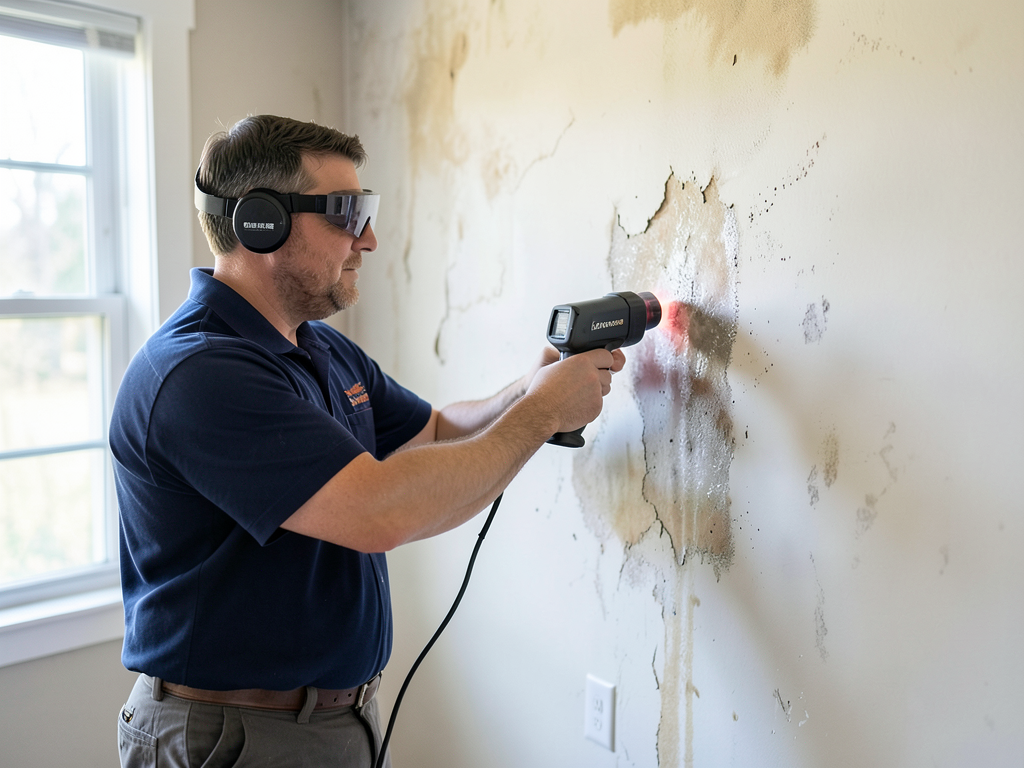
Effective flood extraction requires more than a wet vac and a box fan. You need truck-mounted extraction units capable of pulling thousands of gallons per hour, trailer-mounted desiccant dehumidifiers to crash indoor humidity levels, and thermal imaging cameras to map hidden moisture migration through wall cavities and subfloor assemblies.

Our rapid response flood extraction process begins with source control. We identify whether the water is still entering the structure from storm surge, roof failure, or plumbing breach. Active flooding must be stopped before extraction begins, or you are just moving water in circles. Once the source is isolated, we deploy submersible pumps for standing water deeper than two inches and extraction wands for saturated carpeting and pad.

The next phase targets structural drying. We remove soaked baseboard, drill weep holes in drywall if necessary, and position air movers to create laminar airflow across wet surfaces. This is not guesswork. We measure moisture content in framing lumber, subfloor sheathing, and drywall using pin-type and non-invasive moisture meters. The goal is to bring materials below 15 percent moisture content, the threshold where microbial growth stalls.

Charlotte's building stock includes many homes with enclosed crawl spaces, a design that traps moisture if not properly ventilated. We use negative air machines with HEPA filtration to exhaust saturated air from these spaces while introducing conditioned, dehumidified air. This creates a controlled drying environment that prevents secondary damage to floor joists and rim boards. Cornerstone Water Damage Restoration Charlotte applies these protocols consistently because we understand what happens when you skip steps. You get callbacks, mold claims, and structural failures six months down the road.

What Happens When You Call for Emergency Flood Extraction

Rapid Response Flood Extraction in Charlotte – Trained Crews On-Site Within 60 Minutes
01

Immediate Dispatch and Assessment

You call our emergency line, and a live technician answers, not a voicemail system. We collect critical details about the flooding source, affected square footage, and whether the water is clean, gray, or black category. A crew is dispatched to your Charlotte location immediately, typically arriving within 60 minutes. Upon arrival, we perform a rapid visual assessment, document the damage with photos, and brief you on the extraction plan before equipment deployment begins.
02

Water Removal and Moisture Mapping

We extract all standing water using truck-mounted pumps and portable extractors, then begin moisture mapping with infrared cameras and pin meters. This identifies hidden saturation in wall cavities, subfloors, and insulation. We mark affected zones with tape or chalk, create a moisture map for insurance documentation, and position high-velocity air movers and commercial dehumidifiers to target these zones. Monitoring equipment logs temperature and humidity every four hours to track drying progress.
03

Structural Drying and Verification

Drying typically takes three to five days, depending on materials and saturation depth. We return daily to reposition equipment, empty dehumidifier reservoirs, and take new moisture readings. When all materials read below 15 percent moisture content on two consecutive days, we remove equipment and perform a final walkthrough. You receive a drying log, moisture map, and completion certificate for your insurance adjuster. Your property is dry, documented, and ready for reconstruction if needed.

Why Charlotte Property Owners Trust Local Flood Extraction Experts

You need a flood extraction company that knows Charlotte's building codes, understands the local climate, and can navigate insurance claims with adjusters who work this market every day. National franchises send technicians who learned the trade in Arizona or Michigan. They do not know what pier-and-beam foundations look like when saturated with Piedmont clay runoff. They have never dried a crawl space in 90-degree heat with 80 percent humidity.

Cornerstone Water Damage Restoration Charlotte operates exclusively in the greater Charlotte metro. We know which neighborhoods flood when Little Sugar Creek jumps its banks. We know the difference between drying a 1920s bungalow in Dilworth and a 2015 build in Ballantyne. We know that older homes in Plaza Midwood often have knob-and-tube wiring in walls, which changes how we position drying equipment to avoid electrical hazards.

Our relationships with local plumbing contractors, roofers, and general contractors mean we can coordinate emergency repairs while extraction is underway. If your flood came from a burst supply line, we can have a licensed plumber on-site within two hours to make the repair. If storm damage tore off shingles and allowed rain infiltration, we can tarp the roof while we dry the interior. This coordinated response prevents additional water intrusion and keeps the project moving.

We also understand Charlotte's insurance landscape. We work with adjusters from the major carriers that dominate this market. We know what documentation they require, how they calculate depreciation on water-damaged materials, and what triggers a full contents pack-out versus in-place drying. We provide detailed estimates, moisture logs, and photo documentation formatted to match their preferred claim templates. This speeds up approvals and gets you paid faster.

What to Expect During Emergency Flood Extraction

Response Time and Availability

We staff live technicians 24 hours a day, seven days a week, including holidays. When you call our emergency line, a trained water damage specialist answers and begins the dispatch process immediately. Our average response time for Charlotte proper is under 60 minutes from initial call to crew arrival. For outlying areas like Huntersville or Matthews, expect 75 to 90 minutes. We do not operate on appointments or service windows. Flood extraction is a time-sensitive emergency, and we treat it that way. Our trucks carry enough equipment to handle residential jobs up to 3,000 square feet without returning to the warehouse for additional gear.

Initial Damage Assessment Process

Upon arrival, our crew performs a walkthrough to identify the water source, classify the contamination category, and measure the affected area. We use thermal imaging cameras to detect moisture hidden behind walls and under flooring. You receive a verbal briefing on what we found, what needs to be extracted immediately, and what materials may require removal if drying is not feasible. We document everything with time-stamped photos and moisture meter readings. This initial assessment typically takes 20 to 30 minutes and forms the basis for the insurance claim and our extraction plan. You sign a service authorization before equipment deployment begins.

Drying Results and Quality Standards

Our goal is to return all structural materials to a moisture content below 15 percent, measured with calibrated pin meters and confirmed with non-invasive scanning. We follow IICRC S500 drying standards, which specify airflow rates, dehumidification capacity, and acceptable drying times based on material type. You receive daily progress reports showing moisture readings for each affected zone. When drying is complete, we provide a final moisture map and completion certificate. If materials cannot be dried to standard within five days due to excessive saturation or contamination, we document this and recommend removal to prevent long-term mold risk.

Post-Extraction Monitoring and Follow-Up

After equipment removal, we recommend a follow-up moisture check at the seven-day mark to confirm materials remain stable and no hidden moisture has migrated from wall cavities or subfloor assemblies. This follow-up visit is included in the original service. If you are proceeding with reconstruction, we can coordinate material testing for mold or bacteria if your adjuster requires it. We also provide referrals to licensed contractors for rebuild work, though you are free to choose your own vendors. Our documentation package includes all moisture logs, equipment placement diagrams, and photos in a format ready for insurance submission.

Frequently Asked Questions

You Have Questions,
We Have Answers

What is the average insurance payout for water damage? +

Insurance payouts for water damage vary widely based on the cause, coverage limits, and damage severity. Clean water incidents average $2,500 to $10,000, while category 3 flooding can reach $20,000 or more. Your deductible, coverage type, and documentation quality directly impact the final payout. In Charlotte, storm-related claims tend to be higher due to our intense summer thunderstorms and aging infrastructure. Document everything immediately with photos and videos. Work with a certified restoration company that handles insurance paperwork. Most homeowners policies exclude flood damage, so separate flood insurance is critical if you live near creeks or in flood zones.

What is the immediate response to a flood? +

Stop the water source if possible. Turn off electricity at the breaker panel if standing water is present. Move valuables to higher ground. Do not enter flooded basements if electrical systems are submerged. Call a 24/7 emergency restoration company immediately. Charlotte homes face mold growth within 24 to 48 hours due to our high humidity, so speed is critical. Document damage with photos for insurance. Remove wet furniture and belongings to a dry area. Do not use household vacuums on standing water. Open windows only if outdoor humidity is lower. Professional extraction equipment removes water faster and prevents structural damage.

Who is the largest restoration company? +

ServiceMaster and SERVPRO are the largest national restoration franchises. However, size does not guarantee quality or speed in emergencies. Large franchises often dispatch jobs to subcontractors, adding delays. In Charlotte, local companies respond faster because crews are already in the metro area, not dispatched from regional hubs. You want IICRC-certified technicians who understand Charlotte's clay soil foundation issues and humidity challenges. Local firms also navigate insurance claims with adjusters familiar with North Carolina coverage laws. Choose based on response time, local reputation, and direct crew accountability, not brand name recognition.

Will insurance cover flash floods? +

Standard homeowners insurance does not cover flash floods. You need a separate National Flood Insurance Program policy or private flood insurance. Even if you live outside designated flood zones, Charlotte's intense summer storms and aging stormwater systems create flash flood risks. NFIP policies have a 30-day waiting period, so buy before storm season. Coverage includes structural damage and systems like HVAC and electrical. Personal property requires additional contents coverage. If flash flooding hits without flood insurance, you pay out of pocket or rely on limited FEMA disaster assistance. Do not assume you are safe because you are not near a creek.

What not to say to a home claims adjuster? +

Never exaggerate damage or speculate about causes. Do not admit fault or say things like "I should have maintained that better." Avoid downplaying damage by saying "It's not that bad" because adjusters document everything you say. Do not sign anything without reading it fully. Do not accept the first settlement offer without review. In Charlotte, adjusters know local contractors inflate estimates, so avoid mentioning repair costs you heard secondhand. Stick to facts. Provide documentation, photos, and receipts. Let your restoration company communicate technical details. Do not discuss previous claims unless directly asked. Stay calm and factual.

How much would it cost a 2500 sq ft homeowner if flood waters 1 inch deep entered a home? +

One inch of water across 2,500 square feet equals roughly 130 gallons. Professional extraction, drying, and antimicrobial treatment typically costs $3,000 to $7,000 depending on flooring type, affected materials, and drying time. Hardwood floors cost more to dry than tile. If water sits longer than 24 hours in Charlotte's humidity, mold remediation adds $1,500 to $4,000. Structural drying equipment runs 3 to 5 days. Carpet padding replacement, baseboard removal, and subfloor treatment increase costs. Insurance may cover some expenses depending on the water source. Acting within the first few hours significantly reduces total restoration costs and prevents secondary damage.

What does flood insurance cover? +

Flood insurance covers structural damage to your home's foundation, walls, electrical systems, HVAC, plumbing, and built-in appliances. It includes debris removal and necessary demolition. Standard policies do not cover personal belongings like furniture, clothing, or electronics unless you purchase contents coverage. Basements have limited coverage, usually only structural elements and essential equipment. Temporary living expenses are not covered. In Charlotte, where flash flooding from storms is common, flood insurance is critical even outside FEMA flood zones. Coverage caps at $250,000 for structure and $100,000 for contents under NFIP. Private flood policies may offer higher limits and faster claims processing.

What are the 5 stages of a flood? +

Floods progress through five stages. First, the watch stage occurs when conditions favor flooding. Second, the warning stage happens when flooding is imminent or occurring. Third, the flood event stage is active rising water. Fourth, the recession stage begins when water levels drop. Fifth, the recovery stage involves cleanup, restoration, and rebuilding. In Charlotte, flash floods can skip the watch stage entirely during intense summer thunderstorms. Creek flooding near areas like McDowell Creek or Little Sugar Creek follows this pattern more predictably. Understanding these stages helps you prepare evacuation plans and position emergency supplies. Monitor local alerts and act during the warning stage.

What are the 5 elements of an emergency response plan? +

Emergency response plans include five elements. First, establish clear communication protocols to alert occupants and emergency contacts. Second, define evacuation routes and assembly points away from danger zones. Third, identify roles and responsibilities for shutting off utilities and securing property. Fourth, maintain emergency supplies including flashlights, first aid kits, and contact lists. Fifth, create recovery procedures for contacting insurance and restoration services. For Charlotte homeowners, include flood-specific actions like moving valuables upstairs and knowing breaker panel locations. Practice your plan annually. Keep restoration company contacts saved in your phone. Speed during the first few hours prevents thousands in additional damage.

How do restoration companies charge? +

Restoration companies charge based on equipment usage, labor hours, and materials. Most use line-item pricing rather than flat rates. Expect charges for water extraction, air movers, dehumidifiers, antimicrobial treatments, and affected material removal. Emergency callouts may include trip fees. Companies bill daily equipment rental until moisture readings meet industry drying standards, typically 3 to 7 days. In Charlotte, higher humidity extends drying time and costs. Insurance-approved pricing follows Xactimate software estimates. Some companies inflate charges knowing insurance will negotiate down. Get itemized estimates from local IICRC-certified firms. Transparency in pricing and insurance coordination separates professional companies from opportunistic ones.

How Charlotte's Clay Soil and Storm Patterns Make Rapid Flood Extraction Critical

Charlotte sits on the edge of the Piedmont plateau, where red clay soil dominates the landscape. This soil type expands when saturated and contracts when dry, creating seasonal foundation movement that opens cracks and gaps in basement walls and slab joints. During heavy rain events, common from May through September, this clay becomes nearly impermeable. Water cannot drain, so it pools against foundations and forces its way through any available opening. Rapid response flood extraction becomes critical because you are not just removing surface water. You are stopping hydrostatic pressure before it cracks foundation walls or pushes water through mortar joints into finished basements.

Charlotte's building codes have evolved significantly over the past two decades, but much of the housing stock predates modern moisture management standards. Homes built before 2000 often lack proper crawl space vapor barriers, foundation drainage systems, or backwater valves in basement floor drains. This makes them vulnerable to flood damage during severe weather. Working with a local flood extraction company means working with technicians who understand these older construction methods and know how to dry them without causing secondary damage. We know where the vulnerabilities are because we have dried hundreds of Charlotte homes built in every era from 1920s bungalows to modern zero-lot-line construction.

Water Damage Restoration Services in The Charlotte Area

Cornerstone is proud to serve Charlotte and the surrounding areas, providing rapid and reliable water damage restoration services when you need them most. Our commitment extends to ensuring properties across our service region receive expert care. You can find our main office located conveniently, allowing us to quickly dispatch our teams to your location and address your water damage emergencies with efficiency and professionalism. We are always ready to assist you.

Address:
Cornerstone Water Damage Restoration Charlotte, 222 Baldwin Ave, Charlotte, NC, 28204

Additional Services We Offer

Our news updates

Latest Articles & News from The Blogs

The Best Smart Leak Detectors to Prevent Water Damage in Ballantyne Water damage strikes Ballantyne homes every day from burst…

The Best Smart Leak Detectors to Prevent Water Damage in Ballantyne

The Best Smart Leak Detectors to Prevent Water Damage in Ballantyne Water damage strikes Ballantyne homes every day from burst…

Safeguarding Expensive Home Theater Gear from Water Damage in Myers Park

Safeguarding Expensive Home Theater Gear from Water Damage in Myers Park Myers Park’s stately homes and finished basements create the…

Common Health Symptoms That Might Point to Hidden Water Damage in Your Home

Common Health Symptoms That Might Point to Hidden Water Damage in Your Home Water damage in your Charlotte home often…

Contact Us

Every hour you wait, the damage spreads. Call Cornerstone Water Damage Restoration Charlotte now at (980) 342-9955 for rapid response flood extraction. Our crews are standing by 24/7 to stop the water, dry your property, and prevent mold.