




Menu

Peeling Paint & Wallpaper in Charlotte – Expert Water Damage Diagnosis and Permanent Repair

When bubbling paint and lifting wallpaper appear in your Charlotte home, you need more than a quick patch job. You need professionals who identify the hidden moisture source, eliminate it, and restore your walls properly the first time.

Slider Image 1
Slider Image 2
Slider Image 3
Slider Image 4
Slider Image 5
Slider Image 7
Slider Image 8
Slider Image 9
Slider Image 10
Slider Image 11

Why Your Charlotte Home's Paint and Wallpaper Keep Failing

You painted six months ago. The walls looked perfect. Now you see bubbling paint on the bedroom ceiling, blistering wall paint near the window trim, and lifting wallpaper in the hallway. You wonder if the contractor used cheap materials or rushed the job.

The real culprit is water intrusion, and Charlotte's climate makes it worse.

Our humid subtropical weather creates constant moisture stress on building materials. When afternoon thunderstorms saturate your siding or roof flashing fails during a downpour, water migrates behind your walls. That trapped moisture breaks the bond between paint and substrate. What starts as a small blister becomes widespread flaking paint within weeks.

Older Charlotte homes in neighborhoods like Dilworth and Myers Park face additional challenges. Many were built with plaster walls over wood lath. When moisture penetrates this assembly, the plaster loses adhesion and the paint fails in sheets. Brick veneer homes common throughout Charlotte develop efflorescence when water moves through masonry, pushing paint away from the surface.

Loose wallpaper tells the same story. The paste depends on a dry substrate to maintain adhesion. Introduce moisture from a slow plumbing leak, failed window seal, or inadequate attic ventilation, and the wallpaper separates from the wall. You might see dark staining at the seams or smell a musty odor behind affected areas.

Repainting over active moisture intrusion wastes your money. The new paint will fail just as quickly. You need to find the water source, eliminate it, dry the structure properly, and then restore the finishes. That requires diagnostic tools and water damage expertise, not just another coat of paint.

Why Your Charlotte Home's Paint and Wallpaper Keep Failing
How We Find and Fix the Hidden Water Problem

How We Find and Fix the Hidden Water Problem

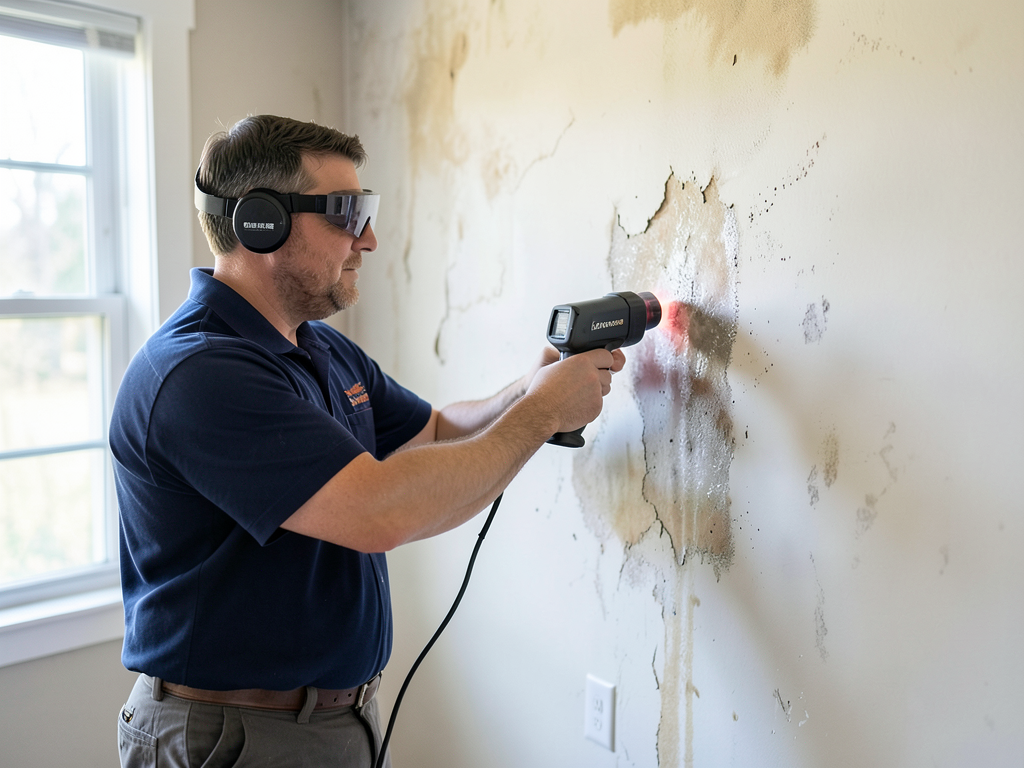
Most painters see peeling paint and grab a scraper. We grab a thermal imaging camera and moisture meter.

Our technicians map the moisture distribution pattern in your walls using non-invasive infrared scanning. This reveals the wet areas behind the paint and wallpaper without creating unnecessary holes in your drywall. We correlate those thermal signatures with direct moisture readings taken at strategic points in the affected zones.

Once we know where the moisture concentrates, we trace it back to the entry point. That might be deteriorated caulking around your second-story window, a cracked chimney crown allowing rain penetration, or a slow drain leak inside the wall cavity. Charlotte's red clay soil shifts seasonally, creating foundation movement that can crack mortar joints and allow water entry through basement walls.

We document the findings with calibrated readings and photos. This creates a factual record for insurance documentation if you choose to file a claim for covered damage.

The repair protocol depends on what we find. If the moisture source is a failed roof penetration, we coordinate with qualified roofers to correct the defect. If it stems from plumbing failure, we address that first. We never dry out the structure until we eliminate the water source. Otherwise, you just restart the damage cycle.

After source elimination, we use commercial dehumidifiers and air movers to dry the wall assembly to acceptable moisture content levels. For drywall, that means 12 to 15 percent moisture content. For plaster, slightly higher. We verify dryness with repeated meter readings over multiple days.

Only after verified dryness do we address the cosmetic damage. That might mean scraping failed paint, priming with stain-blocking sealer, and repainting. For wallpaper, we remove the damaged material, assess substrate condition, make any needed repairs, and prepare the surface for refinishing.

What Happens When You Call About Paint or Wallpaper Damage

Peeling Paint & Wallpaper in Charlotte – Expert Water Damage Diagnosis and Permanent Repair
01

Moisture Assessment and Mapping

We arrive with thermal cameras and pin-type moisture meters to identify the full extent of water intrusion behind your walls. You see the readings in real time. We mark affected zones with tape and record baseline measurements for comparison during the drying phase. This diagnostic work typically takes 45 to 90 minutes depending on how many rooms show damage.
02

Source Elimination and Structural Drying

After confirming the water entry point, we stop the intrusion and begin controlled drying. We position equipment to maximize airflow across wet surfaces while monitoring moisture levels daily. Drywall cavities often require focused drying with injection ports. We adjust equipment placement based on moisture meter feedback until readings stabilize in the acceptable range. Drying duration varies from three to seven days.
03

Surface Preparation and Restoration

Once dryness verification is complete, we remove all failed paint and wallpaper. Any damaged drywall or plaster gets repaired or replaced. We apply appropriate primers to seal surfaces and block stains from bleeding through new finishes. For wallpaper applications, we ensure proper substrate preparation to prevent future adhesion failure. The goal is a refinished surface that performs as well as original construction.

Why Charlotte Homeowners Choose Local Water Damage Specialists

You could hire a painter to scrape and repaint. The blisters will return in three months because the moisture source remains active.

Cornerstone Water Damage Restoration Charlotte understands that cosmetic paint failure signals structural moisture problems. We have worked in every Charlotte neighborhood from Eastover to NoDa, and we recognize the specific vulnerabilities of different construction types common to our region.

Brick veneer homes built in the 1960s and 1970s often lack adequate weep holes or have deteriorated flashing at wall terminations. Ranch homes from that era frequently show moisture problems where roof lines meet walls due to insufficient kick-out flashing. We know these details because we have diagnosed them hundreds of times across Mecklenburg County.

Our technicians carry IICRC certifications in water damage restoration and applied structural drying. That means we follow science-based protocols for moisture measurement and drying, not guesswork. We calibrate our meters regularly and follow manufacturer specifications for equipment placement and runtime.

We also understand Charlotte's building codes and permitting requirements. If structural repairs require permits, we help you navigate that process. If insurance coverage applies, we provide the documentation adjusters need to evaluate your claim properly.

Local knowledge matters when you need reliable diagnosis. We know that homes near McDowell Creek or Briar Creek face different moisture challenges than properties on higher ground in South Charlotte. We recognize the signs of poor grading common in subdivisions built during Charlotte's rapid expansion phases.

You get direct communication with the technicians who perform the work. No call centers or remote coordinators. When you call our local number, you reach people who live and work in Charlotte and understand your specific situation.

What to Expect During Paint and Wallpaper Damage Restoration

Response Time and Scheduling

We schedule diagnostic visits within 24 to 48 hours of your call during normal conditions. Emergency situations involving active leaks or visible mold growth receive same-day response when possible. Initial assessment appointments typically run 60 to 90 minutes. Equipment placement for drying begins the same day if you choose to move forward. We work around your schedule and minimize disruption to your household routine. Most diagnostic visits happen during regular business hours, but we accommodate evening appointments when needed.

How the Diagnostic Process Works

Our technician walks through affected areas with you, noting visible damage and asking questions about when you first noticed problems. We use thermal imaging to scan walls and ceilings for temperature differentials that indicate moisture. Moisture meters provide quantified readings at multiple points. We inspect likely water entry points like windows, roof penetrations, and plumbing fixtures. You receive verbal explanation of findings during the visit and written documentation within 24 hours. The assessment report includes moisture readings, thermal images, and our professional recommendations for remediation.

The Quality of Final Results

We do not consider a project complete until moisture readings verify complete dryness and all cosmetic repairs meet professional standards. Failed paint gets scraped to bare substrate or solid coating. Primers specifically formulated for water-damaged surfaces get applied before finish coats. Wallpaper removal includes all adhesive residue. Repaired drywall receives proper taping, mudding, and sanding to blend with surrounding surfaces. Our goal is a finished product that looks original and performs properly long-term. We take photos of completed work for your records.

Aftercare and Prevention Guidance

After restoration, we provide specific recommendations to prevent recurrence. That might include scheduling annual roof inspections, improving attic ventilation, adjusting grading around your foundation, or monitoring specific plumbing fixtures. We explain warning signs to watch for that might indicate new moisture intrusion. If we identified deferred maintenance issues during our work, we document those for your attention. You receive our direct contact information for follow-up questions. We keep project records on file so future service calls have complete history if needed.

Frequently Asked Questions

You Have Questions,
We Have Answers

Why is my paint peeling like wallpaper? +

Paint peeling in sheets signals moisture intrusion behind your walls. Charlotte's high humidity and heavy summer rainstorms drive water through cracks, window seals, and aging siding. When moisture gets trapped between the substrate and paint layer, it breaks the bond. You see bubbling first, then the paint lifts off like wallpaper. Common culprits include roof leaks, plumbing failures, poor exterior caulking, and foundation cracks. Check your attic, crawl space, and basement for water stains. The peeling is a symptom. You need to find and fix the moisture source before repainting, or the problem repeats.

What to do if paint is peeling off the wall? +

Stop the spread first. Scrape away loose paint with a putty knife to expose stable edges. Check for moisture damage using a moisture meter or by feeling the wall for dampness. If the substrate is wet, you have active water intrusion. Find the leak before doing cosmetic repairs. For Charlotte homes, inspect roof flashing, window seals, and exterior caulk after storms. Once dry, sand rough edges, prime bare spots with a moisture-blocking primer, and repaint. If peeling is widespread or you see mold, call a water damage professional to assess structural issues.

Is it cheaper to paint or peel and stick wallpaper? +

Paint is cheaper upfront but requires proper surface prep. A gallon of quality paint covers 350 to 400 square feet and costs less than peel-and-stick wallpaper per square foot. Peel-and-stick runs higher but goes up fast without primer or multiple coats. The real cost depends on your wall condition. If you have peeling paint or moisture damage, neither option works until you fix the underlying problem. Charlotte's humidity makes peel-and-stick prone to edge lifting in bathrooms and kitchens. Paint offers better long-term durability in high-moisture environments when applied to properly prepped, dry surfaces.

Can I wallpaper over peeling paint? +

No. Wallpaper over peeling paint traps moisture and hides the real problem. The adhesive cannot bond to unstable paint, so the wallpaper will bubble and peel within weeks. Peeling paint indicates moisture intrusion, poor surface prep, or substrate failure. You must scrape all loose material, identify the moisture source, and repair the wall before applying any finish. In Charlotte, high humidity accelerates wallpaper failure over compromised surfaces. Strip the peeling paint completely, let the wall dry, prime with a moisture-blocking product, then wallpaper or paint. Covering damage without fixing it always fails.

Will Kilz stop peeling paint? +

Kilz primer will not stop paint from peeling if moisture is present. Primers seal stains and block some moisture vapor, but they cannot reverse active water damage or bond loose paint. You must scrape away all peeling material first. Kilz works after the surface is stable and dry. It seals bare drywall, wood, or plaster and provides a uniform base for topcoats. Charlotte homeowners often deal with humidity-driven peeling in bathrooms, kitchens, and exterior walls. Address the leak, remove loose paint, let the substrate dry completely, then apply Kilz before repainting. Primer is part of the fix, not the entire solution.

Can I paint over paint that's peeling? +

Not without prep. Painting over peeling paint traps moisture and weak adhesion underneath. The new coat will peel faster than the old one. Scrape all loose material until you reach sound, stable paint. Sand the edges smooth so you do not see ridges. Check for moisture with a meter. If the wall is damp, find and fix the water source before painting. Charlotte's humidity and summer storms make moisture intrusion common in older homes. Prime bare spots with a quality bonding primer, then apply two finish coats. Skipping prep wastes time and money when the paint fails again.

How Charlotte's Clay Soil and Humidity Drive Paint Failure

Charlotte sits on Piedmont clay soil that expands when wet and contracts during dry periods. This seasonal movement creates foundation shifts that crack brick mortar joints and stress window frames. When gaps open in your building envelope during soil contraction, water enters during the next rain event. Our high humidity levels, often exceeding 70 percent during summer months, prevent quick evaporation from wall cavities. That trapped moisture migrates to interior surfaces where it destroys paint adhesion and wallpaper bonds. Homes in low-lying areas near creeks experience even higher ambient moisture loads.

Cornerstone Water Damage Restoration Charlotte has worked with homeowners throughout Mecklenburg County for years, diagnosing moisture problems in every type of residential construction common to our area. We understand local building practices and know which decades of construction face specific vulnerabilities. Our technicians live in the same neighborhoods you do and deal with the same weather patterns affecting your home. When you call us, you work with people who understand Charlotte-specific moisture challenges, not a national chain reading from generic scripts.
Water Damage Restoration Services in The Charlotte Area

Cornerstone is proud to serve Charlotte and the surrounding areas, providing rapid and reliable water damage restoration services when you need them most. Our commitment extends to ensuring properties across our service region receive expert care. You can find our main office located conveniently, allowing us to quickly dispatch our teams to your location and address your water damage emergencies with efficiency and professionalism. We are always ready to assist you.

Address:
Cornerstone Water Damage Restoration Charlotte, 222 Baldwin Ave, Charlotte, NC, 28204

Additional Services We Offer

Our news updates

Latest Articles & News from The Blogs

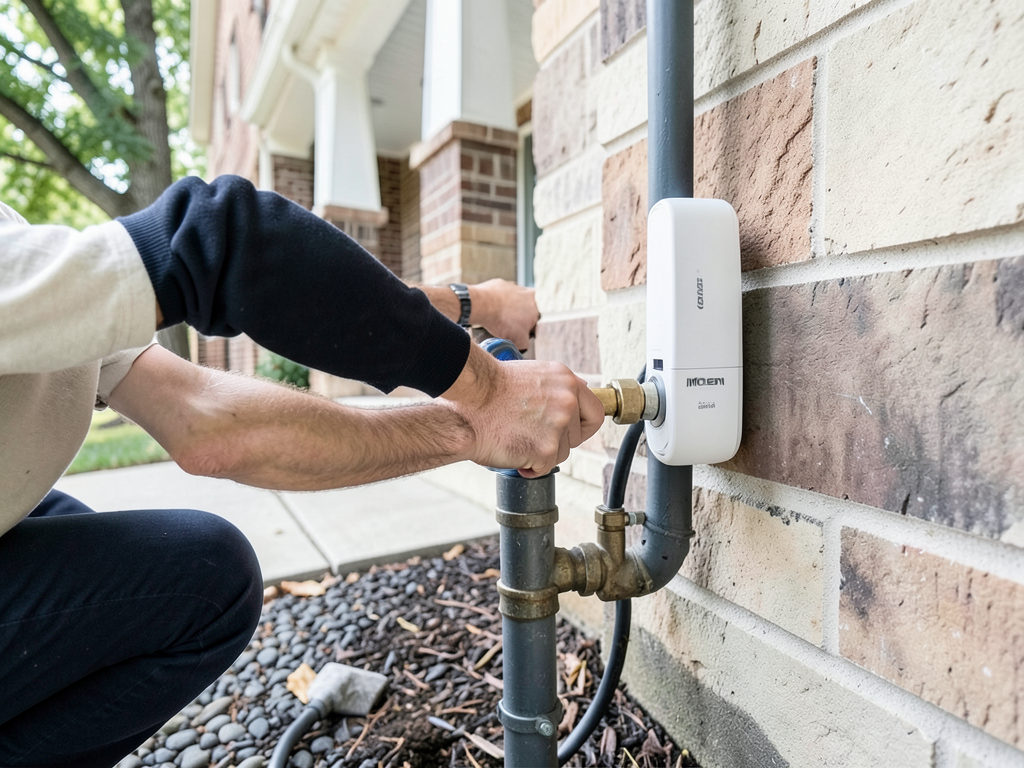
The Best Smart Leak Detectors to Prevent Water Damage in Ballantyne Water damage strikes Ballantyne homes every day from burst…

The Best Smart Leak Detectors to Prevent Water Damage in Ballantyne

The Best Smart Leak Detectors to Prevent Water Damage in Ballantyne Water damage strikes Ballantyne homes every day from burst…

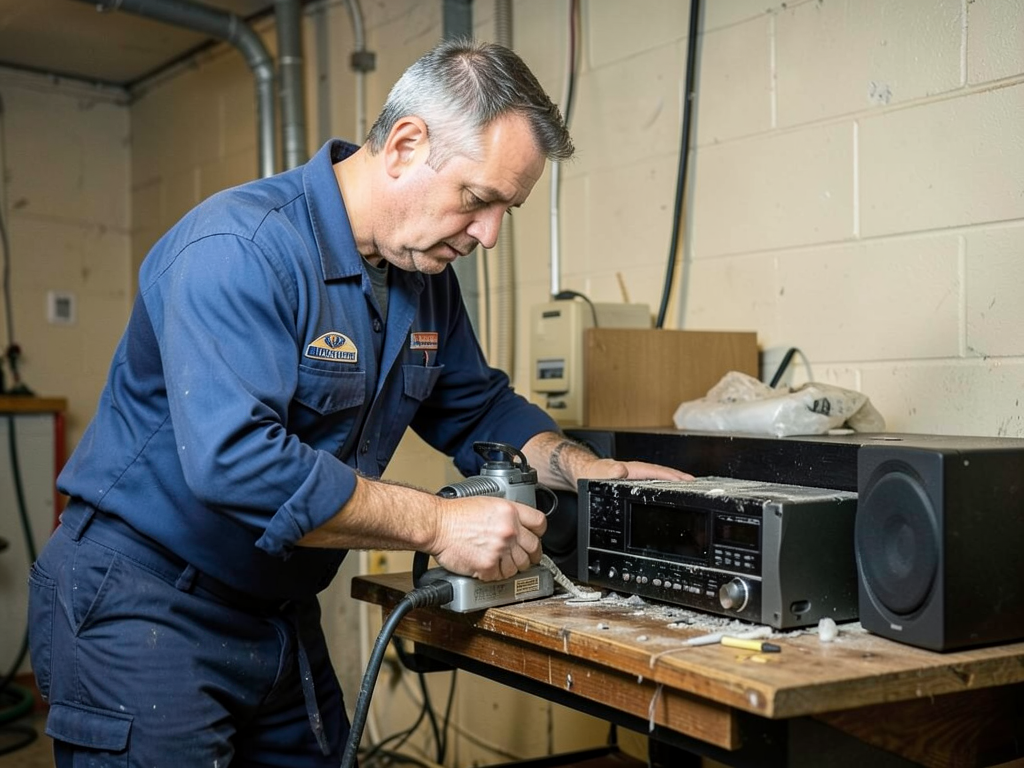
Safeguarding Expensive Home Theater Gear from Water Damage in Myers Park

Safeguarding Expensive Home Theater Gear from Water Damage in Myers Park Myers Park’s stately homes and finished basements create the…

Common Health Symptoms That Might Point to Hidden Water Damage in Your Home

Common Health Symptoms That Might Point to Hidden Water Damage in Your Home Water damage in your Charlotte home often…

Contact Us

Stop treating symptoms and fix the real problem. Call Cornerstone Water Damage Restoration Charlotte at (980) 342-9955 for professional moisture assessment and permanent repair. We identify the water source, eliminate it, and restore your walls properly.