




Menu

Musty Smells & Odor Removal in Charlotte – Expert Diagnosis and Permanent Elimination

Professional mildew odor elimination that targets the source of damp smells in your home, not just surface-level masking, with proven remediation techniques specific to Charlotte's high-humidity environment.

Slider Image 1
Slider Image 2
Slider Image 3
Slider Image 4
Slider Image 5
Slider Image 7
Slider Image 8
Slider Image 9
Slider Image 10
Slider Image 11

Why Charlotte Homes Develop Persistent Musty Odors

You walk into your basement and that smell hits you. Damp. Heavy. Musty. You have tried air fresheners, opened windows, run dehumidifiers. The smell keeps coming back.

Charlotte's humid subtropical climate creates perfect conditions for mildew odor development. With average humidity levels above 70 percent during summer months and frequent afternoon thunderstorms, moisture infiltrates crawl spaces, attics, and wall cavities. The clay soil common throughout Mecklenburg County expands and contracts with moisture changes, creating foundation cracks that let groundwater seep inside.

That musty smell is not just unpleasant. It signals active microbial growth. When water damage goes unaddressed, mold spores colonize porous materials like drywall, insulation, and subflooring. These colonies release microbial volatile organic compounds, the chemical signature you smell as mustiness.

The smell worsens in older homes near neighborhoods like Dilworth, Myers Park, and Plaza Midwood, where original construction lacked vapor barriers and proper drainage systems. Modern homes in rapidly developing areas like Ballantyne face different challenges. Poor grading during construction sends rainwater toward foundations instead of away from them.

Removing moldy scents requires more than ventilation. You need to locate the moisture source, eliminate it, and then address contaminated materials. Surface treatments fail because they ignore the root problem. Professional damp smell remediation identifies hidden water intrusion points that homeowners miss. Without eliminating the moisture source, you are fighting a battle you cannot win.

The longer you wait, the deeper the contamination spreads into structural materials, making eradicating water damage smells more complex and costly.

Why Charlotte Homes Develop Persistent Musty Odors
How Professional Odor Remediation Differs from DIY Solutions

How Professional Odor Remediation Differs from DIY Solutions

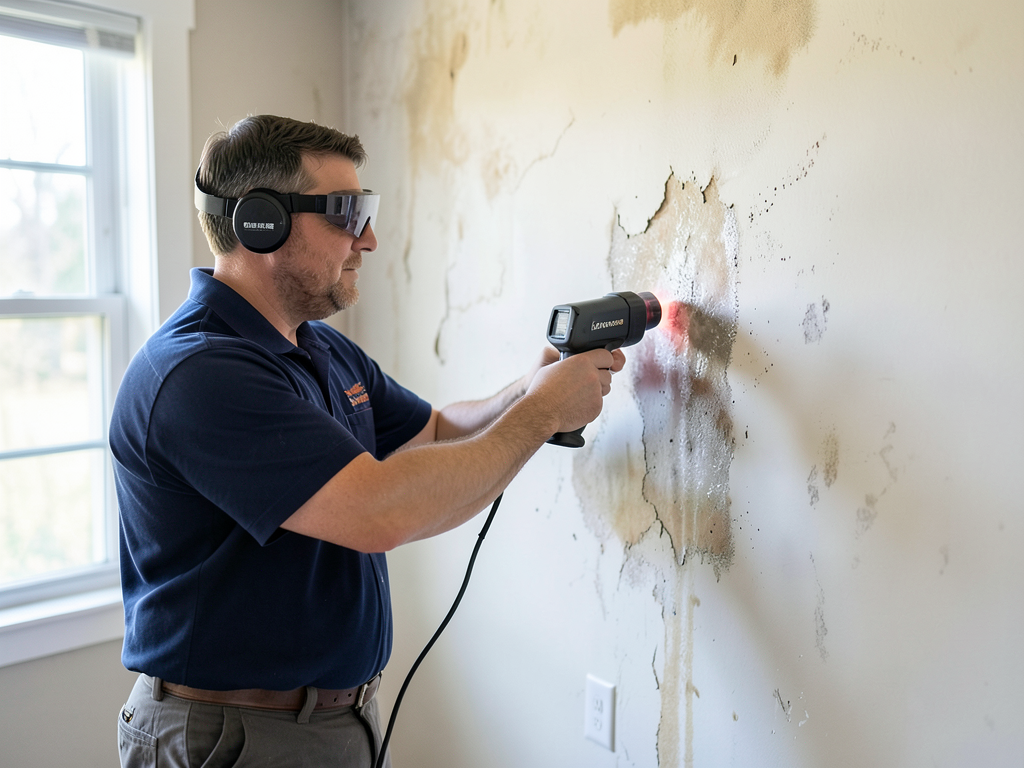
Neutralizing musty odors requires a systematic approach that addresses contamination at the molecular level. Cornerstone Water Damage Restoration Charlotte uses thermal imaging cameras to detect temperature differentials that indicate hidden moisture in wall cavities and ceiling spaces. These moisture pockets are invisible to the naked eye but critical to effective remediation.

We start with moisture mapping using pin-type and non-invasive meters to measure water content in building materials. Drywall should read below 1 percent moisture content. Wood framing should stay under 16 percent. Anything above these thresholds supports microbial growth and generates odor compounds.

After identifying moisture sources, we establish containment barriers using polyethylene sheeting and negative air pressure. This prevents cross-contamination to unaffected areas during the removal process. HEPA-filtered air scrubbers capture airborne spore particles released when disturbing contaminated materials.

For mildew odor elimination, we remove porous materials that cannot be salvaged. Wet insulation, water-damaged drywall, and compromised subflooring must go. These materials absorb moisture like sponges and provide nutrients for continued microbial activity. You cannot clean your way out of this problem.

Non-porous surfaces get treated with antimicrobial solutions formulated specifically for post-water-damage applications. We use hydroxyl generators or ozone machines in unoccupied spaces to oxidize odor molecules at the chemical level. These technologies break down volatile organic compounds rather than masking them with fragrances.

The final step involves applying encapsulants to structural materials that tested clean but may retain residual odor. These sealants trap any remaining odor compounds and prevent future off-gassing. We then verify moisture levels have returned to normal ranges before reconstruction begins.

This is not a one-visit fix. Proper remediation requires days, not hours.

What Happens During Your Odor Elimination Service

Musty Smells & Odor Removal in Charlotte – Expert Diagnosis and Permanent Elimination
01

Initial Inspection and Testing

We arrive with thermal imaging equipment and moisture detection tools to map the full extent of water intrusion. Every wall cavity, ceiling space, and hidden area gets checked. We document baseline moisture readings and photograph affected areas. You receive a detailed assessment that explains what is causing the odor, where the moisture is coming from, and what materials need treatment or removal. This diagnostic phase typically takes 60 to 90 minutes.
02

Containment and Material Removal

After you approve the scope, we set up physical barriers to isolate the work area. Air scrubbers with HEPA filtration run continuously to capture particles. Contaminated materials get removed methodically, bagged in six-mil polyethylene, and disposed of according to local regulations. We expose structural framing and concrete to allow proper drying and treatment. This phase is messy but necessary. You cannot remediate what you cannot access.
03

Treatment and Verification

Clean structural materials receive antimicrobial treatment. Dehumidification equipment and air movers run until moisture readings reach acceptable levels. We deploy hydroxyl generators to neutralize remaining odor compounds at the molecular level. Final verification includes re-testing all previously affected areas with moisture meters and visual inspection. You get documentation showing before and after readings. Only then do we clear the space for reconstruction. The smell is gone because the source is gone.

Why Charlotte Homeowners Choose Local Expertise for Odor Problems

Removing moldy scents in Charlotte requires understanding local construction patterns and environmental factors. Homes built before 1980 often lack proper crawl space ventilation. Builders used vented crawl spaces, which actually increase humidity problems in our climate. Modern building science favors sealed crawl spaces with conditioned air, but older homes need retrofitting to address moisture intrusion effectively.

Cornerstone Water Damage Restoration Charlotte works throughout Mecklenburg County and understands how different soil types affect foundation stability. The red clay soil in areas like Huntersville and Cornelius behaves differently than the sandy loam near the Catawba River. These soil variations change how water moves around your foundation and where it enters your home.

We know local weather patterns matter. Charlotte receives an average of 43 inches of rain annually, with intense summer thunderstorms that overwhelm inadequate gutter systems and dump water against foundations. Hurricane season brings additional moisture challenges. Homes in flood-prone areas near McDowell Creek, Irwin Creek, and Little Sugar Creek face recurring water intrusion that generic remediation approaches miss.

Our team understands Charlotte's municipal codes for mold remediation and water damage restoration. We document our work to meet insurance requirements and provide the evidence adjusters need to process claims efficiently. You are not navigating this alone.

We have worked in every neighborhood, from historic bungalows in NoDa to new construction in Weddington. We understand how different building types develop moisture problems. A 1920s Craftsman home in Elizabeth has different vulnerabilities than a 2015 vinyl-sided home in Ballantyne.

Local knowledge accelerates diagnosis. We recognize patterns quickly because we have seen them before. That means faster resolution and less disruption to your daily life.

What You Can Expect from Our Odor Removal Process

Response Time and Scheduling

We schedule initial inspections within 24 to 48 hours of your call. Odor problems are not emergencies like active flooding, but they indicate ongoing issues that worsen with time. Our inspection appointments run 60 to 90 minutes. We provide a written scope of work and cost estimate within 24 hours of the inspection. Once you approve the plan, we typically begin work within three to five business days, depending on equipment availability and project complexity. The actual remediation work ranges from two days for isolated problems to seven days for whole-home contamination.

How We Diagnose the Problem

Our technicians use FLIR thermal imaging cameras to identify temperature anomalies that indicate moisture presence. We follow up with Tramex moisture meters that provide precise readings for different materials. We check attic ventilation, crawl space conditions, HVAC condensate lines, plumbing penetrations, and exterior grading. We look for condensation patterns on windows and HVAC ducts that suggest elevated indoor humidity. You receive a detailed report with photos, moisture readings, and a clear explanation of what is causing the odor. We also identify secondary issues like poor ventilation or plumbing leaks that contribute to moisture problems.

The End Result You Will Notice

When we finish, the musty smell is gone. Not masked, gone. Moisture readings on all building materials fall within acceptable ranges. Contaminated materials have been removed and properly disposed of. Structural elements are clean, dry, and treated to prevent future growth. You receive documentation showing final moisture readings and photos of completed work. The space is ready for reconstruction, whether you handle that yourself or hire a contractor. Most importantly, you can trust the air quality in your home again. If you had respiratory irritation or allergy symptoms related to the odor, those should resolve within days of completion.

Preventing Future Odor Problems

After remediation, we provide specific recommendations to prevent recurrence. This might include improving crawl space encapsulation, redirecting downspouts, installing French drains, or upgrading bathroom exhaust fans. We explain maintenance steps like monitoring basement humidity levels with a hygrometer and running dehumidifiers during humid months. For clients with recurring moisture issues, we offer annual inspection services to catch problems early. We also provide guidance on indoor humidity control, which should stay between 30 and 50 percent year-round. Some clients install whole-home dehumidification systems as part of their HVAC upgrades.

Frequently Asked Questions

You Have Questions,
We Have Answers

How to get rid of a strong musty smell? +

A strong musty smell in Charlotte homes signals hidden moisture. First, locate the source: check basements, crawl spaces, and attics for leaks or condensation. Our humid climate makes these areas vulnerable. Open windows to ventilate, then run dehumidifiers to drop humidity below 50%. Clean affected surfaces with vinegar or hydrogen peroxide. If the smell persists after 48 hours, you have mold growth behind walls or under flooring. Professional inspection finds hidden colonies that surface cleaning misses. Thermal imaging and moisture meters pinpoint exact problem zones. You need source removal, not just masking the odor.

What is the hardest smell to get rid of in a house? +

Decomposition odors are the hardest to eliminate. Proteins break down into cadaverine and putrescine compounds that penetrate porous materials like drywall and subflooring. In Charlotte's heat and humidity, these smells intensify and spread quickly. Standard cleaning fails because odor molecules embed deep into building materials. You need enzymatic treatments that break down organic compounds at the molecular level. Sometimes complete removal of affected materials is necessary: insulation, drywall, even floor joists. HVAC systems also spread contamination throughout the home. Ozone treatment or hydroxyl generators may help, but physical removal is often the only permanent solution.

Will DampRid get rid of musty smell? +

DampRid reduces moisture in small, enclosed spaces like closets or bathrooms. It absorbs humidity, which can prevent new musty smells from developing. For existing odors in Charlotte homes, DampRid is a temporary band-aid. It does not address the moisture source: roof leaks, foundation cracks, or crawl space dampness. You need to fix the leak first, dry affected materials, then treat odor sources. In humid months, DampRid refills every few weeks in problem areas. Use it as part of a larger strategy, not as your only solution. Dehumidifiers work better for whole rooms or basements.

How to get rid of old lady smell in house? +

That stale smell comes from poor ventilation, old fabric fibers, and dust accumulation. Start by opening windows to flush out stagnant air. Wash all textiles: curtains, upholstery, bedding. Steam clean carpets and furniture. Charlotte's humidity traps odors in fabrics, so use fans to speed drying. Replace HVAC filters and clean air ducts if the smell circulates through vents. Activated charcoal bags absorb lingering odors in closets and drawers. Check for mildew in bathrooms and basements. If the smell remains after deep cleaning, you may have hidden mold or water damage requiring professional assessment and remediation.

What is the most powerful odor eliminator? +

Hydroxyl generators are the most powerful professional odor eliminators. They break down odor molecules at the source without leaving chemical residues. For DIY approaches, enzymatic cleaners work best on organic odors like pet urine or decomposition. Activated charcoal absorbs airborne odor particles in enclosed spaces. Ozone machines are powerful but require vacating the property during treatment due to health risks. In Charlotte homes with persistent odors from water damage or mold, surface treatments fail. You need professional equipment that treats air and materials simultaneously. Masking agents like air fresheners only hide smells temporarily and complicate real diagnosis.

What does a musty smell indicate? +

A musty smell indicates active mold growth or moisture problems. Mold releases microbial volatile organic compounds as it feeds on organic materials. In Charlotte homes, high humidity and poor ventilation create perfect conditions for spore colonization. The smell often appears in basements, crawl spaces, attics, or behind walls after leaks. Even if you do not see visible mold, the odor confirms hidden growth. Check for water stains, condensation, or soft drywall. Ignoring musty odors leads to structural damage and health issues. Professional moisture mapping locates the exact source. You cannot fix what you cannot find.

What pulls odor out of the air? +

Air purifiers with HEPA and activated carbon filters pull odor particles from the air. HEPA captures mold spores and allergens, while carbon absorbs chemical odors. Ventilation is your first defense: open windows to dilute airborne contaminants. Dehumidifiers reduce moisture that feeds odor sources. In Charlotte's humid climate, continuous dehumidification prevents new odors from developing. Professional hydroxyl generators and ozone machines neutralize odor molecules but require proper safety protocols. For persistent smells from water damage, you need source removal first. Filtration only treats symptoms. Fix the moisture problem, remove contaminated materials, then filter the air during restoration.

What is the old lady's smell called? +

The old lady smell is called nonenal. After age 40, skin produces more fatty acids that oxidize into this distinct odor. Poor ventilation traps the smell in enclosed spaces. It clings to fabrics, upholstery, and carpets. In Charlotte's humidity, the odor intensifies and persists longer. Improve air circulation by opening windows and using fans. Wash all textiles and steam clean soft surfaces. Replace air filters and clean HVAC ducts. Activated charcoal bags absorb residual odors in closets and bedrooms. Regular cleaning prevents buildup. If the smell remains after thorough cleaning, check for hidden mold or moisture issues.

What three ingredients make your house smell good? +

Fresh air, vinegar, and baking soda are the safest odor fighters. Open windows to ventilate stale air. Boil vinegar on the stove to neutralize airborne odors. Sprinkle baking soda on carpets and upholstery, let sit for 30 minutes, then vacuum. These natural ingredients absorb and neutralize odors without chemicals. In Charlotte homes, add a dehumidifier to prevent musty smells from returning. Avoid artificial air fresheners that mask problems. Real odor control requires source removal and ventilation. If natural methods fail after 48 hours, you have hidden moisture or mold requiring professional diagnosis and treatment.

Can a house smell musty without mold? +

Yes, a house can smell musty without visible mold. High humidity alone creates that damp, stale odor. Charlotte's climate keeps indoor humidity above 60% without dehumidification, feeding bacterial growth and fabric degradation. Dust mites, old insulation, and dirty HVAC systems also produce musty smells. Check humidity levels with a hygrometer. If readings exceed 50%, run dehumidifiers and improve ventilation. Clean or replace air filters monthly. If the smell persists after controlling humidity, hidden mold is present behind walls, under flooring, or in crawl spaces. Professional moisture mapping and air quality testing identify sources you cannot see.

How Charlotte's Humidity and Clay Soil Intensify Musty Odor Problems

Charlotte sits in the humid subtropical zone, where summer dew points regularly exceed 70 degrees and relative humidity peaks above 90 percent overnight. This moisture-saturated air condenses on cool surfaces inside your home, creating perfect conditions for mildew growth. The Piedmont red clay soil that dominates our region compounds the problem. Clay is nearly impermeable when saturated. Water cannot drain through it, so it pools against foundations and seeps through cracks and cold joints. Homes built in the 1960s through 1980s often have inadequate foundation waterproofing because builders underestimated how aggressive this clay soil behaves during wet periods. When you combine poor soil drainage with high ambient humidity, basements and crawl spaces become moisture traps.

Cornerstone Water Damage Restoration Charlotte has served Mecklenburg County for years, working with homeowners who face these exact conditions. We understand how local building practices from different eras create specific vulnerabilities. We know which neighborhoods have chronic drainage problems due to poor original grading. We work with local insurance adjusters who understand that musty odors in Charlotte homes often indicate foundation moisture intrusion rather than simple housekeeping issues. Our familiarity with local conditions means faster, more accurate diagnosis. We do not waste your time or money treating symptoms when we can fix the actual cause.
Water Damage Restoration Services in The Charlotte Area

Cornerstone is proud to serve Charlotte and the surrounding areas, providing rapid and reliable water damage restoration services when you need them most. Our commitment extends to ensuring properties across our service region receive expert care. You can find our main office located conveniently, allowing us to quickly dispatch our teams to your location and address your water damage emergencies with efficiency and professionalism. We are always ready to assist you.

Address:
Cornerstone Water Damage Restoration Charlotte, 222 Baldwin Ave, Charlotte, NC, 28204

Additional Services We Offer

Our news updates

Latest Articles & News from The Blogs

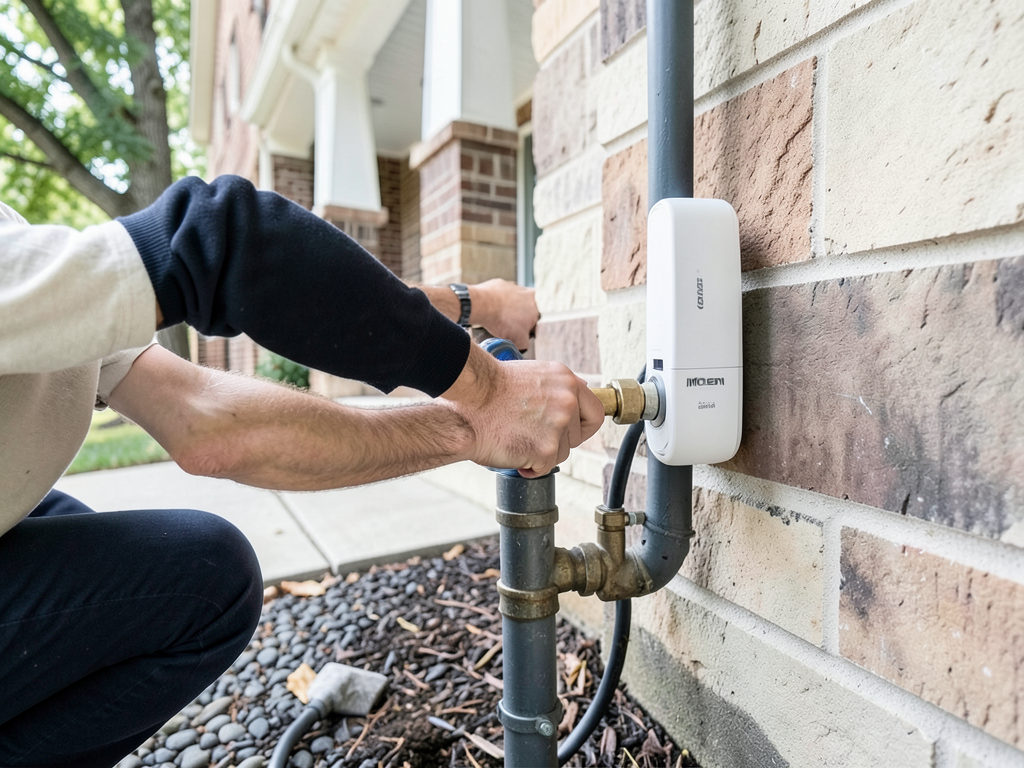
The Best Smart Leak Detectors to Prevent Water Damage in Ballantyne Water damage strikes Ballantyne homes every day from burst…

The Best Smart Leak Detectors to Prevent Water Damage in Ballantyne

The Best Smart Leak Detectors to Prevent Water Damage in Ballantyne Water damage strikes Ballantyne homes every day from burst…

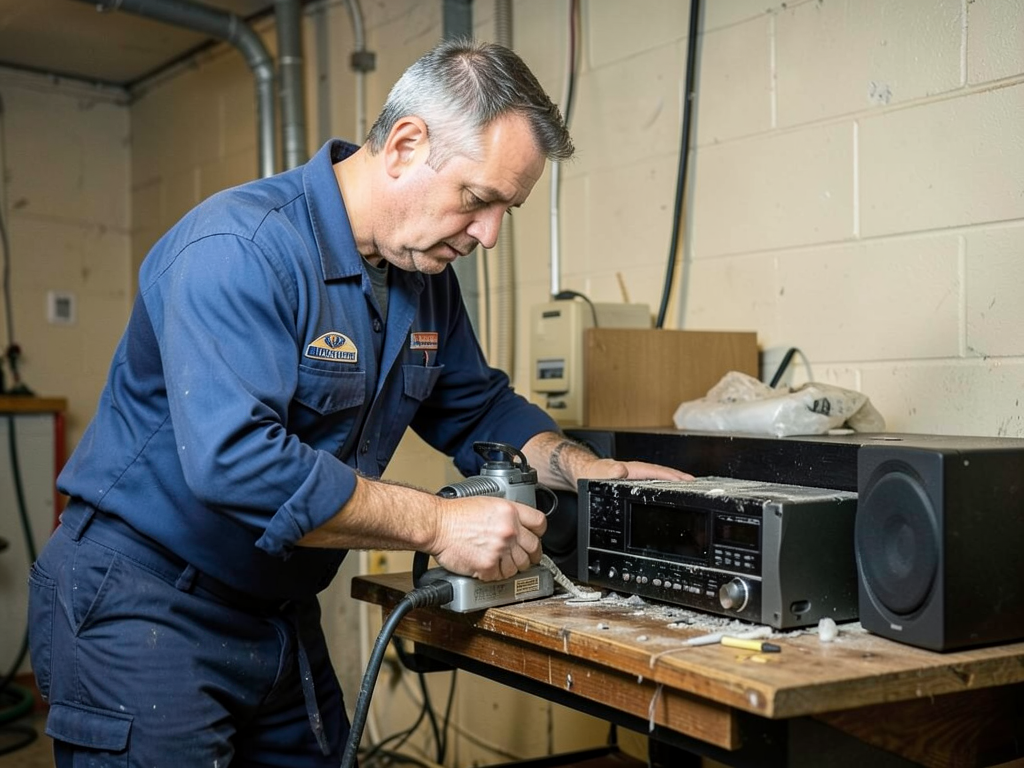
Safeguarding Expensive Home Theater Gear from Water Damage in Myers Park

Safeguarding Expensive Home Theater Gear from Water Damage in Myers Park Myers Park’s stately homes and finished basements create the…

Common Health Symptoms That Might Point to Hidden Water Damage in Your Home

Common Health Symptoms That Might Point to Hidden Water Damage in Your Home Water damage in your Charlotte home often…

Contact Us

Stop living with a smell that makes you avoid parts of your own home. Call Cornerstone Water Damage Restoration Charlotte at (980) 342-9955 today to schedule your inspection. We will find the source and eliminate it permanently.