




Menu

Mold Remediation & Removal in Charlotte – EPA-Protocol Decontamination for Homes and Commercial Properties

Certified mold abatement using containment barriers, HEPA filtration, and antimicrobial treatments to eliminate mold colonies and restore indoor air quality after water intrusion throughout the Charlotte metro area.

Slider Image 1
Slider Image 2
Slider Image 3
Slider Image 4
Slider Image 5
Slider Image 7
Slider Image 8
Slider Image 9
Slider Image 10
Slider Image 11

Why Charlotte Properties Face Persistent Mold Growth After Water Events

Charlotte sits in a humid subtropical zone where summer dew points routinely hit 70 degrees. When water intrusion occurs from storm damage, pipe failures, or roof leaks, mold spores colonize within 24 to 48 hours. The problem intensifies in older homes near Dilworth and Myers Park, where crawl spaces lack vapor barriers and wood framing stays damp for weeks.

You see black staining on drywall. You smell the musty odor behind baseboards. You notice respiratory irritation that worsens indoors. These are warning signs that surface cleaning will not fix. Mold sends microscopic spores into your HVAC system, spreading contamination to rooms that never got wet.

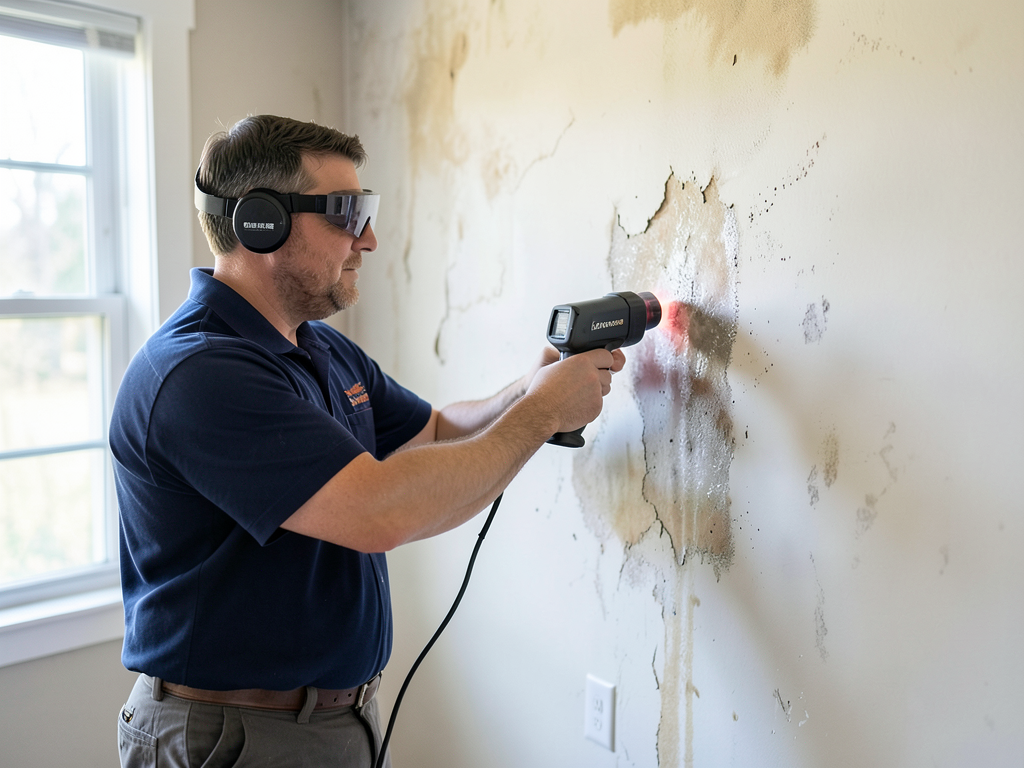
Professional mold remediation addresses the root cause. We perform moisture mapping with thermal imaging to find hidden saturation in wall cavities and subfloors. We identify whether you are dealing with Stachybotrys chartarum, Aspergillus, or Penicillium species. Each requires different containment protocols.

Mold mitigation is not about spraying bleach on visible growth. It requires negative air pressure containment, HEPA-filtered air scrubbers, and antimicrobial fog treatments that penetrate porous materials. Residents in Plaza Midwood and NoDa deal with older brick construction that traps moisture between exterior walls and interior framing. Without proper mold decontamination, spores recolonize within months.

Charlotte's clay soil also contributes. When the ground stays saturated after heavy rain, hydrostatic pressure forces groundwater through foundation cracks. Crawl spaces flood, floor joists absorb moisture, and mold spreads upward into living areas. Professional mold removal includes fixing the water source, not just treating the symptom.

Why Charlotte Properties Face Persistent Mold Growth After Water Events
How We Perform Mold Abatement Using Containment and Air Filtration Protocols

How We Perform Mold Abatement Using Containment and Air Filtration Protocols

We follow IICRC S520 standards for mold remediation. The process begins with moisture detection using infrared cameras and pin-type meters to measure wood moisture content. We document contamination levels before containment to establish a remediation scope.

Containment setup involves sealing affected rooms with 6-mil polyethylene sheeting and creating negative air pressure using HEPA-filtered air scrubbers exhausting outside. This prevents cross-contamination to unaffected areas. We remove baseboards, cut drywall two feet above visible growth, and inspect wall cavities for hidden colonies.

Porous materials like drywall, insulation, and carpeting get removed and bagged in the containment zone. Non-porous surfaces like framing lumber get treated with antimicrobial solutions after physical removal of growth. We use HEPA vacuums on all surfaces to capture residual spores before applying encapsulants.

Air scrubbers run continuously during demolition, cycling room air through HEPA filters that capture particles down to 0.3 microns. We verify air quality using spore trap sampling before breaking containment. Post-remediation testing compares indoor spore counts to outdoor baselines to confirm successful mold cleanup services.

For commercial properties in South End or Uptown, we schedule work during off-hours to minimize business interruption. Large-scale contamination in warehouses or office buildings requires industrial dehumidifiers pulling 150 pints per day to drop humidity below 50 percent. We coordinate with your insurance adjuster to document pre-loss conditions and justify the scope.

The final phase involves antimicrobial fogging of the entire containment area, sealing exposed framing with encapsulant coatings, and installing vapor barriers in crawl spaces to prevent recurrence. Proper mold decontamination eliminates the colony and removes the conditions that allowed it to grow.

What Happens During Your Mold Remediation Project

Mold Remediation & Removal in Charlotte – EPA-Protocol Decontamination for Homes and Commercial Properties
01

Contamination Assessment and Containment

We inspect your property with thermal imaging and moisture meters to map the full extent of water intrusion and mold growth. After documenting contamination with photos and air samples, we build containment barriers using polyethylene sheeting and negative air machines. This isolates affected rooms and prevents spores from spreading during demolition. You will see technicians in respirators and Tyvek suits working inside sealed zones.
02

Removal and HEPA Filtration

Contaminated materials get removed, bagged, and disposed of following EPA guidelines for mold waste. We physically remove all visible growth from framing and apply antimicrobial treatments to kill remaining spores. HEPA air scrubbers run continuously to filter airborne particles. Surfaces get HEPA vacuumed before encapsulation. This phase generates noise and dust, but containment keeps it confined to work zones.
03

Verification and Reconstruction Prep

After physical remediation, we conduct post-test air sampling to verify spore counts match outdoor baselines. We fog the containment area with antimicrobial solution and apply encapsulant coatings to exposed wood. Once clearance testing confirms successful mold mitigation, we remove containment barriers and prepare the space for reconstruction. You receive a detailed remediation report for insurance documentation and future property records.

Why Charlotte Property Owners Choose Local Mold Remediation Experts

Mold remediation requires understanding local construction methods and environmental factors. Homes built before 1980 in neighborhoods like Eastover and Cotswold often have inadequate crawl space ventilation and lack moisture barriers. We know which foundation types are common in Charlotte and how clay soil affects groundwater intrusion patterns.

Cornerstone Water Damage Restoration Charlotte holds IICRC certifications in Applied Microbial Remediation and Water Damage Restoration. Our technicians receive ongoing training in EPA protocols and North Carolina building codes. We work directly with insurance carriers to document pre-loss conditions, justify scope changes, and expedite claims.

Charlotte's humid climate makes mold recurrence common if you only treat surface growth. We address the underlying moisture problem, whether it is a leaking roof valley, failed crawl space vapor barrier, or inadequate attic ventilation. Our thermal imaging identifies temperature differentials that indicate hidden leaks behind walls or under flooring.

For commercial properties, we coordinate with your facility manager to minimize downtime. We perform after-hours remediation in office buildings and retail spaces, using negative air containment to isolate work zones from occupied areas. Our industrial dehumidifiers and air movers handle large-scale water extraction in warehouses and multi-story buildings.

We provide written estimates that break down containment costs, material removal, and antimicrobial treatment. You will not see vague line items or surprise charges. Our pricing reflects the actual scope based on contamination extent, not inflated estimates designed to maximize insurance payouts.

Local expertise matters when dealing with mold in Charlotte properties. We respond within hours to assess damage, not days. We understand which local labs provide reliable spore analysis and how to interpret clearance testing results. You get experienced technicians who know Charlotte construction and can identify problem areas before contamination spreads.

What to Expect During Professional Mold Cleanup Services

Response Time and Project Duration

We arrive within two hours of your call to assess contamination and begin containment. Small projects involving a single bathroom or closet typically take two to three days from containment to clearance testing. Larger projects affecting multiple rooms or crawl spaces require four to seven days depending on material removal scope. Commercial projects get scheduled around your business hours to minimize disruption. We provide daily updates on progress and timeline adjustments if hidden contamination is discovered during demolition.

Initial Inspection and Scope Documentation

Your first visit includes moisture mapping with thermal cameras and pin meters to identify saturated building materials. We document visible mold growth with photos and measure relative humidity levels. Air sampling captures baseline spore counts for comparison after remediation. You receive a written scope detailing which materials require removal, containment protocols, and estimated project duration. We explain contamination levels in plain terms so you understand what needs to happen and why surface cleaning will not solve the problem.

Clearance Testing and Final Results

After physical remediation and antimicrobial treatment, we conduct post-remediation verification testing using air samples and surface swabs. Results compare indoor spore counts to outdoor baselines to confirm successful decontamination. You receive a clearance certificate documenting that your property meets EPA and IICRC standards for reoccupancy. We provide before-and-after photos showing contaminated materials removal and treated surfaces. This documentation is critical for insurance claims and future property transactions. Reconstruction can begin immediately after clearance.

Post-Remediation Monitoring and Prevention

We install moisture monitors in previously affected areas to alert you if humidity rises above safe thresholds. You receive recommendations for crawl space encapsulation, improved ventilation, or dehumidifier installation to prevent recurrence. We offer six-month follow-up inspections to verify moisture levels remain controlled and no new growth has appeared. For commercial properties, we develop moisture management plans that include HVAC maintenance schedules and routine moisture checks in vulnerable areas like basements and mechanical rooms.

Frequently Asked Questions

You Have Questions,
We Have Answers

How much does it cost to remove mold? +

Mold removal costs in Charlotte vary based on the size of the affected area, contamination level, and location accessibility. Small jobs under 10 square feet run $500 to $1,500. Medium projects covering 10 to 100 square feet range from $1,500 to $5,000. Extensive growth exceeding 100 square feet can climb higher due to containment barriers, air filtration, and structural repairs. Charlotte's high humidity accelerates mold spread in crawl spaces and attics, which increases labor complexity. Always get an inspection first to determine the true scope before committing to remediation.

What is the difference between mold removal and mold remediation? +

Mold removal means physically wiping away visible growth from surfaces. Mold remediation is a comprehensive process that removes existing colonies, identifies moisture sources, repairs water damage, and applies antimicrobial treatments to prevent recurrence. Remediation also includes air scrubbing with HEPA filtration to eliminate airborne spores. Charlotte's humid climate creates ideal conditions for mold regrowth, so stopping the moisture problem is critical. Removal alone is temporary. Remediation addresses root causes and restores indoor air quality. Professionals use containment barriers to prevent cross-contamination during the process.

How much should it cost to remove mold? +

Mold removal costs in Charlotte depend on square footage, contamination severity, and structural damage. Small areas under 10 square feet cost $500 to $1,500. Medium zones from 10 to 100 square feet run $1,500 to $5,000. Large projects exceeding 100 square feet require professional containment, HEPA air scrubbers, and potentially structural repairs, which increases costs. Charlotte's clay soil and high water tables contribute to basement moisture problems that escalate remediation scope. Attic mold from poor ventilation is common in older neighborhoods. Request detailed estimates that include moisture testing and post-remediation verification.

Is professional mold removal worth it? +

Professional mold removal is worth it when health risks, structural damage, or widespread contamination exist. Professionals use containment barriers, HEPA filtration, and antimicrobial treatments that DIY methods cannot replicate. Charlotte's humidity and frequent summer storms create persistent moisture issues that amateurs miss. Incomplete removal allows mold to return quickly. Professionals identify hidden growth in wall cavities, crawl spaces, and HVAC systems. They also document work for insurance claims and resale disclosures. Cutting corners risks respiratory illness, property devaluation, and failed home inspections. For areas larger than 10 square feet, hire a certified technician.

What kills mold permanently? +

Nothing kills mold permanently without eliminating the moisture source. Bleach, hydrogen peroxide, and antimicrobial solutions kill surface mold but do not prevent regrowth if humidity remains high. Charlotte's average 70 percent humidity creates constant recolonization risk. Professionals use HEPA vacuums to remove spores, apply EPA-registered fungicides, and install dehumidifiers or improve ventilation. Porous materials like drywall and insulation often require removal because spores penetrate deep. Fix leaks, improve airflow, and maintain indoor humidity below 50 percent. Mold control is ongoing maintenance, not a one-time fix.

What are signs of mold exposure? +

Mold exposure symptoms include persistent coughing, wheezing, throat irritation, nasal congestion, and eye redness. Skin rashes and headaches are common. People with asthma or allergies experience worsened symptoms. Chronic fatigue and difficulty concentrating may indicate prolonged exposure. Charlotte's humid climate allows mold to thrive in bathrooms, basements, and attics year-round. Black mold, or Stachybotrys, produces mycotoxins that cause severe respiratory distress. If multiple household members develop simultaneous symptoms that improve when leaving the home, mold contamination is likely. Schedule an inspection immediately if you notice musty odors or visible growth.

Can I remediate mold myself? +

You can remediate small mold patches under 10 square feet yourself if the area is non-porous and accessible. Use an N95 respirator, gloves, and eye protection. Clean with detergent, scrub thoroughly, and dry completely. Charlotte's high humidity means you must also fix the moisture source or mold returns within weeks. Never tackle mold in HVAC systems, wall cavities, or after sewage backups. These require professional containment and air filtration. If you have asthma, allergies, or immune issues, hire a certified technician. Disturbing large colonies without proper containment spreads spores throughout your home.

Why is mold remediation so expensive? +

Mold remediation is expensive because it requires specialized equipment, containment protocols, and labor-intensive processes. Professionals use HEPA air scrubbers, negative air machines, and antimicrobial treatments. Containment barriers prevent cross-contamination. Porous materials like drywall and insulation often need removal and replacement. Charlotte's crawl spaces and attics pose access challenges that increase labor time. Moisture testing, thermal imaging, and post-remediation clearance testing add to costs. Technicians wear protective gear and follow IICRC standards to ensure safety. Cutting corners risks incomplete removal, health hazards, and recurring growth that costs more long-term.

How long should you stay out of house after mold remediation? +

You can return home immediately after mold remediation if the technician provides clearance testing confirmation. Most projects allow re-entry within 24 to 48 hours once air scrubbers finish and surfaces dry. Charlotte's humidity may extend drying time. Sensitive individuals, infants, or people with respiratory conditions should wait until post-remediation air quality tests confirm spore counts are normal. Professionals run HEPA filtration during work to prevent contamination in unaffected rooms. If structural repairs or repainting occurred, wait until ventilation clears chemical odors. Always request a final walkthrough and documentation before moving back in.

Can a house with mold be saved? +

Yes, a house with mold can be saved if you address the contamination quickly and fix the moisture source. Charlotte homes with crawl space flooding, roof leaks, or poor ventilation face recurring mold issues, but remediation restores safety. Professionals remove contaminated materials, treat surfaces with antimicrobials, and dry structural components. Severe cases may require wall cavity cleaning or subfloor replacement. Ignoring mold leads to wood rot, weakened framing, and health risks. Historic neighborhoods in Charlotte often have older ventilation systems that need upgrades. Act fast, hire certified technicians, and invest in dehumidification to protect your investment.

How Charlotte's Humidity and Clay Soil Create Chronic Mold Conditions

Charlotte averages 43 inches of rain annually with summer humidity regularly exceeding 70 percent. When this moisture combines with the region's clay soil, groundwater cannot drain properly. Hydrostatic pressure forces water through foundation cracks and into crawl spaces. Older homes in Dilworth, Myers Park, and Elizabeth lack modern vapor barriers, allowing soil moisture to wick into floor joists and subfloors. Once wood moisture content exceeds 20 percent, mold colonies establish within 48 hours. Professional mold remediation must address both the active growth and the moisture source driving it.

Mecklenburg County building codes updated crawl space requirements in recent years, but thousands of pre-2000 homes still operate with inadequate moisture control. Cornerstone Water Damage Restoration Charlotte works with local structural engineers and building inspectors to ensure remediation projects meet current code standards. We understand which neighborhoods face recurring groundwater issues and which foundation types require specific waterproofing approaches. Our technicians live and work in Charlotte, responding quickly to storm damage and understanding seasonal moisture patterns that affect properties throughout the metro area.
Water Damage Restoration Services in The Charlotte Area

Cornerstone is proud to serve Charlotte and the surrounding areas, providing rapid and reliable water damage restoration services when you need them most. Our commitment extends to ensuring properties across our service region receive expert care. You can find our main office located conveniently, allowing us to quickly dispatch our teams to your location and address your water damage emergencies with efficiency and professionalism. We are always ready to assist you.

Address:
Cornerstone Water Damage Restoration Charlotte, 222 Baldwin Ave, Charlotte, NC, 28204

Additional Services We Offer

Our news updates

Latest Articles & News from The Blogs

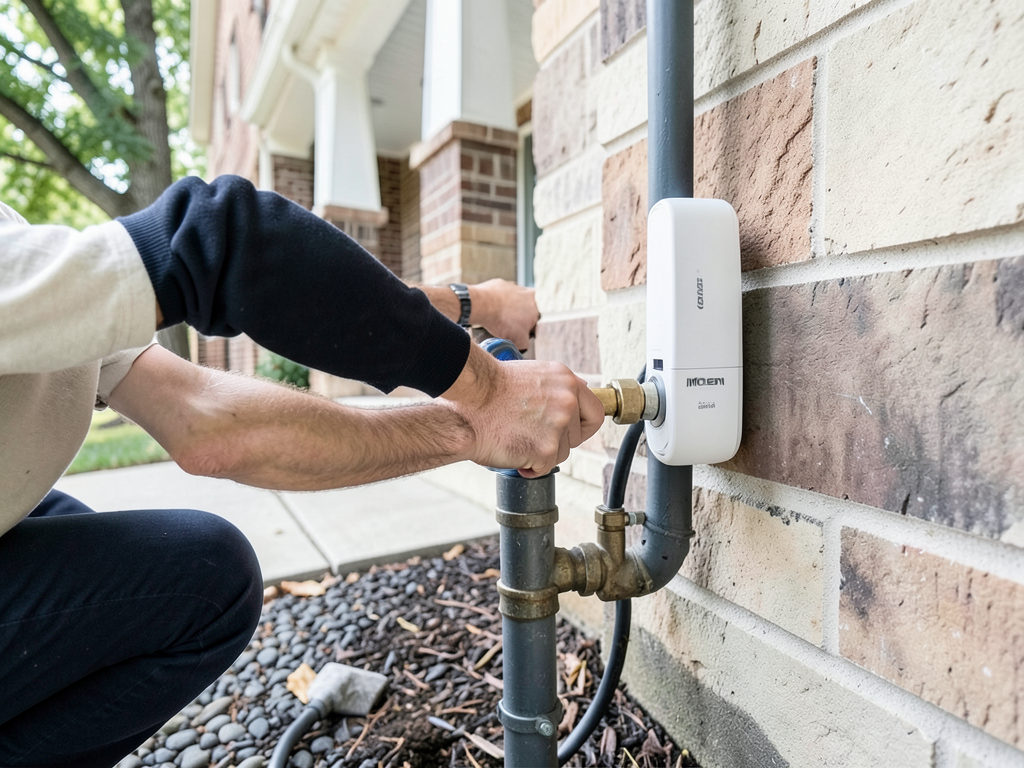
The Best Smart Leak Detectors to Prevent Water Damage in Ballantyne Water damage strikes Ballantyne homes every day from burst…

The Best Smart Leak Detectors to Prevent Water Damage in Ballantyne

The Best Smart Leak Detectors to Prevent Water Damage in Ballantyne Water damage strikes Ballantyne homes every day from burst…

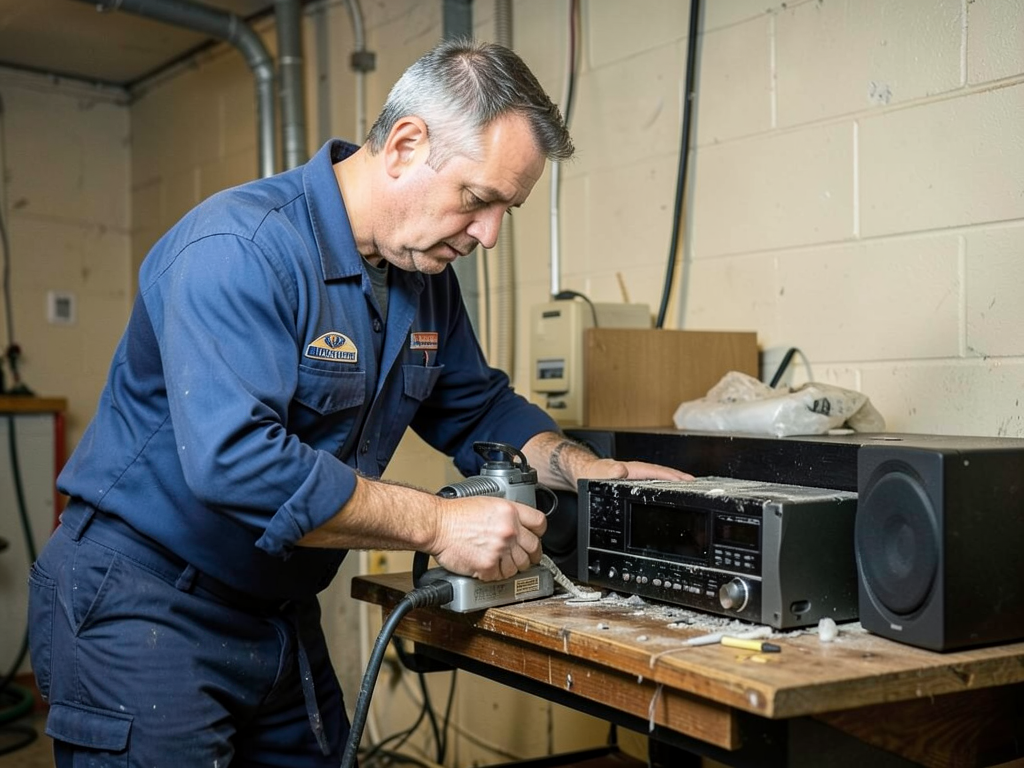
Safeguarding Expensive Home Theater Gear from Water Damage in Myers Park

Safeguarding Expensive Home Theater Gear from Water Damage in Myers Park Myers Park’s stately homes and finished basements create the…

Common Health Symptoms That Might Point to Hidden Water Damage in Your Home

Common Health Symptoms That Might Point to Hidden Water Damage in Your Home Water damage in your Charlotte home often…

Contact Us

Mold colonies double in size every 48 hours when moisture remains present. Call Cornerstone Water Damage Restoration Charlotte at (980) 342-9955 for immediate assessment and containment. We provide written estimates and work directly with your insurance carrier to document the claim.