


Menu

Large Scale Water Extraction in Charlotte – Industrial-Grade Solutions That Minimize Business Downtime

When catastrophic flooding hits your Charlotte facility, every hour of downtime costs revenue. Our high-capacity extraction systems remove thousands of gallons per hour, restoring operational capability faster than conventional methods.

Slider Image 1
Slider Image 2
Slider Image 3
Slider Image 4
Slider Image 5
Slider Image 7
Slider Image 8
Slider Image 9
Slider Image 10
Slider Image 11

Why Charlotte Facilities Face Unique Commercial Water Extraction Challenges

Charlotte's position at the intersection of the Piedmont and the Catawba River Basin creates specific vulnerabilities for commercial properties. When tropical systems stall over the region or severe thunderstorms drop inches of rain in minutes, facilities face catastrophic flooding that overwhelms standard drainage infrastructure.

The city's aging commercial corridor along Trade Street and older warehouse districts in NoDa were built before modern stormwater codes. These structures lack adequate floor drains, backflow preventers, and moisture barriers. When water enters, it accumulates fast.

Manufacturing facilities in the University area and distribution centers near Charlotte Douglas International Airport cannot afford extended shutdowns. A flooded production floor or waterlogged warehouse means halted operations, spoiled inventory, and breach of contract penalties. Standard residential extraction equipment cannot handle the volume. You need industrial water extraction systems designed for large loss water mitigation.

The clay-heavy soil common throughout Mecklenburg County compounds the problem. Poor drainage means surface water pools around foundations. When combined with Charlotte's humid subtropical climate, standing water creates mold growth within 48 hours. Commercial water removal must happen immediately to prevent secondary contamination that triggers regulatory compliance issues.

High volume water pumping becomes critical when dealing with flooded parking structures, basement-level server rooms, or ground-floor retail spaces in mixed-use developments. The scale of water intrusion in commercial settings demands bulk water removal services that deploy truck-mounted extractors, submersible pumps rated for thousands of gallons per hour, and coordinated multi-crew response.

Waiting costs money. Every hour of delay extends the restoration timeline and increases the total loss.

Why Charlotte Facilities Face Unique Commercial Water Extraction Challenges
How Industrial-Grade Extraction Systems Outperform Standard Equipment

How Industrial-Grade Extraction Systems Outperform Standard Equipment

Large scale water extraction requires equipment that residential providers do not stock. Cornerstone Water Damage Restoration Charlotte maintains a fleet of truck-mounted extractors, trailer-mounted vacuum systems, and gas-powered submersible pumps capable of removing up to 500 gallons per minute.

Our approach begins with containment and flow control. Before extraction starts, technicians identify the water source, isolate affected zones using temporary barriers, and establish drainage pathways that prevent cross-contamination between clean and contaminated areas. This matters in facilities with sensitive equipment, sterile environments, or inventory that must remain uncompromised.

We deploy high-capacity extraction in phases. Initial bulk water removal uses submersible trash pumps to eliminate standing water from floors, pits, and low points. These pumps handle debris-laden water without clogging, unlike standard wet vacuums. Once bulk water is cleared, truck-mounted extractors with weighted wands apply 500+ PSI of vacuum pressure to pull moisture from carpet, concrete, and tile grout.

For facilities with raised floors or crawl spaces, we use low-profile extractors and flexible ducting to reach confined areas. Server rooms and data centers require careful extraction that avoids vibration or electrostatic discharge. We coordinate with your IT team to sequence shutdown procedures and protect critical infrastructure.

Industrial water extraction generates significant wastewater. We manage discharge using portable holding tanks or direct connection to approved sanitary sewers, maintaining compliance with Charlotte-Mecklenburg Storm Water Services regulations. Improper discharge into storm drains can result in fines and environmental violations.

Our systems run continuously until moisture readings confirm extraction is complete. We document water volume removed, moisture levels at baseline and post-extraction, and affected square footage for insurance documentation and loss quantification.

What Happens During Emergency Commercial Extraction

Large Scale Water Extraction in Charlotte – Industrial-Grade Solutions That Minimize Business Downtime
01

Immediate Site Assessment

Our crew arrives with moisture detection equipment, thermal imaging cameras, and facility layout documentation tools. We map the extent of water intrusion, identify structural vulnerabilities, and classify water contamination level according to IICRC S500 standards. This assessment determines equipment deployment, crew size, and extraction sequencing. You receive a preliminary scope within the first hour on-site to inform business continuity decisions.
02

High-Volume Water Removal

Multiple extraction units operate simultaneously across affected zones. Submersible pumps clear standing water while truck-mounted systems extract moisture from porous materials. We rotate equipment positioning every two hours to maximize extraction efficiency and prevent re-wetting from adjacent areas. Real-time moisture monitoring tracks progress and identifies hidden water pockets in wall cavities or sub-floor voids that require targeted extraction.
03

Validation and Documentation

Extraction concludes when moisture meters confirm readings match or fall below baseline levels for your building materials. We photograph all affected areas, log equipment runtime and water volume removed, and provide a certified dry-down report. This documentation supports insurance claims and demonstrates compliance with your property insurer's mitigation requirements. Air movers and dehumidifiers deploy immediately after extraction to begin structural drying.

Why Charlotte Businesses Choose Cornerstone for Large Loss Mitigation

Commercial water damage in Charlotte requires providers who understand the urgency of business continuity. We operate 24/7 because flooding does not wait for business hours. Our dispatch center coordinates multi-crew response for facilities exceeding 10,000 square feet, ensuring adequate personnel and equipment arrive together.

Charlotte's commercial building codes require specific mitigation procedures for occupied structures. We maintain compliance with North Carolina Building Code Chapter 13 moisture control standards and coordinate with Charlotte-Mecklenburg Code Enforcement when structural modifications are needed post-extraction. Facilities in flood zones or those seeking FEMA compliance benefit from our documentation protocols that satisfy federal mitigation requirements.

Our familiarity with Charlotte's commercial corridors means faster response. We know that facilities along I-77 in Huntersville face different challenges than warehouses in the Arrowood industrial area. Buildings near Little Sugar Creek or McMullen Creek require flood-specific extraction approaches due to recurring overflow issues during heavy rain events.

Cornerstone Water Damage Restoration Charlotte maintains relationships with commercial insurance adjusters, third-party administrators, and risk management firms active in the greater Charlotte metro. We provide preliminary loss estimates, coordinate with your adjuster during site inspections, and supply documentation that accelerates claim processing. This reduces your administrative burden during crisis response.

Large loss water mitigation demands logistics capability. We stage equipment, coordinate waste disposal, manage multi-day operations, and provide daily progress reports to your facilities manager. For manufacturing clients, we schedule extraction around production shifts to minimize operational impact. Retail clients receive after-hours service to avoid customer disruption.

You need a provider with capacity, not promises. Our equipment fleet and trained technicians handle simultaneous projects without resource conflicts or delayed response.

What to Expect When You Call for Commercial Water Extraction

Rapid Multi-Crew Deployment

Commercial water emergencies receive priority dispatch. Our standard response time for Charlotte-area facilities is under 90 minutes from initial call. Large loss events trigger automatic multi-crew deployment with equipment staging trucks, extraction units, and support personnel. We arrive with enough capacity to begin immediate water removal without waiting for additional resources. Night and weekend calls receive the same response priority. You speak directly with a project manager who coordinates the entire operation and serves as your single point of contact throughout extraction and drying.

Comprehensive Damage Assessment

Initial assessment includes moisture mapping using infrared cameras, hygrometer readings to measure ambient humidity, and material-specific moisture content analysis. We identify affected building systems including HVAC ductwork, electrical conduits, and plumbing chases that require specialized drying. The assessment categorizes water contamination level, which determines extraction methods and disposal requirements. You receive a written scope outlining affected square footage, estimated extraction timeline, equipment deployment plan, and preliminary restoration costs. This documentation starts your insurance claim process and informs your business interruption planning.

Certified Dry-Down Standards

Extraction continues until all affected materials reach dry standard as defined by IICRC S500 guidelines. We measure moisture content in concrete slabs, wall cavities, insulation, and structural framing. High-density materials like concrete require extended extraction and monitoring because surface drying does not indicate complete moisture removal. Final documentation includes before and after moisture readings, photographic evidence of affected areas, and certification that your facility meets insurance carrier drying requirements. This prevents claim disputes and confirms mitigation was performed to industry standards.

Ongoing Monitoring and Support

Post-extraction monitoring tracks structural drying progress over 3-7 days depending on building materials and humidity conditions. We adjust dehumidification equipment, reposition air movers, and take daily moisture readings to confirm downward moisture trends. If readings plateau or increase, we investigate for hidden water sources or inadequate airflow. You receive daily progress reports with updated moisture maps and projected dry-down completion dates. This transparency allows you to plan restoration contractor scheduling, equipment reinstallation, and return to normal operations. Our project manager remains available for insurance adjuster meetings and coordinates with your restoration team.

Frequently Asked Questions

You Have Questions,
We Have Answers

How Charlotte's Flood Zones and Urban Development Impact Commercial Water Extraction

Charlotte's rapid commercial development along the I-485 corridor has increased impervious surface area, reducing natural water absorption and accelerating runoff into older drainage systems. Facilities in flood zones near the Catawba River, McDowell Creek, and Irwin Creek face recurring water intrusion during storm events. The city's stormwater ordinance requires commercial properties to manage runoff, but legacy buildings lack modern detention systems. When drainage infrastructure fails, water enters through loading docks, foundation cracks, and below-grade spaces. Industrial water extraction in these areas must account for contaminated floodwater carrying sediment, debris, and potential sewage from overwhelmed systems.

Commercial water damage restoration in Charlotte requires familiarity with local building officials and permit processes. Mecklenburg County enforces strict mold remediation disclosure requirements for commercial properties. Facilities that fail to properly document extraction and drying face potential liability during tenant lease negotiations or property sales. Working with a local provider means faster coordination with city inspectors, understanding of flood zone regulations, and relationships with commercial insurance adjusters who handle Charlotte claims regularly. Our technicians know which materials are salvageable under local codes and which require removal to meet county health department standards.
Water Damage Restoration Services in The Charlotte Area

Cornerstone is proud to serve Charlotte and the surrounding areas, providing rapid and reliable water damage restoration services when you need them most. Our commitment extends to ensuring properties across our service region receive expert care. You can find our main office located conveniently, allowing us to quickly dispatch our teams to your location and address your water damage emergencies with efficiency and professionalism. We are always ready to assist you.

Address:
Cornerstone Water Damage Restoration Charlotte, 222 Baldwin Ave, Charlotte, NC, 28204

Additional Services We Offer

Our news updates

Latest Articles & News from The Blogs

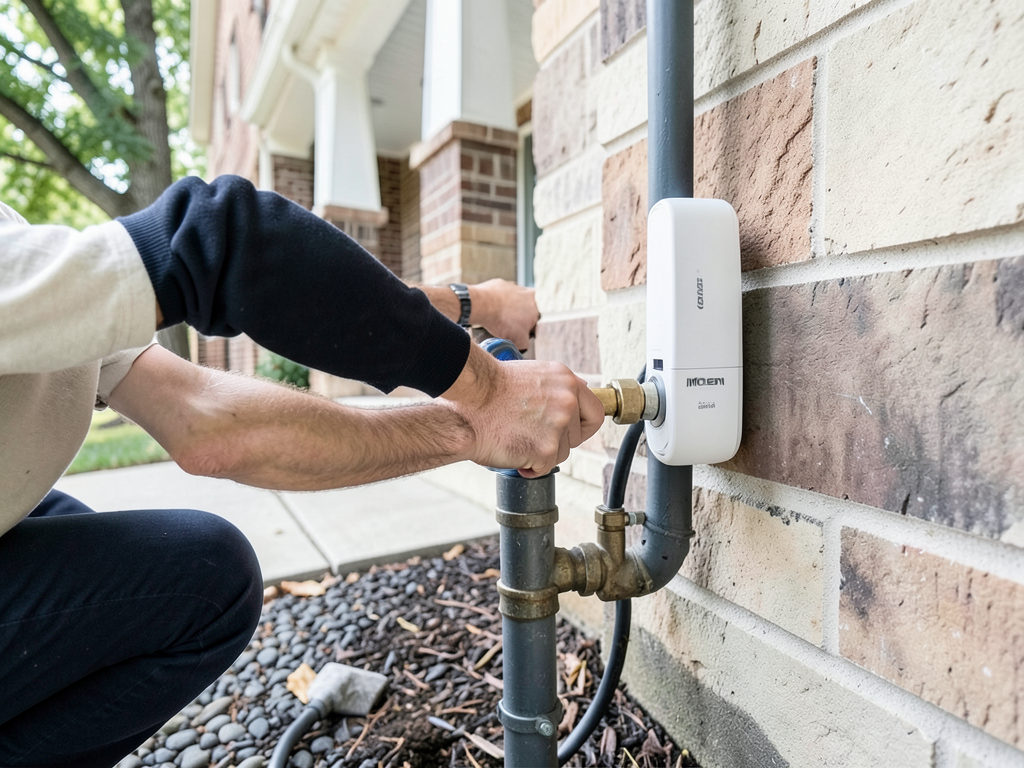
The Best Smart Leak Detectors to Prevent Water Damage in Ballantyne Water damage strikes Ballantyne homes every day from burst…

The Best Smart Leak Detectors to Prevent Water Damage in Ballantyne

The Best Smart Leak Detectors to Prevent Water Damage in Ballantyne Water damage strikes Ballantyne homes every day from burst…

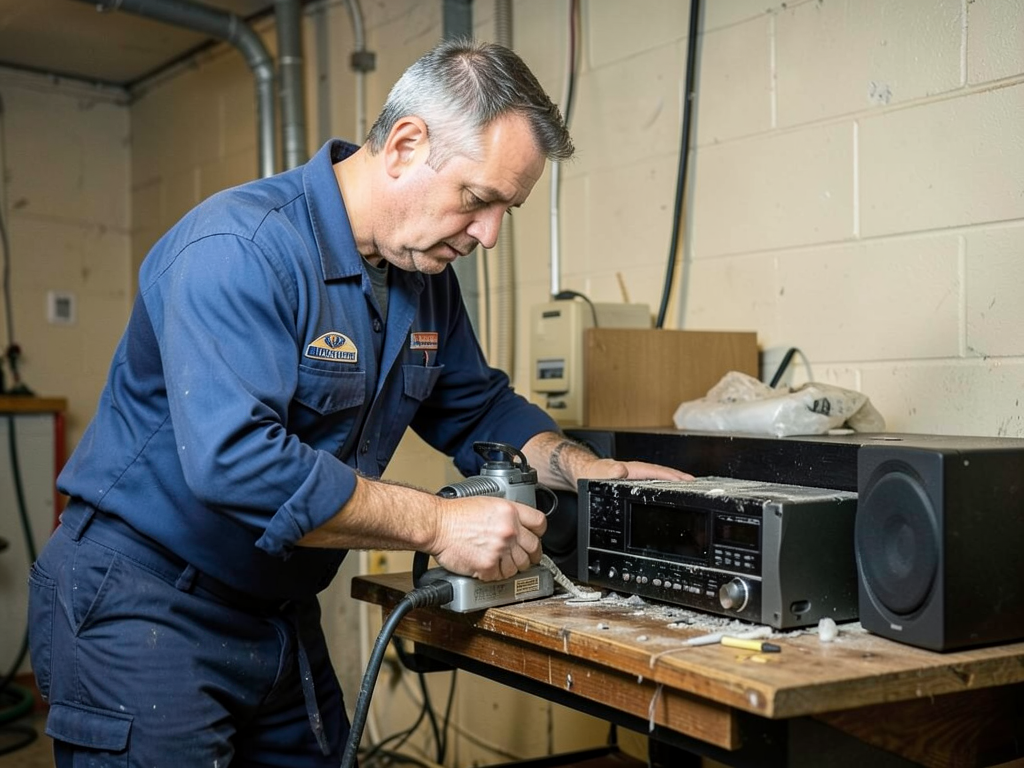
Safeguarding Expensive Home Theater Gear from Water Damage in Myers Park

Safeguarding Expensive Home Theater Gear from Water Damage in Myers Park Myers Park’s stately homes and finished basements create the…

Common Health Symptoms That Might Point to Hidden Water Damage in Your Home

Common Health Symptoms That Might Point to Hidden Water Damage in Your Home Water damage in your Charlotte home often…

Contact Us

Every hour of standing water increases restoration costs and extends downtime. Call (980) 342-9955 now for immediate deployment of high-capacity extraction systems. Our crew is ready to restore your facility and minimize business interruption.