
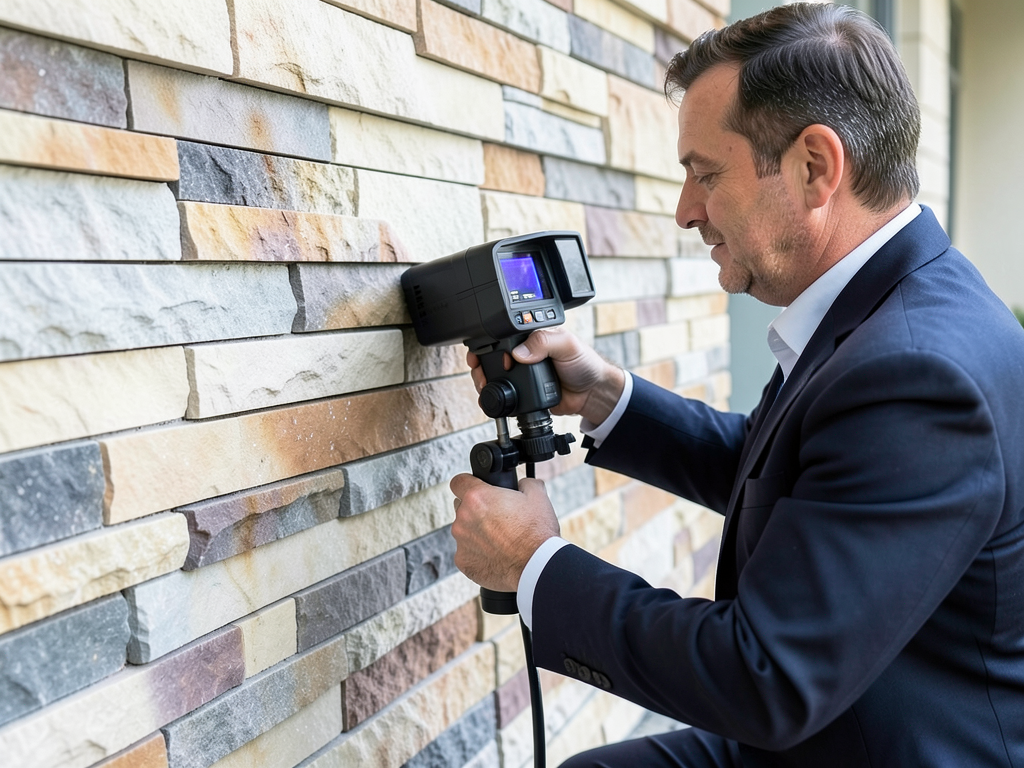
Modern stone veneer adds undeniable curb appeal to Hembstead homes, but when water finds its way behind that beautiful facade, it creates a silent disaster. In Charlotte’s humid climate, trapped moisture behind stone veneer accelerates wood rot, mold growth, and structural damage faster than most homeowners realize. This isn’t just about cosmetic issues—it’s about protecting your home’s integrity and your family’s health. Specialized Water Damage Restoration for Historic Homes in Dilworth.
The combination of Charlotte’s annual rainfall exceeding 43 inches and our clay-heavy soil creates perfect conditions for moisture problems. When stone veneer is improperly installed without adequate drainage planes or weep holes, water becomes trapped against your home’s sheathing. The result? Deteriorating wall systems that can cost thousands in repairs if left unaddressed. EPA Mold Guidelines.
Understanding the warning signs and knowing when to call professionals can mean the difference between a simple repair and a major restoration project. Let’s explore what causes these leaks, how to identify them, and what restoration actually involves for Hembstead properties.
Why Stone Veneer Leaks: The Technical Causes
Stone veneer systems fail when the fundamental principles of moisture management are ignored. The primary culprit is often the absence of a proper drainage plane—a critical 3/16-inch gap that allows water to escape rather than becoming trapped against the wall. Rapid Water Extraction and Drying for Properties Near Lake Norman.
Another common failure point is missing or improperly installed weep holes. These small openings at the bottom of the veneer installation are designed to let water drain out, but when omitted or blocked by mortar droppings during installation, they become useless. Charlotte’s frequent rain events then force water behind the stone where it has nowhere to go. Sump Pump Failure Cleanup and Repair in the Elizabeth Neighborhood.
Kick-out flashing at roof-to-wall transitions represents another critical vulnerability. Without this angled metal component, water running down the roof simply flows behind the veneer instead of being directed away from the wall. The North Carolina Residential Code (Section R703.7.3) specifically requires proper flashing at these transitions, yet many Hembstead homes built during the recent building boom missed this crucial detail. North Carolina Residential Code.
Finally, the lath and scratch coat application often creates problems. If the scratch coat isn’t properly cured before stone application, or if the mortar mix ratio is incorrect, the entire system becomes vulnerable to water infiltration. The clay soil common in Mecklenburg County expands when wet, putting additional pressure on foundation walls and creating hairline cracks that allow moisture entry. Water Damage Restoration Indian Trail.
5 Warning Signs of Moisture Intrusion
Detecting water behind stone veneer requires knowing what to look for. Here are the five most reliable indicators that moisture has compromised your veneer system:. Read more about Red Flags to Look for When Buying a Home with Water History in Barclay Downs.
- Efflorescence patterns – White, chalky deposits on the stone surface indicate water is moving through the masonry and leaving mineral salts behind. This crystalline growth typically appears after heavy rains and signals active moisture migration.
- Cracked or deteriorating mortar joints – When water repeatedly freezes and thaws behind the veneer, it expands and contracts, causing mortar to crack. In Charlotte’s climate, this freeze-thaw cycle may be less dramatic than northern states, but our humidity creates constant expansion that weakens joints over time.
- Interior baseboard damage – Water staining, warping, or soft spots along interior baseboards near exterior stone walls often indicates moisture has traveled through the wall assembly. This damage typically appears before visible exterior signs become obvious.
- Musty odors in adjacent rooms – Mold and mildew produce distinctive earthy smells when they colonize damp wall cavities. If you notice persistent musty odors near stone veneer walls, especially after rain, you likely have active moisture problems.
- Paint bubbling or peeling on interior walls – When water vapor from trapped moisture tries to escape through interior walls, it causes paint to lose adhesion. This bubbling typically occurs in patterns that correspond to the exterior stone placement.
The Impact of Charlotte’s Humidity on Masonry
Charlotte’s climate creates unique challenges for stone veneer installations that many contractors outside the region simply don’t understand. Our relative humidity often exceeds 70% during summer months, which means moisture doesn’t dry out quickly even when drainage systems are present.
The clay soil prevalent throughout Hembstead and surrounding areas compounds these issues. When this soil becomes saturated during our frequent afternoon thunderstorms, it expands and creates hydrostatic pressure against foundation walls. This pressure can force water through even microscopic cracks in mortar joints or around flashing details. Steps to Take After a Flood.
Additionally, Charlotte’s building patterns often involve slab-on-grade construction with minimal crawlspace ventilation. When water becomes trapped behind stone veneer in these configurations, there’s limited opportunity for natural drying. The moisture instead migrates toward the interior, creating perfect conditions for mold growth within wall cavities.. Read more about Preventing Attic Water Damage from Clogged HVAC Condensation Lines in Stallings.
Recent building code updates in Mecklenburg County now require enhanced moisture management systems for masonry veneer installations, including two-layer weather-resistant barriers and specific flashing requirements. However, many homes built before 2020 may not meet these current standards, leaving them vulnerable to the very problems we’re discussing.
Restoration vs. Repair: What is the Process?
When water damage behind stone veneer is discovered, homeowners often wonder whether they need a full restoration or if a simple repair will suffice. The answer depends on the extent of the damage and how long moisture has been present.
Professional Diagnostic Phase
The first step involves thermal imaging inspection to identify moisture patterns without destructive testing. Our FLIR thermal cameras detect temperature differences caused by trapped water, creating a map of affected areas. This non-invasive approach saves homeowners from unnecessary demolition while ensuring we identify all problem areas.
Moisture meters then verify the thermal imaging findings by measuring actual moisture content in wall materials. We test at multiple depths—surface, mid-wall, and near the sheathing—to understand how deeply moisture has penetrated. This diagnostic phase typically takes 2-3 hours but provides crucial data for planning the restoration.
Removal and Assessment
If moisture levels indicate significant damage, the stone veneer must be carefully removed. This isn’t a demolition project—it’s a surgical process where stones are numbered and removed systematically to preserve as much material as possible for potential reuse.
Once the veneer is removed, we assess the substrate. Common findings include rotted OSB sheathing, rusted metal studs, and mold colonization on wood framing. The IICRC S500 standard guides our assessment, ensuring we identify all Category 2 or 3 water damage that requires specific remediation protocols.
Drying and Remediation
Professional drying involves industrial-grade dehumidifiers and air movers strategically placed to create optimal drying conditions. We monitor moisture levels daily using penetrating moisture meters until materials reach acceptable drying standards—typically 12-16% moisture content for wood framing.
Mold remediation follows if contamination is present. This involves HEPA vacuuming, antimicrobial treatment, and in some cases, removal of affected materials. The goal is restoring the area to Condition 1 (normal fungal ecology) as defined by the IICRC S520 standard.
Reconstruction and Prevention
The reconstruction phase incorporates lessons learned from the failure. We install proper drainage planes, ensure adequate weep holes, and use high-quality flashing materials. Many homeowners opt to upgrade to current building code standards, which include two-layer weather-resistant barriers and improved flashing details.
The final step involves reinstalling the stone veneer using proper techniques and materials. When done correctly, the restored system should provide decades of trouble-free service—assuming proper maintenance is performed.
Costs and Prevention
The cost of addressing stone veneer leaks varies dramatically based on damage extent. Minor repairs involving flashing replacement and mortar patching might cost $1,500-$3,000. However, full restoration projects where structural damage is present typically range from $8,000-$15,000, with severe cases exceeding $20,000.. Read more about Evaluating Structural Risks Caused by Long Term Chimney Leaks in Fourth Ward.
Prevention remains the most cost-effective approach. Annual inspections by qualified professionals can identify developing problems before they require major restoration. Key preventive measures include:
- Checking and cleaning weep holes annually
- Inspecting flashing details after severe storms
- Monitoring interior walls for early warning signs
- Ensuring proper grading directs water away from foundation walls
- Maintaining gutters and downspouts to prevent overflow
Many homeowners insurance policies cover sudden and accidental water damage but may exclude damage from long-term moisture intrusion or construction defects. Understanding your coverage before problems arise can prevent financial surprises.
Charlotte’s building departments have become increasingly vigilant about moisture management in veneer systems, particularly after several high-profile failures in newer developments. If you’re building new or renovating, ensure your contractor follows current North Carolina Residential Code requirements for adhered masonry veneer.. Read more about How to Hire a Mold Inspector After Purchasing an As-Is Property in Druid Hills.
Frequently Asked Questions
How can I tell if my stone veneer has water damage without tearing it down?
Professional thermal imaging and moisture meters can detect hidden moisture patterns without destructive testing. Look for warning signs like efflorescence, interior wall damage, or musty odors near exterior stone walls.
Is stone veneer leak damage covered by homeowners insurance?
Coverage depends on the cause. Sudden pipe bursts are typically covered, but long-term moisture intrusion from installation defects may be excluded. Review your policy and consider professional assessment if you suspect problems.
How long does stone veneer restoration take?
Minor repairs take 1-2 days. Full restoration involving moisture remediation and structural repairs typically requires 1-2 weeks, depending on damage extent and weather conditions.
Can the original stone be reused during restoration?
Yes, in most cases. Professional removal involves numbering and cataloging stones for reuse. This approach saves money and maintains the original aesthetic while addressing underlying moisture problems.
What building code changes affect stone veneer installations?
Mecklenburg County now requires two-layer weather-resistant barriers, specific flashing details, and enhanced drainage requirements for masonry veneer. Homes built before 2020 may not meet these current standards.
You may also find this helpful. Why Bleach is the Wrong Choice for Removing Mold from Villa Heights Drywall.
{
“@context”: “https://schema.org”,
“@type”: “BlogPosting”,
“headline”: “Investigating Hidden Water Leaks Behind Modern Stone Veneer in Hembstead”,
“description”: “Discover how hidden water leaks behind stone veneer damage Hembstead homes. Learn diagnostic signs, restoration processes, and Charlotte-specific moisture solutions from local experts.”,
“wordCount”: 1593,
“datePublished”: “2026-04-30T15:54:00.000Z”,
“dateModified”: “2026-04-30T15:54:00.000Z”,
“inLanguage”: “en-US”,
“mainEntityOfPage”: {
“@type”: “WebPage”,
“@id”: “https://cornerstonewaterdamagerestorationcharlotte.com”
},
“publisher”: {
“@type”: “LocalBusiness”,
“name”: “Cornerstone Water Damage Restoration Charlotte”,
“url”: “https://cornerstonewaterdamagerestorationcharlotte.com”
},
“author”: {
“@type”: “Organization”,
“name”: “Cornerstone Water Damage Restoration Charlotte”,
“url”: “https://cornerstonewaterdamagerestorationcharlotte.com”
},
“image”: {
“@type”: “ImageObject”,
“url”: “https://cornerstonewaterdamagerestorationcharlotte.com/wp-content/uploads/2026/03/investigating-hidden-water-leaks-behind-modern-sto-1.png”
}
}
{
“@context”: “https://schema.org”,
“@type”: “LocalBusiness”,
“name”: “Cornerstone Water Damage Restoration Charlotte”,
“url”: “https://cornerstonewaterdamagerestorationcharlotte.com”,
“address”: {
“@type”: “PostalAddress”,
“addressLocality”: “Charlotte”
},
“areaServed”: {
“@type”: “City”,
“name”: “Charlotte”
}
}
{
“@context”: “https://schema.org”,
“@type”: “FAQPage”,
“mainEntity”: [
{
“@type”: “Question”,
“name”: “Restoration vs. Repair: What is the Process?”,
“acceptedAnswer”: {
“@type”: “Answer”,
“text”: “When water damage behind stone veneer is discovered, homeowners often wonder whether they need a full restoration or if a simple repair will suffice. The answer depends on the extent of the damage and how long moisture has been present.”
}
},
{
“@type”: “Question”,
“name”: “How can I tell if my stone veneer has water damage without tearing it down?”,
“acceptedAnswer”: {
“@type”: “Answer”,
“text”: “Professional thermal imaging and moisture meters can detect hidden moisture patterns without destructive testing. Look for warning signs like efflorescence, interior wall damage, or musty odors near exterior stone walls.”
}
},
{
“@type”: “Question”,
“name”: “Is stone veneer leak damage covered by homeowners insurance?”,
“acceptedAnswer”: {
“@type”: “Answer”,
“text”: “Coverage depends on the cause. Sudden pipe bursts are typically covered, but long-term moisture intrusion from installation defects may be excluded. Review your policy and consider professional assessment if you suspect problems.”
}
},
{
“@type”: “Question”,
“name”: “How long does stone veneer restoration take?”,
“acceptedAnswer”: {
“@type”: “Answer”,
“text”: “Minor repairs take 1-2 days. Full restoration involving moisture remediation and structural repairs typically requires 1-2 weeks, depending on damage extent and weather conditions.”
}
},
{
“@type”: “Question”,
“name”: “Can the original stone be reused during restoration?”,
“acceptedAnswer”: {
“@type”: “Answer”,
“text”: “Yes, in most cases. Professional removal involves numbering and cataloging stones for reuse. This approach saves money and maintains the original aesthetic while addressing underlying moisture problems.”
}
},
{
“@type”: “Question”,
“name”: “What building code changes affect stone veneer installations?”,
“acceptedAnswer”: {
“@type”: “Answer”,
“text”: “Mecklenburg County now requires two-layer weather-resistant barriers, specific flashing details, and enhanced drainage requirements for masonry veneer. Homes built before 2020 may not meet these current standards.”
}
}
]
}
{
“@context”: “https://schema.org”,
“@type”: “BreadcrumbList”,
“itemListElement”: [
{
“@type”: “ListItem”,
“position”: 1,
“name”: “Home”,
“item”: “https://cornerstonewaterdamagerestorationcharlotte.com”
},
{
“@type”: “ListItem”,
“position”: 2,
“name”: “Blog”,
“item”: “https://cornerstonewaterdamagerestorationcharlotte.com/blog”
},
{
“@type”: “ListItem”,
“position”: 3,
“name”: “Investigating Hidden Water Leaks Behind Modern Stone Veneer in Hembstead”
}
]
}
{
“@context”: “https://schema.org”,
“@type”: “Service”,
“serviceType”: “Water Damage Restoration”,
“provider”: {
“@type”: “LocalBusiness”,
“name”: “Cornerstone Water Damage Restoration Charlotte”,
“url”: “https://cornerstonewaterdamagerestorationcharlotte.com”
},
“areaServed”: {
“@type”: “City”,
“name”: “Charlotte”
},
“description”: “Discover how hidden water leaks behind stone veneer damage Hembstead homes. Learn diagnostic signs, restoration processes, and Charlotte-specific moisture solutions from local experts.”
}