




Menu

Hidden Moisture Detection in Charlotte – Stop Structural Damage Before It Spreads

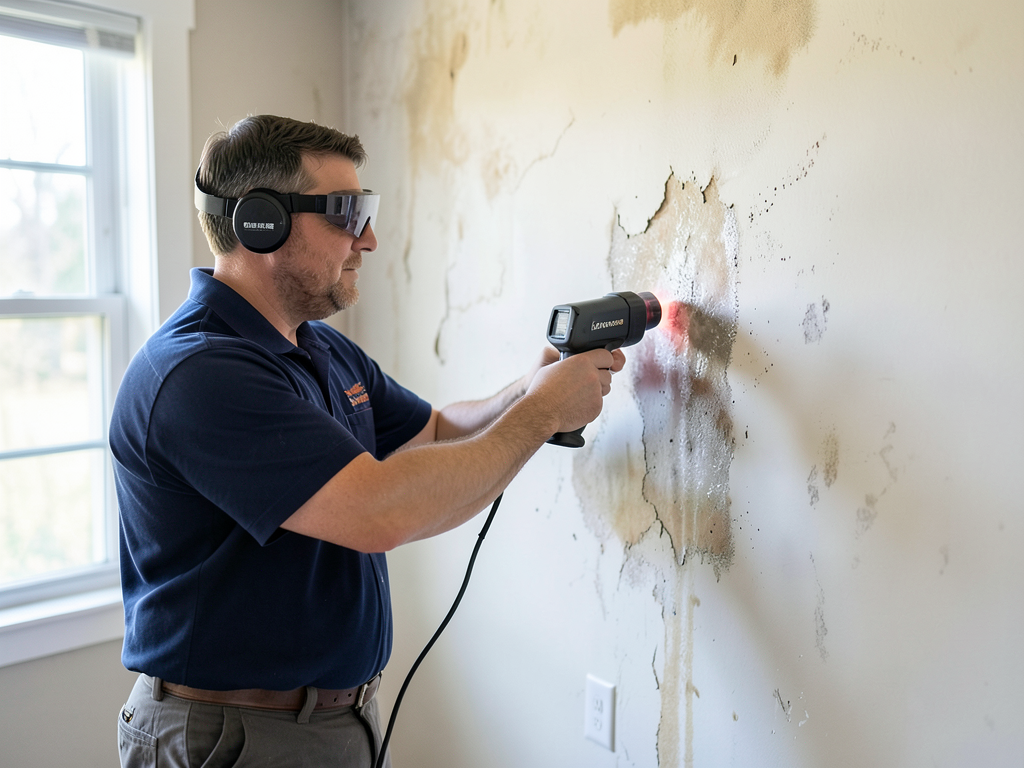
Advanced thermal imaging and moisture mapping technology pinpoints trapped water behind walls, under floors, and in ceilings before hidden moisture detection failures lead to mold growth or framework rot in your Charlotte property.

Slider Image 1
Slider Image 2
Slider Image 3
Slider Image 4
Slider Image 5
Slider Image 7
Slider Image 8
Slider Image 9
Slider Image 10
Slider Image 11

Why You Cannot See the Real Water Damage Problem

You notice a water stain on your ceiling. The drywall feels dry to the touch. You assume the problem fixed itself. Three months later, you are staring at black mold and a structural repair estimate that makes your stomach drop.

This happens constantly in Charlotte homes and commercial buildings. A roof leak during a summer thunderstorm sends water into wall cavities. High humidity levels throughout spring and fall keep that moisture trapped. The surface dries in days. The framing stays wet for months.

Detecting invisible leaks requires technology, not guesswork. Water follows the path of least resistance. It runs down studs, pools on top of vapor barriers, and saturates insulation you cannot see. By the time you smell mildew or see visible damage, the destruction already spread through multiple wall bays or ceiling joists.

Finding trapped water early prevents catastrophic damage. You stop mold before it colonizes. You save structural members before they rot. You avoid insurance headaches and displacement.

Charlotte's humid subtropical climate makes this worse. Summer dew points above 70 degrees mean materials dry slowly. Older homes in Dilworth and Myers Park have plaster walls that hide water damage for weeks. Newer construction in Ballantyne uses engineered lumber that degrades faster when wet.

Locating concealed dampness is not optional if you experienced any water intrusion event. A slow dishwasher leak, an ice maker line failure, or roof damage from a wind-driven rain all create the same risk. You need confirmation that all affected materials dried completely, or you need to know exactly where the moisture remains so you can address it correctly.

Why You Cannot See the Real Water Damage Problem
How Professional Moisture Detection Actually Works

How Professional Moisture Detection Actually Works

We use three technologies to map moisture you cannot see.

Thermal imaging cameras detect temperature differentials. Wet materials show cooler surface temperatures than dry materials because evaporation creates a cooling effect. We scan walls, ceilings, and floors to identify suspect areas. The camera displays a heat signature map that reveals moisture patterns invisible to the naked eye.

Once we identify suspect areas, we use pin-type and pinless moisture meters to quantify moisture content. Pin meters penetrate surface materials to measure electrical resistance. Higher moisture increases conductivity, giving us precise readings at specific depths. Pinless meters use radiofrequency to scan larger areas without creating holes. We cross-reference both to eliminate false positives from metal fasteners or electrical wiring.

For complex situations like slab leaks or concealed plumbing failures, we deploy acoustic leak detection equipment. This technology amplifies the sound of water escaping from pressurized lines. We listen through concrete, tile, and framing to pinpoint the exact leak location before breaking into walls or floors.

Identifying unseen water intrusion means we test all adjacent areas, not just the obvious damage zone. Water migrates laterally and vertically. A bathroom leak on the second floor often saturates first-floor ceiling cavities. We check above, below, and to both sides of any confirmed moisture to establish the full scope of damage.

Cornerstone Water Damage Restoration Charlotte combines these detection methods with building science knowledge specific to Charlotte construction. We know where builders typically install vapor barriers. We understand how water behaves in crawlspaces with Charlotte's red clay soil. We account for HVAC ductwork that creates thermal bridges and condensation risks.

This systematic approach eliminates the guesswork. You get a detailed moisture map, documented readings, and a clear remediation scope. No assumptions. No missed damage. No surprises three months later.

What Happens During Your Moisture Detection Inspection

Hidden Moisture Detection in Charlotte – Stop Structural Damage Before It Spreads
01

Initial Visual Assessment

We start by documenting all visible damage and interviewing you about the water intrusion timeline. We need to know when the event occurred, what got wet, and what actions you already took. We inspect the affected area and all adjacent spaces, looking for staining, efflorescence, material deformation, or odor. This establishes our investigation perimeter and helps us anticipate where hidden moisture likely traveled based on your building's construction type and the water source location.
02

Thermal and Moisture Scanning

We perform systematic thermal imaging across all suspect surfaces, documenting temperature anomalies with photographs and written notes. Every cool spot gets tested with moisture meters to confirm actual moisture content versus thermal variation from insulation gaps or air leaks. We take baseline readings in unaffected areas for comparison. For walls, we test at multiple heights because moisture settles. For ceilings, we check insulation above drywall. We mark all wet areas with tape or chalk to create a visual damage map.
03

Documentation and Remediation Plan

You receive a written report with moisture readings, thermal images, and our professional assessment of damage extent. We explain which materials can dry in place and which require removal. We identify any secondary damage risks like mold growth potential or structural concerns. You get a clear remediation plan with timeline estimates and equipment requirements. If you need this for insurance, we provide documentation that meets adjuster requirements. You know exactly what needs to happen next, with no guesswork about hidden problems.

Why Charlotte Property Owners Trust Our Detection Methods

Generic water damage companies rely on moisture meters and guesswork. They test the obvious wet spots, miss the concealed damage, and leave you with incomplete drying. Six weeks later, you smell mold.

We built our detection protocols around Charlotte-specific construction challenges. Homes in established neighborhoods like Plaza Midwood and NoDa often have additions built over crawlspaces with inadequate vapor barriers. Moisture wicks up through floor joists into wall cavities. You need technicians who understand this building pattern and know to check subfloor moisture even when the water source was a roof leak.

Commercial properties face different risks. The mixed-use buildings along South End and South Boulevard have retail on the first floor and apartments above. A toilet supply line failure on the third floor can saturate the second-floor unit and damage the retail ceiling below. We trace the water path through multi-family construction, testing all potentially affected units to establish the full damage scope for property managers.

Our thermal imaging equipment detects problems standard methods miss. We have found active roof leaks in buildings where property owners thought they had a resolved issue. The surface dried, but water continued entering wall cavities during every rain event. Spotting hidden water damage prevented tens of thousands in structural repairs.

We also understand local building codes and insurance requirements. Charlotte requires proper permitting for structural repairs. If we find damage that needs framework replacement, we document it correctly for permit applications. Insurance adjusters in Mecklenburg County expect specific documentation formats. We provide moisture maps, detailed loss descriptions, and equipment logs that adjusters accept without argument.

You are not paying for a basic moisture check. You are getting building forensics from technicians who understand how water behaves in Charlotte's climate and construction types. That expertise prevents incomplete repairs and recurring damage.

What You Get From Professional Moisture Detection

Response Time and Availability

We dispatch to Charlotte properties within two hours of your call for emergency situations. For non-emergency moisture investigations, we schedule appointments within 24 hours. The inspection itself takes one to three hours depending on property size and damage extent. You receive preliminary findings on-site, with a written report delivered within 24 hours. If you need immediate water extraction or emergency mitigation, we mobilize equipment during the same visit. Speed matters because moisture damage accelerates every day you wait. Mold colonies establish in 48 to 72 hours under the right conditions. We prevent that timeline from starting.

Comprehensive Damage Assessment

Our inspection covers all potentially affected areas, not just the obvious damage location. We test above, below, and adjacent to confirmed moisture. You receive exact moisture content readings for all affected materials, thermal images showing temperature differentials, and marked boundaries of the wet area. We identify which building materials require removal versus drying in place. You learn about any secondary concerns like insulation saturation, electrical hazards from wet wiring, or HVAC ductwork condensation. The assessment includes written documentation formatted for insurance claims if needed. You know the complete damage scope before any work begins.

Accurate Remediation Scope

You receive a detailed remediation plan based on actual conditions, not assumptions. We specify which materials need removal, what drying equipment is required, and realistic timelines for complete moisture normalization. For insurance work, we provide line-item estimates that match industry standards adjusters expect. You avoid both under-remediation that leaves hidden damage and over-remediation that wastes money on unnecessary demolition. The plan accounts for Charlotte building codes and permit requirements where applicable. You get professional guidance on whether repairs need licensed contractors or if restoration work suffices. No surprises. No change orders for hidden damage we should have found initially.

Post-Remediation Verification

After remediation completes, we perform verification testing to confirm all materials returned to normal moisture levels. You receive final moisture readings and clearance documentation proving the job finished correctly. For mold-risk situations, we can coordinate third-party clearance testing if your insurance or situation requires it. We provide maintenance guidance specific to your property type and the failure that caused the damage. You learn what to monitor and when to call for help if you notice recurring issues. This verification prevents callback situations where moisture persists and damage continues after you paid for remediation.

Frequently Asked Questions

You Have Questions,
We Have Answers

Why does my phone say moisture detected when there is no moisture? +

Your phone triggers moisture alerts due to residual condensation in the charging port, even when no visible water is present. Charlotte's high humidity causes this frequently, especially during summer months when you move between air-conditioned spaces and outdoor heat. Tiny water droplets accumulate in the port and take time to evaporate. Lint, dust, or corrosion can also trigger false positives. Turn off your phone, gently shake out the port, and use compressed air to clear debris. Let it sit in a dry area for 30 minutes. If the alert persists after drying, the sensor may be damaged and need professional repair.

Is there a tool to detect moisture in walls? +

Yes. Moisture meters are the primary tool for detecting water inside walls. Pin-type meters use metal probes that penetrate drywall to measure moisture content directly. Pinless meters use electromagnetic waves to scan surfaces without causing damage. Infrared thermal cameras detect temperature differences that indicate wet areas, which is useful for tracing hidden leaks behind finished walls. Professional restoration companies in Charlotte use all three tools during inspections. You can buy basic moisture meters at hardware stores for around $30 to $150, but professional-grade equipment provides more accurate readings and helps pinpoint the exact source of intrusion in your home.

How to find where moisture is coming from in a house? +

Start by identifying visible clues like water stains, peeling paint, warped flooring, or musty odors. Check common failure points first including roof penetrations, window seals, HVAC drain lines, and crawl space vents. Charlotte homes face moisture intrusion from severe summer thunderstorms and foundation issues related to clay soil expansion. Use a moisture meter to scan walls near suspected areas. Check your attic after heavy rain and inspect crawl spaces for standing water or condensation on HVAC ducts. If you cannot locate the source, contact a water damage restoration professional who uses thermal imaging and specialized detection equipment to trace hidden leaks.

How to tell if water is behind drywall? +

Look for visual signs like discoloration, bubbling paint, soft spots when you press the wall, or a musty smell. Water-damaged drywall often feels cooler to the touch than surrounding dry areas. Tap the wall and listen for a dull thud instead of a hollow sound, which indicates saturation. Use a moisture meter by placing it against the drywall in multiple spots to compare readings. Readings above 1% indicate moisture presence. In Charlotte's humid climate, condensation can mimic leak damage, so check during different times of day. If you find elevated moisture levels, identify and fix the source immediately to prevent mold growth.

How do I bypass the moisture detection? +

Do not bypass moisture detection alerts on your phone or devices. The warning exists to prevent electrical shorts, battery damage, and potential fire hazards. Forcing a charge while moisture is present can corrode internal components and void your warranty. Instead, address the actual problem by thoroughly drying the charging port using compressed air or placing the device in a dry location with good airflow. Rice does not effectively pull moisture from electronics. If you need to charge urgently, use wireless charging if your device supports it. The alert will clear automatically once the sensor detects safe moisture levels, typically within a few hours.

Will the moisture detection go away on its own? +

Phone moisture detection alerts typically clear within 30 minutes to a few hours once the port dries completely. Charlotte's humidity can slow evaporation, extending this timeframe. The alert disappears automatically when the sensor reads safe moisture levels. However, moisture inside walls or building materials will not resolve on its own. Water trapped in drywall, insulation, or framing requires active drying using dehumidifiers, air movers, and sometimes removal of damaged materials. Ignoring building moisture leads to mold growth within 24 to 48 hours, structural damage, and costly repairs. Address water intrusion immediately rather than waiting for natural evaporation in humid climates.

How to tell if moisture is behind the wall? +

Check for surface indicators including discoloration, staining, bubbling or peeling paint, wallpaper lifting at seams, or baseboards separating from the wall. Use your hand to feel for cool, damp spots or soft areas that compress when pressed. Musty odors signal trapped moisture even without visible damage. A moisture meter provides definitive confirmation by measuring water content inside the wall cavity. Thermal imaging cameras reveal temperature variations that pinpoint wet areas behind finishes. Charlotte homes with crawl spaces or older HVAC systems face higher risk from condensation and hidden plumbing leaks. If readings exceed 1%, investigate the source immediately to prevent mold and structural deterioration.

How long can drywall be wet before mold? +

Mold can begin growing on wet drywall within 24 to 48 hours under ideal conditions. Charlotte's warm, humid climate accelerates this timeline significantly. Temperature above 70 degrees and relative humidity above 60% create perfect mold growth conditions, which describes most Charlotte summers. The paper facing on drywall provides an excellent food source for mold spores. If water damage occurs, you have a narrow window to dry materials completely before contamination starts. Use fans, dehumidifiers, and increase airflow immediately. If drywall stays wet beyond 48 hours, removal and replacement is often necessary to prevent hidden mold colonies from developing inside wall cavities.

What do home inspectors use to detect moisture? +

Home inspectors use moisture meters as their primary detection tool. Pin-type meters penetrate surfaces to measure moisture content in wood, drywall, and other materials. Pinless meters scan without causing damage, which is preferred for finished surfaces. Many inspectors also use infrared thermal imaging cameras to identify temperature variations that indicate hidden water intrusion, poor insulation, or active leaks. These tools help detect problems behind walls, under floors, and in crawl spaces without destructive testing. In Charlotte, inspectors pay close attention to crawl space moisture, HVAC condensation issues, and roof leak indicators given the area's humidity and frequent summer storms. Professional restoration companies use similar equipment during water damage assessments.

How can you tell if there is mold behind drywall? +

Mold behind drywall produces distinct warning signs even when hidden from view. Look for surface discoloration, dark spots, or staining that bleeds through paint. A persistent musty, earthy odor indicates active mold growth in wall cavities. Paint may bubble or peel, and wallpaper often loosens at seams. You might notice increased allergy symptoms or respiratory irritation when spending time in affected rooms. Use a moisture meter to check for elevated readings, which confirm conditions favorable for mold. Thermal imaging reveals cooler areas where moisture accumulates. If you suspect hidden mold growth, contact a professional for proper assessment. Cutting into walls without containment spreads spores throughout your Charlotte home.

How Charlotte's Humidity and Thunderstorm Patterns Increase Hidden Moisture Risks

Charlotte averages 43 inches of annual rainfall with summer thunderstorms that dump two inches in an hour. That rapid water volume overwhelms gutters and finds every weak point in building envelopes. The humidity stays elevated for days after storms, slowing evaporation rates. Materials that would dry in three days in arid climates stay wet for a week here. Crawlspaces under homes throughout Mecklenburg County trap moisture because the red clay soil has poor drainage. Water pools under homes, creating constant vapor pressure against floor joists and subflooring. You cannot see this moisture without proper detection equipment, but it causes rot and mold growth continuously.

Charlotte properties need restoration technicians who understand local construction methods and environmental factors. Homes built before 1980 often lack adequate vapor barriers. The mixed construction styles across neighborhoods from historic Fourth Ward to newer developments in University City require different inspection approaches. Cornerstone Water Damage Restoration Charlotte trains specifically on regional building practices and common failure points. We know which roof designs handle our thunderstorm patterns poorly. We understand how HVAC systems sized for our cooling loads create condensation risks. This local knowledge means we find concealed moisture problems other companies miss because they use generic checklists instead of Charlotte-specific building science.
Water Damage Restoration Services in The Charlotte Area

Cornerstone is proud to serve Charlotte and the surrounding areas, providing rapid and reliable water damage restoration services when you need them most. Our commitment extends to ensuring properties across our service region receive expert care. You can find our main office located conveniently, allowing us to quickly dispatch our teams to your location and address your water damage emergencies with efficiency and professionalism. We are always ready to assist you.

Address:
Cornerstone Water Damage Restoration Charlotte, 222 Baldwin Ave, Charlotte, NC, 28204

Additional Services We Offer

Our news updates

Latest Articles & News from The Blogs

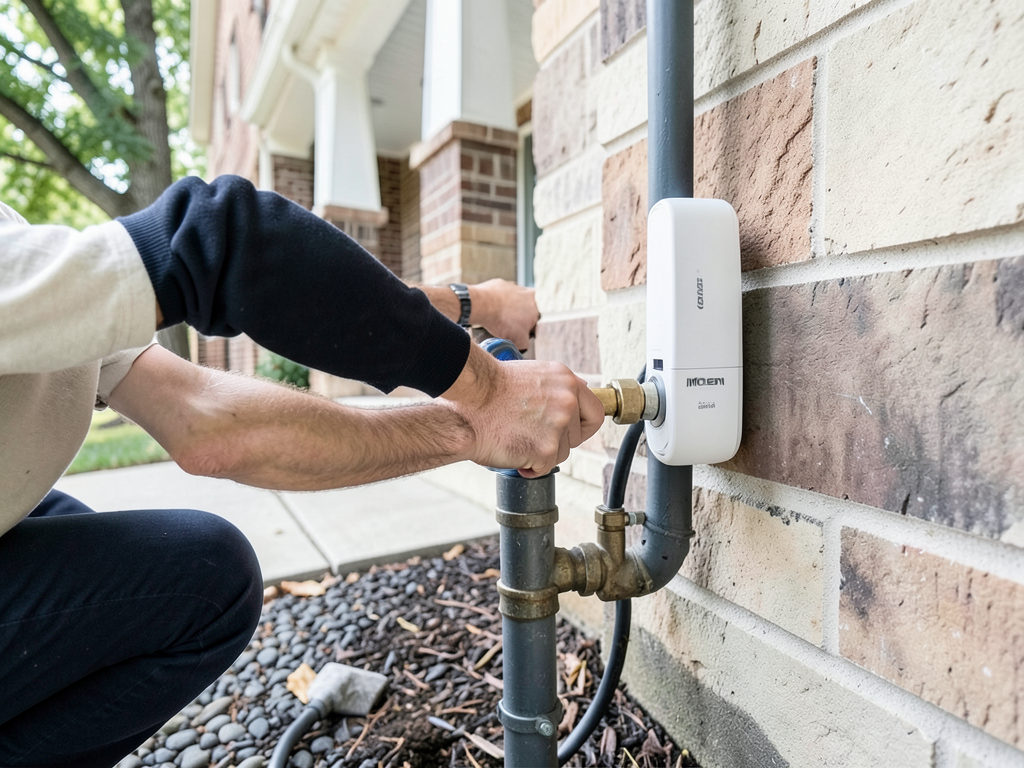
The Best Smart Leak Detectors to Prevent Water Damage in Ballantyne Water damage strikes Ballantyne homes every day from burst…

The Best Smart Leak Detectors to Prevent Water Damage in Ballantyne

The Best Smart Leak Detectors to Prevent Water Damage in Ballantyne Water damage strikes Ballantyne homes every day from burst…

Safeguarding Expensive Home Theater Gear from Water Damage in Myers Park

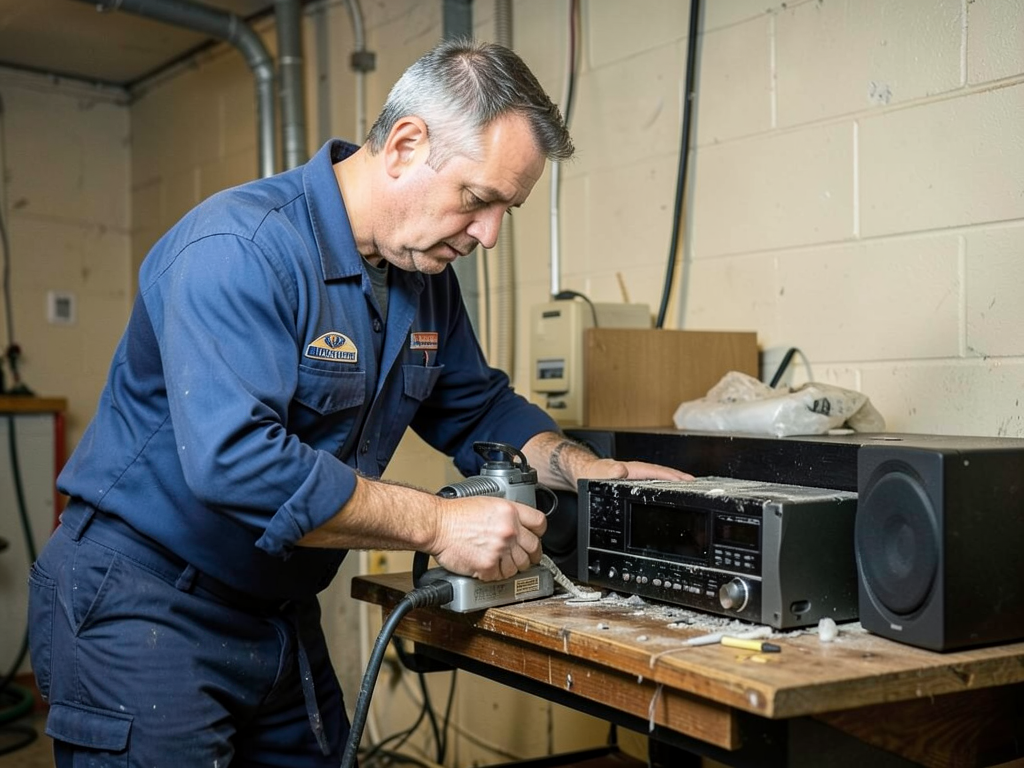
Safeguarding Expensive Home Theater Gear from Water Damage in Myers Park Myers Park’s stately homes and finished basements create the…

Common Health Symptoms That Might Point to Hidden Water Damage in Your Home

Common Health Symptoms That Might Point to Hidden Water Damage in Your Home Water damage in your Charlotte home often…

Contact Us

Do not wait for visible mold or structural damage. Call Cornerstone Water Damage Restoration Charlotte at (980) 342-9955 right now. We will dispatch a certified technician to map all hidden moisture in your property and provide a clear remediation plan. Stop the damage before it spreads.