




Menu

Hardwood Floor Water Damage in Charlotte – Expert Restoration That Saves Your Floors and Your Home Value

Cornerstone Water Damage Restoration Charlotte specializes in rescuing water damaged wood floors using advanced moisture mapping and controlled drying techniques that prevent permanent warping, cupping, and structural failure in homes across the Charlotte metro.

Slider Image 1
Slider Image 2
Slider Image 3
Slider Image 4
Slider Image 5
Slider Image 7
Slider Image 8
Slider Image 9
Slider Image 10
Slider Image 11

Why Charlotte Hardwood Floors Fail After Water Exposure

Charlotte's humid subtropical climate creates the perfect conditions for hardwood floor cupping and moisture retention. When water damaged wood floors sit in our region's 70 percent average humidity, the damage accelerates. Your oak, maple, or pine flooring absorbs moisture from below and above, swelling at different rates and creating the telltale cup shape that signals serious trouble.

The clay-heavy soil throughout Mecklenburg County compounds the problem. When foundation drainage fails or plumbing leaks occur, water pools under your subfloor. The trapped moisture wicks upward through the wood, creating wet hardwood flooring that buckles, crowns, and delaminates. You see the surface damage, gaps between planks, or dark staining, but the structural compromise runs deeper.

Most homeowners wait too long. You notice a damp spot near the dishwasher or a dark patch by the bathroom. Days pass. The visible damage spreads. By the time you call for help, the moisture content in your flooring has climbed past the 12 percent threshold where permanent damage begins. Wood floor water damage repair becomes more complex and costly because the moisture has penetrated the tongue-and-groove joints and reached the subfloor.

Charlotte's spring storms and summer thunderstorms drive emergency calls. A burst pipe, failed water heater, or roof leak saturates hundreds of square feet in minutes. Drying hardwood floors requires precision. Pull the water too fast, and the wood cracks. Leave moisture trapped in the subfloor, and mold colonizes within 48 hours. The window for saving your investment is narrow.

Why Charlotte Hardwood Floors Fail After Water Exposure
How We Restore Water Damaged Hardwood Without Replacement

How We Restore Water Damaged Hardwood Without Replacement

Cornerstone Water Damage Restoration Charlotte uses moisture meter readings and thermal imaging to map exactly where water has penetrated your flooring system. We take readings at multiple depths, checking the surface, core, and subfloor moisture content. This diagnostic phase determines whether your hardwood floor cupping is reversible or if sections require replacement.

We deploy commercial-grade dehumidifiers and air movers in a calculated pattern based on your floor layout and moisture readings. The equipment creates controlled airflow that pulls moisture from the wood without over-drying. We monitor the drying curve every four to six hours, adjusting equipment placement as moisture levels drop. This prevents the secondary damage that happens when restoration crews use a one-size-fits-all approach.

For wet hardwood flooring with trapped subsurface moisture, we use injection drying systems. These tools force warm, dry air between the flooring and subfloor, targeting moisture that surface drying cannot reach. We also assess your HVAC system and crawlspace conditions, because ambient humidity will rehydrate your floors if the environment is not controlled.

Cupped floors often flatten as they dry, but the process takes weeks. We document moisture content daily and explain the recovery timeline. Some boards will return to their original profile. Others require sanding and refinishing after they stabilize. We provide wood floor water damage repair recommendations based on the actual condition of your flooring, not a generic script.

Insurance claims require documentation. We photograph damage, log moisture readings, and provide detailed estimates that align with Xactimate pricing. Our reports give your adjuster the technical justification needed to approve the scope of work.

What Happens During Hardwood Floor Water Damage Restoration

Hardwood Floor Water Damage in Charlotte – Expert Restoration That Saves Your Floors and Your Home Value
01

Emergency Water Extraction

We arrive within 90 minutes of your call and immediately extract standing water using truck-mounted pumps and portable extraction units. Speed matters. Every minute water sits on your hardwood increases absorption depth. We remove baseboards and transition strips to access edges where water pools. Our team checks subfloor access points in closets and under appliances to assess hidden saturation that will cause problems later.
02

Controlled Structural Drying

We position dehumidifiers and air movers based on your floor's moisture map, not guesswork. High-velocity fans create airflow across the wood surface while dehumidifiers drop the ambient humidity to 30-40 percent. We monitor your flooring's moisture content twice daily using pin-type and pinless meters. Drying hardwood floors correctly takes three to seven days depending on saturation depth. We adjust equipment and document progress to prevent over-drying and cracking.
03

Post-Drying Assessment and Repair

After your floors reach equilibrium moisture content, we evaluate which boards recovered and which require replacement. Cupping often reverses, but crowning and delamination are permanent. We coordinate with flooring contractors for sanding, refinishing, or board replacement. You receive a final moisture report showing your floors have returned to the 6-9 percent moisture content standard for Charlotte's climate. This documentation protects you if issues emerge later.

Why Charlotte Homeowners Choose Cornerstone for Hardwood Floor Restoration

We understand the specific flooring types common in Charlotte homes. The historic Dilworth and Myers Park neighborhoods feature original heart pine and oak flooring from the 1920s. These older floors have different moisture tolerances than modern prefinished hardwood. We adjust our drying protocols based on your floor's age, species, and finish type.

Our team knows how Charlotte's building codes affect restoration work. Any structural drying that involves subfloor removal or joist repair must meet current IRC standards. We coordinate inspections when required and ensure all work is documented for permitting. This protects your home's resale value and keeps you compliant.

Insurance companies trust our documentation. We use the same estimating software as major carriers and provide line-item breakdowns that match industry standards. Our moisture logs and photographic evidence give adjusters the proof they need to approve claims without endless back-and-forth. You get faster claim resolution and fewer coverage disputes.

We operate 24 hours a day because water damage does not wait for business hours. A 2 AM pipe burst gets the same response time as a noon washing machine overflow. Our dispatch system routes the closest crew to your location, whether you are in South End, Ballantyne, or University City. We carry enough equipment to handle whole-house flooding, not just small leaks.

Cornerstone Water Damage Restoration Charlotte employs IICRC-certified technicians trained in structural drying and moisture science. We do not send undertrained laborers to your home. Every crew member understands psychrometry, vapor pressure, and the specific challenges of drying wood in a humid climate. You get knowledgeable professionals who can answer your questions and explain what is happening with your floors.

What to Expect When We Restore Your Water Damaged Hardwood Floors

Emergency Response Time

We dispatch a crew to your Charlotte home within 90 minutes of your call, day or night. Our technicians arrive with extraction equipment, moisture meters, and thermal imaging cameras. The initial assessment takes 30-45 minutes. We identify all affected areas, take baseline moisture readings, and explain the restoration plan before we start work. You receive a written scope and timeline on-site. Emergency extraction and equipment setup happen the same day. For large losses exceeding 1,000 square feet, we bring additional crews and equipment to prevent delays.

Moisture Assessment and Monitoring

We take moisture readings at the surface, core, and subfloor levels using calibrated meters accurate to 0.1 percent. Thermal imaging reveals hidden moisture in walls and under cabinets that standard meters miss. We map your entire affected area and mark high-moisture zones. Daily monitoring tracks the drying curve. You receive a moisture log showing readings from each location, updated twice per day. We explain what the numbers mean and when your floors will reach safe moisture levels. This data-driven approach eliminates guesswork and prevents premature equipment removal.

Floor Restoration and Finish Quality

Most hardwood floors return to their original profile if dried correctly within the first 72 hours. We save an average of 80 percent of water damaged wood floors that other companies recommend replacing. Boards that remain cupped after drying can often be sanded flat once they reach equilibrium moisture content. We coordinate with licensed flooring contractors for any necessary board replacement, sanding, and refinishing. Our goal is seamless integration between original and repaired sections. You should not be able to identify which boards were damaged once the work is complete.

Post-Restoration Documentation and Prevention

You receive a complete moisture report showing final readings across your flooring system. This document proves your floors have stabilized at safe moisture levels and provides baseline data if future issues occur. We explain how to monitor your floors during seasonal humidity changes and what signs indicate moisture problems. Our team identifies the root cause of your water damage, whether it is a plumbing leak, foundation drainage failure, or appliance malfunction. We provide recommendations to prevent recurrence. For homes in flood-prone areas near McAlpine Creek or Briar Creek, we suggest mitigation strategies that reduce future risk.

Frequently Asked Questions

You Have Questions,
We Have Answers

Will a swollen wood floor go back to normal? +

Sometimes, but do not count on it. Minor swelling from brief exposure may reduce as the wood dries, but most hardwood will not return to its original state after significant water contact. Charlotte's high humidity slows natural drying and promotes further warping. Swelling distorts the tongue-and-groove joints, creates cupping or crowning, and damages the finish. Once wood fibers expand beyond their elastic limit, permanent deformation occurs. Quick extraction and professional drying equipment offer the best chance for recovery. Waiting increases the risk of mold growth beneath the surface and structural instability. Act within hours, not days.

What happens if hardwood floors get wet? +

Water penetrates the wood grain, causing immediate swelling and finish delamination. Within hours, cupping and warping begin. Charlotte's humidity compounds the problem by slowing evaporation and creating ideal conditions for mold colonization between subfloor and planks. Water also dissolves adhesives, loosens nails, and stains the wood from tannins or contaminants. If the source is a Category 2 or 3 event like sewage backup or storm flooding, bacteria and pathogens soak into porous wood. The longer water sits, the deeper it migrates through joints and into the subfloor, turning a surface issue into a structural problem.

How to flatten a wood floor after water damage? +

You cannot truly flatten water-damaged hardwood without professional intervention. Surface drying will not reverse cupping or crowning once cellular damage occurs. Technicians use moisture meters to measure deep moisture content, then deploy commercial dehumidifiers and air movers to create controlled drying conditions. In Charlotte's humid climate, simply opening windows will not work. Once dry, severely warped boards require replacement. Moderately affected areas may be sanded and refinished if the wood stabilizes without permanent distortion. Attempting DIY sanding before moisture levels normalize wastes effort and damages good wood. Patience and precision matter.

Will insurance pay for water damage to a wood floor? +

It depends on your policy and the water source. Most homeowner policies in North Carolina cover sudden, accidental discharge like burst pipes or appliance malfunctions. They typically exclude gradual leaks, neglect, or flooding from external sources unless you carry separate flood insurance. Document everything immediately with photos and moisture readings. Insurance adjusters scrutinize hardwood claims because costs escalate quickly. Work with a restoration company experienced in insurance processes to avoid claim denials from improper drying documentation. Review your policy's coverage limits and deductible. Filing a claim for minor damage may not make financial sense if it raises your premiums.

Can you fix water damaged hardwood floors? +

Yes, if you act fast and the damage is not catastrophic. Small areas with minor warping can often be dried, sanded, and refinished. Extensively buckled or mold-contaminated sections require removal and replacement. The key is immediate water extraction and controlled drying to halt deterioration. Charlotte's clay soil and high water tables mean subfloor moisture often lingers longer than surface wood. Professional restoration uses thermal imaging to detect hidden moisture pockets that cause secondary damage weeks later. Matching replacement boards to existing finish and grain pattern requires skill. Salvaging hardwood costs less than full replacement, but only if you intervene quickly.

How to unswell a wooden floor? +

Rapid, controlled drying is the only method. Extract standing water immediately using wet vacuums. Deploy commercial dehumidifiers and high-velocity air movers to create airflow beneath and across the surface. In Charlotte, ambient humidity fights your efforts, so sealing the space and running equipment continuously for days is necessary. Moisture meters guide the process by tracking moisture content in the wood and subfloor. Do not apply heat directly or dry too quickly, as it causes surface checking and cracking. Once moisture levels reach equilibrium with normal indoor conditions, assess whether boards have returned to acceptable flatness or require replacement.

How much does it cost to repair a water damaged hardwood floor? +

Costs vary widely based on damage extent, wood type, and moisture penetration depth. Minor drying and refinishing for a small area may run a few hundred dollars. Extensive extraction, subfloor drying, board replacement, and refinishing can reach several thousand dollars for larger spaces. Charlotte labor rates and material availability also influence pricing. Exotic hardwoods cost more to match and replace than common oak or maple. Always get a detailed estimate after moisture assessment. Insurance may cover part or all costs depending on your policy. Delaying restoration increases expenses as mold remediation and structural repairs add up quickly.

What do water damaged hardwood floors look like? +

Look for cupping, where board edges curl upward, or crowning, where centers rise. Discoloration appears as dark water stains, grayish mold patches, or white mineral deposits. The finish may bubble, peel, or turn cloudy. Gaps form between planks as wood contracts unevenly, or boards buckle and lift from the subfloor. You may notice a musty odor from mold growth beneath the surface. In Charlotte homes with crawl spaces, moisture wicking from below creates similar symptoms without an obvious spill. Run your hand across the floor to feel height variations between boards, a telltale sign of moisture imbalance.

What pulls moisture out of wood floors? +

Professional-grade dehumidifiers and air movers create the necessary vapor pressure gradient to extract moisture efficiently. Dehumidifiers lower ambient humidity, forcing moisture out of the wood into the air, where it is removed. Air movers accelerate evaporation at the surface. Desiccant systems work better than refrigerant models in cooler conditions common in Charlotte basements. Moisture meters track progress by measuring wood moisture content at depth. Household fans and portable dehumidifiers lack the capacity for meaningful drying. Opening windows in Charlotte's humid climate often makes the problem worse by introducing more moisture. Controlled environment and commercial equipment are required.

How long can water sit on hardwood floors? +

Minutes matter. Hardwood begins absorbing water within seconds of contact. Surface water should be removed immediately. After 24 hours, cupping and warping are likely. Beyond 48 hours, mold colonization begins, especially in Charlotte's warm, humid conditions. Water migrating into the subfloor and joists creates hidden damage that worsens over weeks. Even if the surface looks dry, moisture trapped beneath continues causing harm. The longer water sits, the lower your chances of salvaging the floor. Do not wait to see if it dries on its own. Extract water and start professional drying within the first few hours.

How Charlotte's Clay Soil and Humidity Make Hardwood Floor Water Damage More Severe

Charlotte sits on dense Piedmont clay soil that holds water like a sponge. When your foundation drains clog or your crawlspace vents fail, groundwater saturates the soil directly under your home. The clay prevents drainage, creating a moisture reservoir that wicks upward through concrete slabs and pier-and-beam foundations. This subsurface moisture travels through your subfloor and into your hardwood, causing persistent dampness that surface drying cannot fix. Homes in east Charlotte near the Catawba River and properties in low-lying areas around Freedom Park face elevated risk. The combination of poor soil drainage and 50-inch annual rainfall means your hardwood floors absorb moisture from below even when no visible leak exists.

Mecklenburg County's building codes require specific moisture barriers for hardwood flooring installations, but many older homes predate these requirements. We see widespread failures in homes built before 1990 where no vapor barrier exists between the subfloor and finished hardwood. Our restoration approach accounts for these older construction methods. We evaluate your home's moisture management system and recommend upgrades that prevent future damage. Local building inspectors recognize our work because we follow current IRC standards for structural drying and moisture control. This matters when you sell your home or file an insurance claim, because proper documentation protects your investment.
Water Damage Restoration Services in The Charlotte Area

Cornerstone is proud to serve Charlotte and the surrounding areas, providing rapid and reliable water damage restoration services when you need them most. Our commitment extends to ensuring properties across our service region receive expert care. You can find our main office located conveniently, allowing us to quickly dispatch our teams to your location and address your water damage emergencies with efficiency and professionalism. We are always ready to assist you.

Address:
Cornerstone Water Damage Restoration Charlotte, 222 Baldwin Ave, Charlotte, NC, 28204

Additional Services We Offer

Our news updates

Latest Articles & News from The Blogs

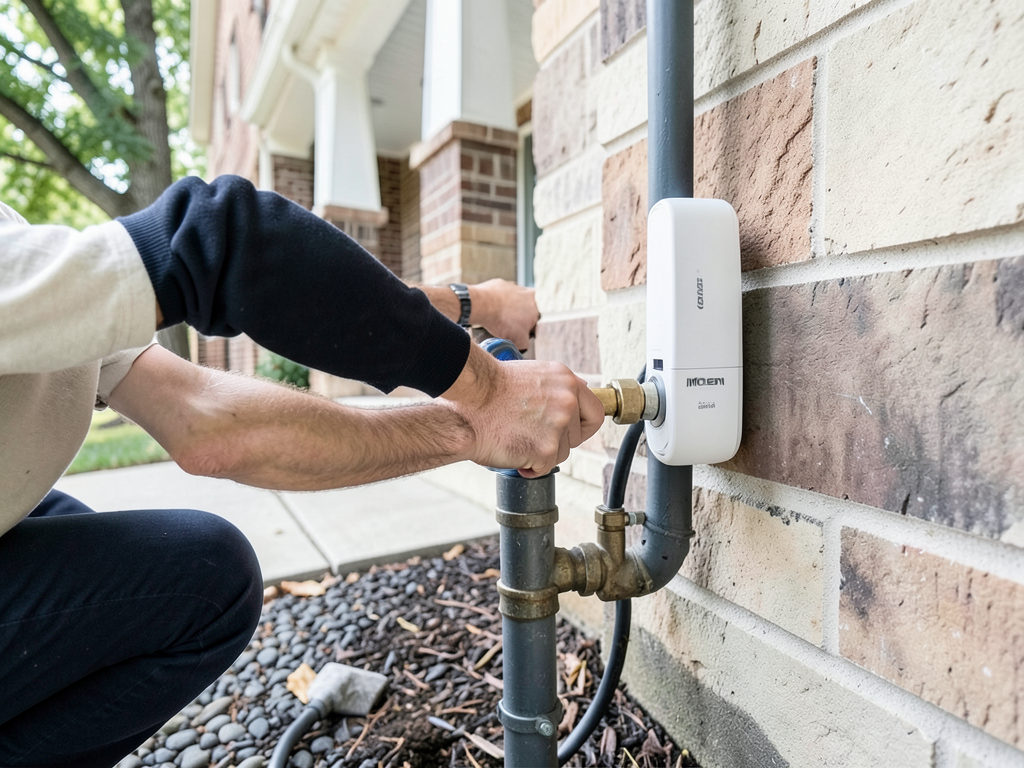
The Best Smart Leak Detectors to Prevent Water Damage in Ballantyne Water damage strikes Ballantyne homes every day from burst…

The Best Smart Leak Detectors to Prevent Water Damage in Ballantyne

The Best Smart Leak Detectors to Prevent Water Damage in Ballantyne Water damage strikes Ballantyne homes every day from burst…

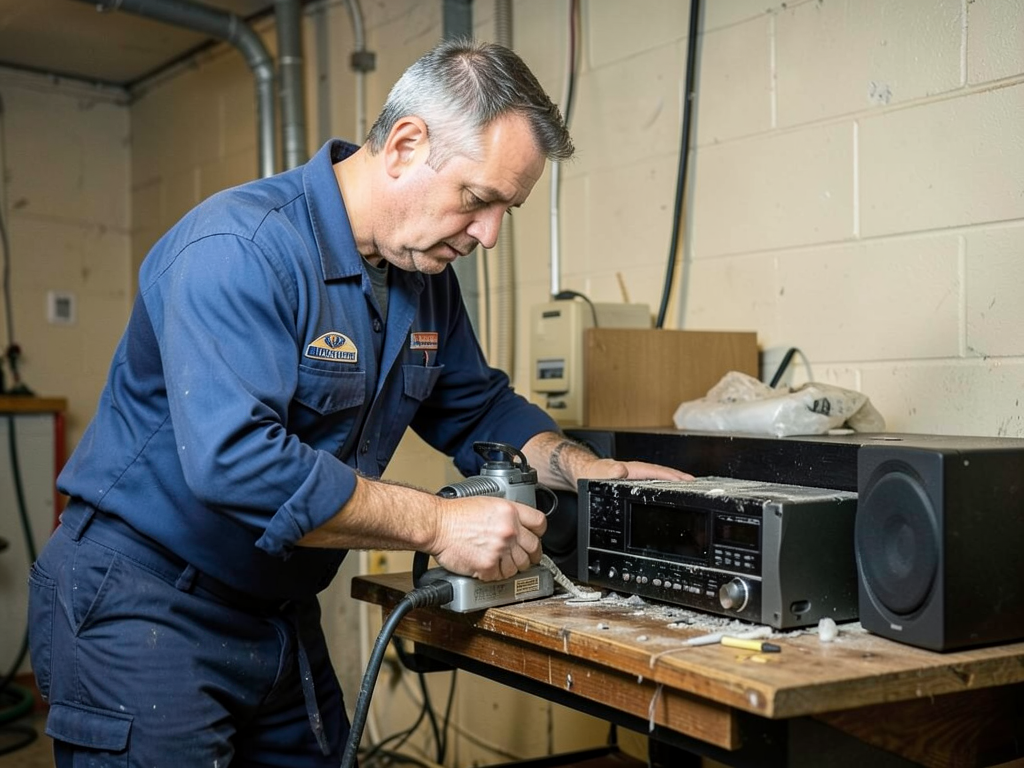
Safeguarding Expensive Home Theater Gear from Water Damage in Myers Park

Safeguarding Expensive Home Theater Gear from Water Damage in Myers Park Myers Park’s stately homes and finished basements create the…

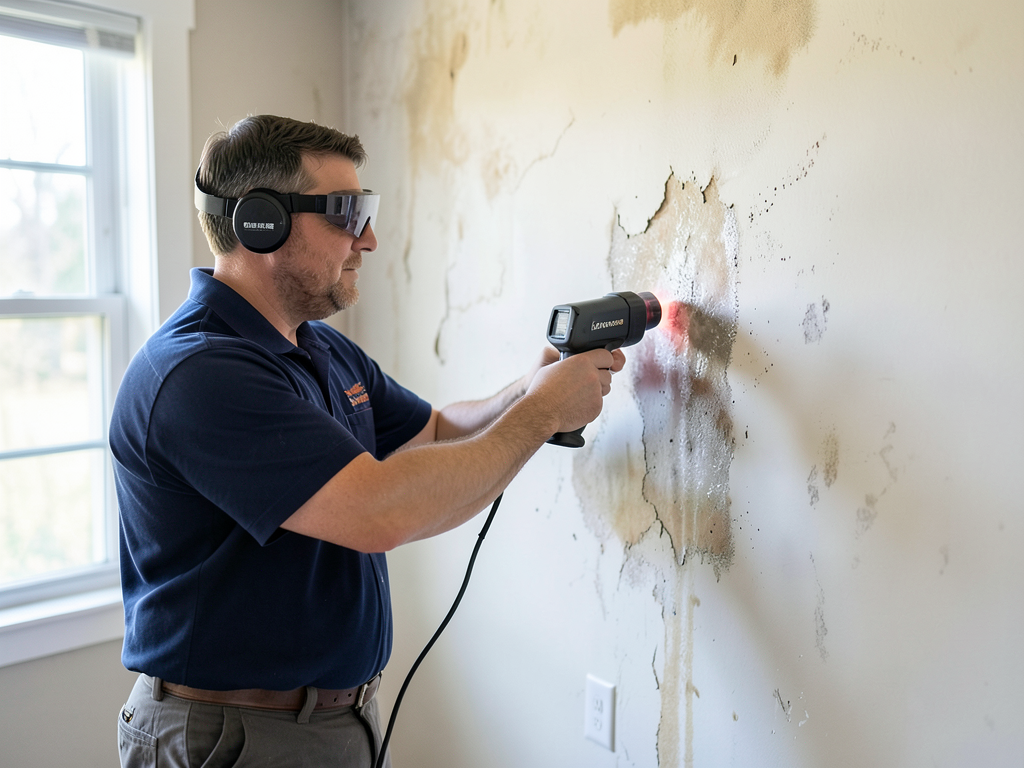
Common Health Symptoms That Might Point to Hidden Water Damage in Your Home

Common Health Symptoms That Might Point to Hidden Water Damage in Your Home Water damage in your Charlotte home often…

Contact Us

Your floors are still salvageable if you act fast. Call Cornerstone Water Damage Restoration Charlotte at (980) 342-9955 right now. We answer 24/7 and dispatch crews across the Charlotte metro within 90 minutes. Do not let wet hardwood flooring destroy your home's value.