




Menu

Frozen Pipe Burst Cleanup in Charlotte – 24/7 Emergency Response Within 60 Minutes

When frozen pipes rupture and flood your property, every minute counts. Our Charlotte-based emergency crews deploy immediately with industrial-grade water extraction equipment to stop the damage, document losses for insurance, and begin certified restoration before mold takes hold.

Slider Image 1
Slider Image 2
Slider Image 3
Slider Image 4
Slider Image 5
Slider Image 7
Slider Image 8
Slider Image 9
Slider Image 10
Slider Image 11

Charlotte's Freeze-Thaw Cycles Create Perfect Conditions for Catastrophic Pipe Failures

You wake up to water pouring through your ceiling or pooling across your floor. The temperature dropped to 18 degrees last night. Now your burst pipe is dumping gallons per minute into your walls, floors, and insulation.

Charlotte's unpredictable winter weather creates the worst scenario for plumbing. Temperatures swing from 55 degrees to 20 degrees in 12 hours. Pipes in crawl spaces, attics, and exterior walls freeze solid. When water freezes, it expands with over 3,000 PSI of pressure. Copper splits. PEX connectors separate. PVC shatters. Then the thaw begins and pressurized water floods every cavity the pipe runs through.

The damage escalates by the hour. Drywall absorbs water like a sponge. Subflooring warps and delaminates. Insulation becomes a soaked, useless mass. Mold spores activate within 24 to 48 hours in saturated materials. What starts as a plumbing failure becomes a full-scale water intrusion event requiring emergency burst pipe water removal, structural drying, and contamination control.

Most frozen pipe burst remediation calls we receive in Charlotte happen in homes built before 1990 with inadequate crawl space insulation or properties where exterior hose bibs were never winterized. The clay soil common throughout Mecklenburg County shifts foundations and stresses pipe connections. Combined with aging galvanized supply lines in older neighborhoods like Dilworth and Plaza Midwood, you have infrastructure that fails when temperatures plunge.

Burst pipe water damage restoration is not a DIY project. You are dealing with pressurized supply lines, hidden water migration through wall cavities, and the very real risk of electrical hazards in standing water. You need certified frozen pipe flood cleanup with thermal imaging, moisture mapping, and commercial dehumidification to prevent secondary damage that insurance adjusters will scrutinize.

The clock is running. The water is spreading. You need a response now.

Charlotte's Freeze-Thaw Cycles Create Perfect Conditions for Catastrophic Pipe Failures
Our Certified Burst Pipe Water Extraction Process Stops Damage and Protects Your Claim

Our Certified Burst Pipe Water Extraction Process Stops Damage and Protects Your Claim

We do not just extract water and leave. Our frozen pipe burst remediation follows IICRC S500 standards for water damage restoration. That means we treat your emergency with the same protocols commercial insurers require for claim approval.

When you call, our dispatch sends a two-person crew with truck-mounted extraction units, infrared cameras, and moisture detection equipment. We arrive ready to work, not assess and schedule for next week.

First, we stop the water source. If your plumber has not arrived yet, we locate the main shutoff or the zone valve feeding the damaged line. We document the failure point with photos and notes for your insurance adjuster.

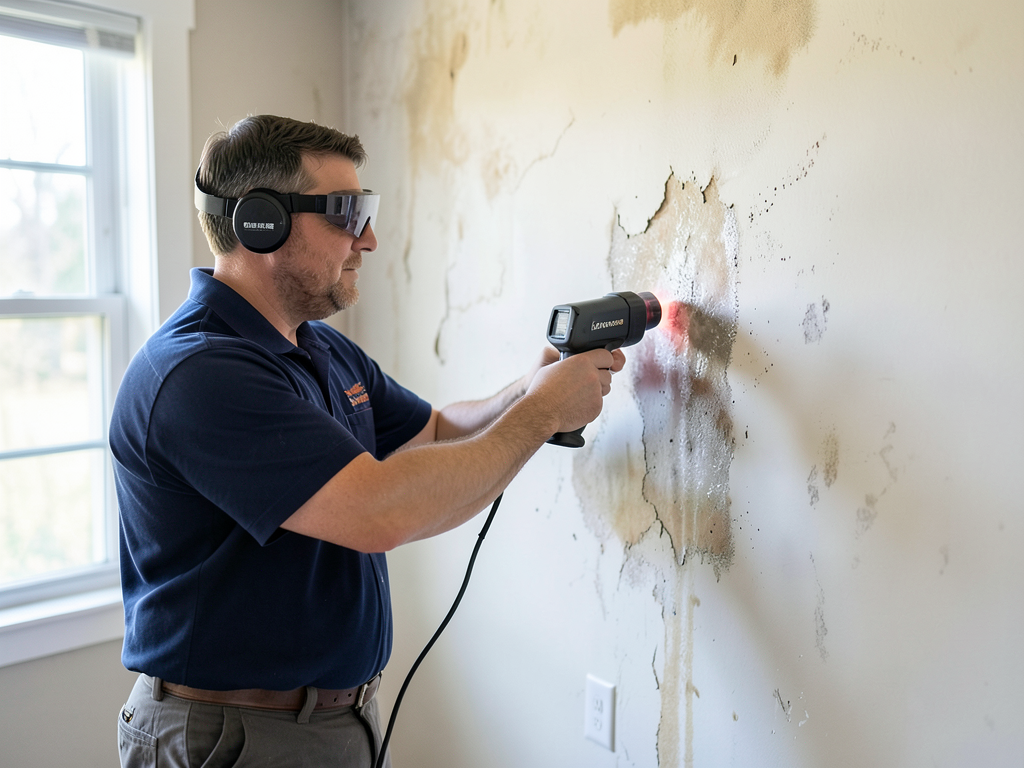
Next, we map the water migration using thermal imaging and penetrating moisture meters. Water does not stay where it lands. It travels through floor joists, behind baseboards, and into wall cavities. We mark every affected area with moisture readings and GPS-tagged photos. This documentation is what separates a professional emergency burst pipe water removal from a guy with a shop vac.

We deploy truck-mounted extractors that pull 150 gallons per minute from carpets, pads, and hard surfaces. Standing water is removed in the first 90 minutes. We pull up saturated carpet and pad, remove wet insulation, and create airflow channels in wall cavities using controlled demolition. We do not rip out everything. We remove what is compromised and save what can be dried in place.

Then we place commercial-grade dehumidifiers and air movers in a calculated layout based on psychrometric readings. We are controlling vapor pressure and temperature differentials to pull moisture from structural materials. We monitor daily with moisture meters and adjust equipment as materials dry.

Every step is logged. Every reading is recorded. When your adjuster arrives, they see a professional water extraction for frozen pipes operation run by certified techs who understand the claims process.

What Happens When You Call for Emergency Frozen Pipe Cleanup

Frozen Pipe Burst Cleanup in Charlotte – 24/7 Emergency Response Within 60 Minutes
01

Immediate Dispatch and Water Shutoff

Our dispatch confirms your location and sends the nearest crew within minutes. You receive an ETA via text. When we arrive, we locate and stop the water source, verify electrical safety, and begin damage documentation with photos and moisture readings. We establish a safe work zone and communicate the scope of visible damage before any equipment is deployed. You know what we are doing and why we are doing it.
02

Water Extraction and Structural Assessment

We deploy truck-mounted extractors to remove standing water and use infrared thermal imaging to map hidden moisture in walls, ceilings, and subfloors. Moisture meters confirm saturation levels in wood framing and drywall. We remove unsalvageable materials like soaked insulation and delaminated subflooring while documenting everything for insurance. Air movers and dehumidifiers are positioned based on airflow dynamics and material density. This is where the science of psychrometrics separates certified restoration from guesswork.
03

Monitored Drying and Clearance Testing

We return daily to take moisture readings and adjust equipment. Drying typically takes three to five days depending on materials and ambient conditions. When moisture levels match unaffected control areas, we perform final thermal scans to confirm no hidden pockets remain. You receive a detailed drying log with daily readings and photos showing progression from saturation to dry standard. This documentation closes your claim and proves the job was done right. No callbacks for mold growth six weeks later.

Why Charlotte Properties Need a Local Frozen Pipe Burst Cleanup Team

When a pipe bursts at 2 a.m., you do not have time to research every restoration company in North Carolina. You need a crew that knows Charlotte, understands local building construction, and can navigate insurance claims with adjusters who work this market daily.

Cornerstone Water Damage Restoration Charlotte operates out of Mecklenburg County. We know the older homes in Myers Park have crawl space access issues. We know the townhomes in South End have shared plumbing chases that spread water between units. We know the ranch homes built in the 1970s in the University area have polybutylene supply lines that fail when frozen. This local knowledge saves time and prevents mistakes.

We also understand Charlotte's winter weather patterns. The freeze happens fast. Temperatures drop overnight. Pipes that were fine at 6 p.m. are frozen solid by midnight. When the morning sun warms exterior walls, the thaw begins and the flood starts. We see this cycle every January and February. We know how to respond because we have worked hundreds of these emergencies in this exact climate.

Our relationship with local plumbers, electricians, and insurance adjusters means faster coordination. When we document damage, we speak the same language as the adjuster who will review your claim. We know what Allstate, State Farm, and USAA require for photo documentation in this region. We know which local contractors can rebuild after we finish drying. You are not coordinating five different vendors who have never worked together. You have a single team managing the process from water shutoff to final clearance.

We also carry the certifications that matter. IICRC Water Damage Restoration Technician certification is not optional in this industry. It is the standard that separates trained professionals from guys with trucks. Our techs are trained in psychrometrics, microbial remediation, and structural drying science. We use calibrated equipment and follow documented protocols. When your insurance adjuster asks for our credentials, we hand them a folder, not excuses.

You are trusting someone with access to your home during a crisis. We understand that responsibility. Every crew member is background-checked. Every vehicle is tracked with GPS. Every job is documented with time-stamped photos and moisture logs. You get professionalism when you need it most.

What to Expect During Emergency Frozen Pipe Burst Cleanup

Response Time and Availability

We answer the phone 24 hours a day, 365 days a year. No answering service. No voicemail. A real dispatcher confirms your address and sends the nearest crew. You receive an ETA via text within five minutes. Most Charlotte-area properties receive a crew within 60 minutes of the initial call. We do not schedule you for tomorrow morning. Water damage does not wait, and neither do we. Our trucks are staged throughout Mecklenburg County with extraction equipment, dehumidifiers, air movers, and moisture detection tools ready to deploy the moment you call.

Initial Assessment and Documentation

When our crew arrives, they perform a complete moisture assessment using thermal imaging and penetrating moisture meters. We map the affected area, photograph the damage, and document moisture readings in structural materials. This assessment takes 20 to 30 minutes and establishes the baseline for your insurance claim. You receive a written scope of work before we begin extraction. We explain what materials can be dried in place and what needs to be removed. No surprises. No upselling. Just a clear plan based on IICRC standards and insurance best practices.

Complete Drying and Final Clearance

We do not leave when the visible water is gone. Complete structural drying takes three to five days depending on materials and saturation levels. We return daily to monitor moisture levels, adjust equipment, and document progress. Final clearance happens when all affected materials test at or below normal moisture content compared to unaffected control areas. You receive a detailed drying log with daily readings, thermal images, and final clearance documentation for your insurance company. This is the proof that prevents mold callbacks and claim disputes six months later.

Insurance Coordination and Reconstruction Referrals

We work directly with your insurance adjuster to provide the documentation they need for claim approval. Our estimates follow Xactimate pricing, which is the industry standard for insurance restoration. We can bill your insurance directly or work with you on out-of-pocket costs if you are managing the claim yourself. After drying is complete, we connect you with licensed contractors for reconstruction if drywall, flooring, or cabinetry needs replacement. We do not disappear after extraction. We manage the entire process until your property is restored and your claim is closed.

Frequently Asked Questions

You Have Questions,
We Have Answers

What to do if a pipe freezes and bursts? +

Shut off your main water valve immediately to stop flooding. Turn off electricity to affected areas if water reaches outlets or appliances. Call a licensed plumber to repair the burst pipe. Then contact a water damage restoration company within the first hour. Charlotte's freeze-thaw cycles cause rapid expansion damage, so speed matters. Document everything with photos for your insurance claim. Move furniture and valuables to dry areas. Do not attempt temporary fixes with tape or clamps. These fail under pressure and worsen damage. Professional extraction and drying equipment prevents mold growth, which starts within 24 hours in Charlotte's humid climate.

How to clean up after a pipe burst? +

Start by removing standing water using pumps or wet vacuums. Pull up soaked carpets, padding, and damaged baseboards immediately. Charlotte's humidity accelerates mold growth, so drying must happen fast. Use commercial air movers and dehumidifiers to dry structural materials like drywall and subflooring. Remove wet insulation from walls and crawl spaces. Disinfect all affected surfaces with antimicrobial treatments. Monitor moisture levels with meters to confirm complete drying. Most homeowners lack the equipment and expertise to dry properly. Professional restoration teams prevent hidden moisture pockets that cause structural rot and mold months later.

How much do plumbers charge to unfreeze pipes? +

This question targets plumbing costs, not water damage restoration services. Plumbers in Charlotte typically charge service call fees plus hourly rates or flat fees for pipe thawing. Costs vary based on pipe location, accessibility, and whether the pipe has already burst. Emergency after-hours service costs more. If the pipe bursts, you need both a plumber for repairs and a water damage restoration company for cleanup. These are separate services. Restoration handles water extraction, structural drying, and mold prevention. Get multiple quotes and confirm the plumber carries liability insurance before work begins.

Does homeowners insurance cover water damage from frozen pipes? +

Most homeowners policies cover sudden and accidental water damage from burst frozen pipes. Coverage typically includes water extraction, structural repairs, and contents replacement. However, insurers deny claims if they determine you failed to maintain reasonable heat or neglected home maintenance. Charlotte's occasional hard freezes require documented preventive measures. Keep your thermostat at 55 degrees minimum when traveling. Take photos of insulated pipes and heat tape installations. Report damage immediately. Your insurer may require professional documentation of moisture levels and restoration protocols. Review your policy's water damage exclusions and deductible before winter.

Should you leave your faucets open if your pipes are frozen? +

Yes, but only if the pipe is frozen but not burst. Opening faucets relieves pressure buildup as ice expands inside the pipe. Let both hot and cold sides drip. This prevents the pipe from splitting. If the pipe already burst, leaving faucets open while you shut off the main valve helps drain remaining water from the system. This reduces flooding. Charlotte residents often discover frozen pipes in exterior walls, crawl spaces, and unheated attics during sudden temperature drops. Once you thaw the pipe using gentle heat, keep the faucet running until water flows normally to confirm the blockage cleared.

Will a pipe unfreeze itself? +

Frozen pipes thaw naturally when temperatures rise above freezing, but waiting risks a burst. Ice expands and cracks pipes from the inside. Once temperatures climb, the ice melts and water floods through those cracks. Charlotte's temperature swings make this common. You wake up to frozen pipes at dawn, then return home to flooding by afternoon. Do not wait. Thaw pipes immediately using a hair dryer, heat lamp, or warm towels. Work from the faucet back toward the frozen section. Never use open flames or high-heat sources. These crack pipes and start fires.

What kills mold after a water leak? +

Nothing kills mold after a water leak. You must physically remove it. Antimicrobial treatments and fungicides suppress mold temporarily, but spores return if moisture remains. Proper mold remediation requires removing contaminated materials like drywall, insulation, and carpeting. Then treat structural surfaces with HEPA vacuuming and encapsulants. Charlotte's humidity makes mold grow aggressively within 24 to 48 hours of water damage. Bleach does not work on porous surfaces like wood or drywall. It only lightens surface stains. Professional remediation includes moisture meters, containment barriers, and air scrubbers to prevent cross-contamination during removal.

How much water should I run to keep pipes from freezing? +

Let faucets drip at a rate of five to ten drips per minute when temperatures drop below 20 degrees. This keeps water moving through pipes and prevents freezing. Focus on faucets connected to pipes in exterior walls, crawl spaces, and unheated areas. Both hot and cold lines should drip. Charlotte experiences short but intense freezes, so monitor weather forecasts closely. Dripping faucets cost a few extra dollars in water bills but prevent thousands in burst pipe damage. Open cabinet doors under sinks to let warm air circulate around pipes. Disconnect and drain outdoor hoses before the first freeze.

How to dry out a house after burst pipe? +

Remove all standing water immediately using pumps and wet vacuums. Strip out soaked materials like carpeting, padding, drywall, and insulation. Set up industrial air movers and dehumidifiers to create airflow and extract moisture from structural materials. Charlotte's humidity slows natural evaporation, so mechanical drying is critical. Monitor moisture levels daily using moisture meters until readings return to normal. Focus on hidden areas like wall cavities and subflooring where water pools. Drying takes three to seven days depending on damage severity. Skip this process and mold colonizes your home within 48 hours, requiring expensive remediation later.

Does insurance cover if a pipe bursts? +

Most standard homeowners policies cover burst pipe water damage if the break was sudden and accidental. This includes water extraction, repairs, and damaged belongings. Insurers exclude damage from neglect or lack of maintenance. If you left your Charlotte home unheated during a freeze without draining pipes, your claim may be denied. Flood insurance does not cover burst pipes. That is a separate peril. Report damage immediately and document everything. Your insurer sends an adjuster to assess the loss. Professional restoration companies work directly with insurance companies and help document moisture levels and necessary repairs for your claim.

Why Charlotte's Clay Soil and Freeze-Thaw Cycles Make Frozen Pipe Emergencies Worse

Charlotte sits on expansive clay soil that shifts with moisture content. When winter rains saturate the ground and temperatures drop, the soil contracts and stresses foundation walls and crawl space supports. This movement puts tension on plumbing runs, especially older copper and galvanized lines. When a freeze event hits and pipes expand with ice, the added stress from soil movement increases the likelihood of catastrophic failure. We see this pattern repeat every winter in neighborhoods with shallow frost lines and poor crawl space insulation. The burst happens fast. The flooding is severe. Emergency burst pipe water removal becomes critical within the first hour.

Our crews train specifically for Charlotte's building styles and climate conditions. We understand the pier and beam foundations common in older neighborhoods require different drying strategies than slab-on-grade construction in newer developments. We know the building codes for crawl space vapor barriers and insulation requirements because we work with local inspectors and contractors daily. When you hire a restoration company that operates across three states, you get generic protocols. When you hire Cornerstone Water Damage Restoration Charlotte, you get a team that knows Mecklenburg County construction, weather patterns, and insurance claim procedures. That local expertise is the difference between a fast, clean restoration and a drawn-out nightmare.
Water Damage Restoration Services in The Charlotte Area

Cornerstone is proud to serve Charlotte and the surrounding areas, providing rapid and reliable water damage restoration services when you need them most. Our commitment extends to ensuring properties across our service region receive expert care. You can find our main office located conveniently, allowing us to quickly dispatch our teams to your location and address your water damage emergencies with efficiency and professionalism. We are always ready to assist you.

Address:
Cornerstone Water Damage Restoration Charlotte, 222 Baldwin Ave, Charlotte, NC, 28204

Additional Services We Offer

Our news updates

Latest Articles & News from The Blogs

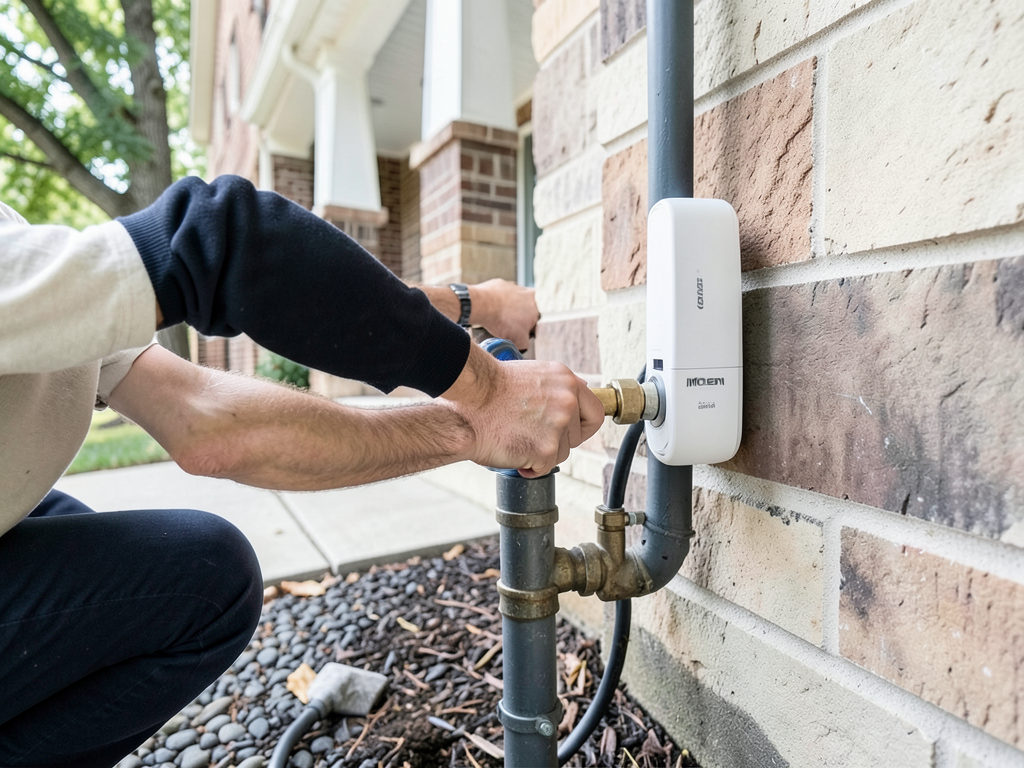
The Best Smart Leak Detectors to Prevent Water Damage in Ballantyne Water damage strikes Ballantyne homes every day from burst…

The Best Smart Leak Detectors to Prevent Water Damage in Ballantyne

The Best Smart Leak Detectors to Prevent Water Damage in Ballantyne Water damage strikes Ballantyne homes every day from burst…

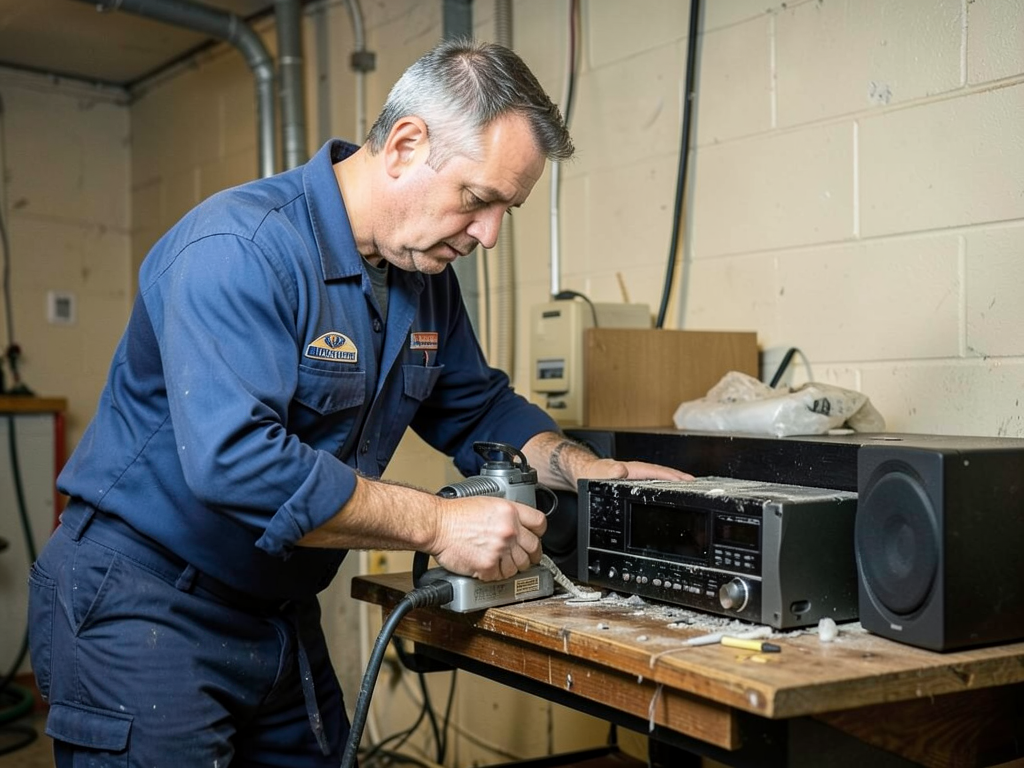
Safeguarding Expensive Home Theater Gear from Water Damage in Myers Park

Safeguarding Expensive Home Theater Gear from Water Damage in Myers Park Myers Park’s stately homes and finished basements create the…

Common Health Symptoms That Might Point to Hidden Water Damage in Your Home

Common Health Symptoms That Might Point to Hidden Water Damage in Your Home Water damage in your Charlotte home often…

Contact Us

Do not wait for the damage to spread. Every minute counts when water is flooding your property. Call Cornerstone Water Damage Restoration Charlotte now at (980) 342-9955. Our crews are standing by 24/7 with equipment ready to deploy. Stop the damage. Protect your claim. Get your property dry.