




Menu

Flood Cleanup & Extraction in Charlotte – 24/7 Emergency Response When Every Minute Counts

When floodwater invades your property, rapid flood cleanup and extraction protects your structure from irreversible damage, mold growth, and total loss. Our Charlotte-based crews deploy within 60 minutes, day or night, to stop water migration and begin professional flood damage restoration.

Slider Image 1
Slider Image 2
Slider Image 3
Slider Image 4
Slider Image 5
Slider Image 7
Slider Image 8
Slider Image 9
Slider Image 10
Slider Image 11

Why Charlotte Properties Face Severe Flood Damage Risks

Charlotte sits in the Piedmont region where clay soil creates unique drainage challenges. When heavy rain overwhelms the ground's absorption capacity, water pools around foundations and seeps into crawl spaces and basements. The city's location along the Catawba River watershed means flash flooding can strike neighborhoods near McDowell Creek, Briar Creek, and Little Sugar Creek within minutes of intense rainfall.

Subtropical humidity compounds the problem. Once floodwater enters a structure, moisture penetrates drywall, insulation, and subflooring rapidly. Within 24 hours, microbial growth begins. Within 48 hours, structural materials start breaking down. Emergency water extraction must begin immediately to prevent thousands in additional damage.

Charlotte's mix of historic homes in Dilworth and Plaza Midwood, combined with newer construction in Ballantyne and University City, means flood risks vary by building age and foundation type. Older homes often lack modern waterproofing, while newer properties may have inadequate grading. Both need professional water removal services that address the specific vulnerabilities of the structure.

You cannot wait for floodwater to recede naturally. Standing water destroys flooring, warps cabinetry, compromises electrical systems, and creates life-threatening mold conditions. Water mitigation services must start within hours, not days, to salvage your property and possessions.

Why Charlotte Properties Face Severe Flood Damage Risks
How Professional Flood Damage Restoration Works

How Professional Flood Damage Restoration Works

Flood cleanup and extraction requires industrial-grade equipment and specific protocols. We use truck-mounted extractors that pull thousands of gallons per hour from carpets, padding, and subflooring. Submersible pumps handle standing water in basements and crawl spaces. This is not a job for wet-dry shop vacuums.

After extraction, we deploy commercial air movers and low-grain refrigerant dehumidifiers. Air movers create rapid airflow across wet surfaces to accelerate evaporation. Dehumidifiers pull moisture from the air and building materials. We position equipment based on psychrometric calculations that account for temperature, humidity, and material density.

Moisture mapping guides the entire process. We use thermal imaging cameras to detect hidden water in wall cavities and infrared sensors to track moisture levels in structural materials. Daily readings tell us when materials have returned to dry standard levels, typically 12-15% moisture content for wood framing.

We extract contaminated materials when necessary. Category 2 water (from appliances or toilet overflow) and Category 3 water (sewage or river flooding) require removal of porous materials like drywall, insulation, and carpeting. These materials cannot be adequately sanitized and pose health risks.

Cornerstone Water Damage Restoration Charlotte follows IICRC S500 standards for water damage cleanup. This means controlled demolition, antimicrobial application to affected surfaces, and complete documentation for insurance claims. Every step is logged, photographed, and reported to ensure your claim proceeds without delays or disputes.

What Happens During Emergency Flood Cleanup

Flood Cleanup & Extraction in Charlotte – 24/7 Emergency Response When Every Minute Counts
01

Immediate Water Extraction

Our team arrives with truck-mounted extractors and begins removing standing water immediately. We pull water from carpets, padding, and hard surfaces using high-powered vacuum systems that extract moisture at the source. Submersible pumps clear basements and crawl spaces. Speed matters because every hour delays drying by approximately 8-12 hours once materials become saturated.
02

Moisture Detection and Monitoring

We map moisture levels throughout your property using thermal imaging and infrared sensors. Hidden water in wall cavities, under flooring, and in ceiling spaces gets documented and tracked. Commercial dehumidifiers and air movers are positioned based on airflow dynamics and material saturation levels. Daily moisture readings confirm drying progress and determine when materials have reached acceptable levels for reconstruction.
03

Sanitization and Documentation

After extraction and drying, we apply antimicrobial treatments to all affected surfaces to prevent mold growth. Contaminated materials are removed and disposed of according to health department guidelines. You receive complete photo documentation, moisture logs, and equipment placement records for your insurance claim. We provide detailed scope reports that justify every action taken to restore your property to pre-loss condition.

Why Charlotte Property Owners Choose Local Flood Restoration Experts

Charlotte's building codes and insurance requirements demand specific restoration protocols. Local adjusters expect documentation that follows North Carolina Division of Public Health guidelines for water damage cleanup. We know what State Farm, Nationwide, and Allstate require because we work with their adjusters daily on Charlotte properties.

Our teams know Charlotte's infrastructure. We understand which neighborhoods are prone to creek flooding, which areas have aging stormwater systems, and which subdivisions were built on filled land with poor drainage. This knowledge guides our assessment. A home near McMullen Creek requires different mitigation than a downtown condo or a South End townhouse.

Response time determines outcome. Cornerstone Water Damage Restoration Charlotte maintains crews and equipment throughout Mecklenburg County. We do not dispatch from Raleigh or Greenville. When you call at 2 AM because your basement is flooding, a truck leaves our local facility within 30 minutes, not two hours.

We handle commercial flood damage restoration for Charlotte businesses as well. Office buildings, retail spaces, restaurants, and warehouses require minimal downtime. Our crews work overnight and on weekends to extract water, dry structures, and restore operations without disrupting business hours. We coordinate with property managers, facility directors, and corporate stakeholders to maintain business continuity.

Experience with Charlotte's clay soil matters. We know how hydrostatic pressure builds against foundation walls during heavy rain. We understand when foundation drainage systems fail and when sump pumps cannot keep pace. This allows us to address root causes, not just symptoms.

What to Expect During Flood Cleanup and Extraction

Emergency Response Time

We answer your call 24 hours a day, every day of the year. A crew dispatches to your Charlotte property within 60 minutes of contact. During widespread flooding events, we prioritize based on severity and health risk, but you receive a response window and status updates. Our trucks carry extraction equipment, air movers, dehumidifiers, and moisture detection tools so work begins immediately upon arrival. You do not wait for equipment rental or second trips.

Initial Damage Assessment

The lead technician walks your property with thermal imaging and moisture meters. You receive a verbal assessment of affected areas, contamination category, and estimated drying time. We identify safety hazards like electrical risks or structural instability. You see real-time moisture readings and thermal images that show hidden water. This assessment becomes the foundation for your insurance claim documentation and our restoration plan.

Restoration Results

Complete drying typically takes 3-7 days depending on material saturation and property size. You receive a property that has returned to dry standard moisture levels, with all contaminated materials removed and all surfaces treated with antimicrobial solutions. Flooring, drywall, and structural framing are ready for reconstruction. You get detailed before-and-after photos, daily moisture logs, and equipment placement records that prove your property is dry and safe.

Insurance Coordination

We document every phase of water mitigation for your insurance claim. You receive detailed scope reports, photo logs, moisture readings, and equipment usage records. Our project managers communicate directly with adjusters and provide supplemental documentation when needed. We bill your insurance company directly when you have coverage, eliminating upfront costs for emergency services. If disputes arise, we provide expert support to ensure your claim reflects the actual damage and necessary restoration.

Frequently Asked Questions

You Have Questions,
We Have Answers

What is the average cost of remediation? +

Water damage remediation costs in Charlotte vary based on the severity and source. Small leaks affecting a single room typically run lower, while Category 3 flooding (sewage backups) costs significantly more due to biohazard protocols. Factors include the affected square footage, water category, structural damage to drywall or flooring, and mold potential. Charlotte's high humidity accelerates secondary damage, which increases costs if you delay. Most homeowners pay differently based on insurance coverage and deductibles. A professional assessment identifies hidden moisture in crawl spaces or behind walls, which prevents surprise costs later. Always get a detailed estimate before work begins.

How much does it cost to clean up a flooded basement? +

Basement flood cleanup costs in Charlotte depend on water depth, contamination level, and structural damage. A clean water event (burst pipe) costs less than storm surge or sewer backup. Charlotte's clay soil creates hydrostatic pressure issues, which can crack foundation walls and worsen flooding. You will pay more if the water sat for days and triggered mold growth. Costs include extraction, drying equipment rental, antimicrobial treatment, and damaged material removal like carpeting or drywall. Insurance coverage varies. Most local companies offer free inspections to assess the damage scope and provide accurate pricing before starting work.

How much does disaster cleanup cost? +

Disaster cleanup costs in Charlotte fluctuate based on the event type and damage extent. Hurricane flooding requires extensive extraction and structural drying. Fire damage includes soot removal and odor neutralization. Sewage backups demand biohazard protocols and complete sanitization. Charlotte's humidity extends drying time, which increases equipment costs. You will also pay for debris removal, structural repairs, and content restoration. Insurance adjusters evaluate coverage limits. Companies use moisture meters and thermal imaging to detect hidden damage behind walls or under flooring. Get multiple estimates and verify the company holds proper licensing. Quick response reduces total costs by preventing mold and secondary damage.

Does flood insurance pay for clean up? +

Flood insurance typically covers cleanup and restoration costs after a flooding event in Charlotte. Standard policies include water extraction, debris removal, structural drying, and sanitization. You must file claims quickly and document all damage with photos. FEMA flood insurance differs from homeowners policies. It covers building structures and some personal property, but exclusions exist for basements and certain contents. Charlotte homeowners in flood zones need separate flood policies because standard homeowners insurance excludes flood damage. Read your policy carefully. Deductibles apply. Work with certified restoration companies experienced in insurance claims to maximize your coverage and streamline the process.

Does insurance pay for water restoration? +

Most homeowners insurance policies cover water restoration if the damage results from sudden, accidental events like burst pipes, appliance failures, or roof leaks. Charlotte insurers typically exclude gradual damage from neglected maintenance or flooding from external sources. You need separate flood insurance for storm surge or creek overflow. Insurance covers extraction, drying, mold remediation, and structural repairs within policy limits. Document everything immediately with photos and detailed notes. Deductibles apply. Work with restoration companies that provide insurance documentation and moisture readings. Some policies exclude mold if you delayed mitigation. Review your specific policy and file claims within required timeframes.

What are the three types of remediation? +

The three main types of remediation address different contamination levels. Environmental remediation removes hazardous materials like asbestos, lead, or soil contaminants. Mold remediation eliminates fungal growth using containment, HEPA filtration, and antimicrobial treatments. Water damage remediation extracts standing water, dries structures, and prevents secondary damage. In Charlotte, water remediation is most common due to high humidity and heavy rainfall. Each type requires specific protocols and certifications. Water damage often triggers mold remediation if you wait longer than 48 hours. Professionals use moisture meters, thermal imaging, and air scrubbers to ensure complete restoration and prevent health hazards.

Will homeowners insurance cover a flooded basement? +

Homeowners insurance in Charlotte covers basement flooding only if caused by sudden, internal failures like burst pipes, water heater leaks, or sump pump malfunctions. It excludes flooding from external sources like heavy rain, storm surge, or groundwater seepage. Charlotte's clay soil and seasonal storms create common groundwater issues that standard policies will not cover. You need separate flood insurance for external water intrusion. Review your policy exclusions carefully. Some insurers deny claims if you neglected maintenance or the damage developed gradually. Document the water source immediately. Quick action and proper documentation improve claim approval rates significantly.

What is the most expensive part of finishing a basement? +

The most expensive part of finishing a basement in Charlotte involves moisture control and waterproofing due to clay soil and high water tables. You must install proper drainage systems, sump pumps, vapor barriers, and dehumidification before any cosmetic work. Flood damage increases costs dramatically because you need complete water extraction, structural drying, mold remediation, and rebuilding. Charlotte's humidity makes mold growth likely if moisture persists. Electrical and HVAC systems add significant expense. Bathrooms require plumbing upgrades. Many homeowners underestimate waterproofing costs, which leads to repeated flood damage. Invest in proper moisture management first to protect your finished space long-term.

How long does it take to dry out a basement after a flood? +

Basement drying time in Charlotte typically ranges from three to seven days, depending on water depth, humidity levels, and airflow. Charlotte's humid climate extends drying times compared to drier regions. Professionals use industrial dehumidifiers, air movers, and moisture meters to track progress. Concrete absorbs water deeply and dries slower than drywall. Category 3 water (sewage) requires longer treatment with antimicrobial applications. Hidden moisture in wall cavities or insulation takes additional time to eliminate. Rushing the process invites mold growth within 48 hours. Proper drying prevents structural damage and health hazards. Professionals monitor daily until moisture readings reach safe levels.

How much does Servpro cost to clean a basement? +

Basement cleaning costs vary by company and damage severity in Charlotte. Different restoration companies price differently based on their equipment, response time, and service scope. Costs depend on water category, square footage, contamination level, and necessary repairs. You will pay more for emergency response or extensive mold remediation. Most reputable Charlotte companies offer free inspections and detailed estimates before starting work. Compare multiple quotes. Verify certifications and insurance experience. Cheaper options often use inferior equipment or skip critical steps like moisture mapping. Focus on value and thoroughness rather than the lowest price to avoid recurring damage and health risks later.

How Charlotte's Clay Soil and Flood Zones Complicate Water Damage Restoration

Charlotte's heavy clay soil absorbs water slowly and drains poorly. During intense rainfall, water pools on the surface and flows toward low points and foundation walls. Properties in FEMA flood zones near Sugar Creek, Briar Creek, and the Catawba River face recurring flooding when storm systems stall over Mecklenburg County. The combination of clay soil and subtropical humidity means structures stay wet longer. Moisture trapped in subflooring and wall cavities requires professional water removal services with commercial dehumidification. Homeowners who attempt cleanup with household fans often discover mold growth weeks later because materials never fully dried.

Cornerstone Water Damage Restoration Charlotte has restored properties throughout every Charlotte neighborhood from NoDa to Ballantyne. We understand how older homes in Dilworth and Myers Park were built before modern waterproofing standards. We know which areas flood during hurricane remnants that move inland from the coast. Our technicians hold IICRC certifications in water damage restoration and applied structural drying. This means every job follows industry standards that insurance adjusters recognize and approve. When you choose local expertise, you get faster response, accurate damage assessment, and restoration that addresses Charlotte's specific water damage challenges.
Water Damage Restoration Services in The Charlotte Area

Cornerstone is proud to serve Charlotte and the surrounding areas, providing rapid and reliable water damage restoration services when you need them most. Our commitment extends to ensuring properties across our service region receive expert care. You can find our main office located conveniently, allowing us to quickly dispatch our teams to your location and address your water damage emergencies with efficiency and professionalism. We are always ready to assist you.

Address:
Cornerstone Water Damage Restoration Charlotte, 222 Baldwin Ave, Charlotte, NC, 28204

Additional Services We Offer

Our news updates

Latest Articles & News from The Blogs

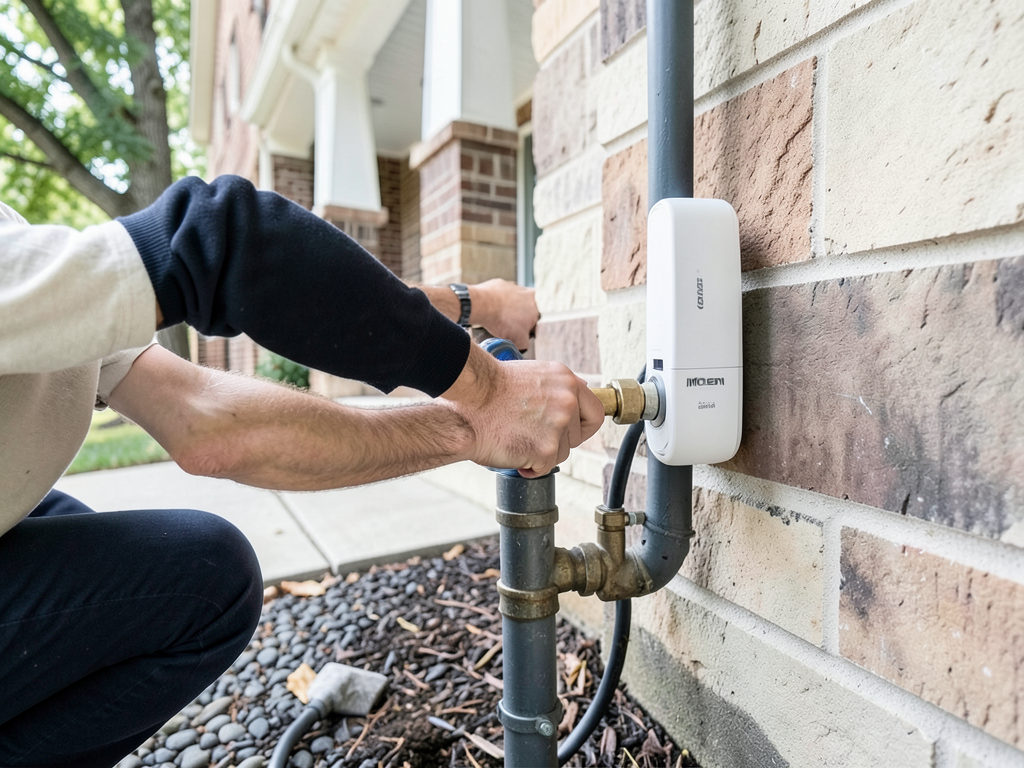
The Best Smart Leak Detectors to Prevent Water Damage in Ballantyne Water damage strikes Ballantyne homes every day from burst…

The Best Smart Leak Detectors to Prevent Water Damage in Ballantyne

The Best Smart Leak Detectors to Prevent Water Damage in Ballantyne Water damage strikes Ballantyne homes every day from burst…

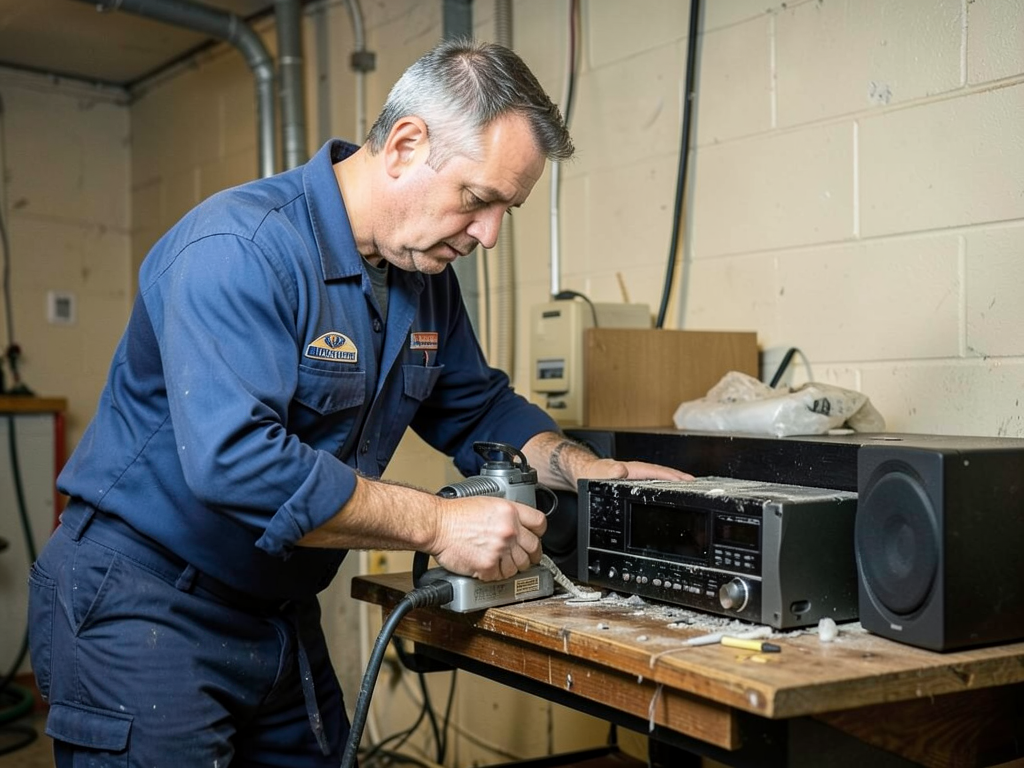
Safeguarding Expensive Home Theater Gear from Water Damage in Myers Park

Safeguarding Expensive Home Theater Gear from Water Damage in Myers Park Myers Park’s stately homes and finished basements create the…

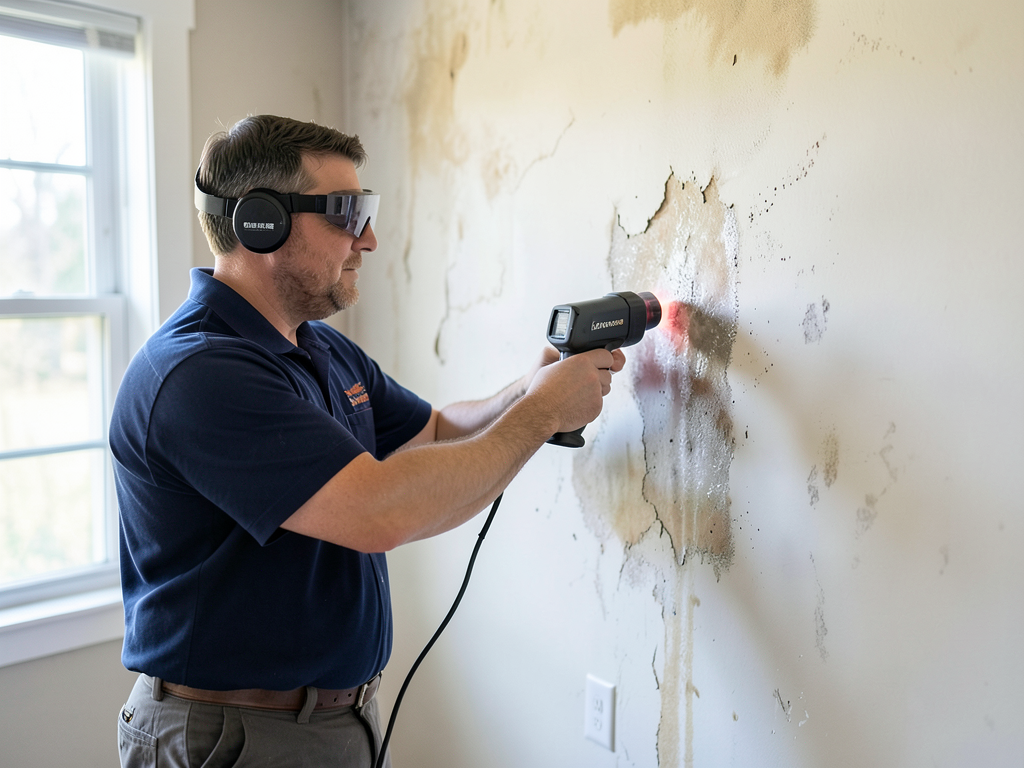
Common Health Symptoms That Might Point to Hidden Water Damage in Your Home

Common Health Symptoms That Might Point to Hidden Water Damage in Your Home Water damage in your Charlotte home often…

Contact Us

Floodwater is destroying your property right now. Every minute increases damage and restoration costs. Call Cornerstone Water Damage Restoration Charlotte at (980) 342-9955 for emergency flood cleanup and extraction. Our crews are standing by 24/7 to stop the damage and start the recovery.