




Menu

Fire Sprinkler Water Cleanup in Charlotte – 24/7 Emergency Response Within 60 Minutes

When a fire suppression system floods your property, every minute counts. Our Charlotte-based rapid response team stops water damage progression with commercial-grade extraction and structural drying before mold takes hold.

Slider Image 1
Slider Image 2
Slider Image 3
Slider Image 4
Slider Image 5
Slider Image 7
Slider Image 8
Slider Image 9
Slider Image 10
Slider Image 11

Accidental Sprinkler Discharge Can Destroy Your Property in Hours

A single activated fire sprinkler head releases 15 to 60 gallons of water per minute. In a Charlotte high-rise or warehouse, that volume cascades through floors, soaks drywall, saturates insulation, and buckles hardwood in minutes. Most people think fire sprinklers save buildings. They do. But when a head breaks from freezing temps during our unpredictable winter cold snaps, or when construction crews accidentally strike a sprinkler pipe in South End renovations, you face catastrophic flooding with zero warning.

Charlotte's humid subtropical climate makes emergency sprinkler water removal critical. You have 24 to 48 hours before mold colonies establish in porous materials. Water from fire suppression systems is not clean. It sat in pipes for years, collecting biofilm, rust particulate, and stagnant bacteria. When it floods your commercial space or apartment, you are dealing with category 2 or category 3 contaminated water. Standard fans and shop vacs cannot address this. You need industrial extraction, antimicrobial treatment, and psychrometric drying protocols.

Burst fire sprinkler flood remediation is time-sensitive. Water migrates horizontally through walls and vertically through floor assemblies. It seeps into HVAC ductwork, electrical conduits, and structural framing. The longer you wait, the more demolition you face. Charlotte property owners who delay professional fire sprinkler water damage restoration end up replacing entire wall sections, subfloors, and ceiling systems instead of salvaging them.

Accidental Sprinkler Discharge Can Destroy Your Property in Hours
How We Control Fire Suppression System Water Extraction

How We Control Fire Suppression System Water Extraction

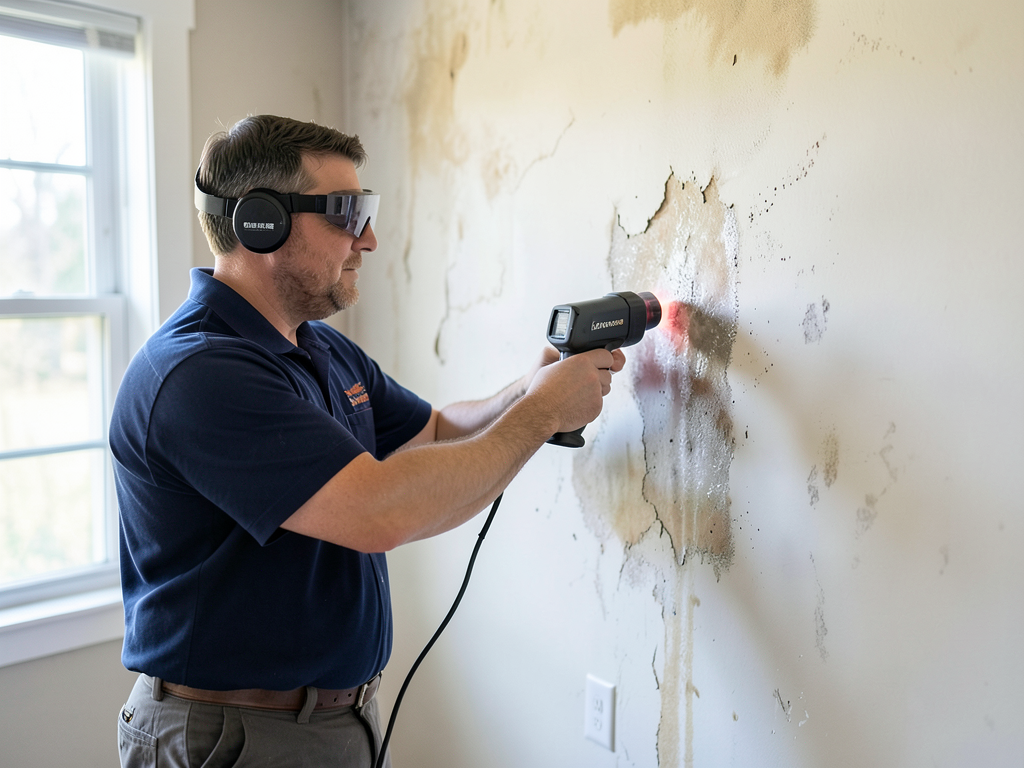
We do not mop floors and call it done. Accidental sprinkler discharge cleanup requires controlled environment management and moisture mapping. Our process starts with a handheld moisture meter scan and thermal imaging camera survey. We identify saturation in framing, insulation cavities, and subfloor assemblies that you cannot see. This diagnostic phase prevents hidden moisture reservoirs from turning into mold farms three weeks after you think the problem is solved.

We deploy truck-mounted extractors that pull 200 gallons per hour from carpet, padding, and concrete slab. For hard surfaces, we use weighted extraction tools that apply 500 PSI pressure to pull water from tile grout lines and seams. After bulk removal, we set up low-grain refrigerant dehumidifiers and axial air movers in a closed-loop drying configuration. We are not circulating humid air. We are removing moisture from the air and materials simultaneously, dropping relative humidity to 30% or lower.

Fire suppression system water extraction also involves treating contaminated materials. We apply EPA-registered antimicrobial solutions to all affected surfaces, targeting biofilm and bacteria that traveled through the piping. For porous materials like drywall and insulation, we calculate moisture content using a pin-type meter. If readings exceed 17%, the material gets removed. Saving a sheet of drywall is not worth the mold liability three months later.

We monitor drying progress daily using psychrometric charts. We measure grains per pound and vapor pressure differential to confirm when materials reach equilibrium moisture content. This is not guesswork. This is building science applied to emergency sprinkler water removal in Charlotte's specific climate conditions.

What Happens After Your Fire Sprinkler Activates

Fire Sprinkler Water Cleanup in Charlotte – 24/7 Emergency Response Within 60 Minutes
01

Immediate Water Containment

We arrive within 60 minutes and immediately shut off the affected sprinkler zone. Our team sets up containment barriers to stop water from spreading to unaffected areas. We deploy submersible pumps and extractors to remove standing water before it penetrates deeper into structural assemblies. Speed at this stage determines how much of your property we can save.
02

Moisture Detection and Mapping

We use thermal imaging and moisture meters to map every saturated area, including hidden cavities behind walls and under flooring. This diagnostic scan creates a drying plan specific to your building's construction type. We document moisture levels with photos and readings for your insurance adjuster. No surprises. No hidden damage discovered weeks later.
03

Controlled Structural Drying

We establish a drying chamber using commercial dehumidifiers and air movers calibrated to your space's cubic footage and moisture load. We monitor temperature, humidity, and material moisture content daily until readings confirm complete dryness. When we leave, your property is dry to the studs, certified safe from mold growth, and ready for reconstruction or reoccupancy.

Why Charlotte Properties Need Local Fire Sprinkler Water Damage Experts

Charlotte's building stock ranges from 1920s textile mill conversions in NoDa to new glass towers in uptown. Fire suppression systems in these buildings vary wildly. Older properties have threaded steel pipe that corrodes and leaks. Newer buildings use CPVC or PEX that can crack during freeze events. We have worked in every building type across Mecklenburg County. We know which systems fail and how water moves through different construction assemblies.

Local knowledge matters when dealing with emergency sprinkler water removal. Charlotte sits at the intersection of Piedmont clay soil and rapid development. Many commercial properties have slab-on-grade foundations with post-tension cables. You cannot drill randomly to place drying equipment without hitting structural components. We know where to place air movers, where to cut access ports, and how to dry without compromising your building's structural integrity.

Cornerstone Water Damage Restoration Charlotte maintains relationships with local insurance adjusters, property managers, and commercial building owners. We have processed sprinkler discharge claims for South End apartment complexes, Ballantyne office parks, and University area student housing. We speak the language your adjuster understands. We document moisture readings, take structured photos, and provide drying logs that meet Xactimate and IICRC S500 standards.

We also understand Charlotte's regulatory environment. If your sprinkler discharge affects a neighboring tenant or common area, you have notification requirements and potential liability. We work with property managers to handle tenant communication, coordinate access, and manage drying operations without disrupting business operations more than necessary. Fire suppression system water extraction is not just a technical problem. It is a property management and risk mitigation challenge that requires local experience.

What to Expect During Fire Sprinkler Water Cleanup

60-Minute Emergency Response

We answer calls 24 hours a day, every day. When you call our Charlotte dispatch line, you reach a person who can immediately deploy a crew. We do not schedule appointments for sprinkler emergencies. We arrive within 60 minutes with extraction equipment, moisture detection tools, and containment barriers already loaded. Our response time directly impacts how much damage your property sustains. Water does not wait for business hours. Neither do we.

Comprehensive Moisture Assessment

We conduct a full building moisture survey using calibrated meters and infrared cameras. You receive a written assessment detailing affected areas, moisture content readings, and recommended drying procedures. This documentation supports your insurance claim and provides a clear scope of work. We test wall cavities, flooring systems, and ceiling assemblies. If moisture is present, we find it. This prevents callback visits and mold contamination from hidden saturation points.

Certified Dry Results

We do not pack up equipment based on time elapsed. We dry your property to IICRC S500 standards using daily moisture monitoring. When structural materials reach equilibrium moisture content (typically 12% to 15% for wood framing and below 1% for concrete), we provide a certificate of dryness. This document confirms your property is safe for reconstruction and free from conditions that support mold growth. You get quantifiable proof, not guesswork.

Post-Drying Verification and Support

After drying is complete, we conduct a final walkthrough and provide recommendations for any necessary repairs. We coordinate with contractors if reconstruction is needed. If your insurance company requires additional documentation, we supply detailed drying logs, equipment placement diagrams, and photo progression records. We stay involved until your claim is settled and your property is fully restored. Our job is not finished when the equipment leaves. It is finished when you are back to normal operations.

Frequently Asked Questions

You Have Questions,
We Have Answers

Is fire sprinkler water clean? +

No. Fire sprinkler water is not clean. The water sits stagnant in pipes for months or years, collecting rust, bacteria, sediment, and biofilm. When a sprinkler discharges, this contaminated water floods your Charlotte property. It often smells foul and appears black or brown. Category 2 contaminated water requires professional extraction and sanitization to prevent mold growth and health risks. Do not touch or attempt cleanup yourself. Charlotte's humid climate accelerates microbial growth after discharge. Call a certified water damage restoration team immediately to extract the water, sanitize affected surfaces, and dry structural materials before secondary damage occurs.

What is the 3x rule for sprinklers? +

The 3x rule means fire sprinkler heads must maintain a minimum three-times-diameter clearance from obstructions in all directions. For example, a sprinkler with a six-inch diameter requires 18 inches of clear space. This ensures proper water distribution during activation. Charlotte commercial buildings and multi-family residences must comply with NFPA 25 standards. Violations reduce sprinkler effectiveness during fires and create liability. After any sprinkler discharge, inspect clearance zones during restoration. Restoration teams working in Charlotte verify compliance when repairing ceilings or walls post-discharge. Blocked sprinklers delay suppression and increase water damage severity across your property.

How often do sprinkler systems need to be flushed? +

Fire sprinkler systems should be flushed annually per NFPA 25 maintenance standards. Flushing removes sediment, rust, and microbial buildup inside pipes. Charlotte properties with older galvanized or steel piping require more frequent flushing due to accelerated corrosion from humidity. Neglected systems discharge darker, more contaminated water during activation. Regular flushing reduces water quality issues and minimizes cleanup severity after discharge. Property managers should schedule flushing through certified fire protection contractors. If your sprinkler recently discharged and produced black water, sediment buildup likely worsened the contamination. Professional water damage restoration teams extract contaminated water and recommend system maintenance to prevent future issues.

How to drain water from a fire sprinkler system? +

Never attempt to drain a fire sprinkler system yourself. Draining requires shutting the main water supply valve, opening drain valves at low points, and purging air into the system. Improper draining causes pressure imbalances, pipe damage, or system failure. After a sprinkler discharge in Charlotte, contact a licensed fire protection contractor to drain and reset the system. Simultaneously, call a certified water damage restoration company to extract standing water from floors, walls, and contents. Attempting DIY drainage delays critical water extraction and increases mold risk in Charlotte's humid climate. Professionals coordinate system shutdown, water removal, structural drying, and sprinkler recharge to restore safety and functionality.

Why does fire sprinkler water smell bad? +

Fire sprinkler water smells bad because it sits stagnant in pipes for years. Bacteria, algae, rust, and organic matter decompose inside the system, creating sulfuric or sewage-like odors. When a sprinkler activates, this foul water floods your Charlotte property. The smell indicates contamination. Category 2 water requires professional sanitization and deodorization to eliminate odor sources and prevent health risks. Charlotte's high humidity worsens odor absorption into porous materials like drywall, carpet, and insulation. Do not ignore the smell or attempt surface cleaning. Call a water damage restoration specialist immediately to extract contaminated water, apply antimicrobial treatments, and eliminate odors at the source.

Should you still water your lawn in October? +

This question is not relevant to fire sprinkler water cleanup. If your fire sprinkler system discharged and flooded your Charlotte property, lawn irrigation is not your priority. Focus on immediate water extraction and structural drying to prevent mold growth and secondary damage. Charlotte's October weather brings cooler temperatures and reduced evaporation, which slows natural drying. Standing water from sprinkler discharge requires professional-grade extraction equipment, dehumidifiers, and air movers. Do not delay cleanup. Water wicks into walls, subfloors, and insulation within hours. Contact a certified water damage restoration team now to mitigate loss and restore your property before permanent damage occurs.

What is the 18 rule for fire sprinklers? +

The 18-inch rule requires maintaining 18 inches of vertical clearance below fire sprinkler heads. This space ensures unobstructed water distribution during activation. Charlotte commercial properties, warehouses, and residential buildings must comply with NFPA codes. Storage, light fixtures, decorations, and ceiling-mounted equipment violate the rule if placed too close to sprinkler heads. After a sprinkler discharge, restoration teams inspect clearance compliance when repairing ceilings or rebuilding storage areas. Violations reduce fire suppression effectiveness and increase property damage during emergencies. Ensure compliance before restoration work concludes. Blocked sprinklers delay activation and worsen water damage severity across your Charlotte facility.

Will vaping set off a sprinkler system? +

No. Vaping will not set off a fire sprinkler system. Sprinkler heads activate from heat, not smoke or vapor. Sprinklers require temperatures between 135 and 165 degrees Fahrenheit to trigger. Vape aerosol lacks sufficient heat to activate sprinkler heads. However, vaping can trigger smoke detectors in Charlotte buildings, causing unnecessary evacuations or fire department responses. If a sprinkler discharged in your Charlotte property, the cause was heat from fire, equipment failure, or accidental damage to the sprinkler head. Regardless of cause, water damage requires immediate professional extraction, drying, and sanitization. Call a certified water damage restoration team now to prevent mold growth and structural damage.

What is the NFPA rule for sprinkler obstruction? +

NFPA 13 requires maintaining clear space around fire sprinkler heads to prevent obstructions from blocking water spray patterns. Specific clearance distances depend on sprinkler type, ceiling height, and obstruction size. Obstructions include lights, ductwork, conduit, storage, and structural elements. Charlotte commercial properties must comply during construction, renovations, and daily operations. After a sprinkler discharge, restoration contractors must verify clearance compliance when rebuilding ceilings or walls. Violations reduce sprinkler effectiveness during fires and create code deficiencies. Fire marshals inspect compliance after water damage restoration. Work with certified restoration professionals familiar with Charlotte fire codes to ensure compliant repairs and avoid future liability.

What is the life expectancy of a fire sprinkler system? +

Fire sprinkler systems last 50 to 100 years with proper maintenance. However, individual components degrade faster. Galvanized steel pipes corrode within 30 to 50 years, particularly in Charlotte's humid climate. Sprinkler heads, gaskets, and valves require replacement every 20 to 50 years depending on conditions. Neglected systems discharge more contaminated water during activation due to sediment and corrosion buildup. After a sprinkler discharge in your Charlotte property, a fire protection contractor should inspect system age and condition during recharge. Simultaneously, water damage restoration teams extract contaminated water and dry structural materials. Older systems often require replacement after major discharge events to ensure future reliability.

Why Charlotte's Freeze-Thaw Cycles Cause Fire Sprinkler Failures

Charlotte experiences unpredictable winter temperature swings that wreak havoc on fire suppression systems. Overnight lows can drop to 20°F in January, then climb to 55°F by afternoon. This freeze-thaw cycling causes pipe expansion and contraction, weakening threaded connections and cracking aging CPVC lines in unheated spaces like attics and parking decks. Many commercial buildings in areas like University City and Ballantyne have sprinkler pipes running through unconditioned zones. When these pipes freeze and burst, you face thousands of gallons flooding multiple floors before someone notices. Emergency sprinkler water removal becomes critical because our humid climate accelerates mold growth in the 48-hour window after water intrusion.

Charlotte property owners need local expertise because national restoration chains do not understand Mecklenburg County building codes or how water behaves in our clay soil conditions. Cornerstone Water Damage Restoration Charlotte has handled sprinkler discharge events in every major commercial corridor, from uptown high-rises to South End mixed-use developments. We know which buildings have backflow prevention issues, which systems use dry pipe versus wet pipe configurations, and how to navigate insurance claims with local adjusters who demand IICRC-certified documentation. When your fire suppression system fails, you need a team that knows Charlotte construction, responds immediately, and dries your property right the first time.
Water Damage Restoration Services in The Charlotte Area

Cornerstone is proud to serve Charlotte and the surrounding areas, providing rapid and reliable water damage restoration services when you need them most. Our commitment extends to ensuring properties across our service region receive expert care. You can find our main office located conveniently, allowing us to quickly dispatch our teams to your location and address your water damage emergencies with efficiency and professionalism. We are always ready to assist you.

Address:
Cornerstone Water Damage Restoration Charlotte, 222 Baldwin Ave, Charlotte, NC, 28204

Additional Services We Offer

Our news updates

Latest Articles & News from The Blogs

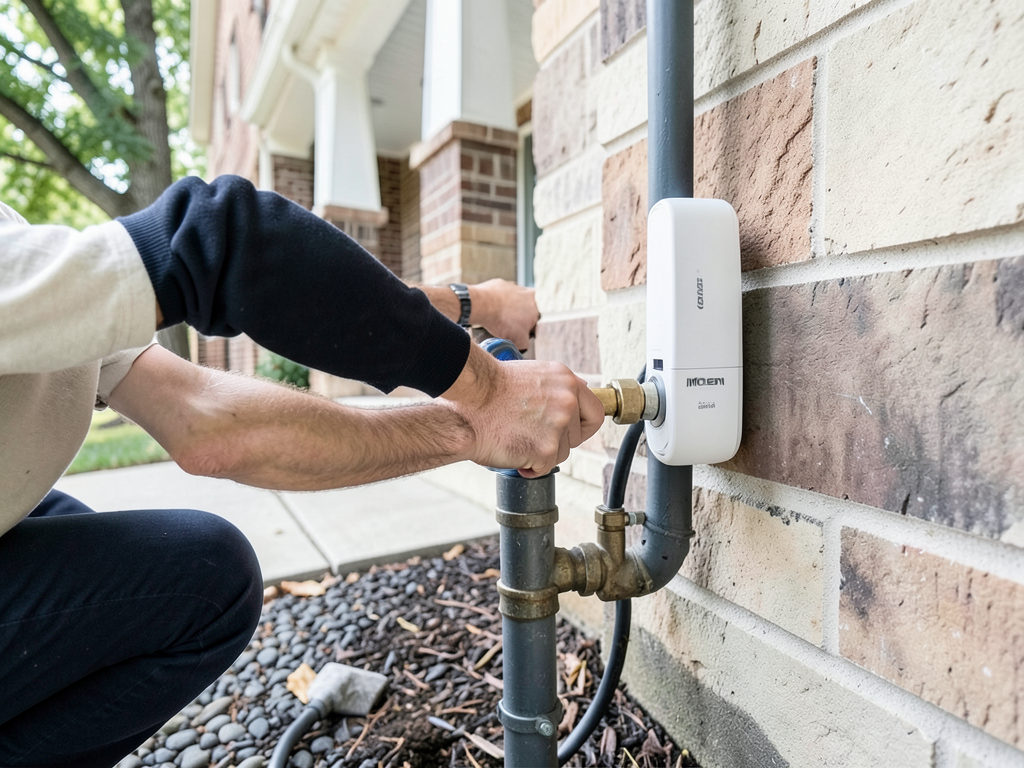
The Best Smart Leak Detectors to Prevent Water Damage in Ballantyne Water damage strikes Ballantyne homes every day from burst…

The Best Smart Leak Detectors to Prevent Water Damage in Ballantyne

The Best Smart Leak Detectors to Prevent Water Damage in Ballantyne Water damage strikes Ballantyne homes every day from burst…

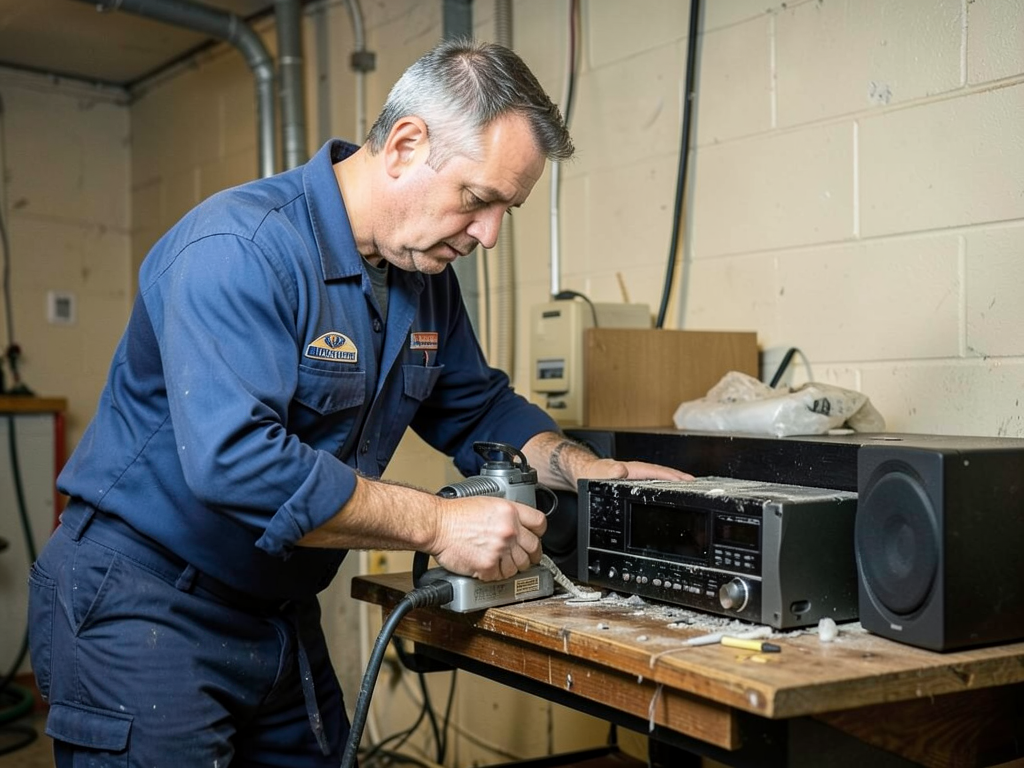
Safeguarding Expensive Home Theater Gear from Water Damage in Myers Park

Safeguarding Expensive Home Theater Gear from Water Damage in Myers Park Myers Park’s stately homes and finished basements create the…

Common Health Symptoms That Might Point to Hidden Water Damage in Your Home

Common Health Symptoms That Might Point to Hidden Water Damage in Your Home Water damage in your Charlotte home often…

Contact Us

Call (980) 342-9955 right now for emergency fire sprinkler water cleanup in Charlotte. Our crews are standing by 24/7 with industrial extraction equipment and moisture detection tools. Every minute you wait increases damage and repair costs. Call now.