




Menu

Fire & Smoke Damage Restoration in Charlotte – 24/7 Emergency Response with Complete Structural Recovery

Comprehensive fire damage repair and smoke damage cleanup across the Charlotte metro, combining rapid emergency stabilization with advanced structural drying, odor elimination, and full restoration to pre-loss condition.

Slider Image 1
Slider Image 2
Slider Image 3
Slider Image 4
Slider Image 5
Slider Image 7
Slider Image 8
Slider Image 9
Slider Image 10
Slider Image 11

Why Fire and Smoke Damage Demands Immediate Action in Charlotte

When fire strikes a Charlotte property, the clock starts ticking on secondary damage that can dwarf the original burn zone. You see charred walls and smell the smoke. What you cannot see is the acidic soot eating through metal fixtures, the superheated steam condensing inside wall cavities, or the corrosive residue migrating through your HVAC system to contaminate every room.

Charlotte's humid subtropical climate accelerates this deterioration. Moisture from firefighting efforts does not evaporate quickly in our 70 percent average humidity. Instead, it sits in drywall, insulation, and framing lumber, creating the perfect environment for mold colonization within 24 to 48 hours. The same humidity that makes our summers oppressive also drives smoke particulates deeper into porous surfaces like brick, wood flooring, and textiles.

Fire restoration services in Charlotte must address three simultaneous threats. First, structural water damage from hoses and sprinkler systems. Second, thermal damage to load-bearing components that may have lost integrity even if they look intact. Third, chemical damage from smoke residue, which varies wildly depending on what burned. Synthetic materials create acidic soot. Protein fires leave nearly invisible but highly odorous residue. Each requires different fire cleanup services and techniques.

Waiting 24 hours transforms a contained disaster into a whole-structure problem. Soot etches glass. Water wicks up walls. Odors penetrate the subfloor. What starts as fire and smoke mitigation becomes a full gut and rebuild. You need a response that treats fire damage as the multi-phase emergency it actually is.

Why Fire and Smoke Damage Demands Immediate Action in Charlotte
How Professional Fire and Smoke Damage Restoration Actually Works

How Professional Fire and Smoke Damage Restoration Actually Works

Effective fire damage repair starts with atmosphere control, not demolition. We establish negative air pressure in the affected zone using commercial air scrubbers with HEPA and activated carbon filtration. This prevents soot particulates from migrating to unaffected areas during the cleanup process. Containment barriers go up before we touch a single surface.

Next comes forensic assessment. We test surfaces with a soot sponge to identify residue type. Wet smoke from smoldering fires requires different chemistry than dry smoke from fast, hot burns. We use moisture meters to map hidden water damage in wall cavities and check thermal imaging for heat signatures that indicate smoldering material inside structural voids. This is not guesswork. We document everything for your insurance adjuster with photo evidence and moisture readings.

Smoke damage cleanup follows the top-down, dry-to-wet protocol. Ceilings first, then walls, then floors. Dry methods (HEPA vacuuming, dry chemical sponges) before wet methods (detergent washing, rinse cycles). We remove soot before we introduce moisture, preventing it from binding permanently to surfaces. For porous materials like drywall that absorbed smoke, we apply hydroxyl generators or ozone treatment in controlled bursts, breaking down odor molecules at the chemical level.

Structural drying runs parallel to smoke cleanup. We deploy low-grain refrigerant dehumidifiers to pull moisture from the air while directing airflow across wet materials with axial fans. We monitor daily with moisture meters until all building materials return to dry standard. Only then do we address reconstruction. Fire restoration services done correctly layer these processes in sequence, each step validated before moving forward.

What Happens During Your Fire and Smoke Restoration Project

Fire & Smoke Damage Restoration in Charlotte – 24/7 Emergency Response with Complete Structural Recovery
01

Emergency Stabilization and Assessment

We arrive within hours of your call to secure the property, establish containment, and stop ongoing damage. Our team performs a room-by-room assessment documenting fire damage, water intrusion from firefighting, and smoke migration patterns. We test surfaces for soot type, map moisture levels in structural materials, and identify immediate safety hazards like compromised framing or electrical systems. You receive a preliminary scope and timeline before we begin physical work.
02

Integrated Cleaning and Drying

We run simultaneous soot removal and water extraction protocols. HEPA air scrubbers remove airborne particulates while technicians clean surfaces using residue-specific detergents and dry sponges. Commercial dehumidifiers and air movers dry structural cavities while we treat persistent odors with hydroxyl generators or controlled ozone exposure. Salvageable contents go to our climate-controlled facility for specialized cleaning. We validate progress daily with moisture readings and air quality tests.
03

Rebuild and Final Verification

Once all materials reach dry standard and pass odor tests, reconstruction begins. We replace damaged drywall, insulation, flooring, and structural components to match original specifications. Final air quality testing confirms no residual particulates or volatile organic compounds. We walk you through the restored space, verify all systems function correctly, and provide documentation for your insurance claim. The property returns to pre-loss condition, structurally sound and odor-free.

Why Charlotte Properties Need Local Fire Restoration Expertise

Charlotte's building stock presents unique fire restoration challenges that out-of-town contractors miss. Historic neighborhoods like Dilworth and Myers Park feature balloon-frame construction where fire and smoke travel vertically through unblocked stud bays, spreading damage across multiple floors. Mid-century homes in Plaza Midwood often have vermiculite insulation that requires asbestos testing before disturbance. Newer construction in south Charlotte uses engineered lumber that loses load capacity faster than solid-sawn timber when exposed to heat.

We understand Mecklenburg County building codes for fire-damaged structures. Any work involving structural repairs requires permits and inspections. We know which elements trigger Plan Review versus standard permit processes. We coordinate with local inspectors who already know our work, preventing delays that add carrying costs to your claim. This familiarity keeps your project moving while less experienced contractors wait weeks for approval.

Our relationships with Charlotte insurance adjusters matter when your claim involves both fire and water damage. Adjusters know we document thoroughly, separate fire loss from water damage correctly, and provide line-item estimates that align with Xactimate pricing. This credibility reduces claim disputes and speeds payment. We have worked with every major carrier active in the Charlotte market. We know their protocols, preferred documentation formats, and typical objection points.

Fire cleanup services require specialized equipment that sits idle between jobs. We maintain hydroxyl generators, thermal foggers, commercial ozone machines, and HEPA filtration systems in our Charlotte facility. When you need fire and smoke mitigation, we deploy from miles away, not states away. Response time matters when soot is etching your windows and water is soaking your subfloor. Cornerstone Water Damage Restoration Charlotte brings that equipment to your door within hours, not days.

What to Expect When You Call for Fire Damage Repair

Immediate Dispatch and Emergency Response

We answer emergency calls 24/7 and dispatch a crew within two to four hours anywhere in the Charlotte metro. Our technicians arrive with containment materials, air scrubbers, moisture meters, and initial stabilization equipment. You receive a verbal assessment on-site and a written scope within 24 hours. We coordinate directly with your insurance company from the first phone call, handling documentation and filing timelines while you focus on immediate needs like temporary housing. Emergency response means stopping damage progression before it compounds.

Comprehensive Damage Assessment and Scope Development

Our assessment goes beyond surface inspection. We use thermal imaging to detect heat in wall cavities, moisture meters to map water intrusion, and soot testing to classify residue chemistry. We photograph every affected area, document pre-existing conditions, and create a room-by-room inventory of damaged materials and contents. This forensic approach protects you during the insurance process by establishing a clear baseline. You receive a detailed scope outlining fire damage repair, water extraction, smoke cleanup, and reconstruction phases with realistic timelines for each.

Complete Restoration to Pre-Loss Condition

Fire restoration services end when your property returns to the condition it held before the fire, structurally sound and free of odor. We do not stop at cleaning visible soot. We treat HVAC systems, replace contaminated insulation, seal subfloors against residual odors, and verify air quality with third-party testing. Reconstruction matches original materials and finishes unless you choose upgrades. Final walk-throughs include system checks for plumbing, electrical, and HVAC to confirm everything functions correctly. You move back into a restored home, not a patched-up shell.

Post-Restoration Support and Documentation

You receive complete documentation of all work performed, including photos, moisture logs, air quality reports, and itemized invoices formatted for insurance submission. We provide a one-year callback guarantee on our restoration work. If odors return or moisture issues emerge from our work area, we return to address them at no charge. We also offer guidance on maintaining your restored property, including HVAC filter replacement schedules and humidity control recommendations specific to Charlotte's climate. The relationship does not end when we pack our equipment.

Frequently Asked Questions

You Have Questions,
We Have Answers

How much does smoke damage restoration cost? +

Smoke damage restoration costs vary based on fire size, affected materials, and odor penetration depth. Minor surface cleaning in a single room starts lower, while whole-home soot removal, HVAC cleaning, and ozone treatment cost more. Porous materials like drywall and insulation often require replacement, not just cleaning. Insurance typically covers fire and smoke damage, so your out-of-pocket expense depends on your deductible and policy limits. Charlotte homes with older HVAC systems may need ductwork replacement if smoke circulated throughout. Get a detailed estimate that includes air quality testing and thermal fogging for persistent odors.

What does fire damage restoration include? +

Fire damage restoration includes emergency board-up, water extraction from firefighting efforts, structural drying, soot and ash removal, odor elimination, and rebuilding burned areas. Technicians assess structural integrity, remove charred materials, clean salvageable surfaces, and treat smoke odor with thermal fogging or ozone generators. HVAC systems get cleaned to prevent odor recirculation. In Charlotte's humid climate, rapid drying prevents secondary mold growth after water damage from hoses. Restoration also involves content cleaning, pack-out services for belongings, and coordination with your insurance adjuster. The goal is returning your property to pre-loss condition.

Can smoke damage be repaired? +

Yes, smoke damage can be repaired, but success depends on how quickly you address it and what materials are affected. Soot and smoke residue penetrate porous surfaces like drywall, wood, and fabric within hours. Professional cleaning uses specialized equipment like HEPA vacuums, chemical sponges, and hydroxyl generators to remove residue and neutralize odors. Some materials, like heavily saturated insulation or carpet padding, require replacement. Charlotte's humidity accelerates smoke residue bonding to surfaces, making fast action critical. Painted walls often need sealing with odor-blocking primer before repainting. Professional restoration prevents permanent staining and lingering smells.

Can a fire-damaged house be repaired? +

Yes, most fire-damaged houses can be repaired if the structural framework remains intact. Engineers assess foundation, load-bearing walls, and roof trusses for integrity. If only finishes, drywall, and roofing are damaged, rebuilding is straightforward. Extensive structural compromise may require demolition and reconstruction of specific sections. Charlotte's clay soil can shift during fires, affecting foundations, so inspection is critical. Insurance adjusters determine if repair costs exceed replacement value. Many homes with significant fire damage get fully restored and return to market. Professional restoration companies handle everything from debris removal to final reconstruction.

Is it worth buying a house with fire damage? +

Buying a fire-damaged house can offer value if you understand the full scope of repairs and hidden damage. Smoke penetrates wall cavities, HVAC systems, and subflooring, creating odors that surface later. Get a professional inspection that includes air quality testing and structural assessment. Charlotte's building codes require permits for major fire restoration work. Factor in restoration costs, timeline, and potential insurance complications. If the home is discounted enough and damage is isolated, it can be a smart investment. Avoid homes with foundation damage or mold growth from firefighting water if you lack renovation experience.

Will insurance cover smoke damage? +

Yes, homeowners insurance covers smoke damage if the fire is a covered peril. Most policies include smoke and soot damage even if the fire originated elsewhere, like a neighboring unit or wildfire. Coverage includes cleaning, odor removal, temporary housing, and content restoration. Your deductible applies, and payout depends on whether you have replacement cost or actual cash value coverage. Document all damage with photos before cleaning. In Charlotte, where humidity can worsen smoke residue bonding, start your claim immediately. Insurers may require professional restoration estimates. Review your policy limits to ensure adequate coverage.

At what point is a house not worth fixing? +

A house is not worth fixing when repair costs exceed 50 to 70 percent of its post-repair market value, or when structural damage is so severe it compromises safety. Foundation failure, complete roof collapse, or extensive fire damage to load-bearing walls often push homes past economical repair. Insurance companies total a home when restoration costs surpass the dwelling coverage limit. In Charlotte, older homes in flood-prone areas with combined fire and water damage may not justify repair costs. Asbestos or lead paint in older structures adds abatement expenses. An engineer and contractor should assess feasibility.

What is the 30/30/30 rule for fire? +

The 30/30/30 rule for fire means soot and smoke damage becomes permanent in 30 seconds, corrosion begins in 30 minutes, and replacement becomes necessary after 30 days. This guideline underscores the urgency of professional fire restoration. Within seconds, acidic soot etches glass and metal. Within minutes, smoke residue discolors grout, plastics, and appliances. After weeks, untreated smoke damage causes permanent staining, warping, and irreversible odor absorption. Charlotte's humidity accelerates these timelines. Contact restoration professionals immediately after a fire to prevent escalating damage and reduce repair costs. Speed directly impacts salvageability.

Are houses destroyed by fire covered by insurance? +

Yes, houses destroyed by fire are covered by homeowners insurance if fire is a covered peril under your policy. Coverage includes dwelling reconstruction, detached structures, personal property, and additional living expenses while you relocate. Payout depends on your coverage limits and whether you carry replacement cost or actual cash value coverage. Arson by the policyholder voids coverage, but fires from electrical issues, cooking, or lightning are covered. Charlotte homeowners should review dwelling coverage annually to account for rising construction costs. Total loss claims require detailed documentation. Insurers may require proof of ownership for destroyed belongings.

Can you just paint over smoke damage? +

No, you cannot just paint over smoke damage. Soot and smoke residue contain acidic compounds that bleed through standard paint, causing discoloration and persistent odors. Surfaces must be cleaned with specialized detergents, then sealed with odor-blocking primer like shellac-based or oil-based products before painting. Skipping proper prep leads to recurring stains and smells, especially in Charlotte's humid climate where moisture reactivates residue. Porous materials like drywall may need replacement if smoke penetrated deeply. Professional restoration ensures thorough cleaning and proper sealing. Painting over smoke damage without prep wastes money and fails to address underlying contamination.

How Charlotte's Humidity and Building Codes Shape Fire Restoration Timelines

Charlotte's 70 percent average relative humidity creates a narrow window for preventing mold growth after fire suppression. Water used to extinguish flames does not evaporate passively in our climate. It sits in drywall, insulation, and framing, creating conditions for microbial growth within 24 to 48 hours. Fire and smoke mitigation in Charlotte requires aggressive mechanical drying using refrigerant dehumidifiers that remove moisture from the air faster than our humid conditions can replace it. This is not optional. Without controlled drying, you face a dual crisis of fire damage and mold remediation, often triggering insurance disputes over which damage resulted from which event.

Mecklenburg County enforces strict permitting for structural repairs following fire damage. Any work involving load-bearing walls, electrical systems, or plumbing requires permits and inspections before occupancy clearance. We maintain active relationships with local building inspectors and understand which repairs trigger Plan Review versus standard permits. This knowledge prevents costly delays. Out-of-town contractors often begin work without proper permits, creating legal and insurance complications that halt projects mid-stream. Local expertise means your fire restoration services proceed legally, quickly, and without surprises that extend your displacement timeline or jeopardize your claim.
Water Damage Restoration Services in The Charlotte Area

Cornerstone is proud to serve Charlotte and the surrounding areas, providing rapid and reliable water damage restoration services when you need them most. Our commitment extends to ensuring properties across our service region receive expert care. You can find our main office located conveniently, allowing us to quickly dispatch our teams to your location and address your water damage emergencies with efficiency and professionalism. We are always ready to assist you.

Address:
Cornerstone Water Damage Restoration Charlotte, 222 Baldwin Ave, Charlotte, NC, 28204

Additional Services We Offer

Our news updates

Latest Articles & News from The Blogs

The Best Smart Leak Detectors to Prevent Water Damage in Ballantyne Water damage strikes Ballantyne homes every day from burst…

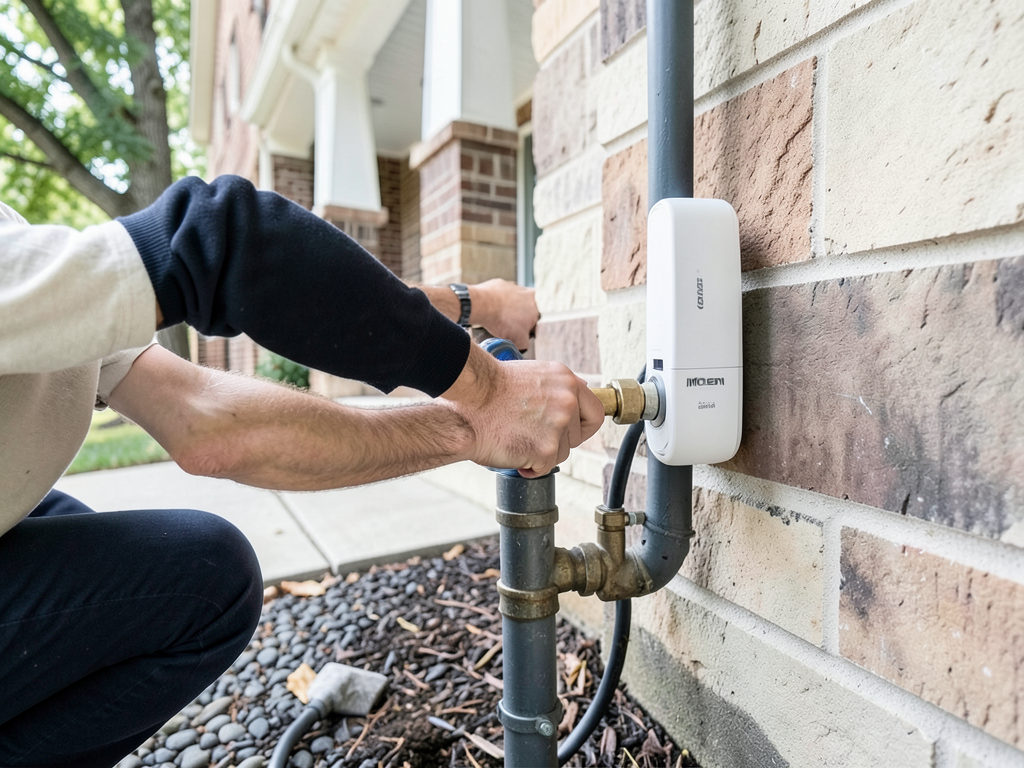
The Best Smart Leak Detectors to Prevent Water Damage in Ballantyne

The Best Smart Leak Detectors to Prevent Water Damage in Ballantyne Water damage strikes Ballantyne homes every day from burst…

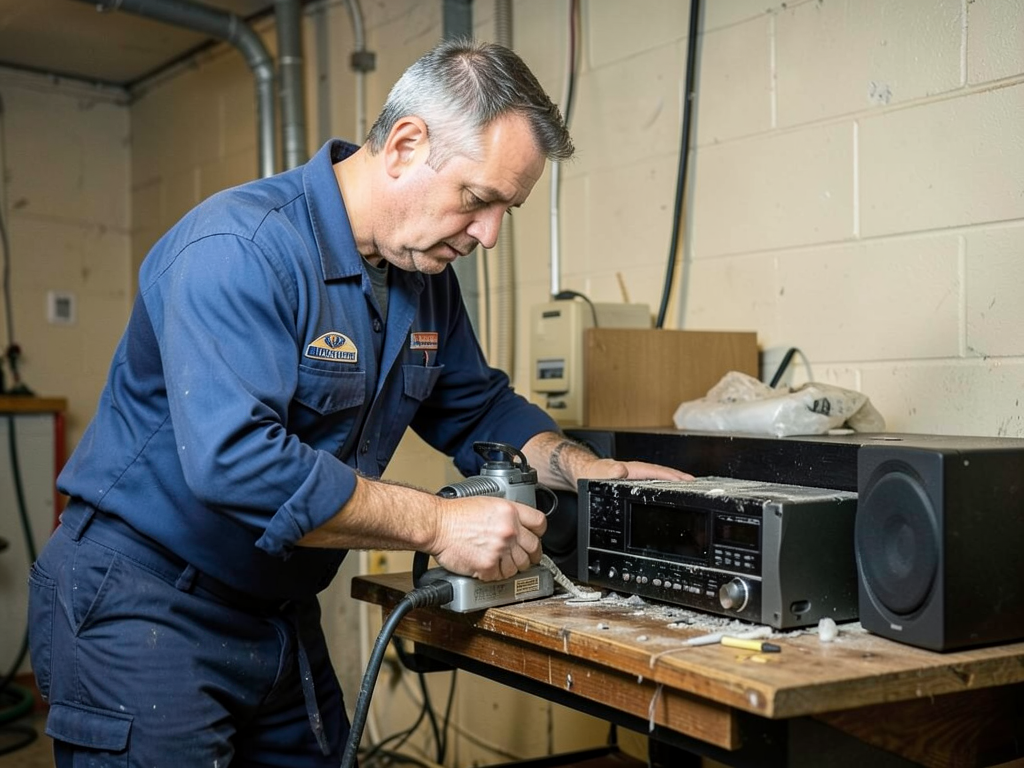
Safeguarding Expensive Home Theater Gear from Water Damage in Myers Park

Safeguarding Expensive Home Theater Gear from Water Damage in Myers Park Myers Park’s stately homes and finished basements create the…

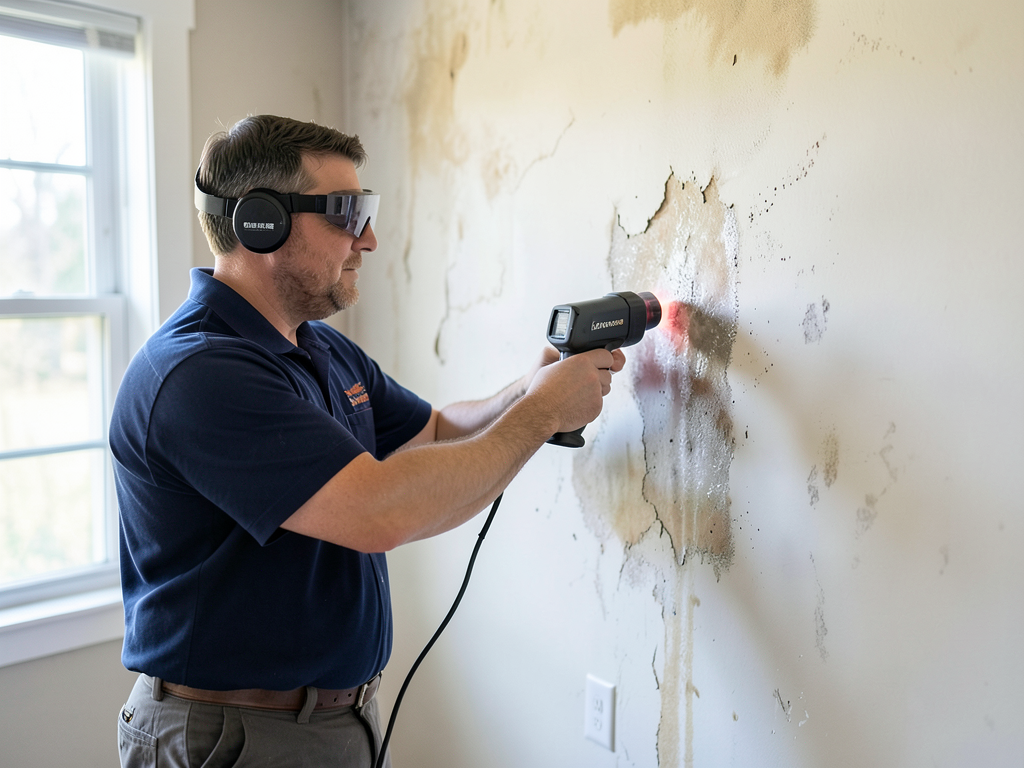
Common Health Symptoms That Might Point to Hidden Water Damage in Your Home

Common Health Symptoms That Might Point to Hidden Water Damage in Your Home Water damage in your Charlotte home often…

Contact Us

Fire damage worsens by the hour. Call Cornerstone Water Damage Restoration Charlotte now at (980) 342-9955 for 24/7 emergency response. We dispatch immediately, coordinate with your insurance, and stop secondary damage before it spreads. Do not wait. Every hour increases the damage and the cost.