




Menu

Fire Damage Safety Checklist in Charlotte – Your Complete Post-Fire Recovery Protocol

Navigate the critical hours and days after a fire with a structured fire damage safety checklist that protects your family from hidden hazards like compromised structures, toxic residue, and secondary water damage from firefighting efforts.

Slider Image 1
Slider Image 2
Slider Image 3
Slider Image 4
Slider Image 5
Slider Image 7
Slider Image 8
Slider Image 9
Slider Image 10
Slider Image 11

Why Charlotte Homeowners Need a Fire Recovery Safety Guide After Every Fire

The moments after a fire feel overwhelming. Smoke clears, flames die down, and you are left staring at what remains of your home. In Charlotte, where older homes in neighborhoods like Dilworth and Plaza Midwood feature wood framing and crawl spaces, fires often leave behind compromised structural members you cannot see from the ground floor. The humidity that makes our summers sticky also accelerates mold growth in water-soaked drywall within 24 to 48 hours.

Fire damage extends far beyond charred walls. Firefighters pump thousands of gallons of water into your home to extinguish flames, saturating insulation, subflooring, and wall cavities. That moisture does not evaporate quickly in Charlotte's humid climate. It sits, festers, and creates secondary damage. Post-fire safety steps begin the second the fire marshal clears your property for entry.

You need a post-fire hazard checklist because dangers multiply after the flames die. Soot contains caustic chemicals that irritate skin and lungs. Electrical systems exposed to water pose electrocution risks. Load-bearing beams weakened by heat can collapse without warning. Standing water in basements or crawl spaces breeds bacteria and mold. After fire safety precautions are not suggestions. They are survival protocols.

Cornerstone Water Damage Restoration Charlotte responds to fire scenes knowing that the visible damage represents only half the threat. We follow a fire damage safety protocol that prioritizes human safety, then property stabilization, then restoration planning.

Why Charlotte Homeowners Need a Fire Recovery Safety Guide After Every Fire
How Professional Fire Damage Evaluation Differs From a Walk-Through

How Professional Fire Damage Evaluation Differs From a Walk-Through

Walking through your fire-damaged home without a structured fire recovery safety guide puts you at risk. Professionals assess structural integrity before stepping inside. We check for sagging ceiling joists, cracked foundation walls, and compromised floor systems. In Charlotte, where many homes sit on pier and beam foundations with crawl spaces, hidden fire damage to support columns can destabilize entire rooms.

Our post-fire safety protocol starts with environmental hazards. We test for carbon monoxide levels, check for gas leaks, and verify electrical systems are de-energized. We document every affected area with thermal imaging cameras that reveal heat signatures invisible to the naked eye. These signatures indicate active smoldering within wall cavities or attic spaces. Fire can smolder for days inside insulation or between floor joists.

Water extraction begins immediately. We use truck-mounted extractors and commercial dehumidifiers to remove standing water and reduce ambient humidity. Charlotte's clay soil does not absorb water well, so basement flooding after a fire is common. We pump out crawl spaces, extract water from carpet padding, and remove saturated drywall that cannot be salvaged.

Soot and smoke residue require specialized cleaning agents. We do not wipe soot with household cleaners. That smears acidic particulates deeper into porous surfaces. We use dry chemical sponges to lift soot, then apply odor-neutralizing agents formulated for protein-based and synthetic smoke residues. Every surface gets tested for pH levels to prevent long-term corrosion.

Documentation drives insurance claims. We photograph every stage, measure moisture levels in building materials, and create detailed loss inventories. This evidence supports your claim and accelerates reimbursement timelines.

Your Step-by-Step Fire Damage Safety Protocol

Fire Damage Safety Checklist in Charlotte – Your Complete Post-Fire Recovery Protocol
01

Initial Site Assessment

Before you enter your home, we conduct a structural safety evaluation. Our team inspects load-bearing walls, checks for roof integrity, and tests air quality for toxic gases. We mark unsafe zones with barrier tape and document structural compromises with photos and moisture readings. You receive a written safety report outlining which areas are accessible and which require remediation before entry.
02

Water and Contamination Removal

Water from firefighting efforts saturates building materials within minutes. We extract standing water using industrial pumps, then remove unsalvageable materials like soaked insulation, drywall, and flooring. Air scrubbers with HEPA filters remove airborne soot particles. Dehumidifiers run continuously to drop humidity below 50 percent, preventing mold colonization. This phase typically takes three to five days depending on the extent of water penetration.
03

Stabilization and Documentation

Once the property is dry and contaminant-free, we stabilize remaining structures. Roof tarping prevents weather intrusion. Board-up services secure windows and doors. We compile a comprehensive damage assessment with moisture maps, contamination reports, and restoration timelines. This documentation becomes the foundation for your insurance claim and guides the rebuilding process. You receive copies of all reports and a prioritized action plan.

Why Local Expertise Matters for Charlotte Fire Damage Recovery

Charlotte homes vary dramatically by neighborhood and era. Homes in Myers Park built in the 1920s feature plaster walls and old-growth timber framing. Properties in Ballantyne built in the 2000s use engineered lumber and modern fire-resistant materials. These construction differences dictate recovery approaches. Cornerstone Water Damage Restoration Charlotte knows these distinctions because we work in these neighborhoods daily.

Our crews understand Mecklenburg County building codes and permitting requirements. After a fire, certain repairs require permits and inspections before you can legally occupy your home. We coordinate with local inspectors and expedite the permitting process to prevent delays. We also maintain relationships with structural engineers who provide third-party assessments when needed for insurance claims or safety verification.

Charlotte's humid subtropical climate accelerates secondary damage. Moisture trapped in wall cavities after a fire breeds mold faster here than in arid climates. We adjust our drying protocols to account for ambient humidity, often running dehumidifiers longer than standard industry guidelines recommend. This local climate knowledge prevents costly mold remediation projects weeks after the fire.

We respond to fire scenes throughout the greater Charlotte metro, from Lake Norman communities to Fort Mill neighborhoods just across the South Carolina line. Our response time averages under 90 minutes because our equipment and crews are based locally. We are not a franchise dispatching teams from other states. We live here, work here, and understand the unique challenges Charlotte properties face after fire damage.

Trust matters when your home is uninhabitable. We have restored fire-damaged properties in Cotswold, NoDa, and Elizabeth for homeowners who needed accurate information during chaos. We explain what is salvageable, what requires replacement, and what your insurance policy covers.

What Happens During Your Fire Damage Safety Assessment

Response Time and Availability

We maintain 24/7 emergency response capabilities because fire damage worsens by the hour. Water from firefighting efforts continues penetrating building materials, soot becomes harder to clean as it settles, and mold spores begin colonizing within 48 hours. When you call our emergency line, you speak directly to a dispatcher who assigns a crew immediately. Most Charlotte-area properties receive on-site assessment within 90 minutes. We arrive with moisture meters, thermal cameras, and extraction equipment ready to begin stabilization. Emergency response is not a marketing claim. It is standard operating procedure for fire restoration.

Comprehensive Safety Inspection

Your initial consultation begins outside the structure. We walk the perimeter identifying obvious hazards like unstable rooflines or broken gas meters. Inside, we test air quality for carbon monoxide and volatile organic compounds released by burning synthetic materials. We check electrical panels for water intrusion and verify circuit breakers are off. Structural assessment includes checking floor systems for load capacity and inspecting ceiling joists for heat damage. You receive a room-by-room hazard report documenting every safety concern. This inspection takes 45 to 90 minutes depending on property size. Nothing gets overlooked because one missed hazard can cause injury or death.

Documented Results and Recovery Plan

After completing our assessment, we compile a detailed report with photographs, moisture readings, and contamination maps. You see exactly which materials require removal, which can be cleaned, and which areas need structural repair before rebuilding begins. We provide a timeline for water extraction, drying, debris removal, and final cleaning. This report includes cost estimates for each phase, organized by insurance claim categories. You get a physical binder and digital copies of all documentation. Insurance adjusters need this level of detail to process claims efficiently. Our documentation has a track record of expediting approvals because it meets industry standards for loss verification.

Ongoing Monitoring and Support

Fire damage recovery takes weeks, not days. We monitor moisture levels daily during the drying phase, adjusting equipment placement as readings change. Air quality testing continues until particulate counts return to normal ranges. If you are displaced from your home, we provide weekly progress updates with photos showing each stage of restoration. We coordinate with your insurance company, answering adjuster questions and providing supplemental documentation when needed. After restoration completes, we conduct a final walkthrough to verify all work meets code and safety standards. You receive maintenance recommendations to prevent future damage and contact information for follow-up questions. Our relationship does not end when equipment leaves your property.

Frequently Asked Questions

You Have Questions,
We Have Answers

Charlotte's High Humidity Complicates Post-Fire Water Damage

Charlotte averages 77 percent relative humidity during summer months, creating ideal conditions for rapid mold growth after fire suppression. When firefighters pump thousands of gallons of water into your home, that moisture does not evaporate quickly in our climate. It seeps into wall cavities, saturates insulation, and penetrates subflooring. Within 48 hours, mold colonies establish in hidden spaces. Older homes in neighborhoods like Chantilly and Eastover often have crawl spaces with inadequate ventilation, compounding moisture problems. A fire recovery safety guide specific to Charlotte must account for aggressive dehumidification protocols that exceed standard industry timelines. We run commercial dehumidifiers for extended periods and verify moisture content in lumber drops below 15 percent before reconstruction begins.

Mecklenburg County enforces strict building codes for fire-damaged structures. Before you can reoccupy your home, inspectors verify electrical systems meet current code, structural repairs comply with load calculations, and any modifications align with zoning requirements. Cornerstone Water Damage Restoration Charlotte maintains working relationships with local building inspectors and understands permit requirements that vary by neighborhood. Historic districts like Fourth Ward have additional preservation guidelines that affect restoration methods. We navigate these regulations daily, ensuring your project avoids delays caused by failed inspections or missing permits. Local expertise matters because Charlotte's regulatory environment differs from neighboring counties, and one misstep can halt your entire recovery timeline.
Water Damage Restoration Services in The Charlotte Area

Cornerstone is proud to serve Charlotte and the surrounding areas, providing rapid and reliable water damage restoration services when you need them most. Our commitment extends to ensuring properties across our service region receive expert care. You can find our main office located conveniently, allowing us to quickly dispatch our teams to your location and address your water damage emergencies with efficiency and professionalism. We are always ready to assist you.

Address:
Cornerstone Water Damage Restoration Charlotte, 222 Baldwin Ave, Charlotte, NC, 28204

Additional Services We Offer

Our news updates

Latest Articles & News from The Blogs

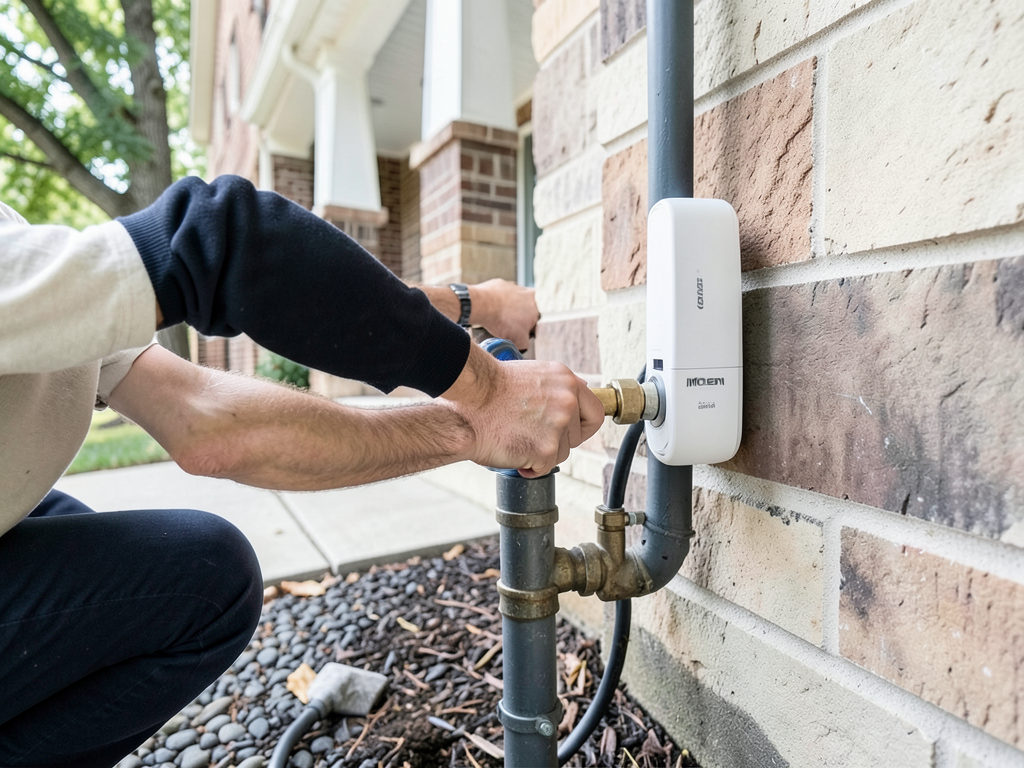
The Best Smart Leak Detectors to Prevent Water Damage in Ballantyne Water damage strikes Ballantyne homes every day from burst…

The Best Smart Leak Detectors to Prevent Water Damage in Ballantyne

The Best Smart Leak Detectors to Prevent Water Damage in Ballantyne Water damage strikes Ballantyne homes every day from burst…

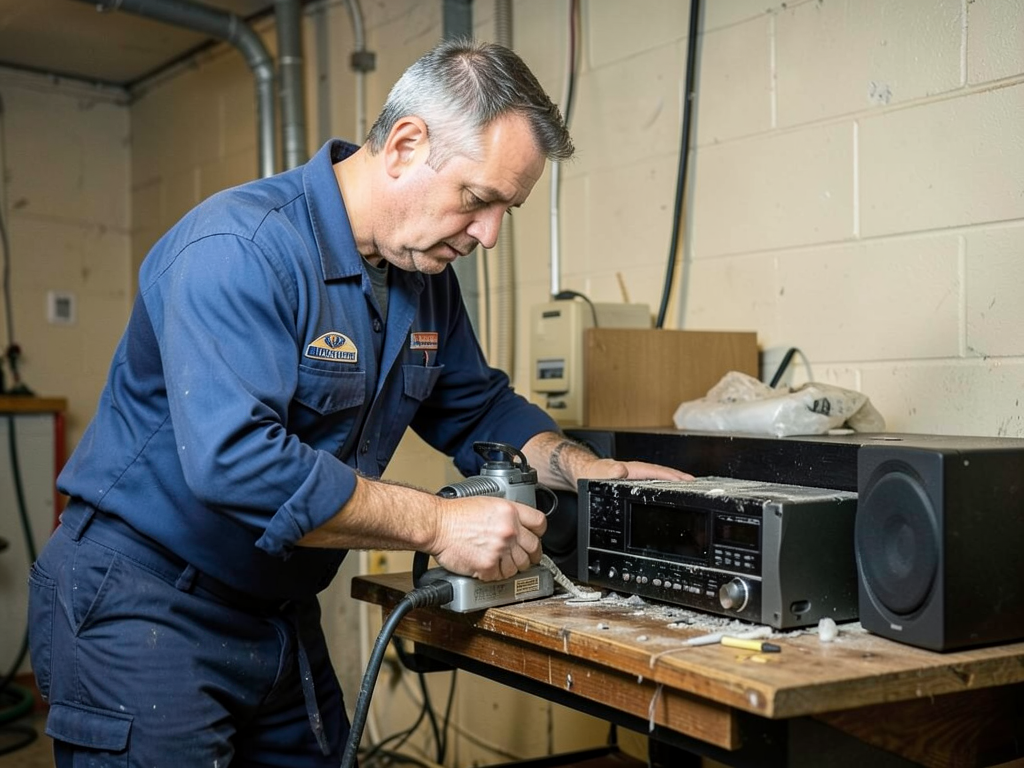
Safeguarding Expensive Home Theater Gear from Water Damage in Myers Park

Safeguarding Expensive Home Theater Gear from Water Damage in Myers Park Myers Park’s stately homes and finished basements create the…

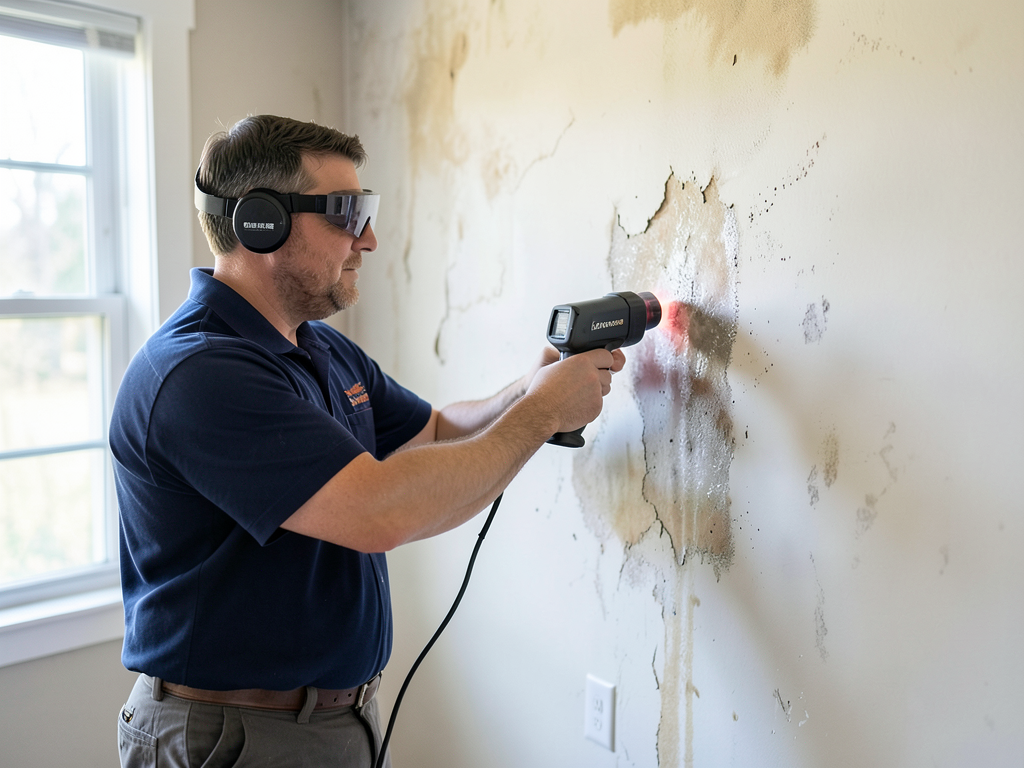
Common Health Symptoms That Might Point to Hidden Water Damage in Your Home

Common Health Symptoms That Might Point to Hidden Water Damage in Your Home Water damage in your Charlotte home often…

Contact Us

Fire damage creates hidden dangers that worsen every hour. Call Cornerstone Water Damage Restoration Charlotte at (980) 342-9955 for immediate assessment and stabilization. Our crews respond 24/7 with the equipment and expertise to protect your property and your family.