




Menu

Emergency Roof Leak Tarping in Charlotte – 24/7 Response Stops Water Damage in Under 90 Minutes

When your roof fails during a storm, every minute counts. Our emergency roof tarping crews deploy across Charlotte immediately to protect your property from catastrophic water intrusion while you arrange permanent repairs.

Slider Image 1
Slider Image 2
Slider Image 3
Slider Image 4
Slider Image 5
Slider Image 7
Slider Image 8
Slider Image 9
Slider Image 10
Slider Image 11

Charlotte Storm Damage Demands Immediate Roof Protection

You just watched tree limbs puncture your roof during a thunderstorm. Rain is pouring into your ceiling. Your phone is ringing with frantic calls about water pooling in your attic. Charlotte's severe weather patterns, particularly the intense summer thunderstorms rolling off Lake Norman and Lake Wylie, create roof breaches with zero warning. Wind gusts exceed 60 mph. Hail the size of golf balls cracks shingles and tears flashing. One compromised penetration point allows hundreds of gallons of water to saturate your insulation, drywall, and framing within hours.

The humid subtropical climate here amplifies the damage. Unlike dry climates where minor leaks evaporate, Charlotte's average 43 inches of annual rainfall and high humidity create perfect conditions for rapid mold colonization. Water that enters your structure at 3 PM can start breeding mold spores by midnight. Historic neighborhoods like Dilworth and Myers Park, with older roof systems and mature tree canopies, face elevated risk during storm events. Commercial properties in South End and Uptown cannot afford the liability exposure of active roof leaks during business hours.

Emergency roof tarp installation is not a permanent fix. It is a critical damage control measure. Urgent roof tarping services prevent a manageable repair from becoming a total loss claim. The emergency temporary roof covering buys you time to work with adjusters, get bids, and schedule proper restoration without watching your property deteriorate by the hour. When you need 24 hour roof tarping, you need a crew that understands structural integrity under emergency conditions.

Charlotte Storm Damage Demands Immediate Roof Protection
How Professional Emergency Tarping Stops Secondary Damage

How Professional Emergency Tarping Stops Secondary Damage

Amateur tarping fails. Blue tarps from hardware stores rip in 30 mph winds. Improper anchoring tears more shingles off your roof deck. Missing the actual breach point wastes time while water continues flooding your interior. Professional emergency roof leak tarp service begins with rapid damage assessment, not guesswork.

Our crews arrive with commercial-grade reinforced polyethylene tarps rated for high wind loads. We identify all penetration points, including secondary damage you cannot see from ground level. Split flashing around chimneys, lifted ridge caps, and torn valley metal require different securing methods than simple puncture holes. We use sandbag anchoring systems on fragile roof sections to avoid additional fastener penetrations through compromised decking. On steep-pitch roofs common in Charlotte's Craftsman and Colonial Revival homes, we deploy safety harnesses and establish secure anchor points before any material goes up.

The tarp extends minimum 4 feet beyond the damaged area in all directions. We overlap seams by at least 2 feet and seal them with professional adhesive strips. Edges get secured with battens, not just nails that will pull through under wind pressure. On commercial flat roofs, we address ponding water issues before tarping to prevent weight overload and tarp failure. The goal is creating a weathertight envelope that survives the next storm system while permanent repairs get scheduled.

This is not cosmetic work. Emergency tarping is structural first aid. Poor execution allows continued water intrusion that voids insurance coverage and creates contractor liability disputes. Our crews understand the difference between stopping damage and creating new problems.

What Happens When You Call for Emergency Tarping

Emergency Roof Leak Tarping in Charlotte – 24/7 Response Stops Water Damage in Under 90 Minutes
01

Immediate Dispatch and Assessment

Your call triggers immediate crew mobilization. We gather critical information during the call: breach location, active water intrusion severity, roof accessibility, and property type. Our dispatcher sends GPS coordinates to the nearest available crew truck. Response time averages under 90 minutes across the Charlotte metro area. Upon arrival, we perform a rapid exterior assessment to identify all damage points and confirm safe roof access before any equipment moves.
02

Secure Professional Tarp Installation

Crews establish safety perimeters and deploy fall protection systems. We photograph all damage for your insurance documentation. The damaged section gets cleared of debris and loose material. Commercial-grade tarps get positioned to extend well beyond the compromise zone, with battens securing edges and preventing wind uplift. All fastener penetrations go into solid decking or framing members. We verify watertight seal integrity before leaving the site.
03

Documentation and Monitoring Guidance

You receive detailed photo documentation showing pre-tarp damage, installed coverage, and all securing methods used. We provide specific guidance on monitoring the tarp during subsequent weather events and when to call for adjustments. You get a written scope of observed damage to share with your insurance adjuster and roofing contractor. We explain expected tarp lifespan based on current weather forecasts and recommend timeline for permanent repairs.

Why Charlotte Property Owners Trust Cornerstone for Emergency Roof Protection

Emergency response is not about showing up. It is about showing up prepared with the right equipment, trained personnel, and operational systems that function under pressure. Cornerstone Water Damage Restoration Charlotte maintains dedicated emergency tarping crews with roof safety certification and fall protection training. Our trucks carry inventory for simultaneous multi-property response during widespread storm events.

We understand Charlotte's building landscape. The transition from older neighborhoods with dimensional shingle roofs to newer construction with architectural shingles requires different tarping approaches. Commercial properties in University City with TPO membrane systems need different materials than the standing seam metal roofs common on newer South Charlotte builds. We know which securing methods work on the clay tile roofs in Eastover without causing additional breakage.

Local code knowledge matters during emergencies. Mecklenburg County has specific requirements for temporary roof coverings on commercial structures and multi-family properties. Improper temporary repairs can create citation issues and complicate your permanent repair permits. We document our installations to meet adjuster requirements and code compliance standards.

Insurance coordination separates professional services from amateur helpers. We provide itemized documentation that aligns with standard claims processes. Our crews understand what adjusters need to see in damage photos. We separate emergency mitigation costs from restoration estimates so you can file correctly and avoid claim delays. When your adjuster needs access for inspection, we coordinate scheduling and can remove and reinstall tarps if necessary for proper damage assessment.

Charlotte experiences severe weather year-round. Winter ice storms, spring tornado warnings, summer derechos, and fall hurricane remnants all create roof failures. Having a relationship with a professional emergency response provider before disaster strikes eliminates the chaos of searching for help while your property floods.

What You Can Expect from Our Emergency Tarping Service

Response Time and Availability

We answer emergency calls 24 hours a day, 365 days a year. No voicemail systems. No waiting until Monday morning. A trained dispatcher takes your information and immediately mobilizes the nearest crew. Average response time is under 90 minutes for the greater Charlotte metro area, including surrounding communities in Union, Cabarrus, Gaston, and York counties. During major storm events affecting multiple properties, we deploy additional crews and prioritize based on severity of active water intrusion and structural risk. You receive estimated arrival time during your initial call and status updates if conditions cause delays.

Damage Assessment and Documentation

Before any tarp goes up, we photograph all visible damage from multiple angles. You get these images immediately for your records and insurance claim. Our assessment identifies the primary breach point and any secondary damage that may not be visible from ground level, including lifted flashing, compromised valley metal, and damaged underlayment. We note any pre-existing conditions separate from storm damage. This documentation protects you during claims processing and provides your roofing contractor with clear information for estimating permanent repairs. We explain what we found in plain language, not technical jargon that confuses the situation.

Quality of Materials and Installation

We use only commercial-grade reinforced polyethylene tarps rated for sustained high winds. These are not consumer-grade hardware store tarps that degrade in sunlight and tear at grommet points. Our securing systems use battens, sandbag anchoring, and strategic fastener placement that holds under wind load without causing additional roof deck damage. Installation extends coverage well beyond the damaged area to ensure complete protection. All seams get overlapped and sealed properly. The result is a weathertight temporary barrier that survives the next storm system and prevents further water intrusion while you arrange permanent restoration.

Monitoring and Adjustment Support

Emergency tarps are temporary solutions designed to last through your insurance process and contractor scheduling. We provide specific guidance on what to watch for, including edge lifting, fastener pullout, and tarp degradation. If subsequent storms damage the tarp or if adjustments are needed for adjuster inspections, we return to address those issues. You get direct contact information for our emergency dispatch, not a general office number that routes through multiple people. We understand the stress of managing property damage and insurance processes. Our job is removing one variable from that equation by ensuring your temporary roof protection stays functional until permanent repairs begin.

Frequently Asked Questions

You Have Questions,
We Have Answers

Can I put a tarp on my roof to stop leaks? +

You can tarp your own roof if you feel safe doing so, but emergency roof tarping during active leaks is dangerous. Charlotte's unpredictable storms create slick surfaces and sudden wind gusts. If you attempt it, use a heavy-duty polyethylene tarp, secure it with 2x4 boards sandwiched around the ridge, and extend coverage at least four feet past the damaged area. However, improper installation causes more damage. Most homeowners lack proper fall protection and anchor points. If your roof is steep, the leak is large, or conditions are unsafe, call a professional immediately. Your safety matters more than stopping water temporarily.

How to temporarily cover a leaking roof? +

Stop active water entry by placing buckets inside, then assess from the ground. If safe, access the roof with a sturdy ladder and proper footwear. Use a heavy-duty tarp large enough to cover the leak plus four feet on all sides. Anchor the top edge over the ridge using boards and screws, never nails alone. Secure sides with sandbags or additional boards. Charlotte's humidity and afternoon thunderstorms mean you need watertight edges. If the damage is widespread, multiple tarps may overlap. This is a temporary fix only. Contact a roofing professional within 24 hours to prevent mold growth and structural damage.

How to emergency tarp a roof? +

Emergency roof tarping requires speed and safety. First, locate the leak from inside your attic. Access the roof only if conditions are safe. Use a minimum 6-mil polyethylene tarp, though 12-mil is better for Charlotte's weather. Extend the tarp at least four feet beyond the damaged area in all directions. Anchor the top edge over the roof ridge using wooden boards screwed through the tarp into roof decking. Weight down edges with sandbags or screw additional boards through grommets. Avoid walking on wet shingles. If the roof pitch exceeds 6/12 or weather is active, call a professional roofer immediately.

How much does emergency roof tarping cost? +

Emergency roof tarping in Charlotte typically costs between several hundred to over a thousand dollars depending on roof size, pitch, and damage extent. Steep roofs require more safety equipment and labor. After-hours or storm response adds to the price. Larger tarps and multiple anchor points increase material costs. Most insurance policies cover emergency mitigation, including tarping, under your dwelling coverage. Document everything with photos before work begins. Get a written estimate and keep all receipts. The cost of professional tarping is minimal compared to interior water damage, mold remediation, or structural repairs if you wait. Act fast to protect your investment.

How do you stop a leaking roof during heavy rain? +

Stop a leaking roof during heavy rain by addressing it from inside first. Place buckets and tarps to catch water and protect belongings. Move furniture and electronics away from the leak. If you can safely access the attic, push a small object through the leak from below to mark the spot for exterior repair. Never climb onto a wet roof during active storms. Charlotte's severe thunderstorms create lightning and wind hazards. Once rain stops and conditions are safe, apply a tarp from outside or call an emergency roofing service. Professionals have fall protection and can tarp safely in marginal conditions.

Why are people putting blue tarps on their roof? +

Blue tarps on roofs signal emergency storm damage protection. The blue color comes from standard polyethylene tarping material sold at hardware stores. After hurricanes, severe storms, or hail events in Charlotte, you will see blue tarps covering damaged sections while homeowners wait for insurance adjusters and roofing contractors. The tarp prevents further water intrusion and interior damage. Blue is simply the most common tarp color available, though professionals often use silver or white heavy-duty versions. If you see multiple blue tarps in your Charlotte neighborhood, a recent storm likely caused widespread roof damage requiring temporary emergency protection.

What can I use instead of tarping my roof? +

Alternatives to roof tarping include roofing cement for small holes, self-adhesive waterproof tape for minor flashing leaks, or temporary shingle patches. For small punctures, roofing cement applied with a putty knife works in dry conditions. Peel-and-stick roofing membrane covers small areas but fails in Charlotte's heat and humidity long-term. Some homeowners try plastic sheeting, but it lacks durability. For significant damage, tarping remains the best temporary solution. Avoid spray foam or expanding sealants, which complicate permanent repairs. No alternative matches a properly installed tarp for large-scale emergency protection. Schedule permanent repairs immediately regardless of temporary measures.

Does flex seal work on roof leaks? +

Flex Seal and similar spray sealants provide minimal temporary help for tiny roof leaks but fail for emergency situations. These products struggle with Charlotte's temperature swings, UV exposure, and heavy rainfall. They work only on completely dry surfaces, which is impossible during active leaks. The sealant does not bond well to wet or dirty shingles and degrades quickly. For small gutter leaks or minor flashing gaps in dry weather, Flex Seal may buy you days. For actual roof damage causing interior leaks, it is ineffective and wastes time. Use proper tarping methods and call a roofing professional for reliable emergency protection.

Can I apply roof Maxx myself? +

Roof Maxx is a spray treatment that rejuvenates asphalt shingles and is not designed for emergency leak repair. While some contractors offer DIY kits, application requires proper equipment, safety gear, and technique to avoid overspray on gutters, siding, and landscaping. Charlotte's humidity affects drying time and effectiveness. Roof Maxx extends shingle life by restoring flexibility but does not seal active leaks or damaged areas. It works only on structurally sound roofs showing age-related wear. For emergency situations, Roof Maxx is irrelevant. Focus on stopping water intrusion with tarping, then explore preventive treatments after permanent repairs are complete.

Will Fema put a tarp on my roof? +

FEMA provides free emergency roof tarping only after presidentially declared disasters through the Blue Roof Program. This program deploys contractors to install temporary blue tarps on damaged homes at no cost to homeowners. However, activation requires a federal disaster declaration affecting your specific Charlotte area. Most individual storm damage does not qualify. The program prioritizes homes where occupants cannot afford tarping and have no insurance. If a major hurricane or catastrophic event hits Charlotte and FEMA activates Blue Roof, register at DisasterAssistance.gov. For typical storm damage, contact your insurance company and hire a local roofing contractor immediately.

Why Charlotte's Storm Patterns Make Emergency Tarping a Critical Service

Charlotte sits in a geographic zone that experiences severe weather from multiple systems throughout the year. Spring brings severe thunderstorm complexes that form along the collision zone between warm Gulf moisture and cooler mountain air. Summer generates frequent pop-up storms with intense lightning, hail, and straight-line winds. Fall hurricane remnants track inland from the coast, bringing sustained rainfall that overwhelms drainage systems. Winter ice accumulation on tree branches causes limb failures that puncture roofs. The mature tree canopy across established neighborhoods like Plaza Midwood, Cotswold, and Chantilly creates beautiful shade but also generates projectiles during high wind events. Emergency roof tarp installation becomes essential infrastructure in this climate reality. Properties cannot wait days for contractor availability when water is actively entering the structure.

Mecklenburg County building codes require temporary roof coverings on commercial structures to meet specific standards for fire safety and wind resistance. Residential properties filing insurance claims need professional documentation showing proper emergency mitigation to avoid coverage disputes. Local adjusters expect specific photo evidence and itemized emergency service invoicing. Cornerstone Water Damage Restoration Charlotte maintains relationships with the regional claims offices for major carriers operating in this market. We understand their documentation requirements and provide materials that expedite your claim instead of creating processing delays. Our crews know the difference between emergency mitigation that preserves your coverage and improper temporary repairs that give adjusters grounds for denial. Local expertise protects your financial interests during an already stressful situation.
Water Damage Restoration Services in The Charlotte Area

Cornerstone is proud to serve Charlotte and the surrounding areas, providing rapid and reliable water damage restoration services when you need them most. Our commitment extends to ensuring properties across our service region receive expert care. You can find our main office located conveniently, allowing us to quickly dispatch our teams to your location and address your water damage emergencies with efficiency and professionalism. We are always ready to assist you.

Address:
Cornerstone Water Damage Restoration Charlotte, 222 Baldwin Ave, Charlotte, NC, 28204

Additional Services We Offer

Our news updates

Latest Articles & News from The Blogs

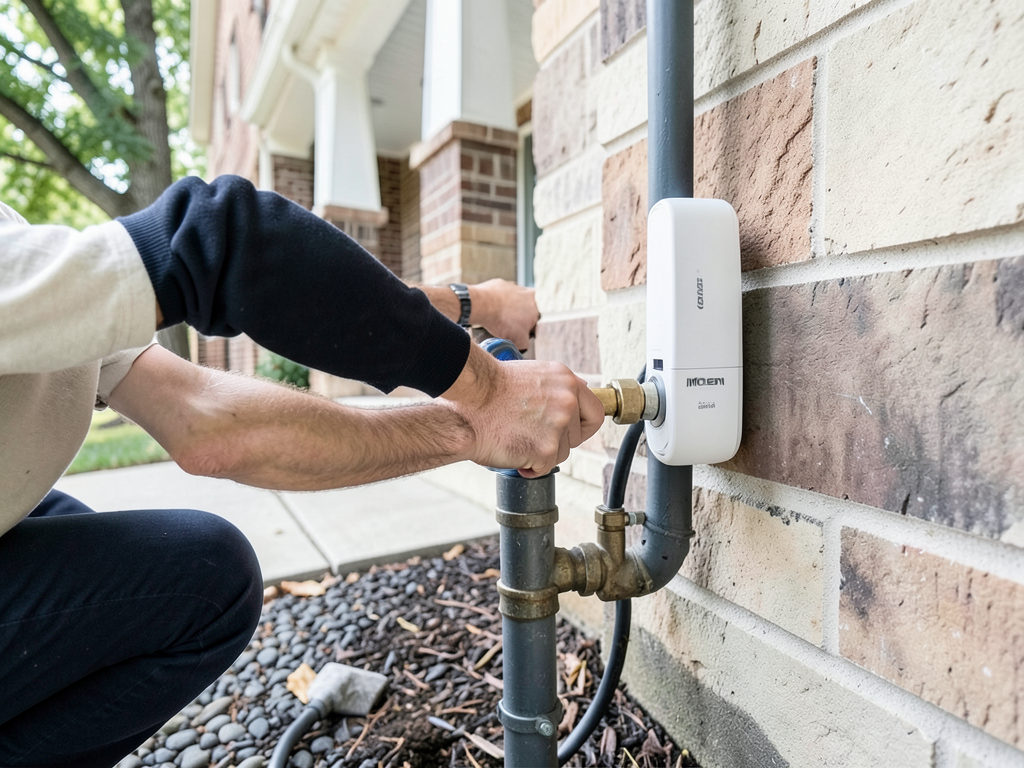
The Best Smart Leak Detectors to Prevent Water Damage in Ballantyne Water damage strikes Ballantyne homes every day from burst…

The Best Smart Leak Detectors to Prevent Water Damage in Ballantyne

The Best Smart Leak Detectors to Prevent Water Damage in Ballantyne Water damage strikes Ballantyne homes every day from burst…

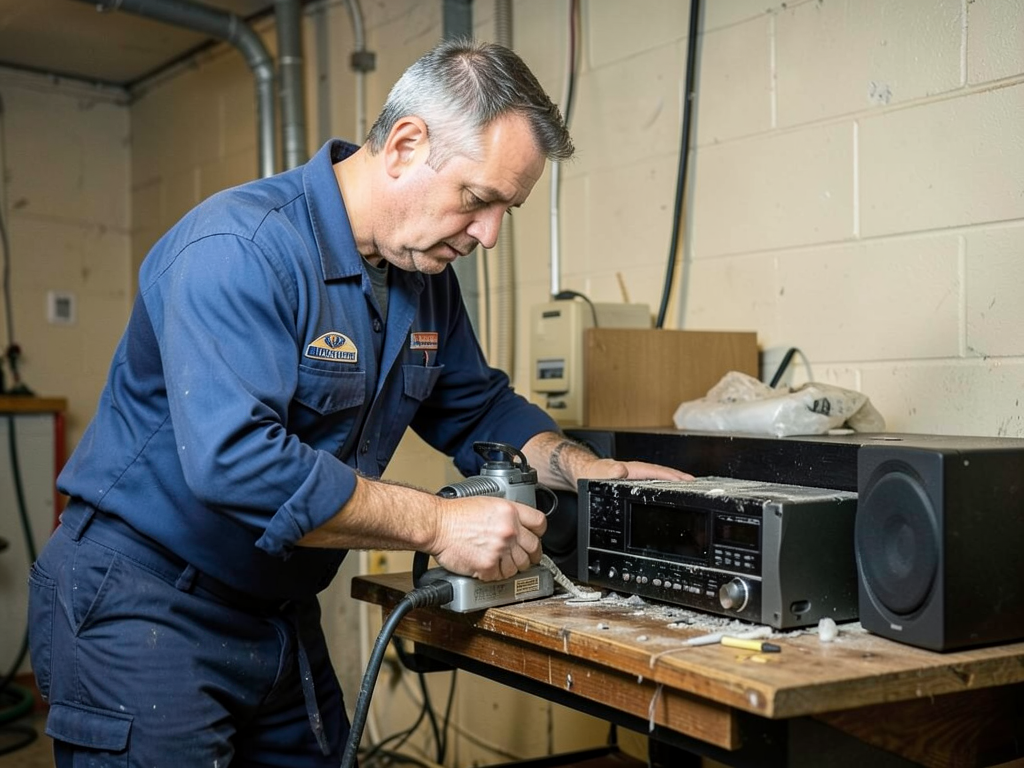
Safeguarding Expensive Home Theater Gear from Water Damage in Myers Park

Safeguarding Expensive Home Theater Gear from Water Damage in Myers Park Myers Park’s stately homes and finished basements create the…

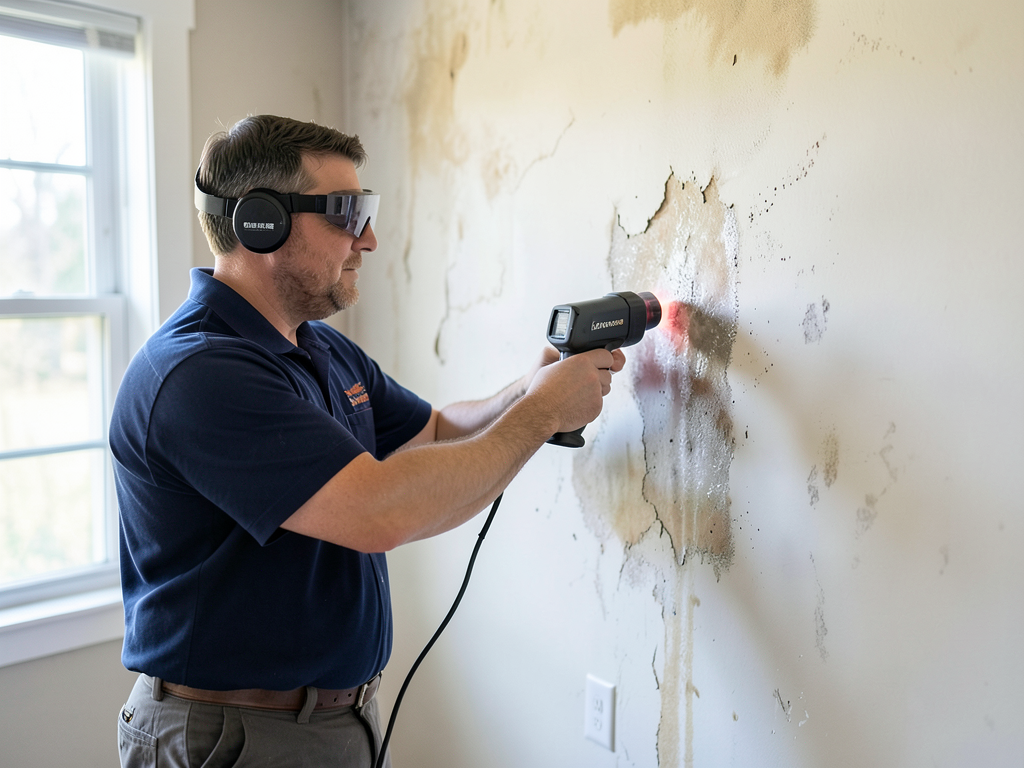
Common Health Symptoms That Might Point to Hidden Water Damage in Your Home

Common Health Symptoms That Might Point to Hidden Water Damage in Your Home Water damage in your Charlotte home often…

Contact Us

Every hour of roof exposure means more water damage, higher restoration costs, and increased mold risk. Call (980) 342-9955 right now. Our emergency dispatch team answers immediately and deploys the nearest crew to your location. Professional tarping stops the crisis tonight.