




Menu

Emergency Mold Containment in Charlotte – 24/7 Rapid Response Teams Dispatched in Under 60 Minutes

When mold growth threatens your health and property, every minute counts. Our certified emergency mold containment specialists arrive fast with industrial-grade isolation equipment to stop the spread before it escalates.

Slider Image 1
Slider Image 2
Slider Image 3
Slider Image 4
Slider Image 5
Slider Image 7
Slider Image 8
Slider Image 9
Slider Image 10
Slider Image 11

Charlotte's Humidity Crisis: Why Mold Spreads Fast and Why You Need Immediate Containment

Charlotte's subtropical climate creates perfect conditions for explosive mold growth. Our average humidity hovers between 65 and 75 percent year-round. When water damage strikes, mold spores can colonize damp surfaces in as little as 24 hours.

You are facing a biological emergency. Active mold colonies release mycotoxins and allergens into your breathing air. The longer mold stays uncontained, the more it spreads through HVAC ducts, wall cavities, and flooring systems. What starts as a small patch behind a toilet can infiltrate an entire floor in 48 hours.

Charlotte's older homes in neighborhoods like Dilworth and Myers Park often have crawl spaces with poor ventilation. Add a summer storm or winter pipe freeze, and you have ideal mold incubation conditions. Modern townhomes in South End face similar risks when HVAC condensation leaks go unnoticed.

Urgent mold isolation stops the spread immediately. Emergency mold abatement protects your family from respiratory distress, allergic reactions, and long-term health complications. Immediate mold mitigation prevents structural damage to wood framing and drywall. The difference between calling now and waiting until tomorrow can mean thousands in additional remediation costs.

If you see visible growth, smell musty odors, or have confirmed water damage in the last 72 hours, you need rapid mold containment services. The clock is ticking. Charlotte's climate will not wait, and neither should you.

Charlotte's Humidity Crisis: Why Mold Spreads Fast and Why You Need Immediate Containment
How We Execute Emergency Mold Containment: The Critical First Hours

How We Execute Emergency Mold Containment: The Critical First Hours

Emergency mold containment is not the same as full remediation. Containment is a tactical defense operation. The goal is to isolate the contaminated zone, stop cross-contamination, and stabilize the environment before mold spreads to clean areas.

We deploy negative air pressure chambers using HEPA-filtered air scrubbers. These machines create a vacuum effect that pulls contaminated air inward, preventing spore migration through doorways, vents, and hallways. We seal off the affected zone with 6-mil polyethylene sheeting and airtight zippers. This creates a controlled workspace where we can begin immediate mold mitigation without endangering the rest of your property.

Our technicians wear full PPE, including respirators with P100 filters. We do not cut corners on safety. We establish decontamination airlocks so no one tracks spores into clean zones. All tools and materials pass through a cleaning protocol before leaving the containment area.

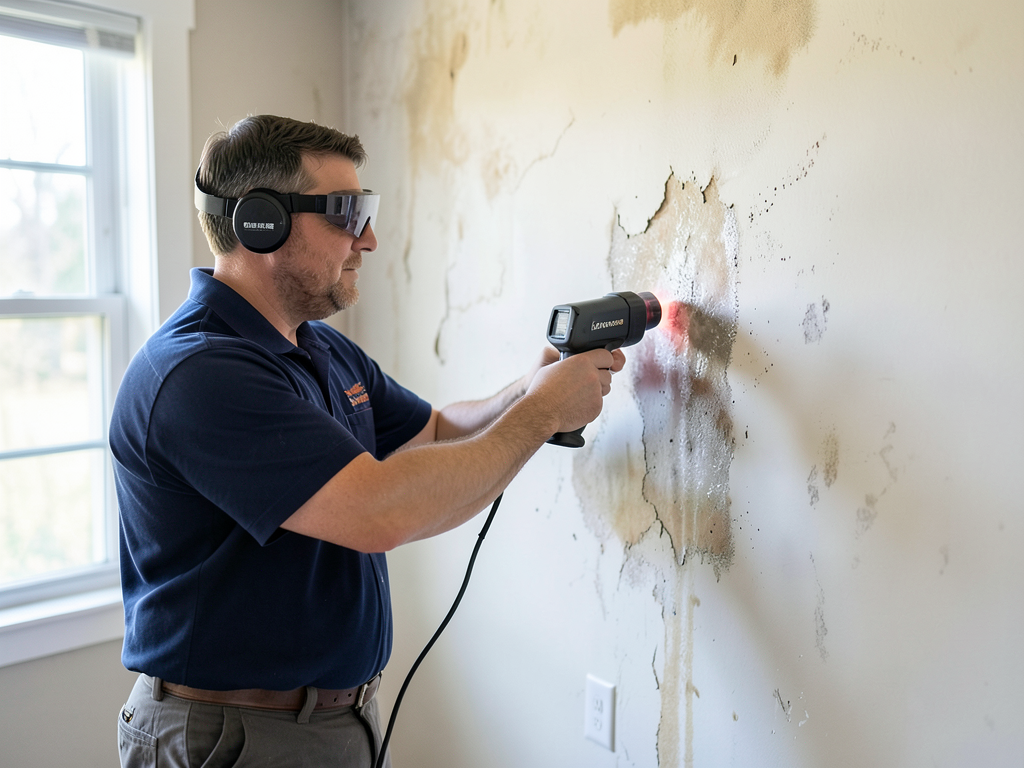
We identify the moisture source immediately. Mold cannot grow without water. If a pipe is still leaking or a roof is still dripping, containment alone will fail. We shut off water supplies, deploy industrial dehumidifiers, and use thermal imaging cameras to detect hidden moisture in walls and subfloors.

We document everything. Photos, moisture readings, airborne spore counts. This documentation becomes critical for insurance claims and verifying that containment was executed properly. You get a written action plan within the first hour that outlines the scope of contamination, the containment strategy, and the next steps for full remediation.

Cornerstone Water Damage Restoration Charlotte treats every emergency mold containment job as a health crisis. We move fast because biology does not wait.

What Happens When You Call for Emergency Mold Containment

Emergency Mold Containment in Charlotte – 24/7 Rapid Response Teams Dispatched in Under 60 Minutes
01

Immediate Dispatch and Assessment

You call our emergency line, and we dispatch a certified mold containment technician within 15 minutes. Our team arrives with containment equipment already loaded. We conduct a rapid visual inspection, identify the contaminated zones, and measure airborne spore levels using particle counters. You get an honest assessment of the threat level and a containment plan before any work begins.
02

Isolation and Negative Pressure Setup

We seal the affected area with polyethylene barriers and establish negative air pressure using HEPA air scrubbers. This prevents mold spores from traveling into clean rooms. We shut down HVAC systems if they risk spreading contamination. All entry points are controlled through decontamination airlocks. The containment zone is now isolated. Cross-contamination stops immediately.
03

Stabilization and Next Steps

We eliminate the moisture source, deploy drying equipment, and stabilize the environment. You receive a written containment report with photos, moisture readings, and a remediation timeline. We coordinate directly with your insurance adjuster if needed. The mold is now contained. Your family can breathe easier while we plan the full abatement and restoration process.

Why Charlotte Homeowners Trust Cornerstone for Emergency Mold Containment

Mold emergencies do not wait for business hours. We operate 24/7 because Charlotte's weather does not sleep. A 2 a.m. pipe burst or a Sunday afternoon roof leak can trigger mold growth before the sun rises. Our rapid response team is always ready.

We know Charlotte's construction. Homes in Plaza Midwood often have original 1920s plaster walls that hold moisture differently than modern drywall. Crawl spaces in East Charlotte require different containment strategies than slab-on-grade homes in Ballantyne. We adapt our containment protocols to the building type, age, and specific vulnerabilities.

Our technicians hold IICRC certifications in water damage restoration and applied microbial remediation. We follow ANSI/IICRA S520 standards for mold remediation. We do not guess. We measure moisture levels with calibrated hygrometers, test air quality with spore traps, and document every step for insurance and health safety compliance.

We work directly with Charlotte-area insurance adjusters and understand local claim protocols. You do not navigate the paperwork alone. We provide detailed estimates, photographic evidence, and moisture maps that help your claim move faster.

Cornerstone Water Damage Restoration Charlotte has contained mold emergencies in single-family homes, apartment complexes, and commercial buildings across Mecklenburg County. We have seen what happens when containment is delayed or done incorrectly. We have also seen how fast, professional containment saves families from weeks of displacement and tens of thousands in additional damage.

You need a team that treats your emergency like it matters. We do.

What to Expect When You Choose Emergency Mold Containment Services

Arrival Time and Availability

We dispatch emergency mold containment teams 24 hours a day, 7 days a week. Most Charlotte-area calls receive on-site arrival within 60 minutes. You speak to a live technician, not an answering service. We understand that mold growth does not pause for weekends or holidays. Our trucks are pre-loaded with containment barriers, HEPA air scrubbers, PPE, and moisture detection tools. We arrive ready to work, not to schedule a future visit. Speed matters because every hour of delay allows more spores to colonize new surfaces and more mycotoxins to saturate your indoor air.

On-Site Evaluation and Containment Plan

Our technician conducts a visual inspection and uses moisture meters, thermal imaging cameras, and airborne particle counters to map the contamination. We identify the moisture source, measure affected square footage, and determine if airborne spores have migrated beyond the visible growth area. You receive a written containment plan within the first hour that explains what we will isolate, how we will prevent cross-contamination, and what steps follow containment. We answer your questions clearly. No jargon walls. No pressure sales. Just honest information about the threat you face and the fastest path to safety.

The Quality of Containment Execution

We execute containment using IICRC-approved methods. That means airtight polyethylene barriers, negative air pressure chambers with HEPA filtration, and decontamination airlocks. We do not cut corners with painter's tape and plastic drop cloths. Our equipment removes 99.97 percent of airborne particles down to 0.3 microns. We shut down HVAC systems if necessary to prevent spore circulation. Every technician wears full PPE. We treat your home like a biohazard zone because, during active mold growth, it is. The result is a fully isolated containment area where mold cannot spread while we plan the next phase of remediation.

Documentation and Insurance Coordination

We photograph the contaminated area, record moisture readings, and document spore levels before and during containment. This creates a paper trail that supports your insurance claim. We provide detailed estimates broken down by labor, equipment, and materials. We communicate directly with your adjuster if you authorize it. Many Charlotte homeowners do not realize that mold containment is often covered under water damage policies if the mold resulted from a covered peril like a pipe burst or storm damage. We help you understand what your policy covers and what documentation the carrier needs. You are not left guessing about costs or claim status.

Frequently Asked Questions

You Have Questions,
We Have Answers

What is the proper containment for mold? +

Proper mold containment uses polyethylene sheeting to seal off the affected area from the rest of your Charlotte home. Professionals create negative air pressure with HEPA-filtered air scrubbers to prevent spores from spreading. Critical entry points, doorways, and HVAC vents get sealed with 6-mil plastic and zipper doors for controlled access. In Charlotte's humid climate, containment must happen fast because mold spreads quickly. The containment zone stays under negative pressure throughout removal. This protects your family and unaffected rooms from cross-contamination during the remediation process.

What plant removes 78% of airborne mold? +

English ivy removes about 78% of airborne mold according to research studies. The plant absorbs mold spores through its leaves and breaks them down naturally. However, this is not a solution for active mold growth in your Charlotte home. Ivy works as a preventative air filter in healthy spaces, not as remediation. If you have visible mold or smell musty odors, you need professional removal, not houseplants. Charlotte's humidity levels can actually cause mold to grow on plant soil if you overwater, creating more problems than the ivy solves.

Does FEMA pay for mold remediation? +

FEMA does not typically pay for mold remediation unless mold resulted directly from a federally declared disaster and you can prove the timeline. Even then, coverage is limited. FEMA assistance focuses on immediate safety hazards and structural repairs. Most Charlotte residents rely on homeowners insurance for mold coverage, but policies often exclude mold unless it resulted from a covered peril like burst pipes. Document everything with photos and dates. Contact a local public adjuster if your claim gets denied. Do not wait for FEMA approval while mold spreads through your home.

Is mold an OSHA violation? +

Yes, mold can trigger OSHA violations in Charlotte workplaces. OSHA does not have mold-specific standards, but employers must provide safe working conditions under the General Duty Clause. If mold exposure causes respiratory issues or allergic reactions, OSHA can cite your business. Commercial property owners face liability if employees get sick from mold. You must address visible growth immediately and provide proper ventilation. Document all remediation efforts. Charlotte's high humidity makes commercial buildings vulnerable, especially older structures near Lake Norman or the Catawba River where moisture intrusion happens frequently.

What are the first signs of mold sickness? +

First signs of mold sickness include persistent coughing, sneezing, watery eyes, and headaches that improve when you leave your Charlotte home. You might notice throat irritation, skin rashes, or chronic sinus congestion. Fatigue and difficulty concentrating are common but often overlooked symptoms. People with asthma experience worse attacks. If multiple family members feel sick indoors but better outside, mold exposure is likely. Charlotte's humidity creates perfect conditions for mold growth in crawl spaces, attics, and behind walls. Trust your body. Get professional testing if symptoms persist.

How to create a mold barrier? +

Creating a mold barrier requires sealing the contaminated area with 6-mil polyethylene sheeting from floor to ceiling. Tape all seams with mold-resistant sheathing tape. Install a zippered door for entry and exit. Set up HEPA air scrubbers to create negative air pressure, pulling air into the containment zone and filtering it before exhaust. Turn off HVAC systems serving the area to prevent spore spread through ducts. In Charlotte homes with crawl spaces, seal floor vents. The barrier stays in place throughout remediation. This is not a DIY project for areas larger than 10 square feet.

What pulls mold out of the air? +

HEPA air scrubbers pull mold spores from the air during remediation. These machines force air through High Efficiency Particulate Air filters that trap 99.97% of particles down to 0.3 microns. They create negative air pressure in containment zones, preventing spores from escaping. Standard home air purifiers with HEPA filters help in unaffected rooms but cannot remediate active growth. Charlotte's humidity means you need continuous air filtration during removal. Dehumidifiers reduce moisture but do not capture spores. Professionals use industrial-grade equipment that exchanges room air multiple times per hour throughout the remediation process.

Is it true that English ivy absorbs mold? +

Yes, English ivy absorbs airborne mold spores through its leaves. Studies show it can remove up to 78% of mold particles in controlled environments. However, this only works as prevention in clean spaces, not as treatment for existing mold problems in Charlotte homes. The plant needs proper care and cannot handle high spore counts from active growth. Overwatering ivy in Charlotte's humid climate can actually create mold on the soil. If you see or smell mold, you need professional remediation. Houseplants are supplemental air cleaners, not mold removal solutions.

What actually kills mold spores? +

EPA-registered antimicrobial solutions kill mold spores on contact during professional remediation. These biocides penetrate porous materials where spores hide. Heat treatment above 140 degrees also kills spores but risks damaging building materials. HEPA filtration captures spores from the air. However, killing spores is only part of the solution. Dead mold still triggers allergies and must be physically removed from your Charlotte home. Professionals use a combination of antimicrobial treatment, physical removal, HEPA vacuuming, and moisture control. Surface cleaners like bleach kill surface mold but do not penetrate deep enough for complete remediation.

What to do if I can't afford mold removal? +

If you cannot afford mold removal in Charlotte, address the moisture source immediately to stop growth. Run dehumidifiers and increase ventilation. Small areas under 10 square feet can be DIY cleaned with proper safety gear. Contact your homeowners insurance because policies often cover mold from covered perils like pipe bursts. Some Charlotte remediation companies offer payment plans or work with financing options. Document everything with photos for future insurance claims. Do not ignore mold. It damages your home's structure and your health. Delaying professional treatment in Charlotte's humid climate makes the problem exponentially worse and more expensive.

Why Charlotte's Humid Summers and Poor Crawl Space Ventilation Make Emergency Mold Containment Critical

Charlotte's summer dew points regularly exceed 65 degrees, creating ideal conditions for mold growth in any space with poor airflow. Our older neighborhoods feature homes built on crawl spaces with inadequate vapor barriers and venting. When a summer thunderstorm dumps three inches of rain in an hour, water seeps into these spaces and sits. Add high humidity, and mold colonies explode. Emergency mold containment becomes critical because the growth rate in Charlotte's climate outpaces drying efforts if containment is not established first. Rapid mold containment services stop the biological spread while dehumidification addresses the moisture source.

Cornerstone Water Damage Restoration Charlotte understands local building practices and the specific vulnerabilities of homes across Mecklenburg County. We know which neighborhoods have combined sewer systems that can backflow during heavy rains. We know which HVAC configurations in modern townhomes create condensation issues. Our technicians train on Charlotte-specific mold challenges, and we maintain relationships with local insurance adjusters who trust our documentation and containment methods. Choosing a local team means working with professionals who have contained mold in hundreds of Charlotte homes and know how to navigate the unique environmental and structural factors that make our area a high-risk zone for mold emergencies.
Water Damage Restoration Services in The Charlotte Area

Cornerstone is proud to serve Charlotte and the surrounding areas, providing rapid and reliable water damage restoration services when you need them most. Our commitment extends to ensuring properties across our service region receive expert care. You can find our main office located conveniently, allowing us to quickly dispatch our teams to your location and address your water damage emergencies with efficiency and professionalism. We are always ready to assist you.

Address:
Cornerstone Water Damage Restoration Charlotte, 222 Baldwin Ave, Charlotte, NC, 28204

Additional Services We Offer

Our news updates

Latest Articles & News from The Blogs

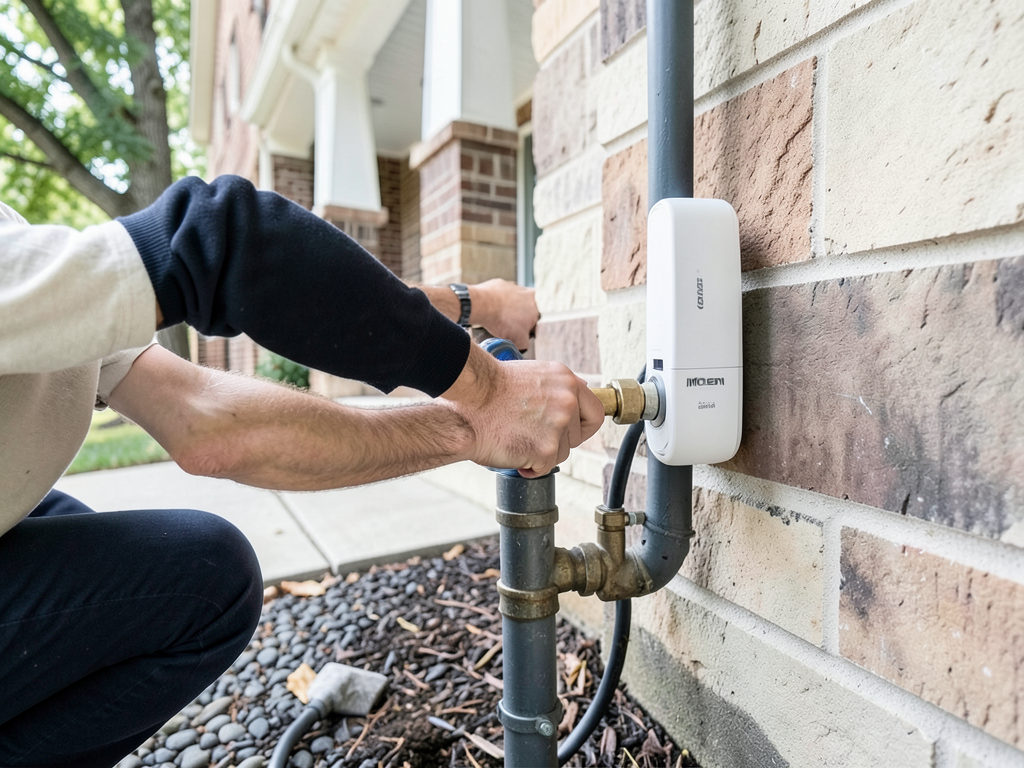
The Best Smart Leak Detectors to Prevent Water Damage in Ballantyne Water damage strikes Ballantyne homes every day from burst…

The Best Smart Leak Detectors to Prevent Water Damage in Ballantyne

The Best Smart Leak Detectors to Prevent Water Damage in Ballantyne Water damage strikes Ballantyne homes every day from burst…

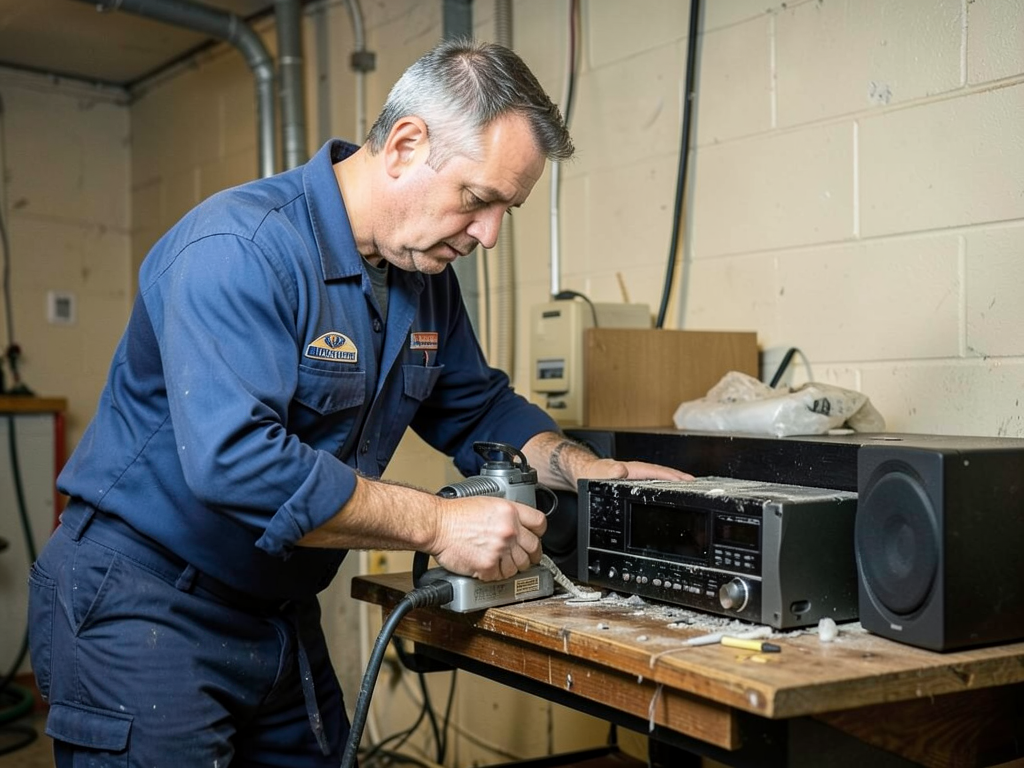
Safeguarding Expensive Home Theater Gear from Water Damage in Myers Park

Safeguarding Expensive Home Theater Gear from Water Damage in Myers Park Myers Park’s stately homes and finished basements create the…

Common Health Symptoms That Might Point to Hidden Water Damage in Your Home

Common Health Symptoms That Might Point to Hidden Water Damage in Your Home Water damage in your Charlotte home often…

Contact Us

Do not wait for mold to spread through your home. Call (980) 342-9955 now for immediate emergency mold containment in Charlotte. Our team dispatches fast, isolates the contamination, and protects your family's health. Available 24/7.