




Menu

Efflorescence on Concrete in Charlotte – Expert Diagnosis and Permanent Moisture Solutions

When white powder on concrete appears in your Charlotte home or business, it signals active moisture intrusion that demands immediate professional assessment. We identify the source and eliminate the problem permanently.

Slider Image 1
Slider Image 2
Slider Image 3
Slider Image 4
Slider Image 5
Slider Image 7
Slider Image 8
Slider Image 9
Slider Image 10
Slider Image 11

Why White Powder Keeps Appearing on Your Charlotte Concrete

You walk into your basement and notice it again. That chalky white residue on concrete surfaces that you scrubbed away last month has returned. This time, it brought friends. The crystalline deposits on concrete have spread across the foundation wall, and now you see mineral salts on concrete near your floor drain.

This is efflorescence, and in Charlotte, it is not a cosmetic problem. It is a diagnostic clue.

Charlotte sits on dense clay soil that expands when wet and contracts when dry. This constant movement creates hairline cracks in foundation walls. Our humid subtropical climate dumps an average of 43 inches of rain annually. When groundwater pressure builds against your foundation during our intense summer thunderstorms, water forces its way through those microscopic cracks. As it evaporates, it leaves behind dissolved minerals. The white powder on concrete you see is calcium carbonate, sodium sulfate, or potassium salts that traveled through the concrete with that water.

The Lake Norman area and neighborhoods near McMullen Creek experience particularly aggressive efflorescence because of high water tables. Homes in Myers Park and Dilworth with older brick foundations face dual threats. The mortar joints deteriorate faster than the brick, creating pathways for moisture migration.

You cannot scrub efflorescence away permanently. The concrete salt deposits will return as long as moisture keeps moving through your foundation. The chalky surface is not the enemy. The water behind it is. That water carries mold spores, degrades concrete integrity, and raises indoor humidity levels that compromise your entire structure.

Understanding what efflorescence tells you about your building is the first step toward fixing it correctly.

Why White Powder Keeps Appearing on Your Charlotte Concrete
How We Stop Efflorescence by Eliminating the Moisture Source

How We Stop Efflorescence by Eliminating the Moisture Source

Most contractors treat efflorescence like a cleaning problem. They pressure wash the white residue on concrete, apply a sealer, and leave. Three months later, you call them back because the crystalline deposits returned.

We treat efflorescence as a moisture intrusion problem because that is what it is.

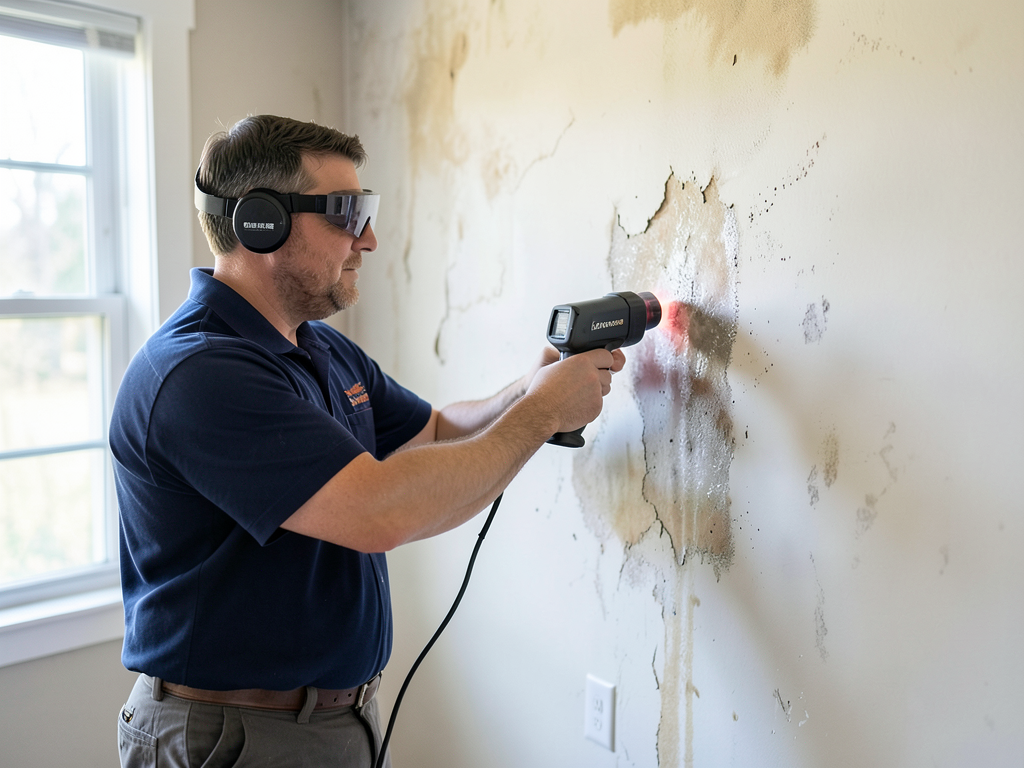
Our diagnostic protocol starts with moisture mapping using non-invasive meters that measure relative humidity levels within the concrete itself, not just surface moisture. We identify active vs. inactive efflorescence by checking if the deposits feel damp or bone dry. Damp efflorescence means water is moving through right now. Dry deposits indicate historical moisture that may have stopped.

Next, we trace the water source. In Charlotte basements, the culprits usually include inadequate exterior grading that slopes toward the foundation, failed footer drains clogged with Carolina clay, hydrostatic pressure from seasonal water table fluctuations, or capillary action wicking groundwater up through the concrete slab.

We perform blitz tests on suspect areas. This involves taping clear plastic sheets over sections of affected concrete and checking for condensation after 24 hours. Condensation on the plastic's exterior surface indicates high indoor humidity. Condensation on the interior surface confirms moisture is rising through the slab.

For foundation walls, we inspect exterior grade levels, downspout discharge points, and the condition of any existing waterproofing membranes. We check interior drainage systems and sump pump functionality.

Only after we isolate the moisture pathway do we design the remediation strategy. This might include exterior excavation and waterproofing, interior drainage system installation, crack injection with hydrophobic polyurethane, or vapor barrier applications. The mineral salts on concrete get mechanically removed only after we confirm the moisture source is eliminated.

Surface treatments without moisture control fail every time.

What Happens During Your Efflorescence Assessment

Efflorescence on Concrete in Charlotte – Expert Diagnosis and Permanent Moisture Solutions
01

Moisture Source Identification

We start by mapping every location where white powder on concrete appears in your structure. Using calibrated moisture meters and thermal imaging cameras, we measure humidity levels within the concrete and identify temperature differentials that indicate active water movement. We document the efflorescence pattern because deposits concentrated near floor-wall joints suggest different problems than deposits spread uniformly across vertical surfaces. This diagnostic phase typically takes 45 to 90 minutes depending on your building's size.
02

Root Cause Analysis

After confirming active moisture intrusion, we trace the water back to its entry point. This involves exterior inspection of grading, gutters, and drainage systems, plus interior evaluation of floor drains, sump pumps, and plumbing penetrations. We perform blitz testing on suspect concrete sections and may use a concrete core sample to assess the depth of moisture penetration. In Charlotte's clay soil conditions, we pay special attention to foundation movement indicators like stair-step cracking in mortar joints or separation between walls and floors.
03

Solution Design and Execution

Based on diagnostic findings, we design a moisture control strategy specific to your building. This may include exterior waterproofing, interior drainage installation, crack repair using hydraulic cement or polyurethane injection, or vapor barrier systems. We remove existing concrete salt deposits mechanically using wire brushes or low-pressure washing after moisture control measures are in place. Our goal is permanent resolution, not temporary cosmetic improvement. You receive documentation of all findings, photos of the work, and guidance on monitoring for future issues.

Why Charlotte Property Owners Choose Cornerstone for Efflorescence Problems

Efflorescence diagnosis requires understanding both building science and local geology. A technician unfamiliar with Charlotte's Triassic basin clay soils might misdiagnose your problem completely. These dense, expansive clays create unique foundation stresses that do not exist in sandy or loamy soil regions.

We have mapped moisture intrusion patterns in hundreds of Charlotte properties, from historic South End bungalows with rubble stone foundations to modern Ballantyne townhomes with poured concrete slabs. We know that homes in the Providence Road corridor face different challenges than properties near the Catawba River. Water table depths, soil composition, and drainage infrastructure vary significantly across Mecklenburg County.

Our team understands local building code evolution. Homes built before 1980 often lack adequate vapor barriers or footer drainage systems. Properties constructed during Charlotte's 1990s growth boom frequently have builder-grade waterproofing that has reached end of life. New construction in developments like Berewick or Rivergate still experiences efflorescence if site grading was rushed or improperly executed.

We use diagnostic equipment calibrated for our climate. Moisture meter readings that indicate a problem in Phoenix might be normal in Charlotte where ambient humidity regularly exceeds 70 percent during summer months. We interpret data through the lens of local conditions.

You also get straight answers. If your efflorescence stems from a minor grading issue that you can fix yourself, we will tell you. If it signals foundation movement that requires structural engineering evaluation, we will tell you that too. We have relationships with local structural engineers, foundation repair specialists, and waterproofing contractors. If your problem exceeds our scope, we connect you with qualified professionals.

Cornerstone Water Damage Restoration Charlotte exists to solve moisture problems correctly, not to upsell services you do not need.

What You Can Expect When You Call Us

Rapid Response Scheduling

We typically schedule initial assessments within 48 hours of your call. For active water intrusion emergencies where efflorescence appears alongside visible seepage or flooding, we dispatch same-day. Our diagnostic visits last between one and two hours depending on your property size and the complexity of moisture patterns. You receive a verbal summary of findings on-site, followed by a detailed written report within 24 hours. We work around your schedule, including evening and weekend appointments, because we understand that most property owners cannot take time off work for a basement inspection.

Comprehensive Moisture Evaluation

Our assessment goes beyond looking at white powder on your floor. We measure concrete moisture content using penetrating and non-penetrating meters. We check relative humidity levels in your basement or crawlspace. We inspect exterior drainage, downspout extensions, and grading slopes. We evaluate sump pump operation and check for plumbing leaks. You get photos of all affected areas, moisture meter readings, and thermal images showing temperature differentials that indicate water movement. This documentation proves invaluable if you need to file an insurance claim or disclose conditions during a property sale. We explain findings in plain language without technical jargon unless you want the details.

Permanent Problem Resolution

Our remediation plans target the moisture source, not the symptom. If your efflorescence results from exterior drainage problems, we will not try to sell you an expensive interior system. If hydrostatic pressure requires a footer drain installation, we will not waste your money on surface sealers. Every solution is engineered for your specific building and soil conditions. We use commercial-grade materials designed for high water table environments. Our crack injection polyurethanes are hydrophobic and expand on contact with water. Our drainage systems include battery backup sump pumps because Charlotte thunderstorms knock out power. You get solutions built for longevity, not quick fixes that fail after the warranty expires.

Post-Remediation Monitoring Guidance

After we complete moisture control work, we provide a monitoring checklist so you can verify the problem stays solved. This includes recommended inspection intervals, signs that would indicate recurring moisture intrusion, and humidity levels to maintain in your basement or crawlspace. We explain how to interpret what you see so you can distinguish between normal seasonal humidity fluctuations and actual water intrusion. You receive our direct contact information. If you notice anything concerning during the first year after remediation, we come back to investigate at no charge. Our goal is your confidence that the white residue will not return because the water pathway no longer exists.

Frequently Asked Questions

You Have Questions,
We Have Answers

How do you fix efflorescence in concrete? +

First, identify the moisture source causing the efflorescence. In Charlotte, this often stems from crawl space humidity or poor grading around foundations. Dry brush the white deposits off the surface using a stiff brush. For stubborn deposits, use a mild acidic cleaner designed for masonry. Rinse thoroughly with clean water. Address the underlying moisture problem by fixing drainage, sealing cracks, or installing vapor barriers. If efflorescence keeps returning, you have active water intrusion that needs professional attention. The salts are just a symptom. Stop the water, stop the efflorescence.

Should I remove concrete efflorescence? +

Yes, remove efflorescence before it worsens. The white crystalline deposits are salts pulled to the surface by moisture moving through concrete. While the salts themselves are not harmful, they signal ongoing water movement that can degrade concrete over time. In Charlotte's humid climate, trapped moisture accelerates freeze-thaw damage during winter months. Brush off the deposits and identify the water source. Leaving efflorescence untreated means the underlying moisture issue continues to weaken your concrete foundation or basement walls. Address it now before minor cosmetic problems become structural repairs.

Can you seal concrete over efflorescence? +

No, never seal over efflorescence. Sealing traps moisture and salts beneath the surface, which causes spalling, flaking, and coating failure. The seal will peel off within months. You must remove all visible efflorescence and eliminate the moisture source first. Let the concrete dry completely, which in Charlotte's humidity can take several weeks depending on the season. Test moisture levels before sealing. If efflorescence returns after cleaning, you still have active water intrusion. Fix the water problem, remove the deposits, allow proper drying time, then seal. Skipping these steps wastes money and creates bigger problems.

Does vinegar remove efflorescence? +

White vinegar can remove light efflorescence, but it is not the most effective solution. The acetic acid in vinegar dissolves some salt deposits, but it works slowly on heavy buildup. For Charlotte basements with significant efflorescence, you need stronger muriatic acid or commercial efflorescence cleaners formulated for masonry. Vinegar works for small areas or maintenance cleaning. Apply it full strength, let it sit for 10 minutes, scrub with a stiff brush, and rinse thoroughly. For persistent efflorescence or large areas, skip the home remedy and use proper masonry cleaners to save time and effort.

Does efflorescence indicate water damage? +

Yes, efflorescence is a direct indicator of moisture moving through concrete. Water dissolves salts in the concrete, masonry, or surrounding soil, then carries them to the surface as it evaporates. You see the white deposits left behind. In Charlotte, common sources include foundation leaks, poor exterior grading, high water tables, or crawl space moisture. The efflorescence itself does not damage concrete, but the moisture causing it can lead to mold growth, structural weakening, and freeze-thaw damage. Treat efflorescence as a warning sign. Find the water source and fix it before you face serious water damage.

What is the best efflorescence remover? +

Commercial efflorescence removers formulated for concrete and masonry work best. Look for products containing phosphoric acid or a blend of mild acids designed to dissolve salt deposits without damaging concrete. Brands like RadonSeal Efflorescence Cleaner or Prosoco Sure Klean work well for Charlotte foundations and basement walls. Muriatic acid diluted to 10 percent solution removes heavy buildup but requires protective equipment and careful handling. For light deposits, a stiff brush and water may suffice. Always test cleaners on a small area first. Remember, removing the salts is temporary if you do not fix the moisture source.

When to worry about efflorescence? +

Worry about efflorescence when it returns repeatedly after cleaning. One-time efflorescence on new concrete is normal as residual salts cure out. Charlotte homeowners should concern themselves when white deposits reappear weeks after removal. This signals active water intrusion. Also worry if you see efflorescence paired with cracking, spalling, or soft concrete. These indicate advanced moisture damage. Efflorescence in basements or crawl spaces suggests groundwater issues or foundation leaks that need immediate attention. Do not ignore recurring deposits. The longer water moves through concrete, the more damage occurs to your foundation and the higher your repair costs climb.

What is the 20/30/40 rule in concrete? +

The 20/30/40 rule is a concrete mix design guideline, not related to efflorescence. It refers to cement content percentages in different strength mixes. This rule does not apply to residential water damage concerns in Charlotte. If you are seeing efflorescence on concrete, focus on moisture control, not mix ratios. The rule matters for contractors pouring new slabs or foundations, specifying 20, 30, or 40 percent cement by volume depending on application. For homeowners dealing with white salt deposits, ignore this technical specification. Your priority is identifying water sources and stopping moisture intrusion before structural damage worsens.

Will Dawn and vinegar clean concrete? +

Dawn dish soap and vinegar can clean light surface dirt from concrete, but this combination does not effectively remove efflorescence or address water damage. The mild acidity might dissolve minimal salt deposits, but you need stronger solutions for real efflorescence problems. In Charlotte basements with moisture issues, use proper masonry cleaners or diluted muriatic acid. Dawn and vinegar work fine for patio furniture or greasy garage floors. For white crystalline deposits signaling water intrusion through your foundation, this home remedy wastes time. Use the right tool for the job. Clean efflorescence with acid-based masonry cleaners, then fix the water source.

Does Drylok stop efflorescence? +

Drylok and similar masonry waterproofers do not stop efflorescence. They can actually trap moisture and salts behind the coating, causing the paint to peel and bubble. You must remove all efflorescence and fix the moisture source before applying any sealer. Drylok works as a barrier on properly prepared, dry surfaces, but it is not a solution for active water problems. Charlotte homeowners often make this mistake, painting over efflorescence in basements. The coating fails within months. Address drainage issues, install proper waterproofing systems, remove all deposits, let concrete dry completely, then consider sealers. Drylok is a finish, not a fix.

How Charlotte's Clay Soil Accelerates Concrete Efflorescence

Charlotte sits atop the Carolina Terrane, a geological formation dominated by Triassic basin sediments and dense Piedmont clay. This clay expands up to 10 percent when saturated and shrinks equally when dry. During our wet springs and intense summer thunderstorm periods, the soil swells and exerts lateral pressure against foundation walls. As it dries in fall, it contracts and pulls away, creating gaps that fill with water during the next rain event. This constant expansion and contraction cycle creates and reopens foundation cracks faster than in regions with sandy or stable soils. The result is accelerated efflorescence because water has more pathways into your concrete. Properties near creeks like Briar Creek, McMullen Creek, or Little Sugar Creek face even higher groundwater pressure during heavy rain, making white powder on concrete an almost guaranteed problem without proper foundation waterproofing.

Charlotte building codes have evolved significantly regarding moisture control, but thousands of homes predate modern waterproofing requirements. If your home was built before vapor barrier mandates or proper footer drain specifications, efflorescence is not a question of if, but when. We understand the construction methods used during every era of Charlotte's development. We have worked on mill village homes in NoDa with stone foundations, mid-century ranch homes in Eastover with block walls, and new construction in Weddington with monolithic slabs. Each construction type requires different diagnostic approaches and remediation strategies. Our familiarity with local soil reports, water table maps, and historical flooding patterns in neighborhoods across Mecklenburg County allows us to predict problems and design solutions that account for your specific location's challenges.

Water Damage Restoration Services in The Charlotte Area

Cornerstone is proud to serve Charlotte and the surrounding areas, providing rapid and reliable water damage restoration services when you need them most. Our commitment extends to ensuring properties across our service region receive expert care. You can find our main office located conveniently, allowing us to quickly dispatch our teams to your location and address your water damage emergencies with efficiency and professionalism. We are always ready to assist you.

Address:
Cornerstone Water Damage Restoration Charlotte, 222 Baldwin Ave, Charlotte, NC, 28204

Additional Services We Offer

Our news updates

Latest Articles & News from The Blogs

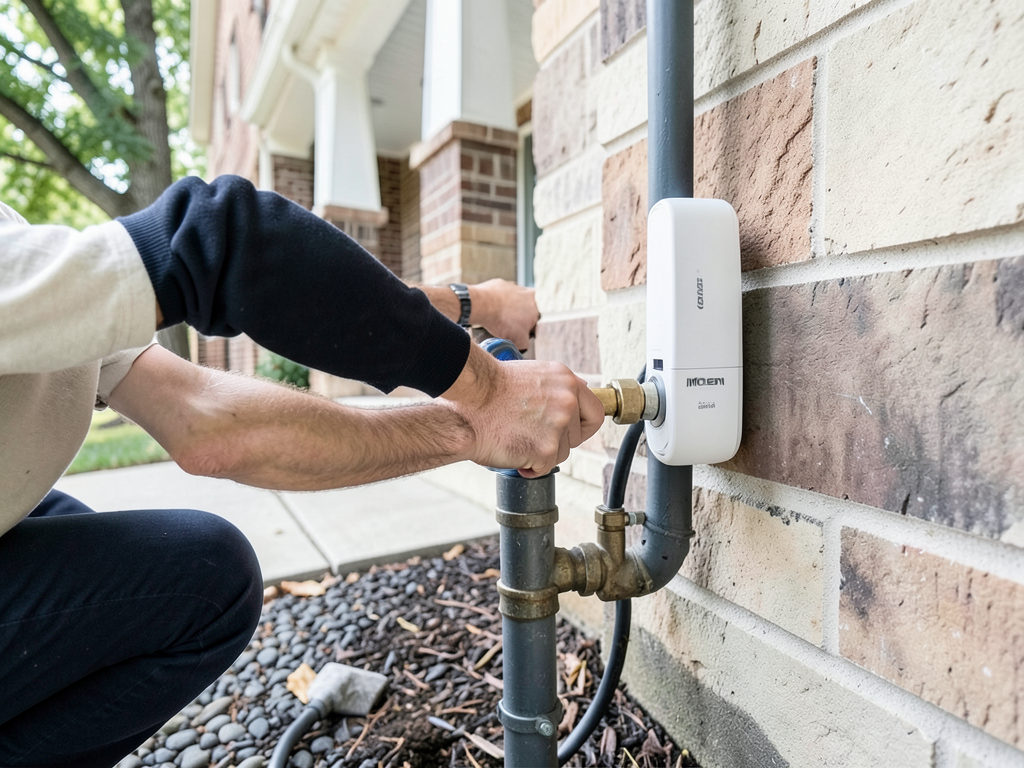
The Best Smart Leak Detectors to Prevent Water Damage in Ballantyne Water damage strikes Ballantyne homes every day from burst…

The Best Smart Leak Detectors to Prevent Water Damage in Ballantyne

The Best Smart Leak Detectors to Prevent Water Damage in Ballantyne Water damage strikes Ballantyne homes every day from burst…

Safeguarding Expensive Home Theater Gear from Water Damage in Myers Park

Safeguarding Expensive Home Theater Gear from Water Damage in Myers Park Myers Park’s stately homes and finished basements create the…

Common Health Symptoms That Might Point to Hidden Water Damage in Your Home

Common Health Symptoms That Might Point to Hidden Water Damage in Your Home Water damage in your Charlotte home often…

Contact Us

White powder on your concrete will return until you eliminate the moisture source. Call Cornerstone Water Damage Restoration Charlotte at (980) 342-9955 today. We will identify why water is moving through your foundation and fix it correctly the first time.