




Menu

Disaster Recovery Planning in Charlotte – Protect Your Business Against Water Damage Before It Halts Operations

Comprehensive disaster restoration planning that keeps your Charlotte facility operational during water emergencies, minimizing downtime and protecting revenue through proven commercial emergency response protocols.

Slider Image 1
Slider Image 2
Slider Image 3
Slider Image 4
Slider Image 5
Slider Image 7
Slider Image 8
Slider Image 9
Slider Image 10
Slider Image 11

Why Charlotte Commercial Properties Need Pre-Loss Planning

Charlotte sits in the Piedmont region where summer thunderstorms dump inches of rain in minutes, overwhelming commercial drainage systems and saturating building envelopes. The city's rapid expansion means older buildings with aging plumbing share neighborhoods with new construction, creating variable risk profiles across the metro area. When a pipe bursts in your SouthPark office tower or storm water floods your Northlake warehouse, the clock on lost revenue starts immediately.

Most Charlotte businesses wait until water damage occurs to find restoration help. That reactive approach costs you hours in response time, days in operational downtime, and thousands in preventable secondary damage. Without facility contingency planning, your team scrambles to find contractors, locate shutoff valves, and coordinate with insurers while water spreads through your space.

Business continuity planning specific to water damage events gives you a documented response framework before disaster strikes. You know exactly who to call, what equipment gets priority protection, and how to minimize business interruption. For manufacturing facilities near Charlotte Douglas International Airport or retail centers along Independence Boulevard, every hour of downtime translates directly to lost production or sales.

Pre-loss planning identifies your building's specific vulnerabilities. Is your server room on the ground floor where storm surge enters? Do you have backflow prevention for your below-grade storage? These questions get answered during calm times, not crisis moments. Commercial emergency response planning transforms a chaotic emergency into an orchestrated recovery operation where your team executes a tested protocol instead of improvising under pressure.

Why Charlotte Commercial Properties Need Pre-Loss Planning
How Disaster Restoration Planning Works for Charlotte Facilities

How Disaster Restoration Planning Works for Charlotte Facilities

Cornerstone Water Damage Restoration Charlotte builds disaster recovery plans around your specific facility layout, operations, and risk profile. We start with a complete site assessment, documenting water sources, drainage patterns, critical asset locations, and potential failure points. This includes mapping main water shutoffs, secondary isolation valves, floor drain locations, and exterior grading issues that could channel storm water toward your building.

We identify your critical operations and inventory. A medical office needs patient records protected differently than a distribution center protects product inventory. Your plan prioritizes what matters most to your revenue stream. We document equipment that requires immediate extraction, materials that need climate-controlled drying, and spaces that can tolerate temporary service interruption.

The planning process includes establishing emergency contact protocols, vendor relationships, and decision trees. You get a physical emergency response guide plus digital access through our commercial client portal. Your facility manager knows the sequence: isolate water source, protect critical assets, contact restoration team, notify insurance, implement temporary operations. No guesswork.

We integrate with your existing business continuity framework. If you already have disaster recovery protocols for IT systems or supply chain disruption, water damage response slots into that structure. For companies without broader continuity planning, we provide the foundation you can build on.

Testing validates the plan. We run tabletop exercises where your team walks through response scenarios. What happens if the second-floor bathroom floods at 2 AM on Saturday? Who has building access? Where are extraction units staged? These drills expose gaps before real emergencies reveal them. Your plan becomes a living document that updates as your facility changes, not a binder that sits untouched until crisis strikes.

Building Your Facility's Water Damage Response Protocol

Disaster Recovery Planning in Charlotte – Protect Your Business Against Water Damage Before It Halts Operations
01

Comprehensive Facility Assessment

We conduct a detailed walkthrough of your Charlotte property, identifying every water source, vulnerable area, and critical asset. This includes photographing key shutoff locations, documenting construction materials that affect drying time, and mapping drainage paths water would follow during different failure scenarios. You receive a complete facility profile that becomes the foundation for your customized response plan.
02

Response Protocol Development

We create your step-by-step emergency procedures based on the facility assessment. This includes primary and backup contact lists, equipment staging locations, priority protection zones, and coordination workflows with your insurance carrier. The protocol accounts for different scenarios like burst pipes, roof leaks, or storm flooding, giving your team clear direction regardless of water source. Each plan integrates with your operational requirements and staffing structure.
03

Training and Plan Activation

Your facility team receives hands-on training in plan execution, including shutoff valve operation, initial damage assessment, and communication protocols. We provide both physical response guides and 24/7 digital access to your disaster recovery documentation. When water damage occurs, you activate a tested system where roles are assigned, priorities are clear, and our emergency response team deploys with full knowledge of your facility layout and business requirements.

Why Charlotte Businesses Trust Cornerstone for Pre-Loss Planning

Cornerstone Water Damage Restoration Charlotte understands the specific challenges facing commercial properties across Mecklenburg County. We know how Charlotte's clay soil causes foundation settling that stresses plumbing connections. We understand how the region's temperature swings create condensation issues in HVAC systems. We work regularly with properties subject to Charlotte-Mecklenburg stormwater regulations and understand how compliance affects your drainage infrastructure.

Our commercial team has built disaster recovery plans for office towers in Uptown, industrial facilities in University City, medical centers near Presbyterian Hospital, and retail complexes throughout the metro area. Each property type presents unique vulnerabilities and operational requirements. A laboratory has different priorities than a call center. Your plan reflects those differences.

We coordinate with the commercial insurance carriers active in Charlotte's market. Your disaster restoration planning integrates with policy requirements, claim procedures, and documentation standards your insurer expects. This alignment eliminates friction during claim filing and speeds reimbursement for covered damages.

Local response capability matters during widespread events. When severe storms impact the entire metro area, national franchise operations dispatch teams from other regions. Cornerstone maintains equipment, staff, and supply relationships in Charlotte. Your pre-loss plan includes guaranteed response from a team already familiar with your facility because they built your protocol.

The commercial properties we serve stay operational during water emergencies because planning happened before crisis. Manufacturing lines restart faster, retail spaces reopen sooner, and office workers return to functional spaces instead of prolonged displacement. That operational resilience comes from documented procedures, tested protocols, and established relationships built during calm conditions, not emergency chaos.

What Your Disaster Recovery Plan Includes

Immediate Response Framework

Your plan provides 24/7 access to emergency response teams who already know your facility layout and operational priorities. We maintain dedicated commercial response equipment in Charlotte, allowing deployment within hours instead of days. The framework includes after-hours building access procedures, utility isolation steps, and initial damage containment protocols your staff can execute before professional crews arrive. This immediate action window prevents minor water intrusion from becoming major operational disruption.

Customized Facility Documentation

You receive comprehensive facility documentation including annotated floor plans, utility shutoff locations with photos, priority asset lists, and material-specific drying requirements. This documentation lives in both physical binders at your facility and secure digital format accessible from any device. We update your documentation annually or when you notify us of facility changes, keeping the information current as your operation evolves. The documentation becomes your playbook during emergencies and your reference guide during plan reviews.

Tested Recovery Protocols

The disaster restoration plan includes scenario-specific response protocols tested through tabletop exercises with your team. You know exactly how to respond to supply line failures, roof leaks, HVAC condensate overflows, or storm flooding. Each scenario includes decision trees, contact sequences, and success metrics so you can measure response effectiveness. These protocols eliminate the paralysis that comes from facing unprecedented situations because your team has already walked through the scenarios mentally and procedurally.

Annual Review and Updates

Disaster recovery planning requires ongoing refinement as your facility and operations change. We conduct annual plan reviews that incorporate facility modifications, operational changes, new equipment installations, and lessons from any water events you experienced. These reviews include updated risk assessments and protocol adjustments. Your plan stays current and actionable rather than becoming an outdated document that fails during real emergencies. The annual review also serves as refresher training for facility staff, reinforcing procedures and updating contact information.

Frequently Asked Questions

You Have Questions,
We Have Answers

What are the 5 steps of disaster recovery planning? +

The five steps include risk assessment, business impact analysis, strategy development, plan creation, and testing. First, identify threats specific to Charlotte operations like hurricanes, flooding, or power outages. Second, quantify how downtime affects revenue and compliance. Third, define recovery objectives and protocols. Fourth, document step-by-step procedures including vendor contacts, data backup locations, and communication chains. Fifth, run tabletop exercises and simulations quarterly to expose gaps. Charlotte businesses face unique risks from severe weather and infrastructure vulnerabilities, making regular testing non-negotiable. Your plan must address both immediate response and long-term continuity to minimize operational and financial losses.

What is disaster and recovery planning? +

Disaster recovery planning establishes protocols to restore critical business functions after disruptive events. It defines how your organization responds to hurricanes, fires, cyberattacks, or equipment failures that halt operations. The plan identifies essential systems, assigns recovery responsibilities, and sets measurable recovery timeframes. Charlotte businesses must account for regional risks including tropical storms, winter ice events, and summer power grid strain. Effective planning separates reactive chaos from controlled restoration. It documents backup systems, alternate work locations, vendor agreements, and communication procedures. The goal is minimizing downtime, protecting revenue streams, and maintaining compliance obligations. Without documented procedures, recovery becomes guesswork that extends losses.

What should a disaster recovery plan include? +

A comprehensive plan includes risk assessment, business impact analysis, recovery time objectives, recovery point objectives, communication protocols, and resource inventories. Document critical systems ranked by priority, alternate operating locations, backup data storage methods, and vendor contact lists. Include specific procedures for restoring power, network access, phones, and production equipment. Charlotte businesses must address hurricane preparation, flood mitigation, and alternate utility sources. Define chain of command, employee notification methods, and customer communication templates. Specify insurance contacts, legal requirements, and regulatory reporting obligations. The plan should cover both immediate emergency response and phased restoration to full capacity. Regular update schedules ensure accuracy.

What are the 4 pillars of disaster recovery? +

The four pillars are prevention, preparedness, response, and recovery. Prevention includes risk mitigation strategies like redundant systems, off-site backups, and facility hardening against Charlotte weather patterns. Preparedness involves creating documented procedures, training staff, and stockpiling resources. Response covers immediate actions when disaster strikes including damage assessment, safety protocols, and activating backup systems. Recovery focuses on restoring normal operations through phased restoration, validating system integrity, and documenting lessons learned. Charlotte operations must emphasize hurricane preparedness and rapid response to flooding. Each pillar requires specific investments and regular testing. Weakness in any pillar multiplies total exposure and extends downtime costs.

What are the 4 C's of disaster recovery? +

The four C's are Crisis Management, Communications, Continuity Planning, and Coordination. Crisis management addresses immediate threats to personnel safety and asset protection. Communications define internal notification chains and external messaging to customers, vendors, and regulatory bodies. Continuity planning maintains revenue-generating functions during partial operations. Coordination ensures departments work from the same playbook without duplicating efforts or creating gaps. Charlotte businesses must coordinate with local emergency management, particularly during regional events like hurricanes affecting multiple facilities simultaneously. Effective coordination prevents resource conflicts and ensures consistent customer messaging. Each C requires documented procedures, assigned ownership, and regular drill execution to validate effectiveness.

What should a recovery plan include? +

A recovery plan must include detailed restoration procedures, resource requirements, timeline benchmarks, and success metrics. Document step-by-step processes for reactivating critical systems in priority order. List required equipment, personnel, vendor services, and facility access needs. Define measurable recovery time objectives for each business function. Include alternate supplier contacts, backup site locations, and emergency funding sources. Charlotte plans should address regional mutual aid agreements and local contractor availability after widespread events. Specify data restoration procedures, system validation protocols, and quality checks before resuming customer operations. Include post-recovery evaluation processes to capture improvement opportunities. Regular testing identifies missing elements before actual disasters expose them.

What is a disaster recovery plan template? +

A disaster recovery plan template provides the framework for documenting your specific recovery procedures. It includes standardized sections for risk assessment, impact analysis, recovery strategies, and testing schedules. Templates ensure you address all critical components without overlooking key elements. They typically cover IT systems, facilities, communications, and personnel. Charlotte businesses should customize templates to address local hazards like hurricane protocols, alternate power sources, and flood response procedures. Generic templates miss industry-specific requirements and regional compliance obligations. Effective templates balance comprehensiveness with usability during actual emergencies. They should be accessible both digitally and in hard copy when systems fail.

How much does a DRP cost? +

Disaster recovery planning costs vary based on business size, complexity, and risk exposure. Small Charlotte operations might invest $5,000 to $15,000 for initial plan development and basic redundancy. Mid-sized businesses typically spend $25,000 to $100,000 annually on planning, backup systems, and testing. Enterprise organizations allocate $200,000 or more for comprehensive strategies including hot sites and full redundancy. Costs include consultant fees, backup infrastructure, alternate facilities, training, and regular testing exercises. Charlotte businesses face additional expenses for hurricane-resistant improvements and flood mitigation. Calculate costs against potential downtime losses. One week of lost revenue often exceeds annual planning investments. Inadequate planning multiplies actual disaster costs exponentially.

What are DRP best practices? +

Best practices include regular testing, documented procedures, defined recovery time objectives, off-site backups, and executive sponsorship. Test plans quarterly through tabletop exercises and annually with full simulations. Update documentation immediately when systems, vendors, or personnel change. Establish measurable recovery targets for each critical function. Maintain backup data outside primary facilities and verify restoration capability monthly. Secure executive commitment for funding and participation. Charlotte businesses should coordinate with local emergency management and participate in regional continuity exercises. Cross-train personnel to prevent single points of failure. Store plan copies both digitally and physically in multiple locations. Review and revise after every test and actual incident.

How do you write a recovery plan? +

Start by identifying critical business functions and acceptable downtime for each. Conduct a thorough risk assessment covering Charlotte-specific threats including hurricanes, flooding, and infrastructure failures. Document current systems, dependencies, and vulnerabilities. Define recovery time objectives and recovery point objectives based on revenue impact and compliance requirements. Develop step-by-step restoration procedures with assigned responsibilities. Identify required resources including alternate facilities, backup systems, and vendor agreements. Create communication templates for employees, customers, and stakeholders. Establish testing schedules and update protocols. Engage department heads to ensure comprehensive coverage. Use clear, actionable language that works during high-stress situations. Validate through realistic simulations that expose gaps.

How Charlotte's Storm Patterns Make Disaster Planning Essential for Commercial Properties

Charlotte receives concentrated rainfall during summer thunderstorm season when multiple inches can fall in under an hour, overwhelming commercial roof drainage and saturating the clay soil that surrounds building foundations. The Piedmont region's topography channels storm water toward lower elevations, putting facilities in neighborhoods like Plaza Midwood and NoDa at higher risk during heavy precipitation events. Pre-loss planning identifies your property's specific vulnerability to these weather patterns and establishes protocols for protecting ground-level assets, activating sump systems, and monitoring known infiltration points before storms arrive.

Cornerstone Water Damage Restoration Charlotte works with commercial property managers throughout Mecklenburg County who need disaster recovery frameworks that account for local building codes and insurance requirements specific to this market. We understand how Charlotte-Mecklenburg stormwater regulations affect commercial properties and how those compliance requirements integrate with emergency response planning. Our familiarity with local construction methods, from the older masonry buildings in Dilworth to the modern curtain wall structures in South End, allows us to build recovery protocols specific to your building type and the water intrusion patterns each construction method presents.
Water Damage Restoration Services in The Charlotte Area

Cornerstone is proud to serve Charlotte and the surrounding areas, providing rapid and reliable water damage restoration services when you need them most. Our commitment extends to ensuring properties across our service region receive expert care. You can find our main office located conveniently, allowing us to quickly dispatch our teams to your location and address your water damage emergencies with efficiency and professionalism. We are always ready to assist you.

Address:
Cornerstone Water Damage Restoration Charlotte, 222 Baldwin Ave, Charlotte, NC, 28204

Additional Services We Offer

Our news updates

Latest Articles & News from The Blogs

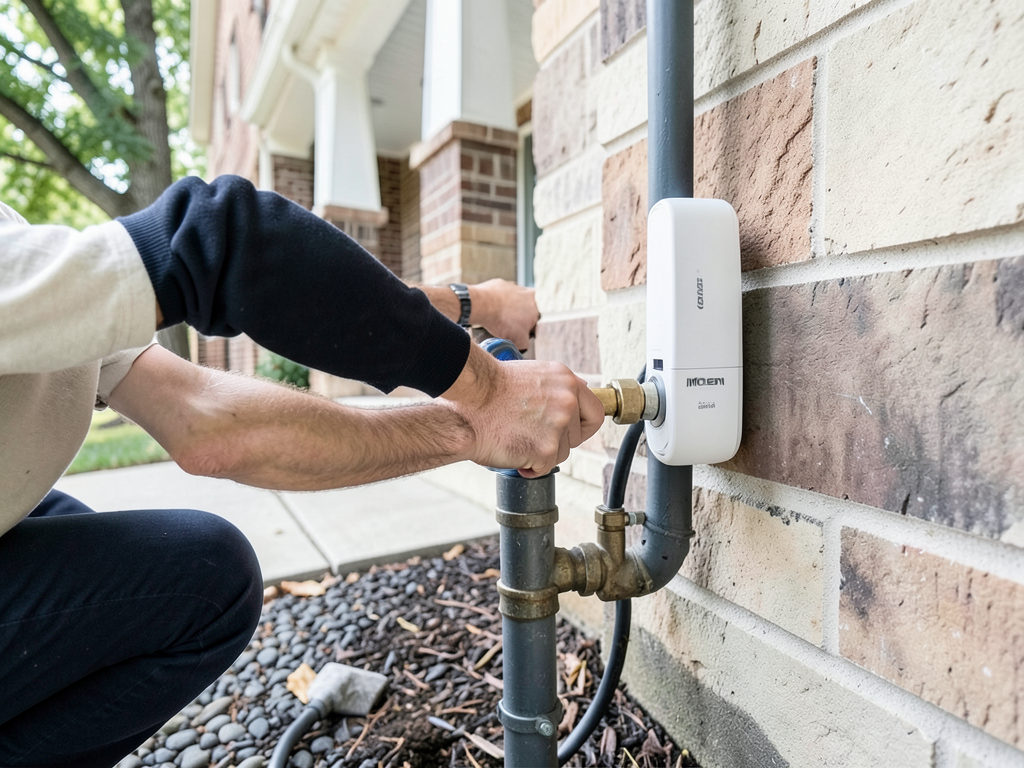
The Best Smart Leak Detectors to Prevent Water Damage in Ballantyne Water damage strikes Ballantyne homes every day from burst…

The Best Smart Leak Detectors to Prevent Water Damage in Ballantyne

The Best Smart Leak Detectors to Prevent Water Damage in Ballantyne Water damage strikes Ballantyne homes every day from burst…

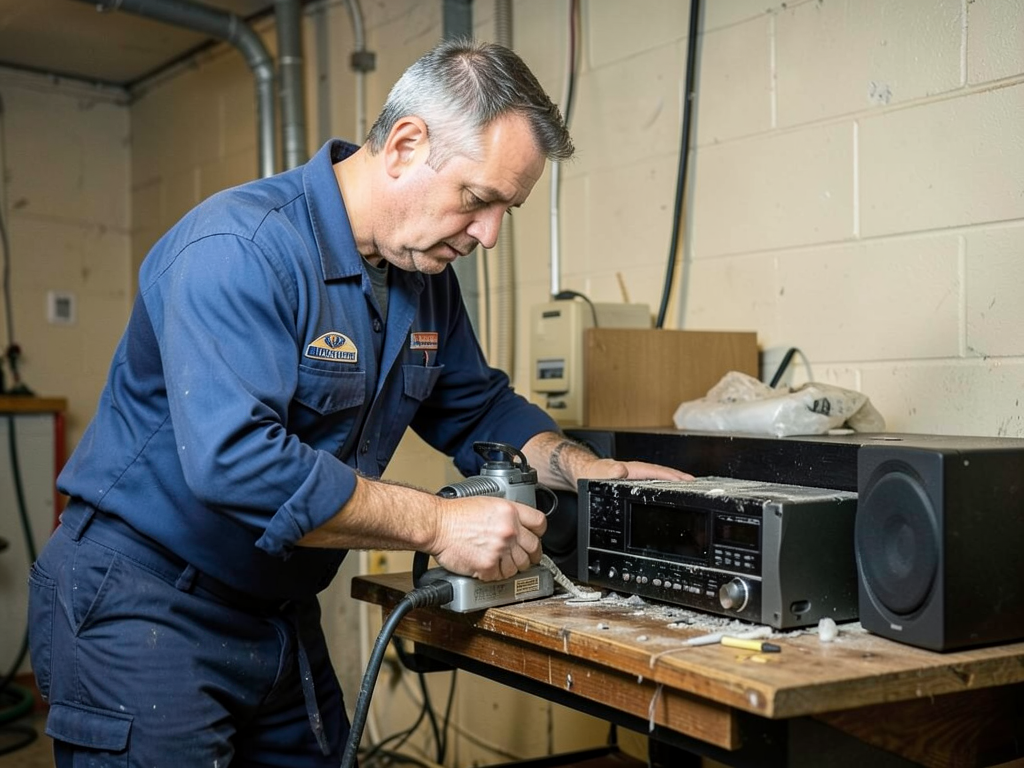
Safeguarding Expensive Home Theater Gear from Water Damage in Myers Park

Safeguarding Expensive Home Theater Gear from Water Damage in Myers Park Myers Park’s stately homes and finished basements create the…

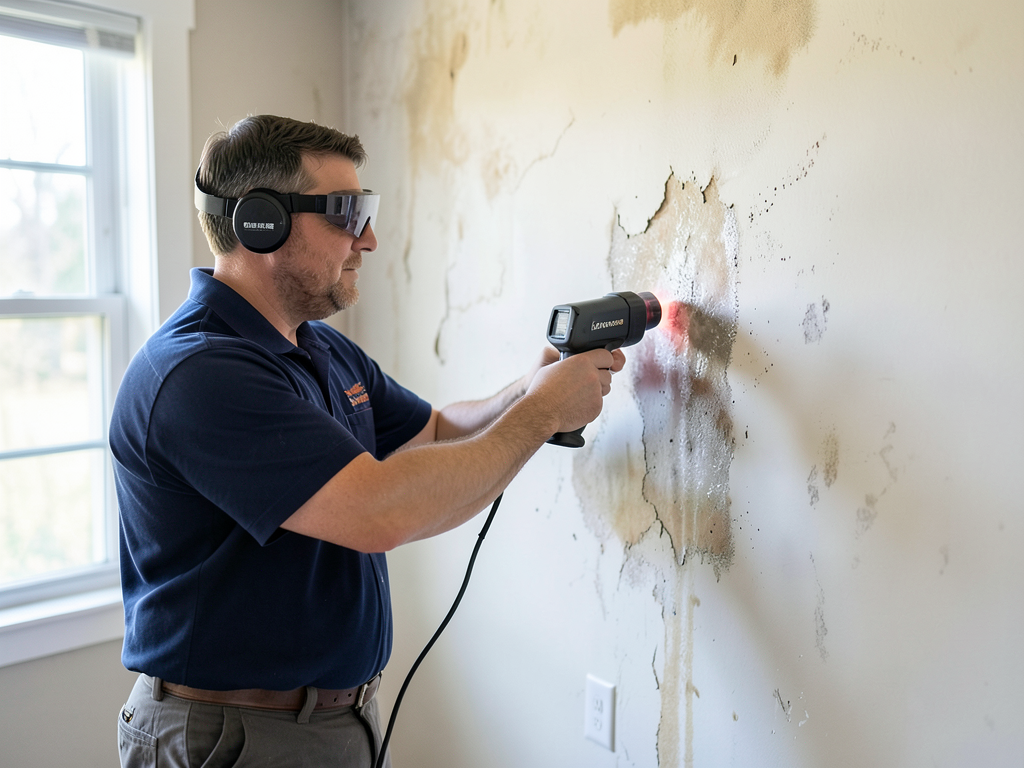
Common Health Symptoms That Might Point to Hidden Water Damage in Your Home

Common Health Symptoms That Might Point to Hidden Water Damage in Your Home Water damage in your Charlotte home often…

Contact Us

Stop gambling with business continuity. Get a customized disaster recovery plan built for your Charlotte facility. Call Cornerstone Water Damage Restoration Charlotte at (980) 342-9955 to schedule your facility assessment and start building the protocols that keep your operation running when water damage strikes.