




Menu

Cupping or Buckling Wood Floors in Charlotte – Expert Diagnosis and Permanent Repair Solutions

When warped hardwood flooring threatens your property value, you need specialists who understand Charlotte's humidity patterns and can restore structural integrity before irreversible damage sets in.

Slider Image 1
Slider Image 2
Slider Image 3
Slider Image 4
Slider Image 5
Slider Image 7
Slider Image 8
Slider Image 9
Slider Image 10
Slider Image 11

Why Charlotte Hardwood Floors Warp, Cup, and Buckle

You walk across your floor and feel the raised wood floor edges catch your socks. The planks that were once smooth now ripple like a washboard. Cupping or buckling wood floors are not cosmetic issues. They signal active moisture intrusion that will destroy your subfloor, invite mold colonies, and crater your property value.

Charlotte's 75 percent average humidity creates constant expansion and contraction cycles in wood flooring. Add in our summer thunderstorms that dump two inches in an hour, and you have the perfect recipe for swollen wood planks. The clay soil common throughout Mecklenburg County shifts during wet seasons, cracking slab foundations and allowing groundwater to seep up through subflooring. That moisture hits your hardwood from below. The planks absorb water, swell, and have nowhere to go except up.

Lifting floorboards in Myers Park historic homes often trace back to outdated crawl space vapor barriers that failed decades ago. In SouthPark condos, the culprit is usually an HVAC condensate line leak or dishwasher supply line failure that went unnoticed for weeks. The water migrates under cabinetry and soaks into flooring at the edges first. You see peaking hardwood joints near doorways or along exterior walls where temperature differentials create condensation.

Warped hardwood flooring does not fix itself. The longer moisture sits trapped under those planks, the more the wood fibers break down. Tannins leach out, subfloor adhesives fail, and joists begin to rot. What started as a cosmetic annoyance becomes a structural liability requiring full floor replacement instead of targeted drying and repair.

Why Charlotte Hardwood Floors Warp, Cup, and Buckle
How We Reverse Wood Floor Cupping and Prevent Recurrence

How We Reverse Wood Floor Cupping and Prevent Recurrence

Most contractors see cupping or buckling wood floors and immediately quote you for replacement. That approach ignores the root cause. If you install new flooring over the same moisture source, you will have the same problem in six months. Cornerstone Water Damage Restoration Charlotte attacks the moisture intrusion first, then salvages as much original flooring as structurally possible.

We deploy moisture mapping technology to trace the water source. Thermal imaging cameras reveal hidden plumbing leaks inside walls. Penetrating moisture meters measure subsurface saturation levels in both the hardwood and the subfloor beneath. We document moisture gradients across the affected area to pinpoint the exact entry point. This is not guesswork. You cannot dry what you have not measured.

Once we isolate the source, we extract standing water using truck-mounted pumps if necessary, then remove baseboards and drill strategic weep holes to allow airflow under the flooring edges. Low-grain refrigerant dehumidifiers pull moisture out of the air while axial fans create cross-ventilation patterns that accelerate evaporation from the wood itself. We monitor the drying curve daily using the same moisture meters, targeting 6 to 9 percent moisture content before we consider the floor stable.

For swollen wood planks that have cupped but not cracked, we often save the floor by controlled drying over 7 to 14 days. The wood contracts back toward its original profile as moisture leaves. For peaking hardwood joints where planks have buckled vertically, we remove the damaged sections, treat the subfloor with antimicrobial agents, and sister in replacement boards that match the grain and finish. You get a floor that looks original, not patched.

What Happens When You Call for Warped Floor Repair

Cupping or Buckling Wood Floors in Charlotte – Expert Diagnosis and Permanent Repair Solutions
01

Emergency Moisture Assessment

Our technician arrives with thermal imaging and moisture detection equipment within hours of your call. We map the affected area, identify the moisture source, and document baseline saturation levels in both the hardwood and subfloor. You receive a written scope outlining whether the floor can be saved or requires replacement. This assessment typically takes 45 to 90 minutes and includes photos for insurance documentation.
02

Controlled Structural Drying

We position commercial dehumidifiers and air movers to create optimal drying conditions without over-drying the wood, which causes cracking. Subfloor ventilation openings allow moisture to escape from below the planks. We monitor moisture levels twice daily and adjust equipment placement based on drying progress. Most hardwood floors stabilize within 5 to 10 days depending on initial saturation depth and plank thickness.
03

Floor Stabilization and Finishing

Once moisture content drops below 9 percent, we remove drying equipment and allow the floor to acclimate for 48 hours. Planks that returned to flat profiles are sanded lightly and refinished to match the existing floor. Sections with permanent structural damage are replaced with matching hardwood and blended into the original finish. You get a floor that performs correctly and looks uniform across the entire room.

Why Charlotte Property Owners Choose Local Water Damage Specialists

National franchise operations staff their trucks with generalists who follow corporate drying protocols designed for average conditions. Charlotte is not average. Our soil composition, humidity patterns, and building methods require adjustments to standard procedures. A crawl space moisture problem in Dilworth requires different treatment than a slab foundation issue in Ballantyne. Cornerstone Water Damage Restoration Charlotte trains specifically on the building characteristics common to Mecklenburg County homes and commercial properties.

We work directly with Charlotte-based insurance adjusters who already know our documentation standards and trust our moisture readings. That familiarity speeds up claim approvals and reduces the back-and-forth that delays your project. When an adjuster questions whether hardwood can be saved, our historical data from hundreds of local projects backs up our recommendations. You do not get stuck in the middle of a dispute between a contractor and an insurance company.

Our equipment inventory is sized for Charlotte projects. We stock enough industrial dehumidifiers to handle a 4,000 square foot basement flood and enough precision tools to dry a 200 square foot kitchen without tearing out cabinetry. Franchise operations often subcontract overflow work to whoever is available. You get different crews, inconsistent quality, and no accountability. Our team handles your project from assessment through final walk-through.

We also understand Charlotte's older housing stock. Homes in Plaza Midwood, Chantilly, and Elizabeth often have original heart pine floors installed in the 1920s and 1930s. Those planks are irreplaceable. We take extra care to salvage antique flooring that a less experienced crew would rip out and trash. Your home's character and value depend on preserving those original details whenever structurally possible.

What to Expect During the Floor Drying and Repair Process

Response Time and Availability

We answer emergency calls 24 hours a day because water damage does not wait for business hours. A technician will arrive on-site within 2 to 4 hours of your call to assess the situation and begin moisture extraction if necessary. Evening and weekend emergencies receive the same priority as weekday calls. We carry enough equipment in each truck to start the drying process immediately rather than scheduling a follow-up visit. For non-emergency situations like gradual cupping discovered during routine maintenance, we schedule assessments within 24 hours of your initial contact.

Detailed Floor and Subfloor Evaluation

Our initial assessment includes moisture mapping of the entire affected area plus adjacent rooms to verify the water has not migrated further than visible damage suggests. We check subfloor joists for rot using a penetrating probe, inspect crawl spaces or basements for standing water or failed vapor barriers, and photograph all damage for insurance documentation. You receive a written report that includes moisture content readings, affected square footage, and our professional recommendation on whether the floor can be saved or requires replacement. This transparency allows you to make an informed decision before we begin work.

Floor Restoration Quality Standards

Salvaged floors are sanded and refinished to match the existing finish as closely as possible given variations in wood age and patina. Replaced sections use hardwood that matches the original species, plank width, and grain pattern. We blend the new finish into the old using custom stain mixing and multiple topcoat applications. The goal is a floor that looks original, not obviously patched. We do not consider the job complete until you can walk across the repaired area without noticing a visual or tactile difference from the surrounding floor.

Post-Repair Monitoring and Prevention

After drying and repair, we provide moisture level documentation showing your floor has returned to normal range for Charlotte's climate. We also identify the specific failure point that caused the damage and recommend corrective measures to prevent recurrence. Common fixes include upgrading crawl space encapsulation, rerouting HVAC condensate drains, or repairing foundation cracks that allow groundwater intrusion. We do not warranty repairs if the underlying moisture source remains unaddressed. Our goal is permanent correction, not temporary cosmetic improvement that fails again in six months.

Frequently Asked Questions

You Have Questions,
We Have Answers

What is the difference between cupping and buckling floors? +

Cupping happens when the edges of wood planks rise higher than the center, creating a concave shape. This occurs when moisture penetrates the bottom of the floor faster than the top. Buckling is more severe. The entire plank lifts away from the subfloor, creating peaks or ridges. Buckling happens when excessive moisture causes extreme expansion, forcing planks upward. In Charlotte, high humidity and crawl space moisture often trigger cupping, while buckling typically results from major water events like flooding or plumbing failures. Both signal moisture problems that need immediate attention to prevent permanent damage.

Will cupped hardwood floors flatten out? +

Sometimes. If you catch cupping early and remove the moisture source, floors can flatten as they dry. This process takes weeks or even months. Charlotte's humidity makes natural drying slow. You need to control indoor moisture with dehumidifiers and proper ventilation. However, if the wood stays wet too long, the fibers compress and the cupping becomes permanent. Do not sand cupped floors immediately. Let them dry completely first. Many homeowners sand too soon and create crowned floors when the wood eventually flattens. A moisture meter confirms when the floor reaches proper levels.

What does a buckled hardwood floor look like? +

A buckled floor shows dramatic lifting where planks separate from the subfloor entirely. You will see visible peaks, ridges, or tent-like formations. The floor feels spongy or unstable when you walk on it. Gaps appear between planks as they push against each other. In severe cases, planks crack or splinter from the pressure. Charlotte homes with slab foundations often show buckling after water heater failures or AC drain pan overflows. The damage looks alarming because it is. Buckled floors rarely return to normal without professional intervention. The subfloor underneath often sustains damage too.

Can wood floor cupping be fixed? +

Yes, but success depends on timing and damage severity. First, you must eliminate the moisture source and dry the floor completely. Use commercial dehumidifiers and fans to speed drying. In Charlotte's humid climate, this takes longer than drier regions. Once dry, minor cupping may flatten on its own. Moderate cupping might require sanding and refinishing after the wood stabilizes. Severe cupping often needs plank replacement. Never attempt fixes while moisture remains. Professional moisture testing ensures the floor is ready for repair. Some cupped floors never fully recover and require replacement to restore a flat surface.

Will buckled hardwood floors go back to normal? +

Rarely. Buckling represents catastrophic failure where wood expands beyond its capacity. Even after drying, buckled planks stay warped and the subfloor remains compromised. The nails or adhesive lose holding power once planks lift. You will need to remove and replace affected sections. In Charlotte, buckled floors from flooding or pipe bursts require subfloor inspection for mold growth. Simply pushing planks back down does not work. The wood memory and structural damage prevent proper re-installation. Professional assessment determines if partial replacement works or if you need a full floor replacement to ensure stability.

How to stop hardwood from cupping? +

Control moisture at the source. Install vapor barriers in crawl spaces, common in Charlotte homes. Maintain indoor humidity between 30 and 50 percent year-round. Use dehumidifiers during humid summers. Fix plumbing leaks immediately. Ensure proper grading around your foundation to prevent water intrusion. Avoid wet mopping. Use damp cloths instead. Check appliances like dishwashers and refrigerators for leaks. In new construction, let concrete cure fully before installing hardwood. Acclimate wood planks to your home before installation. Regular inspections catch moisture problems before cupping starts. Prevention costs far less than replacement.

How Charlotte's Clay Soil and Humidity Create Chronic Floor Moisture Problems

Charlotte sits on dense Piedmont clay soil that expands when wet and contracts when dry. This constant movement cracks slab foundations and shifts pier-and-beam supports, creating gaps where groundwater enters crawl spaces and soaks into subflooring. Summer humidity regularly tops 80 percent, which keeps hardwood floors at the high end of acceptable moisture content. Any additional water from plumbing leaks, roof damage, or foundation seepage pushes the wood past its expansion threshold. The planks swell, cup, and buckle. Homes in low-lying areas near McMullen Creek, Briar Creek, or Little Sugar Creek experience worse problems during heavy rain events when water tables rise and saturate the soil under foundations.

Cornerstone Water Damage Restoration Charlotte has worked on properties throughout Mecklewood, SouthPark, Ballantyne, and the historic neighborhoods closer to Uptown. We understand how Charlotte's building practices evolved over the decades and where the common failure points occur. Older homes often lack proper crawl space ventilation or have deteriorated vapor barriers that no longer block ground moisture. Newer construction in areas like Weddington sometimes suffers from poor lot grading that directs stormwater toward foundations instead of away. Local expertise matters because the fix depends on diagnosing the specific combination of soil conditions, building methods, and climate factors unique to your property's location.
Water Damage Restoration Services in The Charlotte Area

Cornerstone is proud to serve Charlotte and the surrounding areas, providing rapid and reliable water damage restoration services when you need them most. Our commitment extends to ensuring properties across our service region receive expert care. You can find our main office located conveniently, allowing us to quickly dispatch our teams to your location and address your water damage emergencies with efficiency and professionalism. We are always ready to assist you.

Address:
Cornerstone Water Damage Restoration Charlotte, 222 Baldwin Ave, Charlotte, NC, 28204

Additional Services We Offer

Our news updates

Latest Articles & News from The Blogs

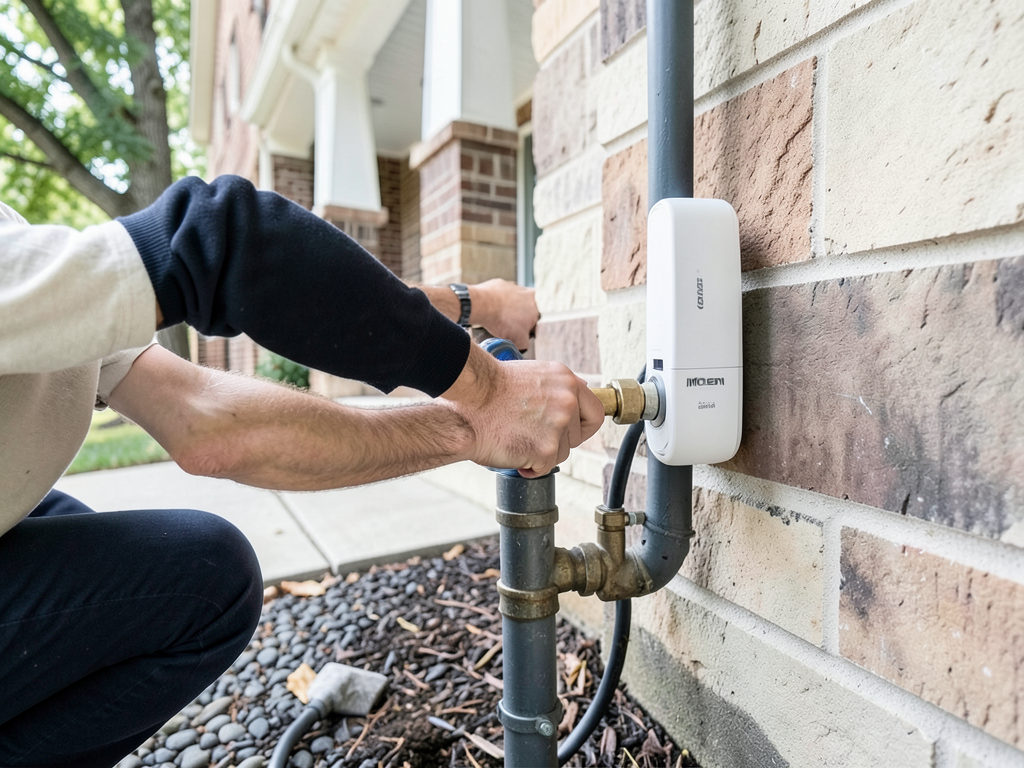
The Best Smart Leak Detectors to Prevent Water Damage in Ballantyne Water damage strikes Ballantyne homes every day from burst…

The Best Smart Leak Detectors to Prevent Water Damage in Ballantyne

The Best Smart Leak Detectors to Prevent Water Damage in Ballantyne Water damage strikes Ballantyne homes every day from burst…

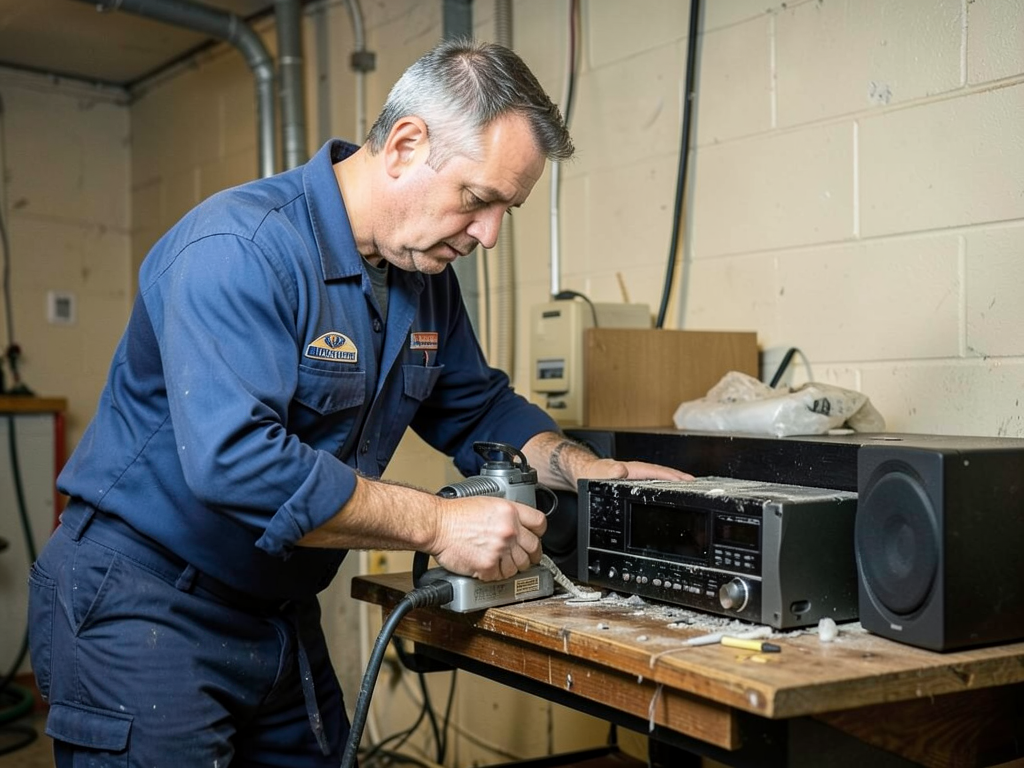
Safeguarding Expensive Home Theater Gear from Water Damage in Myers Park

Safeguarding Expensive Home Theater Gear from Water Damage in Myers Park Myers Park’s stately homes and finished basements create the…

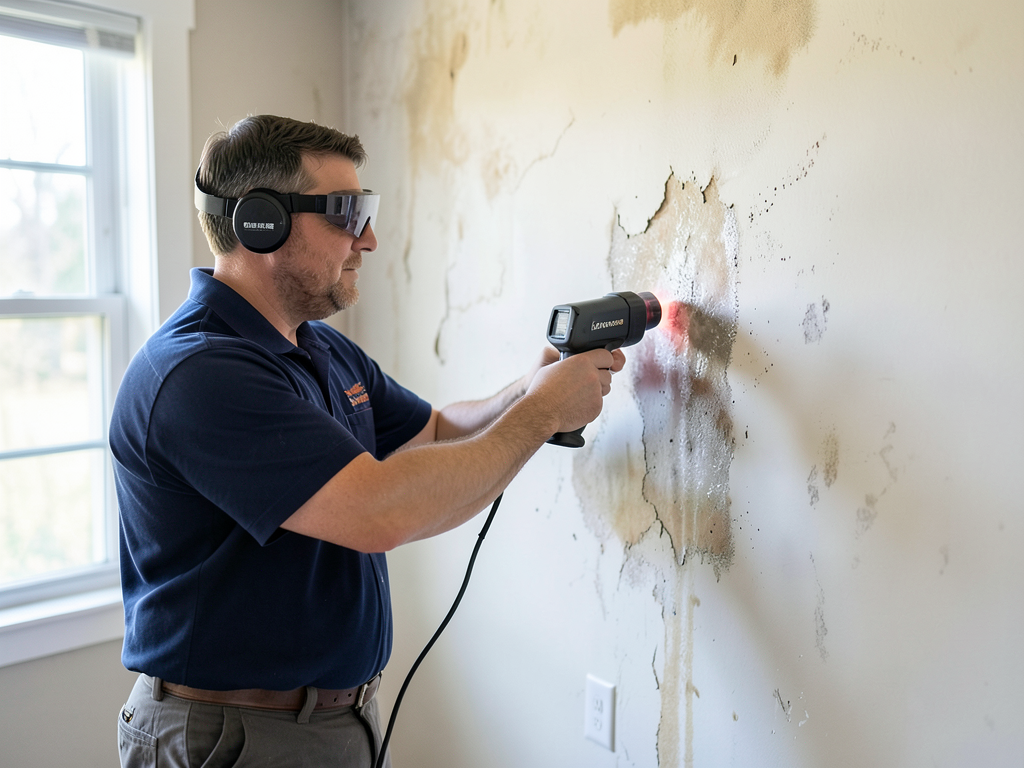
Common Health Symptoms That Might Point to Hidden Water Damage in Your Home

Common Health Symptoms That Might Point to Hidden Water Damage in Your Home Water damage in your Charlotte home often…

Contact Us

Warped hardwood does not improve with time. Call Cornerstone Water Damage Restoration Charlotte at (980) 342-9955 right now for an emergency assessment. We will identify the moisture source, document the damage, and start drying your floors today.