




Menu

Crawl Space Cleanup & Encapsulation in Charlotte | Permanent Moisture Control and Structural Protection

Expert crawl space remediation that eliminates standing water, mold growth, and wood rot while installing vapor barriers and drainage systems engineered for Charlotte's clay soil and high humidity.

Slider Image 1
Slider Image 2
Slider Image 3
Slider Image 4
Slider Image 5
Slider Image 7
Slider Image 8
Slider Image 9
Slider Image 10
Slider Image 11

Why Charlotte Crawl Spaces Fail Without Proper Encapsulation

Charlotte's combination of clay soil and year-round humidity creates a perfect storm beneath your home. Clay expands when wet and shrinks when dry, causing foundation movement that cracks crawl space walls and allows groundwater intrusion. Summer humidity routinely exceeds 70 percent, which means vented crawl spaces pull warm, moisture-laden air directly under your floor joists.

The result is predictable. Standing water pools in low spots. Condensation forms on floor joists and subfloors. Mold spreads across organic materials. Wood rot weakens structural beams. Fiberglass insulation absorbs moisture and sags, losing all R-value. Your HVAC system works harder as you essentially condition outdoor air entering through foundation vents.

Most Charlotte homeowners discover the problem when they notice musty odors, increased energy bills, or soft spots in hardwood floors. By that point, crawl space waterproofing becomes urgent. The damage compounds quickly in our climate.

Crawl space sealing services address the root cause by converting your vented crawl space into a controlled environment. Crawl space vapor barrier installation blocks ground moisture. Dehumidification maintains optimal humidity levels. Drainage systems redirect water away from the foundation. The solution is not patchwork repair but complete crawl space restoration that treats your below-grade space as conditioned area, not outdoor space.

Without proper crawl space remediation, you are fighting Charlotte's climate every single day. The house always loses that fight.

Why Charlotte Crawl Spaces Fail Without Proper Encapsulation
How We Execute Complete Crawl Space Encapsulation

How We Execute Complete Crawl Space Encapsulation

Effective crawl space cleanup starts with water removal and damage assessment. We extract standing water using submersible pumps and industrial wet vacuums, then inspect every joist, beam, and sill plate for rot, mold, and structural compromise. We use moisture meters to map saturation levels in wood framing and probe the soil to understand drainage patterns.

Mold remediation follows EPA protocols. We contain the work area, remove contaminated materials, treat surfaces with antimicrobial solutions, and HEPA-vacuum all debris. Rotted floor joists get sistered or replaced. Damaged subfloors are repaired or replaced before encapsulation begins.

The encapsulation process itself involves multiple integrated systems. We install a reinforced vapor barrier, typically 10 to 20 mil polyethylene, across the entire crawl space floor and up the foundation walls. Seams are sealed with specialty tape. Penetrations around piers and utilities are carefully wrapped and sealed.

Foundation vents are sealed permanently from the interior. We install a crawl space-rated dehumidifier with condensate pump, sized specifically for your square footage and Charlotte's climate demands. If groundwater intrusion is present, we install perimeter drainage channels and a sump pump system to intercept water before it enters the crawl space.

Insulation strategy depends on your system. We either insulate foundation walls with closed-cell spray foam or rigid foam board, or we leave floor joists insulated if your HVAC system is located in the crawl space. The goal is a dry, conditioned space that functions as part of your building envelope, not a moisture trap beneath it.

What Happens During Your Crawl Space Encapsulation Project

Crawl Space Cleanup & Encapsulation in Charlotte | Permanent Moisture Control and Structural Protection
01

Inspection and Water Removal

We start with complete moisture mapping and structural assessment. Standing water is extracted, all damaged materials are documented, and moisture levels are tested in wood framing and soil. We identify the water source, whether it is groundwater seepage, plumbing leaks, or condensation. This diagnostic phase determines the scope of remediation and which drainage systems your crawl space requires to stay dry long term.
02

Remediation and System Installation

All mold is treated and removed following containment protocols. Rotted framing is repaired or replaced. We install drainage channels if needed, then lay the vapor barrier system across floors and walls with all seams sealed. Foundation vents are closed and sealed. The dehumidifier is installed with drainage routed to your sump pump or exterior drain. If your crawl space is now conditioned space, we insulate foundation walls accordingly.
03

Testing and Monitoring Setup

Before we close the access door, we verify that the dehumidifier is maintaining target humidity levels between 45 and 55 percent. We test the sump pump and confirm drainage is functioning. You receive documentation of all work performed, including before and after moisture readings. We walk you through the dehumidifier settings and explain the maintenance schedule, which typically involves filter changes and annual inspections to confirm the system remains effective.

Why Charlotte Homeowners Trust Our Crawl Space Expertise

Charlotte's building stock includes everything from mid-century ranch homes in Myers Park to new construction in Ballantyne, and each foundation type presents different encapsulation challenges. Older homes often have fieldstone or block foundations with minimal footer drainage. Newer homes may have better grading but still suffer from clay soil saturation during heavy rain events.

We understand local soil mechanics. The Piedmont clay that dominates Mecklenburg County is expansive soil. It swells with moisture and shrinks during dry periods, creating hydrostatic pressure against foundation walls and shifting crawl space piers. Standard encapsulation methods fail here if they do not account for this movement and the water it drives into the crawl space.

Our approach addresses Charlotte-specific conditions. We slope vapor barriers toward drainage channels to handle the water that clay soil pushes up through the ground. We size dehumidifiers for the humidity loads our climate generates, not national averages. We know which foundation wall insulation methods pass local energy code and which create moisture traps.

Cornerstone Water Damage Restoration Charlotte has remediated crawl spaces in every Charlotte neighborhood. We have worked under historic homes in Dilworth where access is limited and ceiling height is 24 inches. We have encapsulated sprawling crawl spaces in Weddington where groundwater intrusion required full perimeter drainage. We know the local building inspectors and what they expect to see in crawl space modifications.

You need a contractor who understands that crawl space encapsulation in Charlotte is not the same job as it would be in Arizona or Minnesota. Our climate, our soil, and our building traditions require specific solutions.

What to Expect From Your Crawl Space Encapsulation

Project Timeline and Scheduling

Most crawl space encapsulation projects in Charlotte take two to five days depending on square footage, water damage extent, and whether structural repairs are needed. We start with the inspection within 24 hours of your call. If mold remediation is required, we can begin containment and treatment immediately. The encapsulation itself typically happens within one week of contract signing. We work in all weather conditions since the work is below grade. You maintain full access to your home throughout the project, and we contain dust and debris to the crawl space work area.

Initial Assessment and Scope Definition

Your inspection includes crawl space entry with photo documentation of all conditions. We test moisture levels in wood framing, check for active leaks, assess insulation condition, and examine foundation walls for cracks or efflorescence. You receive a written report that identifies all moisture sources, structural concerns, and mold growth. We explain exactly which systems your crawl space needs: vapor barrier only, vapor barrier plus dehumidifier, or full encapsulation with drainage and sump pump. No surprise costs, no upselling.

The Final Result You Get

A properly encapsulated crawl space in Charlotte maintains 45 to 55 percent relative humidity year-round, regardless of outdoor conditions. You will notice the musty odor disappears within days as the space dries out. Energy bills typically drop as your HVAC system no longer conditions humid outdoor air. Hardwood floors stop cupping and gaps close as humidity stabilizes. The vapor barrier is clean, bright, and sealed at all penetrations. Your dehumidifier runs automatically, draining to the sump or exterior without any intervention required from you.

Ongoing Maintenance and Support

Your dehumidifier requires a filter change every six months and an annual inspection to confirm it is maintaining target humidity levels. We recommend annual crawl space inspections to check for new plumbing leaks, confirm the vapor barrier remains intact, and verify the sump pump operates correctly. Most homeowners find these inspections catch small issues before they become expensive problems. We provide maintenance reminders and offer service agreements that include annual inspections, filter changes, and priority response if your dehumidifier fails during peak humidity months.

Frequently Asked Questions

You Have Questions,
We Have Answers

What is the average cost to encapsulate a crawl space? +

Crawl space encapsulation in Charlotte typically ranges from $3,000 to $15,000, depending on square footage, moisture severity, and materials used. Smaller crawl spaces (1,200 square feet or less) often fall on the lower end, while larger homes with drainage issues, mold remediation needs, or structural repairs cost more. Charlotte's red clay soil and high humidity often require added drainage work or vapor barrier upgrades, which increase the total. Costs also vary based on whether you need a dehumidifier, sump pump installation, or vent sealing. Every home is different, so expect a detailed inspection before pricing.

Is it worth it to encapsulate a crawlspace? +

Yes. Encapsulation protects your Charlotte home from moisture damage, mold growth, and pest infestations common in our humid climate. It improves indoor air quality, reduces energy bills, and prevents structural issues caused by wood rot and foundation settlement. Charlotte's clay soil holds moisture, which seeps into vented crawl spaces and creates breeding grounds for mold and termites. Encapsulation creates a controlled environment that stops moisture at the source, preserving your foundation and HVAC efficiency. For homeowners in flood-prone areas or older neighborhoods with poor drainage, encapsulation is a smart investment that pays back through lower repair costs and improved comfort.

What does crawl space encapsulation include? +

Crawl space encapsulation includes sealing the crawl space floor and walls with a heavy-duty vapor barrier, typically 10 to 20 mil thick polyethylene. Vents are sealed to prevent outside air from entering. Most projects include a dehumidifier to maintain humidity below 60 percent, drainage systems like sump pumps if water pooling is present, and insulation on walls or rim joists. In Charlotte, you may also need mold remediation or structural repairs before encapsulation begins, especially if moisture has already caused damage. The goal is to create a dry, controlled environment that prevents future moisture intrusion and protects your foundation.

When should you not encapsulate a crawl space? +

Do not encapsulate if active water intrusion, foundation cracks, or severe mold are present without addressing them first. Encapsulation seals moisture inside, worsening problems if drainage or structural issues remain unresolved. In Charlotte, homes with poor grading, clogged gutters, or failing French drains need those fixed before encapsulation. If your crawl space floods during heavy rain, you need exterior waterproofing and sump pump installation first. Also, skip encapsulation if you have an active termite infestation. Treat the infestation, repair damage, then encapsulate. Encapsulation works only when the crawl space is dry and structurally sound to start.

Will insurance cover crawl space encapsulation? +

Homeowners insurance typically does not cover crawl space encapsulation, as insurers classify it as preventive maintenance or home improvement. However, if encapsulation is required to repair covered water damage from a burst pipe or storm, you may receive partial reimbursement for related work like mold remediation or structural repairs. In Charlotte, some policies cover damage from sudden plumbing failures but exclude long-term moisture problems or flood damage. Review your policy and document all damage with photos. If you file a claim, insurance may cover the restoration but not the encapsulation itself. Always confirm coverage before starting work.

How much does it cost to insulate a 1500 square-foot house crawl space? +

Insulating a 1,500-square-foot crawl space in Charlotte typically costs $1,500 to $4,500, depending on insulation type and condition. Spray foam on rim joists or walls costs more than fiberglass batts but provides better moisture resistance and air sealing. Charlotte's humid climate often damages traditional fiberglass insulation, making closed-cell spray foam a better long-term choice. If you pair insulation with full encapsulation (vapor barrier, dehumidifier, vent sealing), expect total costs between $5,000 and $12,000 for a home this size. Costs increase if mold removal or drainage work is needed before insulation. Always address moisture first.

Can I write off crawl space encapsulation? +

Crawl space encapsulation may qualify as a medical expense deduction if a doctor prescribes it to treat mold-related health issues, like asthma or allergies. You must itemize deductions and exceed 7.5 percent of your adjusted gross income in medical expenses. Otherwise, encapsulation is considered a capital home improvement, which is not immediately deductible. However, it may increase your home's cost basis, reducing capital gains tax when you sell. In Charlotte, energy-efficiency rebates or local weatherization programs may offset costs, but federal tax deductions are rare. Consult a tax professional to explore your specific situation and document all expenses.

How long does a crawl space encapsulation last? +

A properly installed crawl space encapsulation lasts 15 to 25 years in Charlotte, depending on material quality and maintenance. Heavy-duty vapor barriers (20 mil or thicker) resist punctures and UV damage better than thinner liners. Dehumidifiers require filter changes and occasional replacement after 10 to 15 years. Sump pumps need testing and maintenance to prevent failure during heavy rain. Charlotte's clay soil and shifting foundations can stress encapsulation systems over time, so inspect seams and seals annually. Homes in flood-prone areas or with poor drainage may need repairs sooner. Proper installation and routine upkeep extend lifespan significantly.

What is the alternative to crawl space encapsulation? +

Alternatives to full encapsulation include installing a basic vapor barrier without sealing vents, improving exterior drainage with French drains or grading, or using crawl space ventilation with fans to reduce humidity. However, these options are less effective in Charlotte's humid climate, where vented crawl spaces pull in moisture-laden air year-round. Venting works in dry climates but fails here. A partial encapsulation with a vapor barrier and dehumidifier offers middle-ground protection without full vent sealing. For severe moisture problems, full encapsulation remains the most reliable solution. Alternatives may reduce upfront costs but often require more maintenance and deliver weaker results.

Do you need a dehumidifier in an encapsulated crawl space? +

Yes. Even in an encapsulated crawl space, a dehumidifier is necessary to maintain humidity below 60 percent and prevent mold growth. Encapsulation stops outside moisture, but ground moisture and seasonal humidity still enter through the barrier over time. In Charlotte, where summer humidity exceeds 70 percent, dehumidifiers run frequently to keep the space dry. Choose a commercial-grade unit designed for crawl spaces, not a residential basement model. Units with auto-drain features prevent maintenance headaches. Without a dehumidifier, condensation can form on cooler surfaces, creating mold and wood rot. A dehumidifier completes the system and ensures long-term protection.

How Charlotte's Clay Soil and Humidity Demand Professional Encapsulation

Charlotte sits on Piedmont clay that behaves like a sponge. When we get the heavy thunderstorms common from April through September, clay soil absorbs water and swells, pushing hydrostatic pressure against your foundation walls and forcing groundwater up through your crawl space floor. During dry periods, the clay shrinks and cracks, allowing the next rain event to penetrate even deeper. This cycle makes crawl space waterproofing essential, not optional. Vented crawl spaces in Charlotte pull in outdoor air with 70 to 90 percent relative humidity all summer, which condenses on cool surfaces underground and creates the standing water and mold growth you are trying to prevent.

Effective crawl space sealing services in Charlotte require understanding local soil mechanics, drainage patterns, and building practices. We work with the same clay soil conditions in every neighborhood from Cotswold to Steele Creek. We know how water moves through Mecklenburg County soil and which drainage solutions work long term versus which fail after the first heavy rain. Local expertise matters because a vapor barrier installed without proper drainage in Charlotte will trap water under the liner, creating worse conditions than you started with. Choose a contractor who has solved these problems hundreds of times in your specific climate and soil conditions.
Water Damage Restoration Services in The Charlotte Area

Cornerstone is proud to serve Charlotte and the surrounding areas, providing rapid and reliable water damage restoration services when you need them most. Our commitment extends to ensuring properties across our service region receive expert care. You can find our main office located conveniently, allowing us to quickly dispatch our teams to your location and address your water damage emergencies with efficiency and professionalism. We are always ready to assist you.

Address:
Cornerstone Water Damage Restoration Charlotte, 222 Baldwin Ave, Charlotte, NC, 28204

Additional Services We Offer

Our news updates

Latest Articles & News from The Blogs

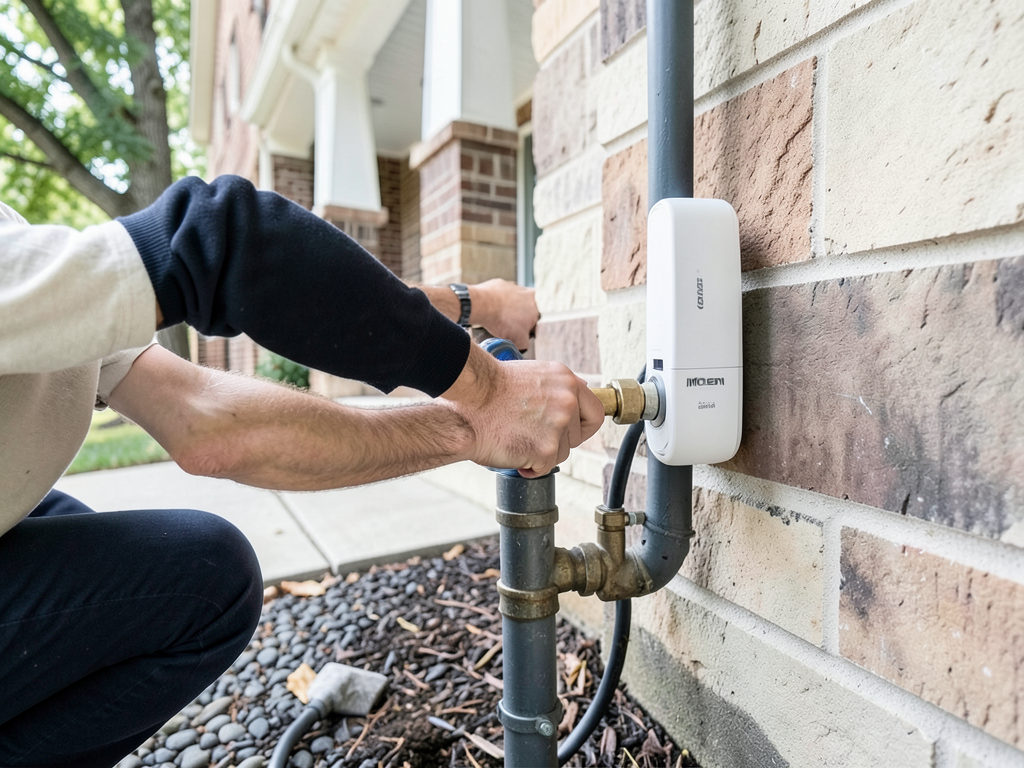
The Best Smart Leak Detectors to Prevent Water Damage in Ballantyne Water damage strikes Ballantyne homes every day from burst…

The Best Smart Leak Detectors to Prevent Water Damage in Ballantyne

The Best Smart Leak Detectors to Prevent Water Damage in Ballantyne Water damage strikes Ballantyne homes every day from burst…

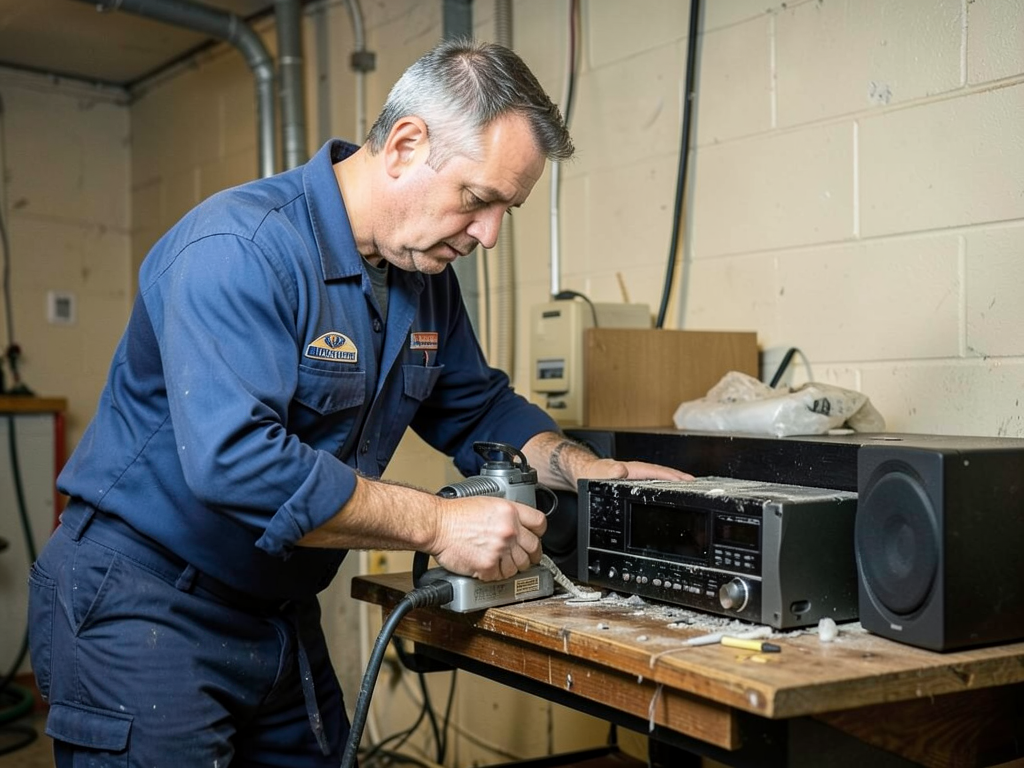
Safeguarding Expensive Home Theater Gear from Water Damage in Myers Park

Safeguarding Expensive Home Theater Gear from Water Damage in Myers Park Myers Park’s stately homes and finished basements create the…

Common Health Symptoms That Might Point to Hidden Water Damage in Your Home

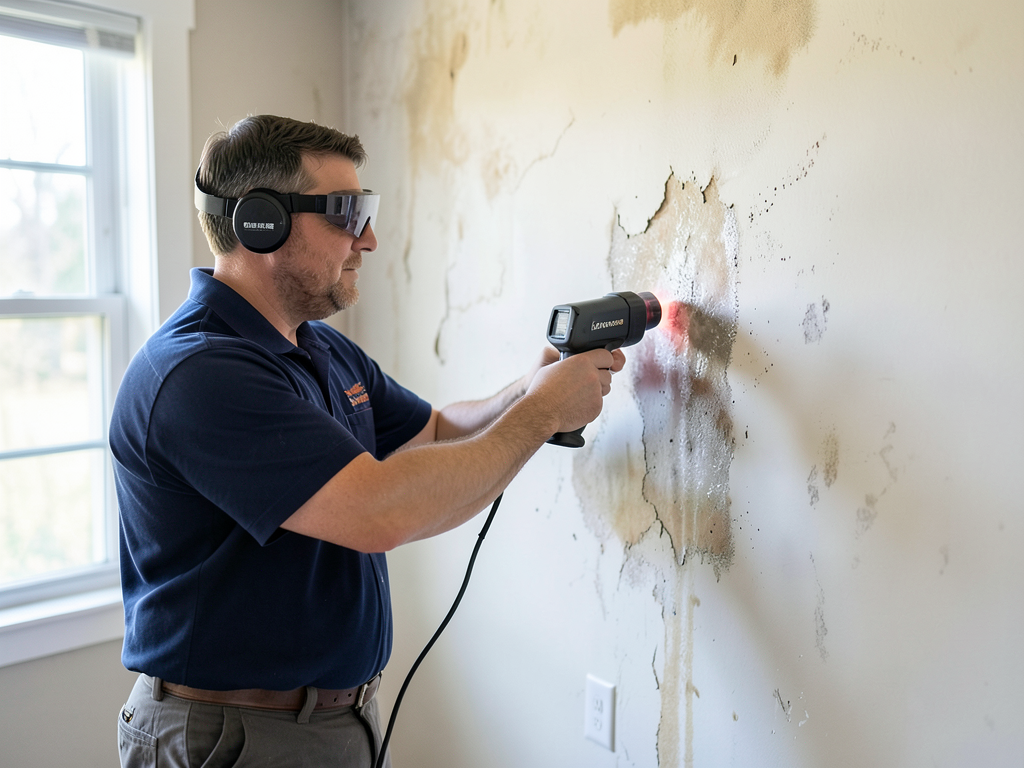
Common Health Symptoms That Might Point to Hidden Water Damage in Your Home Water damage in your Charlotte home often…

Contact Us

Call (980) 342-9955 now for a complete crawl space assessment. We will identify all moisture sources, explain exactly what your space needs, and provide a detailed written estimate. Same-day inspections available throughout Charlotte.