




Menu

Condensation on Windows & Walls in Charlotte – Expert Diagnosis Before Mold Takes Hold

Stop guessing why your windows weep and walls stay damp. We identify the moisture source, prevent mold growth, and fix condensation issues before they destroy your property value in Charlotte's humid climate.

Slider Image 1
Slider Image 2
Slider Image 3
Slider Image 4
Slider Image 5
Slider Image 7
Slider Image 8
Slider Image 9
Slider Image 10
Slider Image 11

Why Your Charlotte Home Keeps Sweating

You wake up to weeping window panes pooling water on the sill. Your drywall patches stay damp even when it's not raining. The interior glass condensation gets worse every morning.

This is not normal wear. This is Charlotte's subtropical climate fighting your home.

The Piedmont region traps humid air like a wet sponge. Summer dew points hit 70 degrees. Winter temperature swings cause rapid cooling against your window glass. Your HVAC system pulls moisture from outside air and dumps it inside your walls. The clay soil under your foundation holds water vapor that migrates up through your slab.

Window sweating happens when warm indoor air hits cold glass. The water vapor condenses instantly. But when you see moisture buildup on walls away from windows, you have a bigger problem. That moisture is coming from inside your wall cavity or from ground vapor pushing through your foundation.

Damp drywall patches mean you have a leak, failed vapor barrier, or attic condensation dripping down. Charlotte's 43 inches of annual rainfall and 70 percent average humidity create the perfect storm for chronic moisture problems. Your home was not built to breathe in this climate. Older homes in Dilworth and Myers Park have even less protection. Builders did not use vapor barriers or proper flashing until the 1980s.

Ignoring interior glass condensation invites mold growth within 48 hours. Mold eats drywall paper, rots window frames, and releases spores that trigger respiratory problems. The longer you wait, the more structural damage you absorb. Condensation is not cosmetic. It is a warning light.

Why Your Charlotte Home Keeps Sweating
How We Stop Moisture at the Source

How We Stop Moisture at the Source

We do not slap a dehumidifier in your basement and call it fixed. That masks the symptom. We trace moisture back to its origin and eliminate it.

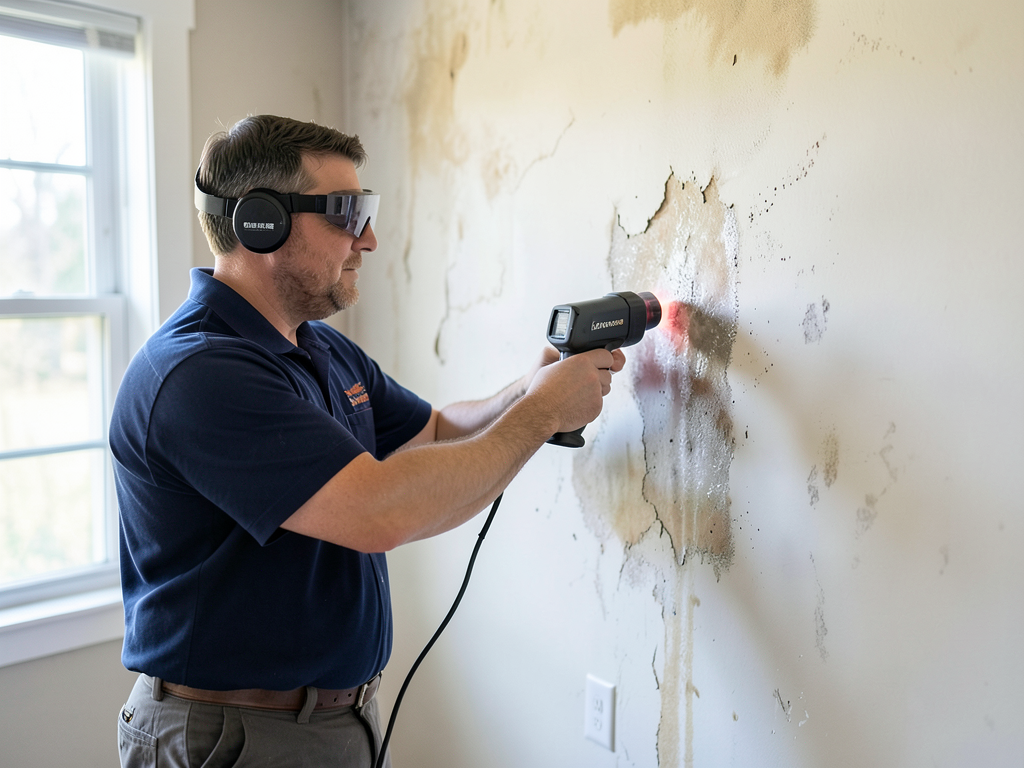
Our technicians use thermal imaging cameras to map temperature differentials across your walls and windows. Cold spots reveal where outside air is infiltrating. Hot spots show where insulation has failed. We measure relative humidity at multiple points to identify moisture gradients. A hygrometer reading of 60 percent near your baseboard but 45 percent at shoulder height tells us you have ground vapor intrusion.

We inspect your HVAC system for undersized return ducts, blocked condensate lines, and improper dehumidification settings. Most Charlotte homes run AC systems that cool but do not control humidity. Your compressor cycles off before your indoor humidity drops below 55 percent. That leaves moisture in the air to condense on every cold surface.

We check your crawlspace for failed vapor barriers and standing water. We inspect your attic for missing insulation and roof leaks. We examine your window flashing for gaps where wind-driven rain seeps behind the siding. Charlotte's clay soil expands when wet and contracts when dry. That movement cracks foundation walls and lets humid air pour into your basement.

Once we identify the source, we remove the contaminated materials. Damp drywall gets cut out and replaced. Soaked insulation gets pulled and discarded. We run commercial dehumidifiers and air movers to dry your wall cavities to below 15 percent moisture content. Then we fix the defect. That means sealing foundation cracks, installing vapor barriers, repairing roof penetrations, or upgrading your HVAC dehumidification capacity.

What Happens During Your Moisture Assessment

Condensation on Windows & Walls in Charlotte – Expert Diagnosis Before Mold Takes Hold
01

Thermal and Moisture Mapping

We scan every exterior wall, window frame, and ceiling with infrared cameras to reveal hidden temperature variations. We take moisture meter readings at suspected leak points and document baseline humidity levels in each room. This data tells us if your condensation is environmental, structural, or mechanical. The mapping takes 45 to 90 minutes depending on your home size.
02

Source Identification and Testing

We inspect your HVAC equipment, crawlspace conditions, attic ventilation, and exterior drainage patterns. We run blower door tests to measure air infiltration rates. We check your gutters and downspouts for improper grading that directs water toward your foundation. If your condensation is chronic, we take air samples to identify mold spore concentrations. This step uncovers the mechanical or structural failure causing your moisture problem.
03

Remediation and Prevention Plan

We give you a written report that explains the source, the damage severity, and the exact fix required. You get a scope of work that includes material removal, drying timelines, and system upgrades. We coordinate with your insurance adjuster if the damage qualifies for a claim. You walk away knowing what caused your condensation, what it will take to fix it, and how to prevent it from returning.

Why Charlotte Homeowners Choose Cornerstone for Moisture Diagnostics

You need someone who understands how Charlotte's climate interacts with local construction methods. We have worked in every neighborhood from Plaza Midwood to Ballantyne. We know that homes built before 1985 rarely have proper vapor barriers. We know that Charlotte's red clay soil holds moisture longer than sandy soils in the coastal plains.

Most restoration companies treat condensation like a drying job. They pull out wet materials and leave. They do not fix the HVAC imbalance or seal the foundation crack that caused the problem. You pay for remediation twice when the moisture comes back six months later.

Cornerstone Water Damage Restoration Charlotte employs IICRC-certified water damage technicians who understand building science. We know how air pressure differentials drive moisture movement. We know how to calculate proper dehumidification capacity for your square footage. We work with structural engineers and HVAC contractors to design permanent solutions.

We have seen what happens when homeowners ignore weeping window panes. The sill rots out. The drywall under the window grows black mold. The hardwood floor buckles. The repair bill jumps from $1,200 to $8,000 because the damage spread.

Our diagnostic process saves you money. We use thermal imaging and moisture meters to see inside your walls without tearing them apart. We pinpoint the exact leak location instead of cutting exploratory holes across your living room. We document everything for your insurance claim so you get full coverage instead of a partial payout.

We also know Mecklenburg County building codes. We pull permits when required. We coordinate inspections. We make sure your repairs meet code so you do not face compliance issues when you sell your home.

What to Expect When You Call for Condensation Issues

Response Time and Availability

We dispatch a technician within four hours of your call during business hours. For after-hours emergencies, we arrive within two hours. Condensation is not always an emergency, but it becomes one when you see mold growth or smell musty odors. We treat those situations as urgent. Our technicians carry thermal cameras and moisture meters in every truck, so we can start diagnostics immediately. You do not wait three days for an assessment appointment. We work evenings and weekends because moisture does not take days off.

Diagnostic Assessment Process

The initial assessment takes 60 to 120 minutes depending on your home size and the number of affected areas. We document every finding with photos and moisture readings. You get a written report that explains the source, the damage extent, and the recommended fix. We do not upsell unnecessary work. If your condensation is caused by a simple HVAC adjustment, we tell you. If it requires foundation sealing and vapor barrier installation, we explain why. The assessment fee applies toward your repair cost if you hire us for remediation.

Quality of Work and Materials

We use commercial-grade dehumidifiers that pull 150 pints per day, not the 30-pint consumer units you rent from a hardware store. We install antimicrobial-treated drywall in areas prone to moisture exposure. We apply mold-resistant primers before painting. Our technicians are trained in proper drying science. We do not just run fans and hope for the best. We monitor moisture levels daily until your walls reach equilibrium. You get a moisture clearance certificate when the job is complete. That document protects you if you sell your home and the buyer asks about past water damage.

Ongoing Support and Prevention

After we fix your condensation problem, we give you a maintenance checklist. That includes HVAC filter replacement schedules, gutter cleaning reminders, and crawlspace inspection intervals. We offer annual moisture inspections to catch new problems before they cause damage. If you have chronic humidity issues, we design a whole-home dehumidification plan that integrates with your HVAC system. You get our direct line for follow-up questions. If moisture reappears within 90 days and we caused the failure, we fix it at no charge. We stand behind our work because we fix problems correctly the first time.

Frequently Asked Questions

You Have Questions,
We Have Answers

How to stop condensation on windows and walls? +

Reduce indoor humidity first. Run exhaust fans in bathrooms and kitchens during and after use. Crack windows periodically to allow moisture to escape, especially after cooking or showering. In Charlotte's humid climate, run your HVAC system consistently to control indoor moisture levels. Set your thermostat fan to circulate air, preventing stagnant pockets where condensation forms. Check that dryer vents exhaust outside, not into your attic or crawlspace. Inspect weather stripping around doors and windows. If condensation persists after these steps, you may need a whole-home dehumidifier or professional assessment to identify hidden moisture sources like crawlspace vapor or ductwork leaks.

Does condensation always indicate a problem? +

No. Light condensation on windows during cold mornings is normal, especially in Charlotte where indoor heating meets humid outdoor air. The problem starts when condensation appears constantly, soaks window sills, runs down walls, or creates visible water pooling. Occasional fogging on glass after a hot shower means your ventilation needs improvement, not necessarily a structural defect. Watch for patterns. Daily condensation in the same spot suggests air leakage or insulation failure. Seasonal condensation that disappears when you adjust humidity is normal. Persistent moisture that causes peeling paint, mold growth, or musty odors signals a problem requiring immediate attention.

Does condensation on windows mean the house is too cold? +

Not always. Condensation forms when warm, moist indoor air contacts cold surfaces. In Charlotte winters, single-pane windows or poorly insulated walls stay cold while your heated indoor air carries moisture. The temperature difference causes condensation, even if your thermostat reads 70 degrees. Your house may feel warm, but cold exterior walls or glass create condensation zones. The issue is usually high indoor humidity combined with inadequate insulation, not low heat. Raising your thermostat alone does not fix it. You need to lower indoor moisture levels through ventilation and improve insulation to warm the surface temperature where condensation forms.

Should you wipe condensation off windows? +

Yes, wipe it immediately to prevent damage. Use a dry cloth or squeegee to remove standing water from window sills and frames before it soaks into wood or drywall. Left alone, condensation causes paint to peel, wood to rot, and mold to grow in as little as 24 hours. Charlotte's humidity accelerates this damage. Wiping is a temporary fix, not a solution. You still need to address the root cause by reducing indoor moisture and improving ventilation. If you wipe condensation daily, you have a chronic problem. Check for air leaks around the window frame and verify your exhaust fans work properly.

What to put on walls to stop condensation? +

You cannot coat condensation away. Anti-condensation paint or thermal coatings reduce the problem slightly by insulating the wall surface, but they do not fix the moisture source. The real fix involves adding insulation inside wall cavities or on exterior walls, installing vapor barriers during construction, and controlling indoor humidity. In Charlotte homes with crawlspaces, ground moisture often migrates upward through walls. Encapsulate your crawlspace with a vapor barrier and dehumidifier. Improve attic ventilation to prevent warm air from condensing on cold surfaces. Surface treatments fail if you ignore the moisture source. Address ventilation and insulation before considering coatings.

What are signs of excessive condensation? +

Watch for water pooling on window sills, damp spots spreading on walls or ceilings, peeling paint or wallpaper, visible mold or mildew growth, and musty odors in bedrooms or closets. In Charlotte, check crawlspaces and attics for dripping or wetness on framing. Excessive condensation fogs windows even when outdoor temperatures stay above 50 degrees. You may notice frost forming on windows during winter mornings or black mold appearing in corners where walls meet ceilings. Wood trim around windows may feel soft or show discoloration. If you run a dehumidifier constantly and it empties multiple times daily, your home has a serious moisture problem.

Does condensation on windows mean poor insulation? +

Usually, but not always. Condensation on windows often means cold glass meets warm indoor air because insulation fails to buffer the temperature difference. Single-pane windows in Charlotte homes built before 1980 lack thermal breaks, making condensation inevitable during winter. However, condensation can also result from excessive indoor humidity, even with good insulation. If newer double-pane windows fog between the glass layers, the seal failed and the window needs replacement. Condensation on interior glass surfaces points to high indoor moisture or poor ventilation more than insulation failure. Check attic insulation levels and inspect for gaps around window frames before replacing windows.

How to know if it's condensation or a leak? +

Condensation appears evenly across cold surfaces like windows or exterior walls. It forms during temperature changes and evaporates when conditions shift. A leak creates isolated wet spots, often discolored or stained, that worsen over time regardless of temperature. Touch the area. Condensation feels cool and damp. Leaks saturate materials, leaving them spongy or soft. In Charlotte, roof leaks often follow heavy rain or appear near roof penetrations like chimneys. Condensation follows patterns tied to indoor activities like cooking or showering. If moisture appears in the same spot daily, trace it back. Leaks require immediate repair to prevent structural damage.

Will a dehumidifier get rid of condensation? +

Yes, if high humidity causes the condensation. A dehumidifier removes moisture from indoor air, preventing it from condensing on cold surfaces. In Charlotte's humid climate, target 30 to 50 percent indoor relative humidity during winter and 40 to 60 percent in summer. Portable dehumidifiers work for single rooms. Whole-home dehumidifiers integrate with your HVAC system to control moisture throughout the house. Run the dehumidifier continuously until condensation stops, then adjust settings to maintain target humidity. A dehumidifier cannot fix condensation caused by air leaks, poor insulation, or ventilation failures. Combine dehumidification with proper airflow and insulation for lasting results.

Why is there condensation on my bedroom walls? +

Bedrooms trap moisture from breathing, body heat, and sometimes poor air circulation. Two people sleeping in a closed bedroom release up to a pint of moisture overnight through respiration. Without ventilation, that moisture condenses on cold exterior walls, especially in Charlotte homes where brick veneer stays cold during winter. Check for blocked HVAC vents, closed doors that prevent airflow, or inadequate insulation in exterior walls. Open bedroom doors at night to improve circulation. Run a ceiling fan on low to keep air moving. Crack a window slightly if outdoor humidity permits. Persistent condensation on bedroom walls signals inadequate ventilation or hidden moisture sources in wall cavities.

How Charlotte's Humidity and Clay Soil Drive Chronic Condensation Problems

Charlotte sits in the Piedmont plateau where humid subtropical air collides with elevation changes and clay-heavy soil. Summer dew points regularly exceed 65 degrees, which means the air is saturated with moisture. Your air conditioner cools that air, but it does not remove enough humidity unless your system is properly sized and balanced. Winter temperature swings cause rapid cooling of window glass and exterior walls. When warm indoor air touches those cold surfaces, water vapor condenses instantly. The red clay soil under your foundation absorbs rainwater and holds it for weeks. That trapped moisture migrates upward as vapor and enters your home through foundation cracks and slab joints.

Homes built in Charlotte before 1990 rarely have crawlspace vapor barriers or proper foundation waterproofing. Older neighborhoods like Eastover and Cotswold feature masonry construction with minimal insulation. Those homes sweat year-round because the building envelope does not control moisture transfer. Cornerstone Water Damage Restoration Charlotte understands how local construction practices and climate conditions create condensation problems. We work with local HVAC contractors who understand humidity control in this region. We know which foundation sealants work in clay soil and which ones fail. Choosing a local restoration company means you get solutions designed for Charlotte's unique moisture challenges, not generic advice from a national franchise.

Water Damage Restoration Services in The Charlotte Area

Cornerstone is proud to serve Charlotte and the surrounding areas, providing rapid and reliable water damage restoration services when you need them most. Our commitment extends to ensuring properties across our service region receive expert care. You can find our main office located conveniently, allowing us to quickly dispatch our teams to your location and address your water damage emergencies with efficiency and professionalism. We are always ready to assist you.

Address:
Cornerstone Water Damage Restoration Charlotte, 222 Baldwin Ave, Charlotte, NC, 28204

Additional Services We Offer

Our news updates

Latest Articles & News from The Blogs

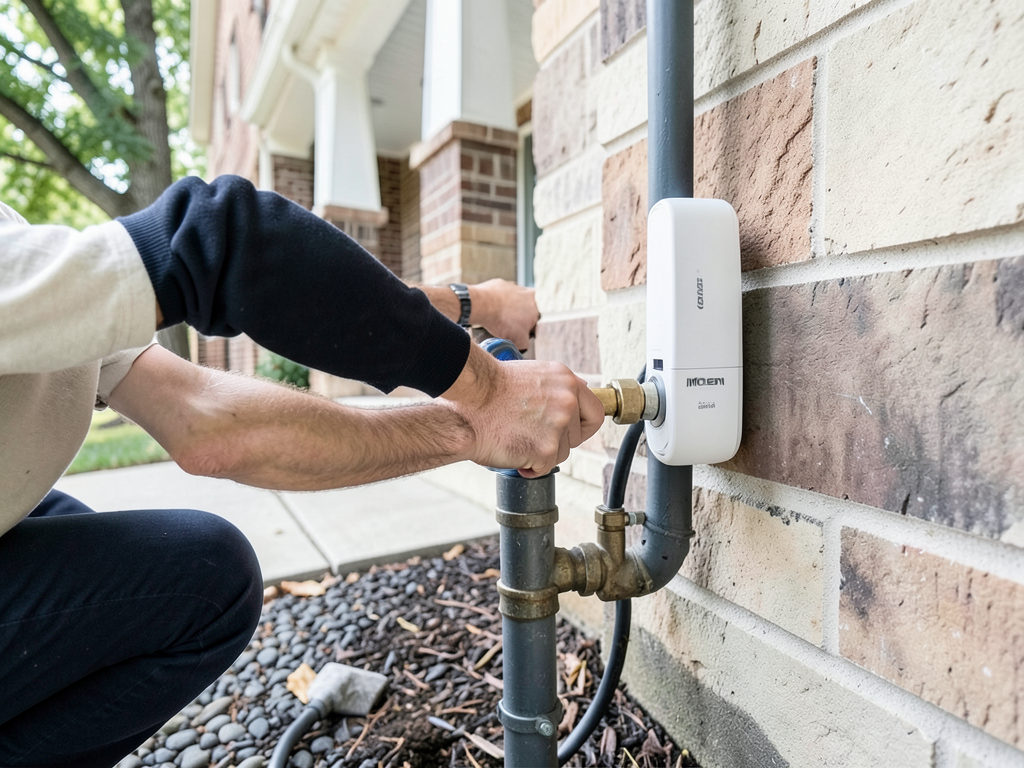
The Best Smart Leak Detectors to Prevent Water Damage in Ballantyne Water damage strikes Ballantyne homes every day from burst…

The Best Smart Leak Detectors to Prevent Water Damage in Ballantyne

The Best Smart Leak Detectors to Prevent Water Damage in Ballantyne Water damage strikes Ballantyne homes every day from burst…

Safeguarding Expensive Home Theater Gear from Water Damage in Myers Park

Safeguarding Expensive Home Theater Gear from Water Damage in Myers Park Myers Park’s stately homes and finished basements create the…

Common Health Symptoms That Might Point to Hidden Water Damage in Your Home

Common Health Symptoms That Might Point to Hidden Water Damage in Your Home Water damage in your Charlotte home often…

Contact Us

Call Cornerstone Water Damage Restoration Charlotte at (980) 342-9955 right now. We dispatch a technician today to identify your moisture source and stop the damage. Do not wait for mold to take over your walls.