


Menu

Commercial Water Damage Restoration in Charlotte | Minimize Downtime and Protect Your Business Assets

Fast-response commercial water damage cleanup and business water mitigation services engineered to reduce operational disruptions, protect revenue streams, and meet North Carolina building code compliance requirements across the Charlotte metro area.

Slider Image 1
Slider Image 2
Slider Image 3
Slider Image 4
Slider Image 5
Slider Image 7
Slider Image 8
Slider Image 9
Slider Image 10
Slider Image 11

Water Damage Threatens Business Continuity in Charlotte's High-Humidity Climate

Charlotte's subtropical climate creates persistent humidity levels that compound water damage in commercial properties. When a pipe bursts in a SouthPark office complex or storm water infiltrates a warehouse in University City, the clock starts ticking on structural degradation, inventory loss, and liability exposure.

Commercial water damage restoration differs fundamentally from residential work. You face regulatory compliance requirements, coordinated logistics across multiple tenants, and the financial pressure of every hour your doors stay closed. A flooded retail space in Dilworth loses revenue by the minute. A moisture-compromised professional building in Ballantyne risks mold litigation and lease disputes.

The Charlotte area's clay soil creates foundation movement that stresses plumbing systems in older commercial buildings. Combined with aging infrastructure in established business districts like Plaza Midwood and Elizabeth, pipe failures occur with increasing frequency. Add the rapid commercial development across the I-77 corridor, and you see hastily installed systems that fail prematurely.

Commercial water mitigation requires industrial-grade extraction equipment, coordinated workforce deployment, and documentation that satisfies insurance carriers and property managers. The difference between amateur commercial water damage cleanup and professional business water damage restoration is measured in lost productivity, damaged client relationships, and preventable secondary damage.

Your commercial property represents significant capital investment. Water intrusion threatens that investment through structural compromise, microbial growth, and code violations. Charlotte's building inspection requirements demand proper remediation, not cosmetic fixes that hide deeper problems.

Water Damage Threatens Business Continuity in Charlotte's High-Humidity Climate
Industrial-Scale Water Extraction and Structural Drying Protocols

Industrial-Scale Water Extraction and Structural Drying Protocols

Commercial water damage repair demands different equipment and methodology than residential work. We deploy truck-mounted extraction units that remove thousands of gallons per hour, not shop vacuums that take days to clear a flooded floor. Our commercial water remediation process uses psychrometric mapping to track moisture content in structural materials, ensuring complete drying before reconstruction begins.

Charlotte's commercial buildings present complex challenges. A steel-frame office tower requires different drying protocols than a wood-frame retail center. Concrete slab foundations in warehouse districts demand specialized injection drying. We calculate vapor pressure differentials and adjust dehumidification capacity based on cubic footage and material density.

Our business water damage restoration process prioritizes operational continuity. We create temporary barriers to isolate affected areas, allowing unaffected portions of your facility to remain operational. For 24-hour operations like medical offices or call centers, we schedule noisy extraction work during off-hours and use low-profile air movers that minimize disruption.

Documentation drives commercial water mitigation. We photograph every stage, log equipment placement and runtime, record daily moisture readings, and maintain chain of custody for removed materials. This creates the paper trail your insurance carrier demands and protects you from liability claims.

We coordinate with your property manager, facilities director, and insurance adjuster from the first call. Commercial water damage cleanup involves multiple stakeholders. You receive daily progress reports with quantifiable metrics like moisture content percentages and square footage dried, not vague updates about things looking better.

Cornerstone Water Damage Restoration Charlotte maintains the equipment inventory and trained personnel to handle large-loss commercial events that smaller operators cannot manage.

How Commercial Properties Get Back to Business After Water Damage

Commercial Water Damage Restoration in Charlotte | Minimize Downtime and Protect Your Business Assets
01

Emergency Response and Containment

Our commercial response team arrives with industrial extraction units and establishes incident command. We identify the water source, stop active intrusion, and document pre-loss conditions. Critical systems get priority protection. Temporary barriers contain the affected zone while we extract standing water and begin initial moisture mapping to determine the full scope of structural involvement.
02

Structural Drying and Monitoring

We deploy commercial dehumidifiers and air movers based on calculated drying capacity for your building type and materials. Moisture meters track progress in walls, subfloors, and structural elements. Psychrometric readings verify vapor pressure conditions support proper drying. We adjust equipment placement and capacity daily based on measured results, not guesswork. Antimicrobial treatments prevent microbial amplification during the drying phase.
03

Verification and Clearance Documentation

Final moisture readings confirm all structural materials have returned to dry standard levels before equipment removal. You receive a comprehensive loss report with photographic documentation, equipment logs, and material-specific moisture charts. This clearance documentation satisfies insurance requirements and provides liability protection. We coordinate with your reconstruction contractor to ensure compliant rebuild that meets North Carolina commercial building codes.

Charlotte Commercial Water Damage Expertise That Understands Business Operations

Commercial water damage cleanup in Charlotte requires familiarity with local construction methods and business districts. The mixed-use developments along the Lynx Blue Line use different building systems than the industrial parks in the Airport Commerce Center. We know which Charlotte neighborhoods have combined storm sewers that create backflow risks and which office towers have rooftop HVAC condensate issues.

North Carolina commercial building codes require specific moisture barriers and vapor retarders in below-grade spaces. Improper drying creates code violations that halt your certificate of occupancy renewal. We document compliance at every phase because we work regularly with Mecklenburg County inspectors who enforce these standards.

Your business faces unique operational constraints. A medical practice in Myers Park cannot shut down for a week. A restaurant in NoDa loses perishable inventory and reservation revenue. We structure commercial water mitigation around your operational requirements, not our convenience. That means weekend crews, night shifts, and phased drying that keeps portions of your facility operational.

Insurance carriers scrutinize commercial claims differently than residential losses. They demand detailed documentation, competitive pricing, and evidence of industry-standard methodology. We provide itemized estimates that align with Xactimate pricing and maintain certifications that satisfy carrier requirements for approved vendors.

Cornerstone Water Damage Restoration Charlotte focuses exclusively on water damage restoration. We do not diversify into other trades. This specialization means our crews train constantly on evolving drying technology and IICRC protocols. Your commercial property gets technicians who handle water losses daily, not generalists who dabble in water work between other jobs.

What Charlotte Business Owners Should Expect From Commercial Water Restoration

Rapid Deployment and Workforce Capacity

Large commercial losses require multiple technicians and substantial equipment. We maintain crews and inventory to handle jobs ranging from small office flooding to warehouse-scale water intrusion. You receive a project manager who coordinates the entire operation and serves as your single point of contact. Emergency calls get answered 24 hours daily because water damage does not wait for business hours. Our average response time to commercial properties in the Charlotte metro area runs under 90 minutes. We arrive with enough personnel and equipment to begin immediate water extraction, not just assess the damage and leave.

Detailed Loss Assessment and Scope Documentation

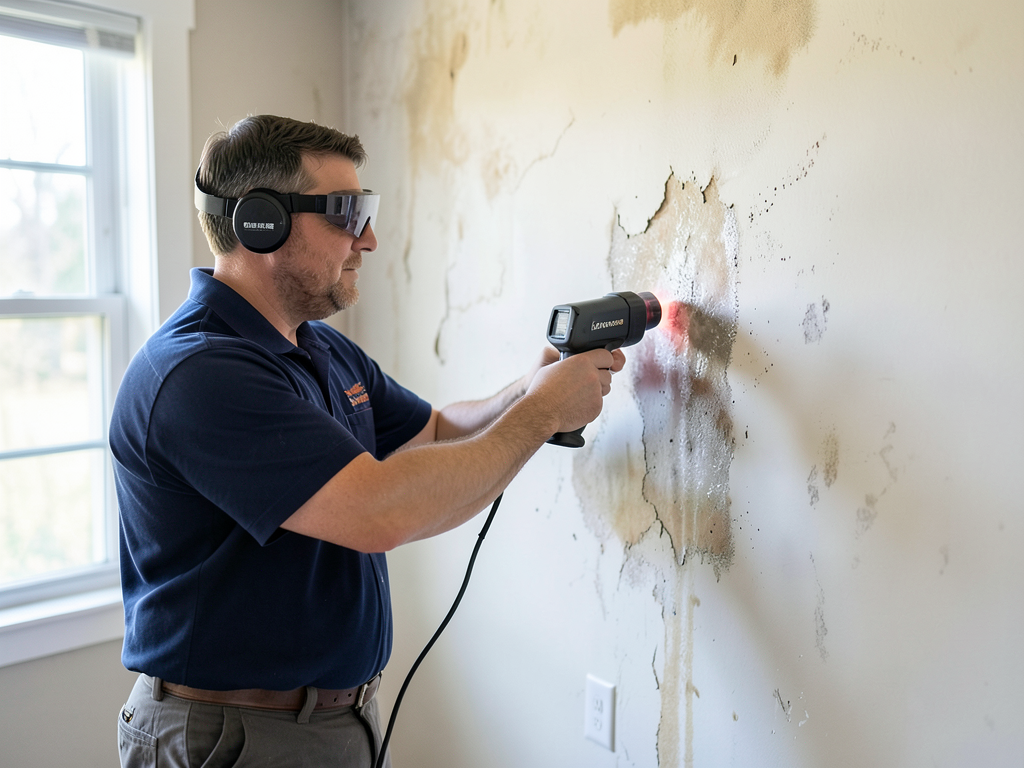
The initial assessment determines moisture migration patterns, affected materials, and contamination category. We test moisture levels in walls, ceilings, and subfloors using non-invasive meters and document findings with thermal imaging. You receive a written scope of work that breaks down each phase of the drying process, equipment requirements, and estimated timeline. This assessment includes classification of water source category and documentation of safety hazards like electrical risks or structural instability. The scope becomes your roadmap for insurance claims and helps you make informed decisions about business continuity during restoration.

Verifiable Structural Drying Results

Commercial drying success gets measured with moisture meters and hygrometers, not opinions about whether things feel dry. We track moisture content daily and provide data logs showing progressive drying in structural materials. Your building returns to pre-loss moisture levels verified by quantifiable readings that satisfy insurance engineers and building inspectors. Proper drying prevents callback issues from hidden moisture that causes mold growth or material degradation months after the visible water disappears. You receive final documentation proving all materials reached dry standard before we remove equipment.

Insurance Coordination and Claims Support

We communicate directly with your insurance adjuster and provide documentation in formats carriers expect. This includes detailed estimates, daily progress photos, equipment logs, and moisture readings that substantiate the scope of work. Our familiarity with commercial policy language helps identify coverage issues before they become claim disputes. You receive copies of all documentation for your records and future reference. We work with your risk management team to document pre-existing conditions and distinguish new damage from prior issues. This protects you from liability exposure and ensures accurate claim resolution.

Frequently Asked Questions

You Have Questions,
We Have Answers

How much does restoration cost for water damage? +

Commercial water damage restoration costs in Charlotte vary based on square footage, contamination level, and structural impact. A small office leak might run a few thousand, while multi-floor flooding in a warehouse can exceed six figures. Costs include water extraction, dehumidification, antimicrobial treatment, demolition, and rebuild. Class 1 damage (minimal absorption) costs less than Class 4 (stone, concrete saturation). Black water incidents (sewage, exterior flooding) increase costs due to hazmat protocols. Charlotte's high humidity extends drying time, raising labor and equipment costs. Request itemized estimates from multiple vendors and compare scope against your business continuity needs.

Is water damage restoration worth it? +

Yes, if the alternative is business closure, code violations, or structural collapse. Water penetrates building envelopes, compromises load-bearing members, and creates liability hazards. Delayed restoration accelerates mold colonization within 48 hours, triggering health code violations and potential lawsuits. For Charlotte commercial properties, untreated moisture deteriorates wood framing, corrodes HVAC systems, and voids insurance coverage if negligence is proven. The cost of restoration is typically 30-50% less than full replacement and keeps revenue streams active. Restoration preserves asset value, limits business interruption, and satisfies lender/insurance requirements. Calculate downtime cost per hour against restoration investment.

What does water damage restoration include? +

Commercial water damage restoration includes emergency water extraction, moisture mapping with thermal imaging, controlled dehumidification, antimicrobial application, affected material removal, structural drying, and post-mitigation verification testing. Technicians document moisture levels in walls, ceilings, and subfloors using meters calibrated to Charlotte's baseline humidity. The process includes contents pack-out, odor neutralization, HVAC system cleaning, and temporary climate control. Category 2 and 3 water requires contamination protocols per IICRC S500 standards. Final steps include air quality testing, mold clearance testing if needed, and coordination with your rebuild contractor. Full chain-of-custody documentation supports insurance claims and regulatory compliance.

What is the average insurance payout for water damage? +

No universal average exists. Commercial payouts depend on policy limits, deductibles, cause of loss, and claim documentation quality. A small business policy might cap at 50k, while large commercial policies cover millions. Sudden pipe bursts typically receive full coverage minus deductibles. Gradual leaks, poor maintenance, or flood (requiring separate flood insurance) often face denials. Charlotte properties with aging plumbing or HVAC systems may see reduced payouts if the adjuster cites deferred maintenance. Your actual payout depends on policy language, accurate damage documentation, and mitigation response speed. Review your declarations page and endorsements before loss occurs.

Does insurance pay for water restoration? +

Standard commercial property policies cover water restoration from sudden, accidental internal sources like burst pipes, HVAC failures, or sprinkler malfunctions. They exclude gradual leaks, groundwater seepage, and flood events unless you carry separate flood insurance through NFIP or private carriers. Coverage includes emergency mitigation, structural drying, and contents restoration up to policy limits. Charlotte businesses near creeks or in flood zones need additional flood policies. Policies typically require immediate mitigation to prevent secondary damage. Failure to act quickly can void coverage. Review your policy's water damage exclusions and sublimits annually, especially after building system upgrades or tenant improvements.

How to estimate water damage repair? +

Estimate water damage by measuring affected square footage, identifying water category (clean, gray, black), and assessing material saturation depth. Use moisture meters on walls, ceilings, and flooring. Calculate extraction hours based on standing water depth. Factor demolition costs for unsalvageable drywall, insulation, or flooring. Include equipment rental (dehumidifiers, air movers) at daily rates times estimated drying duration (3-7 days minimum in Charlotte's humid climate). Add antimicrobial treatment, contents handling, and disposal fees. Compare against Class 1-4 damage classifications per IICRC guidelines. Professional estimators use software like Xactimate to ensure consistency with insurance adjuster valuations and avoid claim disputes.

Why is water damage so expensive? +

Water damage costs escalate due to hidden saturation, specialized equipment needs, and labor intensity. Water migrates through wall cavities, insulation, and subfloors, requiring invasive access and extended drying time. Commercial-grade dehumidifiers and air movers run 24/7 for days, consuming electricity and requiring technician monitoring. Charlotte's humidity slows evaporation, extending equipment runtime. Contaminated water (Category 2 or 3) requires hazmat protocols, disposal fees, and antimicrobial applications. Mold remediation adds abatement costs. Structural materials like hardwood, drywall, and insulation are often non-salvageable. Emergency response, after-hours labor, and business interruption mitigation drive premiums. Speed prevents exponential cost growth.

How long does Servpro take for water damage? +

Servpro's timeline depends on damage severity, but commercial projects typically require 3-14 days for drying and mitigation alone. Extraction and equipment setup happen within hours of dispatch. Structural drying in Charlotte's humid climate takes 5-7 days minimum for standard construction, longer for concrete or masonry. Category 3 water or mold involvement extends timelines for testing and clearance protocols. Rebuild phases (drywall, flooring, paint) add weeks and often involve separate contractors. Large commercial losses can take months from mitigation through final build-out. Timelines depend on adjuster approval speed, material availability, and scope changes discovered during demolition.

How to get the most out of a water damage claim? +

Maximize your water damage claim by documenting everything immediately. Photograph affected areas, damaged inventory, and equipment before mitigation starts. Request detailed line-item estimates from your restoration contractor matching your adjuster's preferred software (typically Xactimate). Preserve damaged materials for adjuster inspection unless they pose safety hazards. Hire a public adjuster for claims exceeding 100k to challenge lowball settlements. In Charlotte, moisture testing reports and mold air quality data strengthen claims for hidden damage. Submit business interruption calculations with tax returns and revenue projections. Review your policy's Actual Cash Value versus Replacement Cost provisions. Respond to adjuster requests within 24 hours to prevent delays.

How likely is mold after water damage? +

Mold growth becomes likely within 24-48 hours if moisture persists above 60% relative humidity. Charlotte's average humidity (70%+) accelerates colonization on porous materials like drywall, insulation, and ceiling tiles. Mold probability increases with Category 2 or 3 water, poor ventilation, and delayed mitigation. Hidden moisture in wall cavities or under flooring creates invisible growth. Thermal imaging and moisture meters detect hidden saturation before visible mold appears. Professional drying with commercial dehumidifiers and air movers reduces risk to under 10% if started immediately. Any water event exceeding 48 hours without controlled drying should include post-mitigation mold testing before reconstruction begins.

Charlotte's Humid Subtropical Climate Accelerates Commercial Water Damage Timelines

Charlotte's average relative humidity exceeds 70 percent during summer months. This ambient moisture slows evaporation and creates ideal conditions for microbial growth in water-damaged commercial buildings. A flooded office in dry climates might take three days to dry. The same space in Charlotte requires five to seven days with proper dehumidification. The Piedmont region's clay soil retains moisture and transfers it to foundation walls through capillary action. Commercial buildings with below-grade spaces face persistent moisture challenges that demand vapor barrier systems and ongoing monitoring. Business water damage restoration in Charlotte cannot ignore these climate realities without risking incomplete drying and secondary damage.

Mecklenburg County building codes require commercial properties to meet specific moisture management standards during reconstruction after water damage. Local inspectors enforce these requirements strictly in commercial applications because of liability exposure and occupant density. Working with a commercial water remediation provider familiar with Charlotte inspection procedures prevents costly delays and failed inspections. We maintain working relationships with local building officials and understand their expectations for documentation and material selection. This local expertise moves your property through the restoration and inspection process efficiently while protecting your investment from future moisture problems.
Water Damage Restoration Services in The Charlotte Area

Cornerstone is proud to serve Charlotte and the surrounding areas, providing rapid and reliable water damage restoration services when you need them most. Our commitment extends to ensuring properties across our service region receive expert care. You can find our main office located conveniently, allowing us to quickly dispatch our teams to your location and address your water damage emergencies with efficiency and professionalism. We are always ready to assist you.

Address:
Cornerstone Water Damage Restoration Charlotte, 222 Baldwin Ave, Charlotte, NC, 28204

Additional Services We Offer

Our news updates

Latest Articles & News from The Blogs

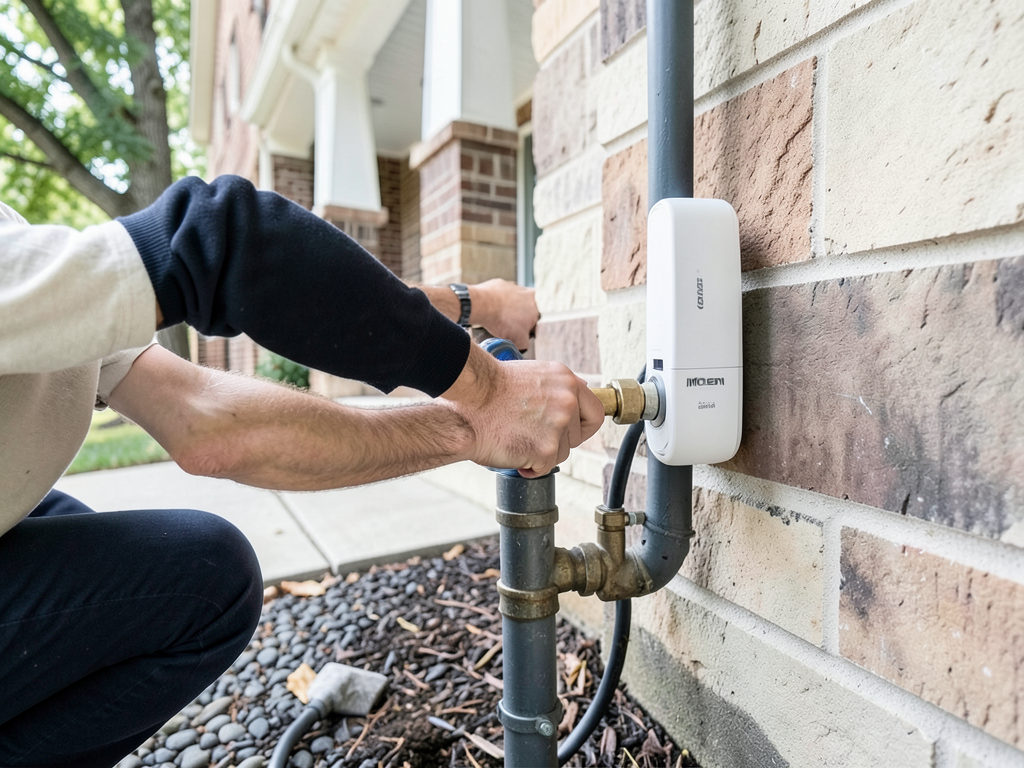
The Best Smart Leak Detectors to Prevent Water Damage in Ballantyne Water damage strikes Ballantyne homes every day from burst…

The Best Smart Leak Detectors to Prevent Water Damage in Ballantyne

The Best Smart Leak Detectors to Prevent Water Damage in Ballantyne Water damage strikes Ballantyne homes every day from burst…

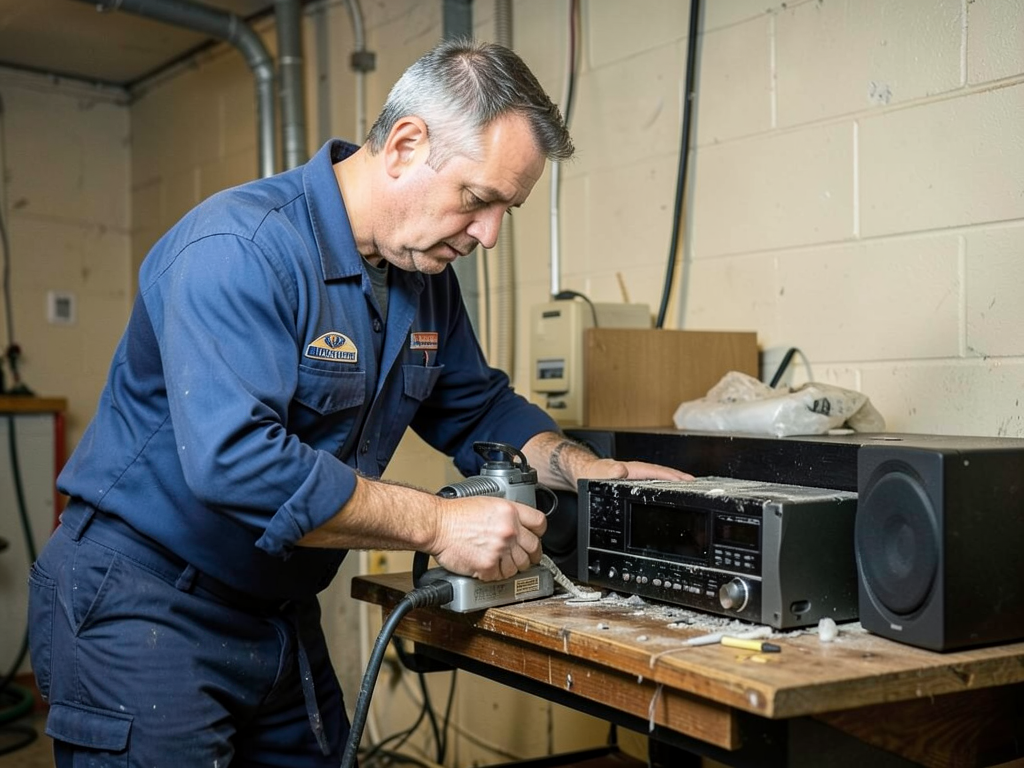
Safeguarding Expensive Home Theater Gear from Water Damage in Myers Park

Safeguarding Expensive Home Theater Gear from Water Damage in Myers Park Myers Park’s stately homes and finished basements create the…

Common Health Symptoms That Might Point to Hidden Water Damage in Your Home

Common Health Symptoms That Might Point to Hidden Water Damage in Your Home Water damage in your Charlotte home often…

Contact Us

Every hour of delay increases structural damage and revenue loss. Call Cornerstone Water Damage Restoration Charlotte now at (980) 342-9955 for immediate commercial water damage response. Our crews deploy 24 hours daily with industrial-grade equipment to minimize business disruption and protect your property investment.