



Menu

Carpet Water Extraction in Charlotte – Advanced Truck-Mount Systems Remove Hidden Moisture Fast

Professional carpet water extraction protects your Charlotte home from permanent damage using industrial-grade equipment that pulls 99% of standing water and trapped moisture from padding and subfloors in hours.

Slider Image 1
Slider Image 2
Slider Image 3
Slider Image 4
Slider Image 5
Slider Image 7
Slider Image 8
Slider Image 9
Slider Image 10
Slider Image 11

Why Charlotte's Climate Makes Fast Carpet Water Extraction Critical

You walk into your living room and your carpet squishes underfoot. The water may have come from a burst supply line, an overflowing washing machine, or storm surge through a basement window. Whatever the source, Charlotte's subtropical humidity compounds the problem fast.

When carpet sits wet in our 70% average summer humidity, mold spores colonize within 24 to 48 hours. The Piedmont clay soil beneath many Charlotte foundations retains moisture, slowing evaporation from below. This creates a moisture sandwich: humid air above, damp soil below, and your soaked carpet in between.

Wet carpet extraction becomes a race against biology. Carpets in homes near the Sugar Creek corridor or near Lake Norman face additional flood risk during heavy rain events that dump 3 to 5 inches in an afternoon. The longer water sits, the deeper it wicks into padding, tack strips, and subfloor plywood.

Emergency carpet water removal addresses more than surface wetness. Water migrates horizontally through carpet fibers and vertically through backing material into the pad. Standard shop vacuums cannot generate the extraction power needed. Flooded carpet extraction requires truck-mount systems that create negative pressure, pulling trapped water from deep within the carpet assembly. Delaying professional water damage carpet extraction turns a fixable problem into a full tear-out and replacement.

Charlotte homeowners often underestimate how much water hides in padding. A 200-square-foot carpeted room can hold 40 to 60 gallons of water between the carpet and pad layers after a significant leak.

Why Charlotte's Climate Makes Fast Carpet Water Extraction Critical
How Professional Carpet Water Removal Works

How Professional Carpet Water Removal Works

Cornerstone Water Damage Restoration Charlotte uses truck-mounted extraction units that generate 500 to 600 inches of water lift. This is the force required to pull water vertically through carpet backing, pad, and into recovery tanks.

We start with a moisture mapping protocol using pin-type and non-invasive meters. This identifies saturation levels in the carpet, pad, and subfloor. Readings above 17% moisture content in wood subfloors indicate the need for specialized drying after extraction.

Our wet carpet extraction process uses a portable wand connected to the truck-mount via high-pressure hoses. The wand applies controlled downward pressure while simultaneously extracting. Each pass removes water in three layers: surface water, fiber-trapped moisture, and pad-absorbed water. We make multiple passes in overlapping patterns to ensure complete coverage.

After initial extraction, we lift carpet edges to inspect the pad and subfloor. If the pad is saturated beyond recovery (over 50% water saturation), we recommend removal. Wet padding acts like a sponge, continuously re-wetting the carpet from below. Subfloors in Charlotte's older homes, especially those built before 1980, often use tongue-and-groove hardwood that swells when wet. We document these conditions for insurance claims.

High-velocity air movers and commercial dehumidifiers follow extraction. Air movers create airflow across carpet surfaces at 2,500 to 3,000 cubic feet per minute. Dehumidifiers remove moisture from the air, preventing it from reabsorbing into the carpet. We monitor drying progress with daily moisture readings until levels return to normal (12% to 15% for wood, under 20% for carpet).

What Happens During Your Carpet Water Extraction Service

Carpet Water Extraction in Charlotte – Advanced Truck-Mount Systems Remove Hidden Moisture Fast
01

Emergency Assessment and Water Source Control

We arrive within 60 to 90 minutes of your call and immediately locate the water source. If a supply line is still leaking or an appliance continues to discharge, we shut off the source first. We then use thermal imaging cameras to trace water migration paths through your carpet and subfloor. This assessment determines extraction strategy and equipment placement. We document all findings with photos and moisture readings for your insurance adjuster.
02

Truck-Mount Extraction and Pad Inspection

Our technicians deploy extraction wands connected to truck-mounted pumps parked outside your home. We make systematic passes across all affected carpet, applying extraction pressure to pull water from carpet fibers and backing. After initial extraction, we lift carpet corners and edges to inspect padding saturation. If padding is salvageable, we extract it separately. If not, we remove and dispose of it. Subfloors are checked for swelling, cupping, or delamination that indicates secondary damage.
03

Drying and Moisture Verification

We position air movers and dehumidifiers to create optimal drying conditions. Equipment runs continuously for 48 to 72 hours depending on initial saturation levels. We return daily to take moisture readings and adjust equipment placement. Drying is complete when moisture levels stabilize within normal ranges. We provide a final moisture report showing before and after readings. Your carpet is safe to walk on and furniture can be replaced once we verify dry conditions.

Why Charlotte Homeowners Choose Cornerstone for Carpet Water Extraction

Charlotte's housing stock ranges from historic Dilworth bungalows to new construction in Ballantyne. Each presents unique challenges for water damage restoration. Homes in older neighborhoods like Plaza Midwood often have original hardwood subfloors that require careful drying to prevent cupping. Newer homes in Weddington or Waxhaw may have oriented strand board (OSB) subfloors that swell rapidly when exposed to water.

We understand these local construction patterns because we work in them daily. Our technicians know that homes near McMullen Creek or Briar Creek face higher flood risk during tropical systems. We have extracted water from hundreds of Charlotte carpets after Hurricane remnants stalled over the Piedmont, dumping record rainfall.

Insurance coordination is where we separate from competitors. We work directly with adjusters from major carriers that insure Charlotte homes. We provide detailed moisture logs, extraction records, and drying documentation that support your claim. Many policies cover emergency water removal under the immediate action clause, which requires you to mitigate damage quickly to prevent further loss.

Our equipment investment matters. We operate six truck-mounted extraction units, not portable machines that rely on your home's electrical circuits. Truck mounts generate 10 times the extraction power of portable units. This means faster water removal, less drying time, and lower risk of secondary mold damage.

We also understand Charlotte's municipal codes. If your water damage requires subfloor replacement, the work must meet current building codes even if your home was built under older standards. We coordinate with licensed contractors when structural repairs extend beyond carpet and padding restoration.

What to Expect from Start to Finish

Response Time and Availability

We answer calls 24 hours a day, 365 days a year. When you call our emergency line, you speak with a trained technician, not an answering service. Our average response time to Charlotte addresses is 60 to 90 minutes from initial contact. We dispatch from our central location near Uptown, allowing rapid access to Myers Park, NoDa, South End, and surrounding areas. Weekend and after-hours service carries no premium charges. We arrive with truck-mounted extraction equipment ready to start work immediately. Time matters in water damage situations, and our response protocols reflect that urgency.

Initial Inspection and Damage Assessment

Our assessment begins with identifying the water category: clean water from supply lines, gray water from appliances, or black water from sewage backups. This determines safety protocols and restoration methods. We use moisture meters to measure saturation in carpet, padding, and subfloors. Thermal imaging reveals hidden moisture migration behind baseboards or into wall cavities. You receive a written scope of work detailing affected areas, recommended services, and estimated drying timelines. We explain what your insurance policy likely covers and what documentation they will require. This transparency helps you make informed decisions before work begins.

Quality of Results and Carpet Recovery

Our goal is complete carpet recovery when possible. Successful extraction depends on water category, saturation duration, and carpet construction. Clean water caught within 24 hours has the highest recovery rate. We extract until moisture readings show less than 10% residual moisture in carpet fibers. Padding replacement is often necessary because padding absorbs water rapidly and releases it slowly. We use antimicrobial treatments on carpets exposed to gray water to prevent bacterial growth. Your carpet will feel slightly damp after extraction but should be fully dry within 48 to 72 hours with proper air movement and dehumidification.

Post-Extraction Monitoring and Documentation

We do not pull equipment until moisture levels stabilize in the safe range. This requires daily monitoring visits where we take fresh moisture readings and adjust equipment placement. You receive a moisture log showing the drying progression from day one through completion. This log is critical for insurance claims and provides proof that proper drying protocols were followed. If we discover additional damage during drying (such as subfloor delamination or mold growth), we document it immediately and notify you. Our final report includes before and after photos, moisture readings, and a summary of all services performed.

Frequently Asked Questions

You Have Questions,
We Have Answers

How to extract water from carpet? +

Start by removing standing water with a wet/dry vacuum. Work in overlapping passes to pull moisture from carpet fibers and padding. Blot excess water with clean towels, applying pressure to absorb what the vacuum missed. For significant water intrusion in Charlotte homes, professional extraction equipment uses truck-mounted systems with 10 times the suction power of consumer vacuets. Technicians then place air movers and dehumidifiers to dry subflooring and prevent mold growth. Charlotte's humidity makes thorough extraction critical within 24 to 48 hours to avoid permanent damage and microbial growth beneath carpeting.

How much does it cost to get water out of carpet? +

Water extraction costs in Charlotte typically range based on the affected area size and water category. Clean water from a supply line costs less than contaminated water from sewage backups or floodwater. Pricing factors include carpet square footage, padding replacement needs, and equipment runtime. Most local restoration companies charge per square foot or offer flat rates for standard rooms. Emergency service calls during Charlotte's storm season may include after-hours fees. The cost to extract water is far less than full carpet replacement, which runs significantly higher when factoring in materials and labor.

Is it worth it to restretch carpet? +

Restretching carpet is worth it if the material remains in good condition but shows rippling or buckling from water damage. Charlotte's clay soil causes foundation shifts that contribute to carpet loosening over time. After water extraction, padding often requires replacement, making restretching necessary for proper reinstallation. The process costs a fraction of new carpet installation and extends your flooring's lifespan by years. If your carpet shows worn traffic patterns, staining beyond cleaning, or age exceeding 10 years, replacement makes more financial sense than restretching and repair work.

How much does it cost to have carpet pulled up? +

Pulling up carpet in Charlotte costs vary based on room size and disposal requirements. Standard bedroom removal runs less than living areas due to square footage differences. The price includes detaching carpet from tack strips, removing padding, and hauling materials away. If you need subfloor inspection after water damage, technicians may charge separately for moisture testing and assessment. Many restoration companies include carpet removal in their water extraction pricing when padding replacement is necessary. DIY removal saves money but risks missing hidden moisture damage in subflooring that Charlotte's humidity can quickly turn into mold growth.

How to get a lot of water out of your carpet? +

For large water volumes, you need professional truck-mounted extraction equipment. These systems generate powerful suction that pulls water from deep within carpet fibers and padding layers. Technicians use weighted wands that force water to the surface before extraction. In Charlotte, where summer humidity slows natural drying, high-velocity air movers create airflow across wet surfaces while commercial dehumidifiers remove moisture from the air. This combined approach prevents secondary water damage to baseboards, drywall, and subflooring. Attempting DIY extraction on major water events often leaves residual moisture that causes mold within 48 hours.

What is the best thing to absorb water from carpet? +

Professional water extraction equipment outperforms any absorption method. Truck-mounted systems create vacuum pressure that pulls water from carpet backing and padding simultaneously. For DIY efforts, wet/dry vacuums extract more water than towels or absorbent compounds. Avoid using baking soda or powders on wet carpet, as they create paste that embeds in fibers. In Charlotte's humid climate, absorption alone does not remove enough moisture to prevent mold. Clean cotton towels work for small spills when you apply body weight pressure. For anything beyond minor accidents, extraction equipment paired with dehumidification is necessary for thorough drying.

Will wet carpet smell go away? +

Wet carpet smell disappears only if you remove all moisture and treat microbial growth. The odor comes from bacteria and mold multiplying in damp fibers and padding. Charlotte's high humidity accelerates this process, making quick action critical. If you dry carpet completely within 48 hours and the padding was not saturated, odors typically resolve. Once mold establishes in padding or subflooring, the smell persists until you replace contaminated materials. Professional antimicrobial treatments kill odor-causing bacteria. If the smell returns after drying, moisture likely remains trapped beneath the surface, requiring padding replacement and subfloor remediation.

Can Stanley Steemer remove water from carpet? +

Stanley Steemer offers water extraction services, but their focus is carpet cleaning rather than emergency water damage restoration. For minor spills or small areas, their equipment can remove surface water. For significant water events common during Charlotte's thunderstorm season or plumbing failures, you need a company specializing in water damage restoration with IICRC-certified technicians. These specialists use moisture meters, thermal imaging, and commercial-grade extraction equipment designed for emergency response. They also handle structural drying, padding replacement, and antimicrobial treatment that standard carpet cleaning companies do not provide as part of comprehensive water damage protocols.

What to spray on wet carpet to prevent mold? +

Do not spray anything on wet carpet before professional assessment. Antimicrobial treatments require proper dilution ratios and application methods that vary based on water category and contamination level. In Charlotte, where mold grows quickly in humid conditions, improper product use can worsen problems or create toxic conditions. Professional restoration technicians apply EPA-registered antimicrobials after extraction when moisture levels drop below specific thresholds. Spraying wet carpet pushes contaminants deeper into padding and subflooring. Focus first on complete water removal using extraction equipment and dehumidification. Once dry, technicians determine if antimicrobial treatment is necessary based on moisture readings and contamination assessment.

Does a room have to be empty to restretch carpet? +

Technicians can restretch carpet with furniture in place, but empty rooms produce better results. Large items like beds and dressers require moving to access the entire floor. Small pieces can shift to one side, then move again as work progresses. In Charlotte homes, humidity causes carpet to expand and contract, making thorough restretching important for long-term results. After water damage, padding replacement requires complete furniture removal regardless. If restretching addresses water-related buckling, expect to move everything out. For routine maintenance restretching unrelated to water damage, discuss furniture moving options with your technician to understand limitations and results.

Why Charlotte's Piedmont Clay Soil Complicates Carpet Water Extraction

Charlotte sits on Piedmont clay soil that holds moisture for extended periods. When carpet water extraction removes water from the surface, moisture in the soil beneath your foundation continues to create humid conditions in crawl spaces and basements. This slows carpet drying from below. Homes built on slabs face similar challenges as moisture migrates through concrete via capillary action. We account for this by running dehumidifiers longer than we would in drier climates. Charlotte's geology also means many homes experience foundation settlement and cracking, which creates entry points for groundwater during heavy rain. Our extraction process includes checking for these structural vulnerabilities that may have contributed to your carpet flooding.

Charlotte's Water and Sewer Department responds to hundreds of main breaks annually, many affecting homes in older neighborhoods where cast iron pipes from the 1950s are failing. These breaks can flood basements and ground-floor rooms quickly. We maintain relationships with local plumbers and restoration contractors who understand Charlotte's aging infrastructure. When we extract water from your carpet, we are also looking at the bigger picture of whether your plumbing system contributed to the problem. Local expertise matters because we know which neighborhoods face higher risk from aging water mains, which areas flood during summer thunderstorms, and how to work with Charlotte-Mecklenburg building inspectors when restoration work requires permits.
Water Damage Restoration Services in The Charlotte Area

Cornerstone is proud to serve Charlotte and the surrounding areas, providing rapid and reliable water damage restoration services when you need them most. Our commitment extends to ensuring properties across our service region receive expert care. You can find our main office located conveniently, allowing us to quickly dispatch our teams to your location and address your water damage emergencies with efficiency and professionalism. We are always ready to assist you.

Address:
Cornerstone Water Damage Restoration Charlotte, 222 Baldwin Ave, Charlotte, NC, 28204

Additional Services We Offer

Our news updates

Latest Articles & News from The Blogs

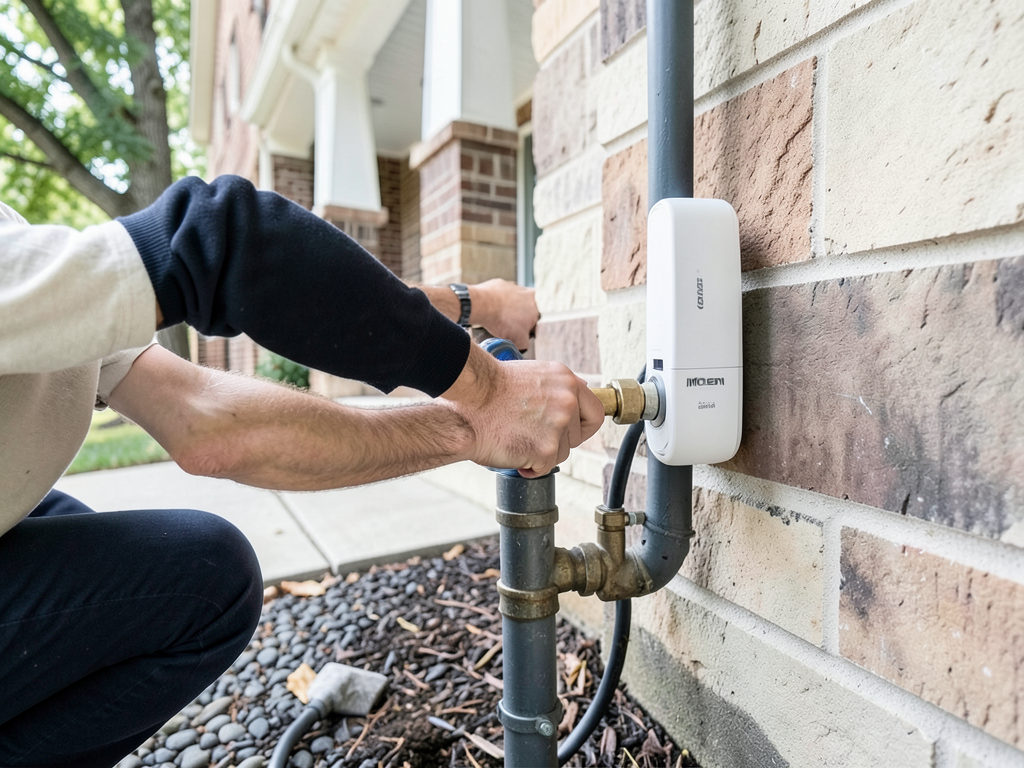
The Best Smart Leak Detectors to Prevent Water Damage in Ballantyne Water damage strikes Ballantyne homes every day from burst…

The Best Smart Leak Detectors to Prevent Water Damage in Ballantyne

The Best Smart Leak Detectors to Prevent Water Damage in Ballantyne Water damage strikes Ballantyne homes every day from burst…

Safeguarding Expensive Home Theater Gear from Water Damage in Myers Park

Safeguarding Expensive Home Theater Gear from Water Damage in Myers Park Myers Park’s stately homes and finished basements create the…

Common Health Symptoms That Might Point to Hidden Water Damage in Your Home

Common Health Symptoms That Might Point to Hidden Water Damage in Your Home Water damage in your Charlotte home often…

Contact Us

Standing water damages carpet permanently in hours, not days. Call (980) 342-9955 now for immediate dispatch. Our truck-mounted extraction systems are ready to deploy to your Charlotte location within 90 minutes.