


Menu

Business Interruption Mitigation in Charlotte – Minimizing Downtime and Protecting Your Revenue Stream

Fast-response water damage protocols designed to keep your Charlotte business operational during restoration, protecting cash flow and client relationships through strategic containment and phased recovery.

Slider Image 1
Slider Image 2
Slider Image 3
Slider Image 4
Slider Image 5
Slider Image 7
Slider Image 8
Slider Image 9
Slider Image 10
Slider Image 11

Water Damage Can Shut Down Your Charlotte Business in Hours

A ruptured supply line, roof leak, or sewage backup does not wait for a convenient time. For Charlotte businesses operating in the South Park, SouthEnd, or University City areas, water intrusion creates immediate operational threats. A flooded retail space loses sales every hour the doors stay closed. A water-damaged office building forces employees to work remotely, disrupting workflows and delaying deliveries. A manufacturing facility with standing water faces equipment corrosion, inventory loss, and production line shutdowns that ripple through your supply chain.

Charlotte's humid subtropical climate accelerates secondary damage. Moisture does not evaporate quickly here. Within 48 hours, mold spores colonize drywall, ceiling tiles, and HVAC ductwork. Within 72 hours, wood framing begins to warp. The longer your facility stays offline, the more revenue you lose and the harder it becomes to retain clients who depend on your availability.

Business interruption mitigation is not standard water damage restoration. It requires logistics planning, phased containment strategies, and the ability to isolate affected zones so undamaged areas remain functional. Reducing operational downtime starts with understanding your revenue drivers and critical path operations, then building a restoration sequence around them. For businesses in Plaza Midwood operating in converted historic buildings or those in the Charlotte Douglas Airport corridor with strict operational windows, this approach is the difference between a three-day inconvenience and a three-week closure that damages your market position.

Water Damage Can Shut Down Your Charlotte Business in Hours
Our Approach to Business Continuity Restoration

Our Approach to Business Continuity Restoration

Mitigating commercial downtime begins before we extract the first gallon of water. We deploy an incident commander who maps your facility, identifies mission-critical zones, and develops a containment strategy that prioritizes business continuity. If your call center must stay live, we isolate water-damaged conference rooms with vapor barriers and negative air pressure containment. If your warehouse needs to continue shipping, we schedule equipment placement during off-peak hours and create access corridors through affected areas.

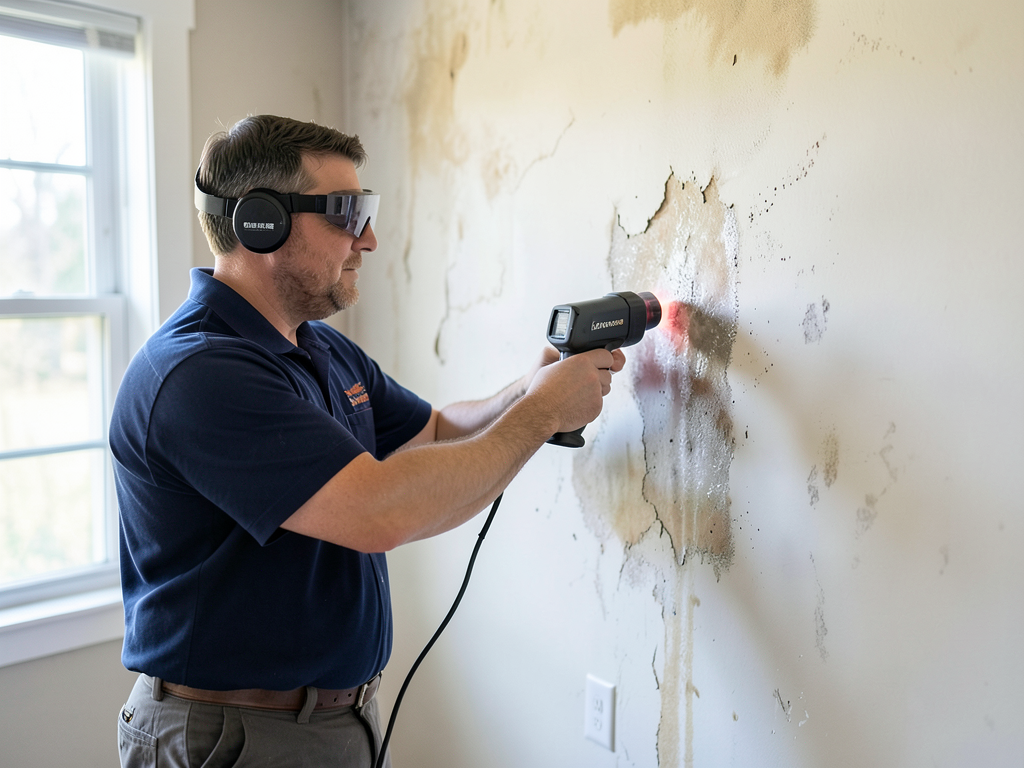
Water extraction in commercial settings differs from residential jobs. We use truck-mounted extractors with higher CFM ratings to remove standing water faster. We deploy desiccant dehumidifiers instead of standard refrigerant units because they work efficiently in large open spaces and can handle the moisture loads common in Charlotte's summer months. For facilities with raised flooring or drop ceilings, we use thermal imaging cameras to trace hidden moisture migration before it spreads into unaffected areas.

Structural drying follows a documented protocol. We place moisture meters in wall cavities, subfloors, and insulation to establish baseline readings, then track daily progress against IICRC S500 drying standards. For businesses subject to health department inspections or ISO certifications, we maintain chain-of-custody documentation on all microbial sampling and provide third-party clearance testing before you reopen affected areas.

Limiting business disruption also means coordinating with your insurance adjuster, building engineer, and property manager simultaneously. We provide daily progress reports with photo documentation so your stakeholders stay informed and your claim moves forward without delays that extend your closure timeline.

How We Execute Rapid Commercial Water Damage Recovery

Business Interruption Mitigation in Charlotte – Minimizing Downtime and Protecting Your Revenue Stream
01

Emergency Response Assessment

Within 90 minutes of your call, our team arrives onsite with commercial-grade extraction equipment and moisture detection tools. We perform a facility walkthrough to identify the water source, assess affected square footage, and determine which zones can remain operational during restoration. You receive a preliminary mitigation plan before we begin extraction, so you can communicate accurate timelines to employees and clients.
02

Containment and Extraction

We establish physical containment barriers using poly sheeting and zipper walls to isolate damaged areas from active workspaces. Negative air machines prevent cross-contamination. Truck-mounted extractors remove standing water, followed by floor mat systems that pull moisture from subfloors and concrete slabs. For category 3 water events involving sewage or gray water, we follow biohazard protocols to protect occupant health and maintain regulatory compliance.
03

Monitoring and Clearance

We track moisture levels twice daily using penetrating and non-invasive meters, adjusting dehumidification equipment as materials dry. Once readings reach equilibrium moisture content, we conduct final inspections and provide documented clearance reports. For facilities requiring third-party verification, we coordinate environmental testing to confirm the space meets occupancy standards. You reopen with confidence that the restoration meets industry benchmarks and your insurance requirements.

Why Charlotte Businesses Choose Cornerstone Water Damage Restoration Charlotte

Commercial water damage restoration in Charlotte requires understanding how local infrastructure and building codes affect recovery timelines. Many commercial properties in Uptown Charlotte were built during the banking boom of the 1980s and feature raised flooring systems and complex HVAC networks that hide water migration. Older buildings in NoDa and Dilworth often have cast iron drain lines prone to failure and limited access points for equipment placement. We have restored office buildings, medical clinics, retail centers, and light industrial facilities across Mecklenburg County, so we anticipate site-specific challenges before they delay your reopening.

Our relationships with local commercial property managers, insurance adjusters, and building inspectors streamline the approval process. We know which documentation the City of Charlotte requires for reopening permits after a major water event. We coordinate with your fire alarm company when we need to disable systems during restoration, and we work directly with your janitorial service to schedule post-restoration cleaning so you do not pay for redundant labor.

Minimizing business downtime also depends on equipment availability. We maintain a fleet of commercial dehumidifiers, air movers, and extraction units so we can scale to your facility size without waiting for rental equipment. For multi-story buildings, we have trailer-mounted desiccant units that can dry 50,000 square feet of space simultaneously. When a SouthEnd mixed-use building experiences a sprinkler malfunction affecting three floors, we can deploy enough equipment to dry all levels concurrently instead of sequentially.

You do not recover revenue by waiting. Cornerstone Water Damage Restoration Charlotte prioritizes getting your operations back online while meeting the documentation standards your insurer and regulators demand.

What Your Business Can Expect During the Restoration Process

Rapid Mobilization and Site Access

We answer emergency calls 24 hours a day, 365 days a year. For commercial clients, we dispatch a supervisor and crew lead together so you get both technical expertise and decision-making authority onsite immediately. Our response vehicles carry enough extraction and containment equipment to begin mitigation within minutes of arrival. We coordinate with building security, access control systems, and after-hours property management contacts to ensure our team can begin work regardless of when the damage occurs. If your incident happens during business hours, we stage equipment deliveries to minimize disruption to customer access and employee parking.

Detailed Damage Assessment and Scope Documentation

Before we extract water, we document the full extent of the damage using moisture mapping, thermal imaging, and photographic evidence. This assessment identifies hidden moisture in wall cavities, above ceilings, and below flooring that can cause long-term problems if left untreated. You receive a written scope of work that breaks down affected areas by square footage, lists all equipment we will deploy, and provides a realistic drying timeline based on material types and environmental conditions. This documentation supports your insurance claim and gives you the information you need to communicate with stakeholders about expected downtime.

Certified Drying and Quality Control

We follow IICRC S500 water damage restoration standards throughout the drying process. Our technicians hold certifications in applied structural drying and document moisture readings at the start of each day. You receive daily progress reports showing how moisture levels are trending and when we expect to reach drying goals. We do not remove equipment prematurely. Materials must reach equilibrium moisture content and pass final inspection before we sign off on the project. For clients who need independent verification, we coordinate third-party hygienist testing to confirm the space is safe for reoccupancy and free from elevated microbial activity.

Post-Restoration Support and Claim Assistance

After the restoration is complete, we provide a final report documenting all work performed, moisture readings, and equipment runtime logs. This report satisfies insurance requirements and provides a record for your facility maintenance files. We work directly with your insurance adjuster throughout the process, providing estimates, photo documentation, and answers to technical questions so your claim moves forward without delays. If additional repairs are needed beyond structural drying, such as replacing damaged drywall or flooring, we coordinate with qualified contractors to ensure the work happens on a timeline that supports your reopening goals. Our project managers remain available after equipment removal to address any follow-up questions or concerns.

Frequently Asked Questions

You Have Questions,
We Have Answers

What does business interruption coverage cover? +

Business interruption coverage compensates for lost income when your Charlotte facility cannot operate due to covered perils like fire, wind damage, or pipe bursts. It covers net profit you would have earned, ongoing expenses like rent and payroll, and temporary relocation costs. The policy applies during the restoration period, not just physical repairs. Coverage requires documented revenue history and proof the interruption stemmed from direct property damage. For Charlotte businesses facing seasonal revenue fluctuations or operating in leased spaces, understanding policy limits and waiting periods is critical to maintaining cash flow during restoration.

What is mitigation in business? +

Mitigation in business refers to proactive steps taken to reduce the severity and financial impact of operational disruptions. For Charlotte commercial properties, this includes water extraction within hours of a pipe burst, emergency board-up after storm damage, and rapid equipment relocation to prevent secondary losses. Effective mitigation minimizes downtime, preserves revenue streams, and reduces total claim costs. Insurance carriers often require documented mitigation efforts to approve business interruption claims. The faster you act to contain damage and restore partial operations, the lower your total loss exposure becomes.

What actions can be taken to reduce or mitigate business risks? +

Charlotte businesses reduce operational risk through documented emergency response plans, regular building maintenance, and vendor pre-qualification. Install water leak detection systems in mechanical rooms, maintain roof inspections before hurricane season, and establish relationships with restoration contractors before disaster strikes. Train staff on shutdown procedures for utilities and equipment. Segregate critical business functions to enable partial operations during repairs. Keep digital backups of financial records and customer data offsite. Document facility conditions with dated photos. These actions reduce both the probability of disruptions and the magnitude of losses when incidents occur.

Is business interruption insurance worth it? +

Business interruption insurance delivers measurable ROI for Charlotte commercial properties with significant fixed costs, seasonal revenue patterns, or single-location operations. If a three-day closure costs more than your annual premium, you need coverage. Properties in flood zones near the Catawba River or facilities with aging mechanical systems face higher disruption risk. The policy bridges the gap between when damage occurs and when revenue resumes. Without it, you pay rent, payroll, and loan obligations from reserves while generating zero income. Calculate your daily operating expenses to determine appropriate coverage limits.

What is not covered under business interruption? +

Business interruption excludes losses from undamaged property, utility outages beyond your premises, pandemics, government-ordered closures, and disruptions without physical damage. If your Charlotte facility remains intact but suppliers cannot deliver, standard policies do not respond. Voluntary closures, renovation projects, and seasonal shutdowns generate no claims. Damage from excluded perils like flooding requires separate coverage. The policy only pays during the documented restoration period, not indefinite closures. Fines, penalties, and lost market share fall outside coverage. Review exclusions carefully to identify gaps requiring endorsements or contingent business interruption riders.

What is the 80% rule in insurance? +

The 80% rule requires you to insure property for at least 80% of replacement value to avoid coinsurance penalties. If your Charlotte building costs $1 million to replace, you need minimum $800,000 coverage. Carrying less triggers proportional claim reductions. A $100,000 loss with only $600,000 coverage pays $75,000, not the full amount. This rule protects carriers from chronic underinsurance while incentivizing accurate valuations. Business interruption policies apply similar coinsurance formulas based on projected annual earnings. Conduct annual property appraisals to maintain adequate limits as construction costs rise.

What are 5 examples of mitigation? +

Five mitigation examples for Charlotte commercial properties include emergency water extraction within four hours of pipe bursts, temporary roof tarping after wind damage, climate-controlled drying to prevent mold in humid conditions, equipment relocation before contamination spreads, and emergency power for refrigerated inventory. Document all actions with timestamped photos and contractor invoices. Rapid structural drying reduces restoration time from weeks to days. Board-up services after break-ins prevent theft and weather intrusion. Each action directly reduces claim severity and accelerates your return to normal operations while demonstrating duty to mitigate for insurance purposes.

What are the three types of mitigation? +

The three mitigation types are structural, non-structural, and operational. Structural mitigation includes building hardening like impact-resistant roofing and flood barriers. Non-structural involves securing equipment, anchoring shelving, and installing backflow preventers. Operational mitigation covers emergency plans, staff training, and business continuity protocols. Charlotte businesses benefit from all three approaches. Structural upgrades address hurricane and hail exposure. Non-structural measures protect against earthquake vibrations and equipment failures. Operational planning ensures coordinated response when disruptions occur. Effective programs integrate all three types to create defense-in-depth against diverse threats to revenue continuity.

What is an example of mitigation in insurance? +

A Charlotte warehouse experiences roof damage during a storm. The owner immediately tarps exposed areas, relocates inventory to dry zones, and contracts emergency repairs. These actions prevent rain from damaging additional stock and rusting equipment. The insurer credits $40,000 in prevented losses against the deductible. Documented mitigation reduces the claim from $150,000 to $110,000 and cuts restoration time by two weeks. The faster return to operations limits business interruption exposure. This example shows how proactive damage control directly reduces total loss severity while fulfilling policy requirements to minimize claim costs.

What are the 5 mitigation strategies? +

Five mitigation strategies include risk avoidance, risk reduction, risk transfer, risk acceptance, and contingency planning. Charlotte businesses avoid risk by not storing critical records in basements prone to flooding. Reduce risk through preventive maintenance and monitoring systems. Transfer risk via insurance and vendor contracts. Accept minor risks below deductible thresholds. Contingency planning establishes alternate work locations and cross-trained staff. Effective programs combine multiple strategies. Transfer catastrophic property risk to insurance while reducing frequency through maintenance. Accept small equipment failures while avoiding operations in flood zones. Strategy selection depends on likelihood, consequence, and cost-effectiveness.

How Charlotte's Commercial Building Stock Affects Water Damage Recovery Timelines

Charlotte's commercial real estate includes a mix of modern glass towers in Uptown, converted textile mills in NoDa, and mid-century office parks along Independence Boulevard. Each building type presents unique water damage challenges. High-rise buildings often have centralized HVAC systems that can distribute moisture across multiple floors if not properly isolated. Historic conversions may have concealed plumbing in walls with limited access for inspection. Older suburban office buildings frequently have flat roofs with membrane failures that allow slow leaks to saturate insulation and ceiling tiles before anyone notices visible damage. Understanding these building-specific vulnerabilities allows us to deploy the right equipment and containment strategies from the start, reducing operational downtime and preventing secondary damage that extends your closure timeline.

Charlotte's position as a regional banking and logistics hub means commercial tenants face competitive pressure to maintain uptime. A closed retail location in SouthEnd loses foot traffic to competitors. A shuttered distribution center near the airport disrupts delivery schedules and damages client relationships. Local businesses trust Cornerstone Water Damage Restoration Charlotte because we understand these operational realities. We have restored everything from medical offices in Ballantyne to warehouses in the Charlotte Douglas Industrial Park, and we know how to navigate Mecklenburg County permit requirements, coordinate with commercial property managers, and work within the constraints of multi-tenant buildings where other businesses must remain operational during your restoration.
Water Damage Restoration Services in The Charlotte Area

Cornerstone is proud to serve Charlotte and the surrounding areas, providing rapid and reliable water damage restoration services when you need them most. Our commitment extends to ensuring properties across our service region receive expert care. You can find our main office located conveniently, allowing us to quickly dispatch our teams to your location and address your water damage emergencies with efficiency and professionalism. We are always ready to assist you.

Address:
Cornerstone Water Damage Restoration Charlotte, 222 Baldwin Ave, Charlotte, NC, 28204

Additional Services We Offer

Our news updates

Latest Articles & News from The Blogs

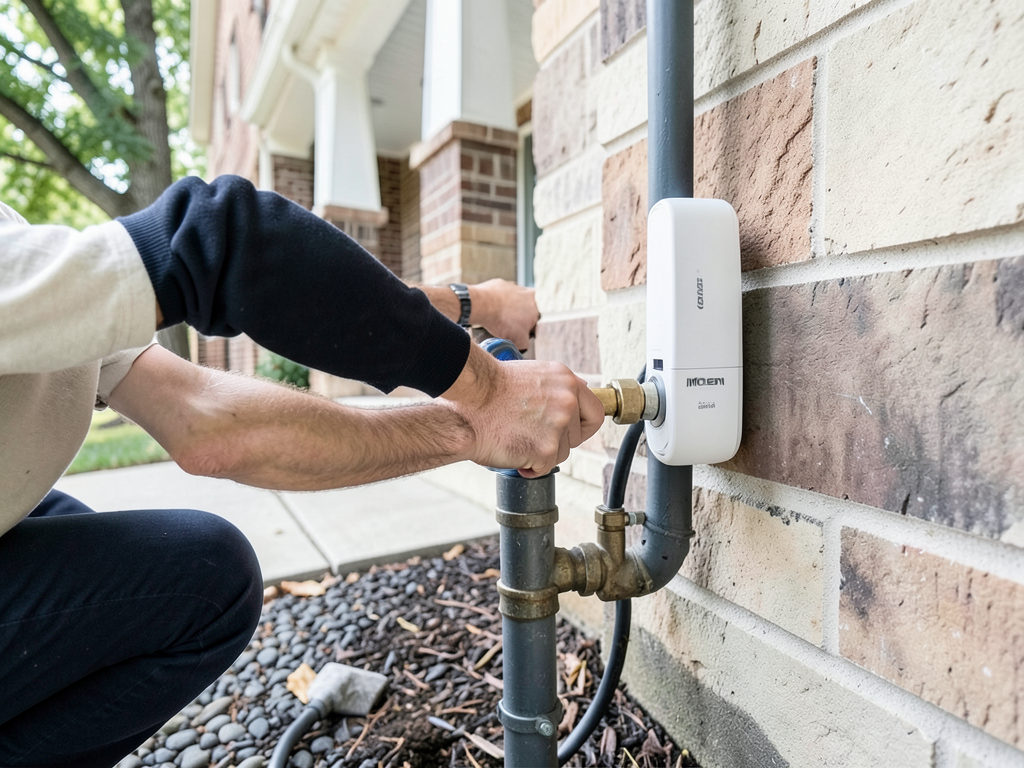
The Best Smart Leak Detectors to Prevent Water Damage in Ballantyne Water damage strikes Ballantyne homes every day from burst…

The Best Smart Leak Detectors to Prevent Water Damage in Ballantyne

The Best Smart Leak Detectors to Prevent Water Damage in Ballantyne Water damage strikes Ballantyne homes every day from burst…

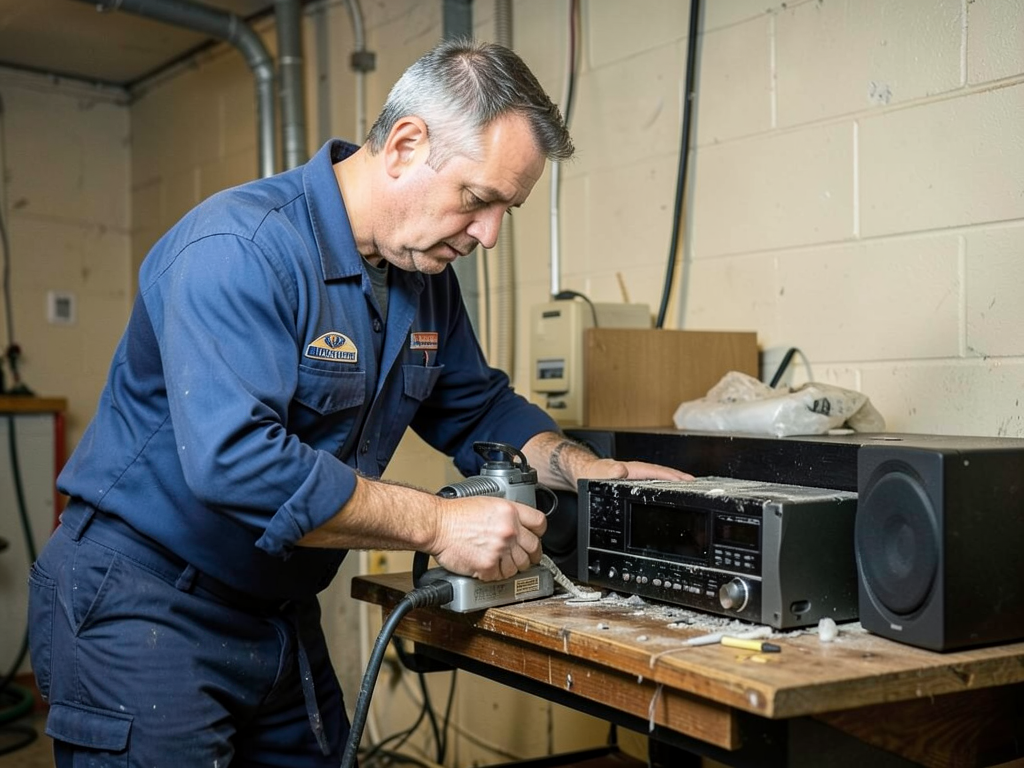
Safeguarding Expensive Home Theater Gear from Water Damage in Myers Park

Safeguarding Expensive Home Theater Gear from Water Damage in Myers Park Myers Park’s stately homes and finished basements create the…

Common Health Symptoms That Might Point to Hidden Water Damage in Your Home

Common Health Symptoms That Might Point to Hidden Water Damage in Your Home Water damage in your Charlotte home often…

Contact Us

Every hour of downtime costs you revenue and market position. Call Cornerstone Water Damage Restoration Charlotte now at (980) 342-9955 for rapid commercial water damage mitigation. We deploy immediately and work around your operational needs to minimize business interruption.