




Menu

Allergic Reactions in Home in Charlotte – Expert Mold Detection and Water Damage Remediation to Eliminate Hidden Health Triggers

When persistent sneezing, headaches, and respiratory issues strike inside your Charlotte home, hidden water damage and mold growth are often the root cause. Our comprehensive inspection and remediation process targets the moisture sources driving your allergic reactions in home.

Slider Image 1
Slider Image 2
Slider Image 3
Slider Image 4
Slider Image 5
Slider Image 7
Slider Image 8
Slider Image 9
Slider Image 10
Slider Image 11

Why Charlotte Homes Trigger Unexpected Allergic Reactions

You wake up congested. Your eyes itch by midday. The cough that disappears when you leave the house returns the moment you walk through your door. These are not random household mold allergies. They are red flags pointing to hidden water damage and active mold colonization inside your Charlotte home.

Charlotte's humidity averages 70 percent year-round. Summer storms dump inches of rain in hours. The clay soil beneath your foundation shifts, creating micro-cracks that channel groundwater into crawl spaces and basements. This combination creates ideal conditions for mold spores to germinate on drywall, insulation, and wood framing. You cannot see the colony behind your bathroom tile or under your kitchen sink, but your immune system detects it immediately.

Indoor mold symptoms escalate fast. What starts as morning congestion becomes chronic sinusitis. Water damage allergy triggers compound when HVAC systems circulate spores throughout ductwork. Your child's asthma worsens. Your partner develops skin rashes. These mildew allergic reactions are not psychosomatic. They are physiological responses to mycotoxins released by active fungal growth.

The Dilworth and Myers Park neighborhoods, with their historic homes and aging plumbing, see frequent moisture intrusion events. Newer construction in Ballantyne and Southpark suffers from improper grading and inadequate vapor barriers. Regardless of your zip code, mold exposure symptoms demand immediate investigation. Ignoring them allows colonies to spread from containable patches to systemic infestations requiring structural demolition.

Your home should not make you sick. When it does, the problem is not your body. The problem is water where it does not belong.

Why Charlotte Homes Trigger Unexpected Allergic Reactions
How We Eliminate Mold and Stop Allergic Reactions at the Source

How We Eliminate Mold and Stop Allergic Reactions at the Source

Surface cleaning does not solve mold problems. Bleach kills visible spores but fails to address the moisture source feeding the colony. We use a three-phase remediation protocol that targets the root cause, removes contaminated materials, and restores indoor air quality to baseline levels.

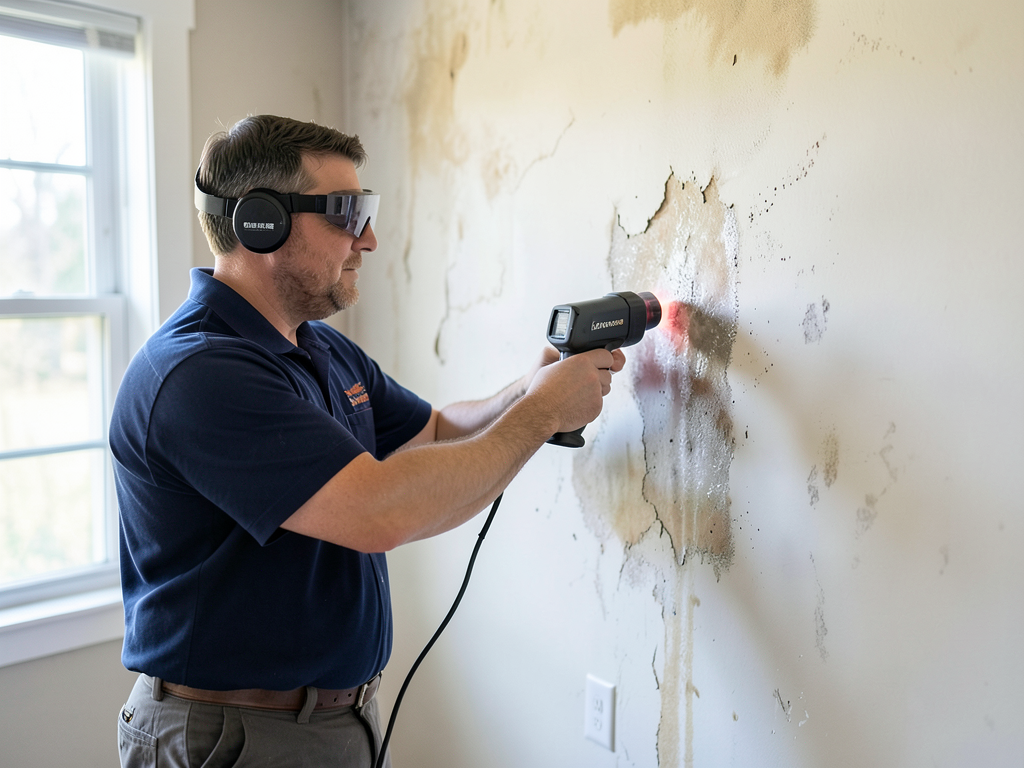
Phase one is forensic moisture mapping. We deploy thermal imaging cameras to detect temperature differentials behind walls and ceilings. Moisture meters quantify saturation levels in framing lumber and subfloors. Hygrometers measure ambient humidity to identify vapor pressure imbalances. This data pinpoints the exact entry point of water intrusion, whether it is a roof leak, plumbing failure, or foundation seepage.

Phase two is containment and removal. We establish negative air pressure zones using HEPA-filtered air scrubbers to prevent cross-contamination during demolition. Contaminated drywall, insulation, and baseboards are bagged and removed according to IICRC S520 mold remediation standards. We do not guess which materials are salvageable. We test them. Porous materials with embedded hyphae are discarded. Non-porous surfaces are treated with antimicrobial solutions after mechanical cleaning.

Phase three is source correction and prevention. We repair the leak, improve drainage, or install vapor barriers to eliminate future moisture intrusion. Dehumidifiers and air movers restore optimal humidity levels. Post-remediation air quality testing confirms spore counts have returned to outdoor baseline levels. You receive a clearance report documenting the work and verifying your home is safe.

This is not a one-day spray-and-pray operation. It is a methodical elimination of the conditions that allow mold to thrive in Charlotte's climate.

What Happens When You Call About Allergic Reactions in Your Home

Allergic Reactions in Home in Charlotte – Expert Mold Detection and Water Damage Remediation to Eliminate Hidden Health Triggers
01

Emergency Moisture Assessment

We arrive within hours of your call to conduct a full-home moisture assessment. Infrared cameras scan walls, ceilings, and floors for hidden water intrusion. Moisture meters probe suspect areas to quantify saturation levels. We identify active leaks, condensation zones, and vapor migration paths. This diagnostic phase typically takes 60 to 90 minutes and provides a complete moisture map of your home's envelope and interior spaces.
02

Containment and Remediation

Once we locate the mold source, we isolate the affected area with polyethylene sheeting and negative air machines. HEPA-filtered air scrubbers run continuously to capture airborne spores during demolition. We remove contaminated materials, treat surfaces with EPA-registered antimicrobials, and dry the structure to below 15 percent moisture content. All waste is bagged and disposed of according to local regulations. This phase duration depends on contamination severity and structural access.
03

Clearance Testing and Prevention

After remediation, we conduct post-clearance air sampling to verify spore counts match outdoor baselines. An independent lab analyzes samples for mold species and concentration. We provide a written clearance report and recommendations for long-term moisture control, including dehumidification strategies, grading corrections, or plumbing repairs. Your home is not cleared for reoccupation until test results confirm safe air quality and all moisture sources are eliminated.

Why Charlotte Families Trust Cornerstone for Mold and Water Damage Issues

Mold remediation is not a DIY project. It requires specific training, equipment, and knowledge of local building construction methods. Cornerstone Water Damage Restoration Charlotte has worked in hundreds of Charlotte homes, from post-war brick ranches in Plaza Midwood to modern builds in Weddington. We understand how water moves through your specific foundation type, how your HVAC system influences indoor humidity, and which building materials are most vulnerable in this climate.

Charlotte homes built before 1980 often lack vapor barriers in crawl spaces. Homes built during the 1990s construction boom frequently have improper flashing around windows and doors. Newer construction in rapidly developed areas sometimes suffers from compacted clay soil that channels water toward foundations. Each era and neighborhood presents unique moisture intrusion risks. We have seen them all.

We follow IICRC S520 standards for mold remediation and ANSI/IICRC S500 standards for water damage restoration. Our technicians hold certifications in applied microbial remediation and water damage restoration. We do not spray mold with household cleaners and call it fixed. We remove it, correct the moisture source, and verify the air quality with lab-tested data.

You also need a company that works with your insurance carrier. We document damage with detailed photo logs, moisture readings, and scope-of-work estimates that meet adjuster requirements. We communicate directly with your carrier to streamline claims processing. You should not have to translate technical jargon or argue about coverage. We handle that.

Charlotte's climate will not change. Your home's vulnerability to moisture intrusion will not disappear. But your allergic reactions can stop when the mold source is properly eliminated.

What You Can Expect During Mold Remediation

Rapid Response and Availability

We respond to calls within two hours, seven days a week. Mold does not wait for business hours, and neither do your symptoms. Our initial assessment happens the same day you call in most cases. We carry diagnostic equipment in every truck, so we can begin moisture mapping and air quality testing immediately. If active water intrusion is detected, we stop it before starting remediation. Speed matters because every additional day of moisture exposure expands the contamination zone and increases your health risk.

Comprehensive Diagnostic Process

Our assessment goes beyond visual inspection. We use thermal imaging to detect hidden moisture pockets, moisture meters to quantify saturation in building materials, and air sampling to identify mold species and spore concentration. You receive a written report detailing findings, contamination extent, and recommended remediation scope. We do not upsell unnecessary work. If the problem is a small leak with surface mold, we tell you. If the problem requires extensive demolition and structural drying, we explain why and show you the data.

Verified Air Quality Results

Your home is not cleared until independent lab results confirm safe air quality. We collect post-remediation air samples and send them to a third-party mycology lab for analysis. Results typically return within 48 to 72 hours. The clearance report includes species identification, spore counts, and comparison to outdoor baseline levels. This is not a subjective judgment call. It is objective data proving your indoor environment is safe. You keep the lab report for your records and for any future real estate transactions.

Long-Term Prevention Guidance

Remediation solves the current problem. Prevention stops it from recurring. We provide specific recommendations for your home, including optimal dehumidifier settings, crawl space encapsulation options, grading corrections, and plumbing maintenance schedules. We also identify HVAC modifications that improve ventilation and reduce humidity buildup. Many clients schedule annual moisture inspections to catch small leaks before they become mold problems. Prevention is cheaper than remediation, and it keeps your family healthy year-round.

Frequently Asked Questions

You Have Questions,
We Have Answers

What in my house is giving me allergies? +

Common culprits include dust mites in carpets and bedding, mold growing in damp areas like basements or bathrooms, pet dander, and cockroach droppings. Charlotte's high humidity fuels mold growth, especially after water intrusion. Check behind appliances, under sinks, and in crawl spaces. HVAC systems can circulate allergens if filters are dirty. Pollen tracked indoors from shoes also triggers reactions. If you notice musty odors, visible mold spots, or worsening symptoms at home, you likely have an indoor allergen problem that needs professional assessment and remediation.

How do I find out what I'm allergic to in my house? +

Start with an allergist who performs skin prick tests or blood tests to identify specific allergens. Once you know your triggers, inspect your home methodically. Check HVAC filters, examine dark corners for mold, and look under sinks for water damage. Charlotte homes built on clay soil often experience foundation shifts that create moisture entry points. You can purchase DIY mold test kits, but professional indoor air quality testing provides more accurate results. A certified inspector can identify hidden moisture sources, test air samples, and pinpoint contamination you cannot see.

How to treat allergy cough? +

Remove the allergen source first. Run HEPA air purifiers, wash bedding in hot water weekly, and vacuum with HEPA filters. For immediate relief, over-the-counter antihistamines like cetirizine or loratadine reduce symptoms. Drink plenty of water to thin mucus. Use saline nasal rinses to flush irritants. If cough persists beyond two weeks, see a doctor. Charlotte's seasonal pollen overlaps with indoor allergens, compounding symptoms. If you suspect mold is the trigger, professional remediation is necessary. Do not just mask symptoms without addressing the root cause.

Why do I suddenly have allergies in my home? +

Sudden allergies often follow water damage, HVAC issues, or seasonal humidity spikes. Charlotte's summer humidity above 70 percent creates ideal mold conditions within 24 to 48 hours of water intrusion. A roof leak, plumbing failure, or even condensation from poor ventilation can trigger rapid mold growth. Changes in your immune system or new pets also cause sudden reactions. If symptoms appeared after a storm, check your attic, crawl space, and walls for hidden moisture. Delayed responses to long-term low-level exposure are also common.

What is the most common indoor allergy? +

Dust mites are the most common indoor allergen nationwide and in Charlotte. These microscopic creatures thrive in humid environments, feeding on dead skin cells in mattresses, pillows, carpets, and upholstered furniture. Charlotte's average relative humidity above 60 percent creates perfect breeding conditions year-round. Unlike pollen, dust mite allergens are present constantly. They trigger sneezing, runny nose, itchy eyes, and asthma symptoms. Reducing indoor humidity below 50 percent, using allergen-proof bedding covers, and regular vacuuming with HEPA filters help control populations.

What are the symptoms of being allergic to mold? +

Mold allergy symptoms include sneezing, runny or stuffy nose, itchy eyes, throat irritation, coughing, and wheezing. Some people experience skin rashes or headaches. In Charlotte's humid climate, mold grows quickly in bathrooms, basements, and after water damage. Black mold produces mycotoxins that cause more severe reactions like chronic fatigue, respiratory distress, and cognitive issues. If symptoms worsen at home and improve when you leave, suspect mold. Visible growth, musty odors, and water stains are warning signs requiring immediate professional remediation.

Can I test my house for allergies? +

Yes. Professional indoor air quality testing identifies specific allergens in your home. Certified inspectors collect air and surface samples, then send them to labs for analysis. You can also purchase DIY mold test kits, though they are less accurate. Dust mite test kits measure allergen levels in bedding. For comprehensive results, hire an environmental consultant who tests for mold spores, volatile organic compounds, humidity levels, and particulate matter. In Charlotte, post-storm testing is common after flooding or roof leaks to detect hidden contamination before symptoms develop.

What are the symptoms of house dust mite allergy? +

Dust mite allergy symptoms include sneezing, runny nose, nasal congestion, itchy or watery eyes, coughing, and postnasal drip. You may experience facial pressure, frequent waking at night, or worsened asthma symptoms like wheezing and chest tightness. Symptoms are worst in bedrooms where mites concentrate in mattresses and pillows. Charlotte's year-round humidity sustains large mite populations. If symptoms improve when you are away from home or worsen after vacuuming, dust mites are likely the cause. An allergist can confirm through testing.

Do air purifiers help with allergies? +

Yes, but only HEPA-certified purifiers work effectively. They capture 99.97 percent of particles 0.3 microns or larger, including pollen, dust mite waste, pet dander, and mold spores. Place units in bedrooms and main living areas. Change filters per manufacturer guidelines. Air purifiers reduce airborne allergens but do not eliminate sources like mold growth or dust mite colonies in bedding. In Charlotte, combine purifiers with humidity control below 50 percent and regular cleaning. They help manage symptoms but are not a substitute for addressing moisture problems or contamination.

How to tell if it's an allergy cough? +

Allergy cough is typically dry, persistent, and accompanied by other symptoms like sneezing, itchy eyes, runny nose, or postnasal drip. It worsens with specific triggers like entering dusty rooms or after exposure to mold. The cough often improves with antihistamines. Infection-related coughs usually produce mucus, come with fever or body aches, and resolve within 10 days. If your cough lasts weeks, improves away from home, or worsens seasonally in Charlotte's high pollen months, allergies are likely. An allergist can test to confirm triggers.

How Charlotte's Humidity and Clay Soil Create Perfect Conditions for Mold-Related Allergic Reactions

Charlotte sits in the Piedmont region, where average relative humidity hovers near 70 percent year-round. Summer months regularly spike above 80 percent. This sustained moisture saturation means any water intrusion, no matter how minor, creates ideal mold germination conditions within 24 to 48 hours. The region's heavy clay soil compounds the problem. Clay is non-porous and expansive. It absorbs water during rain events and swells, then contracts during dry periods. This cycle creates foundation movement, micro-cracks in basement walls, and gaps around plumbing penetrations. Water follows these pathways into your home's envelope, where it saturates insulation, drywall, and framing lumber. The result is hidden mold growth that triggers household mold allergies and respiratory distress before you ever see visible colonies.

Effective mold remediation in Charlotte requires understanding local construction methods and climate patterns. Homes in older neighborhoods like Dilworth and Elizabeth often have unvented crawl spaces that trap humidity and encourage mold growth on floor joists. Newer subdivisions in areas like Ballantyne sometimes have inadequate drainage grading that directs rainwater toward foundations. We have worked in every Charlotte zip code and understand these regional construction quirks. Local expertise matters because a remediation plan designed for Arizona's dry climate will fail in Charlotte's humidity. You need a company that knows how water behaves in Carolina clay, how local building codes influence ventilation requirements, and which materials are most vulnerable in this specific environment.
Water Damage Restoration Services in The Charlotte Area

Cornerstone is proud to serve Charlotte and the surrounding areas, providing rapid and reliable water damage restoration services when you need them most. Our commitment extends to ensuring properties across our service region receive expert care. You can find our main office located conveniently, allowing us to quickly dispatch our teams to your location and address your water damage emergencies with efficiency and professionalism. We are always ready to assist you.

Address:
Cornerstone Water Damage Restoration Charlotte, 222 Baldwin Ave, Charlotte, NC, 28204

Additional Services We Offer

Our news updates

Latest Articles & News from The Blogs

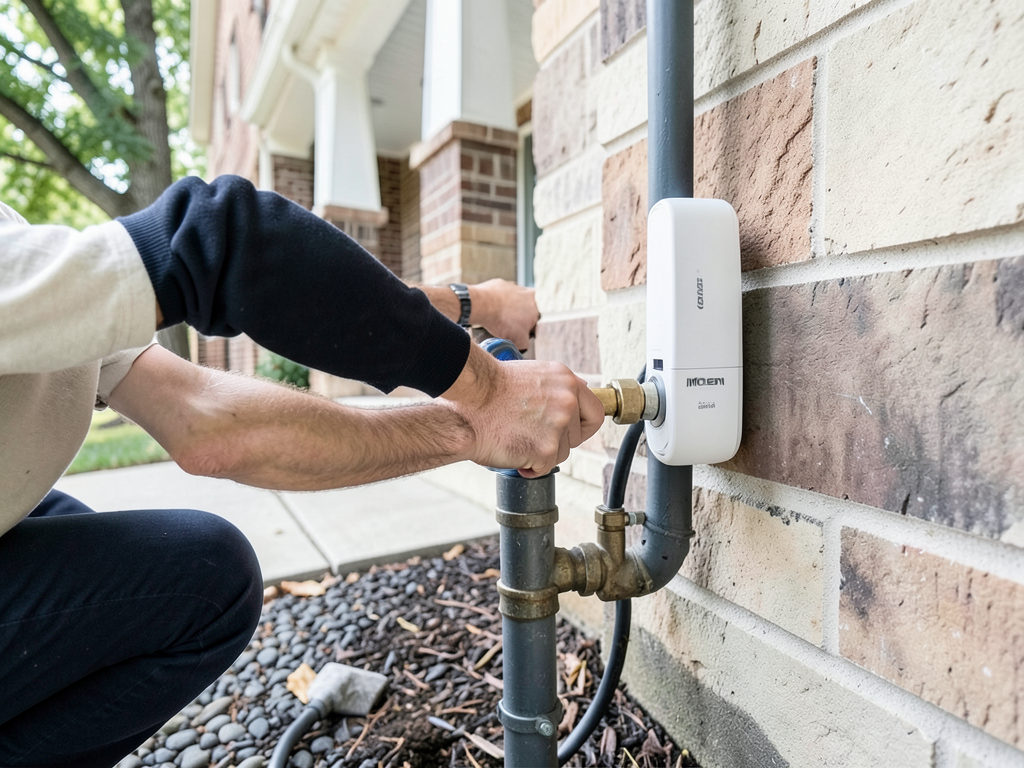
The Best Smart Leak Detectors to Prevent Water Damage in Ballantyne Water damage strikes Ballantyne homes every day from burst…

The Best Smart Leak Detectors to Prevent Water Damage in Ballantyne

The Best Smart Leak Detectors to Prevent Water Damage in Ballantyne Water damage strikes Ballantyne homes every day from burst…

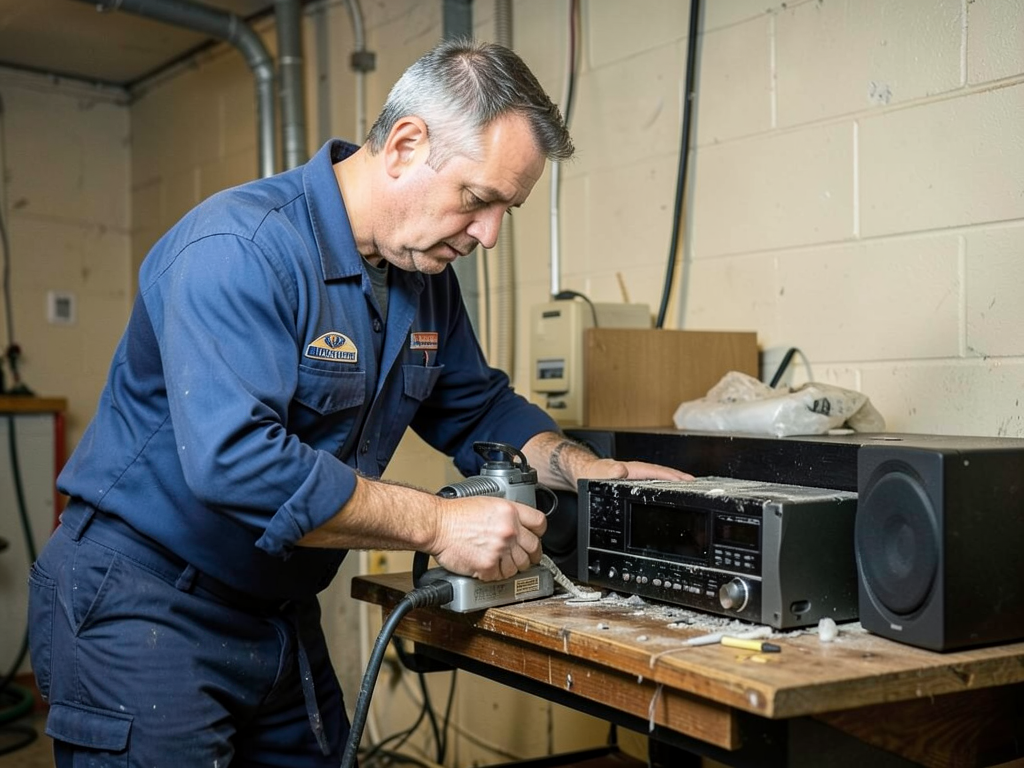
Safeguarding Expensive Home Theater Gear from Water Damage in Myers Park

Safeguarding Expensive Home Theater Gear from Water Damage in Myers Park Myers Park’s stately homes and finished basements create the…

Common Health Symptoms That Might Point to Hidden Water Damage in Your Home

Common Health Symptoms That Might Point to Hidden Water Damage in Your Home Water damage in your Charlotte home often…

Contact Us

Your symptoms are real. The solution is immediate mold detection and water damage correction. Call Cornerstone Water Damage Restoration Charlotte at (980) 342-9955 now for a free moisture assessment. We respond the same day and provide clear answers about what is making you sick.