Keeping Your Workshop or Studio Dry in the Biddleville Neighborhood
Charlotte’s high humidity creates unique challenges for basement workshops and studios especially in neighborhoods like Biddleville where many homes feature older construction with below-grade workspaces. The combination of Piedmont clay soil and seasonal moisture creates perfect conditions for condensation rust and mold growth that can destroy expensive tools and ruin woodworking projects.
High humidity causes rust on cast iron surfaces and musty smells that linger even after opening windows. These symptoms indicate relative humidity levels above 60% the point where metal oxidation accelerates and wood begins absorbing moisture from the air. For woodworkers and metalworkers in Biddleville maintaining optimal workshop conditions isn’t just about comfort—it’s about protecting thousands of dollars in equipment and materials. Steps to Take After a Flood.
Charlotte’s climate averages 70% relative humidity during summer months with dew points frequently exceeding 65°F. This moisture-laden air enters basement spaces through foundation walls especially where red clay soil retains water against masonry surfaces. The result is hydrostatic pressure that forces water vapor through concrete creating condensation on cooler surfaces like metal tools and cold-water pipes. Specialized Water Damage Restoration for Historic Homes in Dilworth.
Understanding these local conditions is the first step toward creating a dry stable workshop environment that protects your investment and ensures your projects succeed.
Common Moisture Problems in Biddleville Workshops
Biddleville’s historic character means many workshops occupy converted basements or attached garages with below-grade sections. These spaces face specific challenges that modern above-grade workshops avoid. The neighborhood’s location near Irwin Creek means some properties sit in areas with naturally higher water tables especially during Charlotte’s rainy season from May through September. Rapid Water Extraction and Drying for Properties Near Lake Norman.
Efflorescence on foundation walls provides a clear diagnostic indicator. This white powdery substance forms when water dissolves minerals in concrete and deposits them on the surface as it evaporates. Finding efflorescence means moisture is actively moving through your walls carrying dissolved salts that will eventually corrode metal surfaces and degrade wood.. Read more about Rapid Water Damage Response for Industrial Warehouses and Distribution Centers in Steele Creek.
Condensation patterns reveal problem areas. Water droplets forming on cold pipes tools stored near exterior walls or metal surfaces indicate temperature differentials between the workshop air and these surfaces. The physics are simple: warm humid air contacts a cold surface and moisture condenses out. In Biddleville’s climate this happens frequently when basement temperatures hover around 65-70°F while outdoor air exceeds 80°F with high humidity.. Read more about Choosing Between a Sump Pump and a French Drain for Your Montclaire Backyard.
Mold growth follows a predictable progression. Initially you’ll notice a musty odor—the smell of microbial volatile organic compounds produced by active mold colonies. Next comes visible growth on organic materials: wood dust cardboard storage boxes or even the paper backing on fiberglass insulation. By the time you see mold the moisture problem has been active for weeks or months.
Wood movement provides another diagnostic clue. Lumber stored in humid conditions expands across the grain potentially causing drawers to stick doors to bind or assembled projects to warp. This movement occurs because wood continuously exchanges moisture with the surrounding air until reaching equilibrium moisture content. In Charlotte’s humid climate that EMC often exceeds the levels suitable for fine woodworking.
Optimal Workshop Conditions for Different Crafts
Different workshop activities require different environmental conditions. Woodworkers need stable humidity to prevent lumber movement while metalworkers must control moisture to prevent oxidation. Electronics hobbyists face additional challenges with static electricity and corrosion of circuit boards.
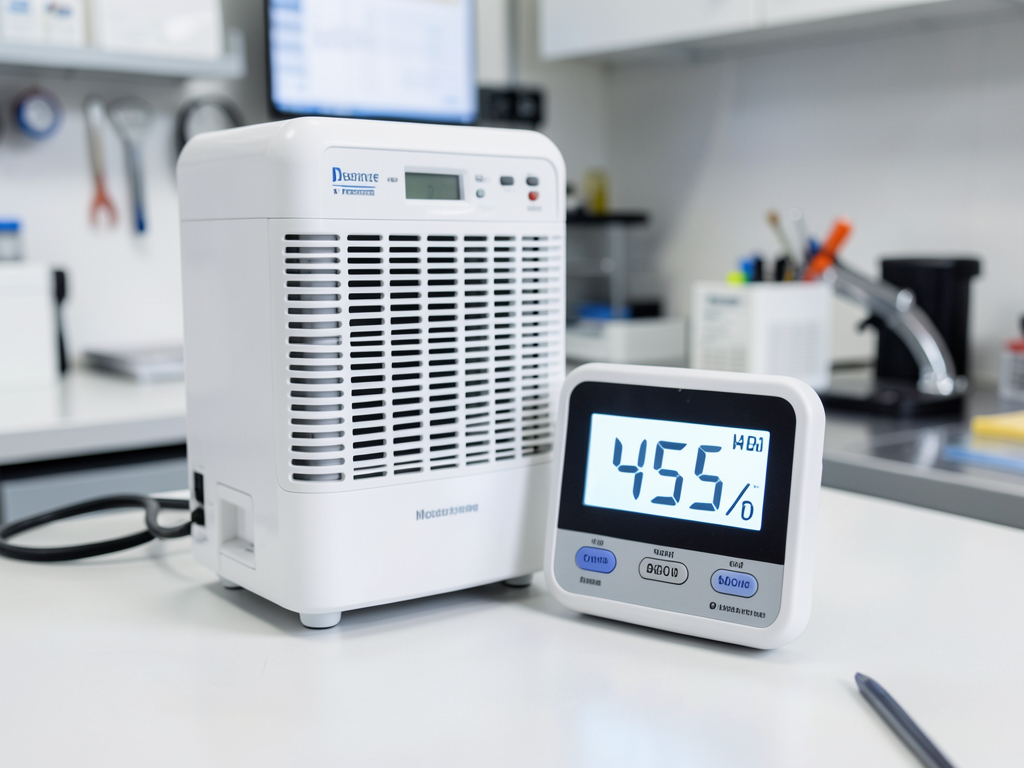
For woodworking the sweet spot falls between 40-45% relative humidity. This range minimizes wood movement while preventing excessive drying that could cause cracking. At these levels lumber maintains dimensional stability joints remain tight and finishes cure properly. Wood’s equilibrium moisture content at 45% RH and 70°F is approximately 8.5% ideal for most furniture applications.
Metalworkers require even lower humidity typically 35-40% to prevent rust formation on iron and steel surfaces. Cast iron tables precision measuring tools and cutting implements are particularly vulnerable. At 40% RH the rate of iron oxidation drops significantly compared to 60% RH where surface rust can form overnight on unprotected surfaces.
Electronics work demands both humidity control and temperature stability. Static electricity becomes problematic below 30% RH while condensation risks increase above 50%. A target range of 40-45% RH provides the best balance for sensitive electronic assembly and repair.
Understanding these requirements helps select appropriate moisture control equipment. A dehumidifier that maintains 45% RH in a woodworking shop might allow rust to form in a metal shop while one designed for metal protection could cause wood to crack or warp.
Step-by-Step Moisture Control Strategies
Effective moisture control requires a systematic approach addressing both symptoms and underlying causes. Starting with simple low-cost solutions allows you to gauge effectiveness before investing in more extensive modifications.
Begin with active dehumidification. For a typical basement workshop in Biddleville a 70-pint dehumidifier handles spaces up to 1500 square feet under normal conditions. However Charlotte’s extreme humidity often requires units rated for larger areas or commercial-grade equipment. Look for models with continuous drainage options rather than collection buckets as workshop humidity often exceeds a standard unit’s capacity.
Vapor barrier installation provides the next defense layer. Apply 6-mil polyethylene sheeting to foundation walls extending from the floor to at least 18 inches above the highest soil level outside. This Class I vapor retarder prevents moisture migration through masonry while allowing the wall to breathe. For floors consider epoxy coatings or specialized concrete sealers that block moisture transmission while providing durable workshop surfaces.
Ventilation requires careful planning in humid climates. Simply opening windows often introduces more moisture than it removes. Instead consider mechanical ventilation with energy recovery ventilators that exchange indoor and outdoor air while transferring heat and moisture. This approach maintains air quality without humidity spikes.
Temperature control works synergistically with humidity management. Keeping workshop air slightly warmer than the surrounding basement areas reduces the temperature differential that causes condensation. A dedicated mini-split system provides both heating and cooling while filtering workshop air and maintaining consistent conditions.
Storage practices significantly impact workshop moisture levels. Elevate lumber off concrete floors using stickers or racks that allow air circulation. Store cast iron tools in cabinets with desiccant packets or silica gel containers. Keep chemicals and finishes in sealed cabinets to prevent off-gassing that contributes to indoor humidity.
Advanced Moisture Management Solutions
When basic measures prove insufficient more comprehensive solutions become necessary. These approaches address the root causes of moisture intrusion rather than just managing symptoms.
French drain systems redirect groundwater away from foundation walls. An interior French drain consists of perforated pipe installed in a gravel trench along the basement perimeter collecting water that would otherwise seep through walls. This water drains to a sump pit where a pump automatically removes it from the building. For Biddleville properties near Irwin Creek this system proves particularly valuable during heavy rainfall events.
Exterior waterproofing provides the most comprehensive protection but requires significant investment. This process involves excavating around the foundation applying waterproof membranes to exterior walls installing drainage boards and ensuring proper grading away from the building. While expensive this approach eliminates moisture intrusion at its source rather than managing it inside the workshop.
Sump pump systems require proper sizing and backup power. A primary pump handles routine water removal while a battery backup system activates during power outages—precisely when storms often cause the most problems. Consider dual-pump systems where a secondary higher-capacity pump activates if water rises too quickly for the primary unit. Storm Flooding Emergency Service.
Smart monitoring technology enables proactive moisture management. Wireless hygrometers placed throughout the workshop track humidity trends sending alerts when conditions approach problematic levels. Some systems integrate with smart home platforms automatically activating dehumidifiers or ventilation systems when thresholds are exceeded.
Material selection influences long-term moisture performance. Pressure-treated lumber resists rot in high-humidity environments but may warp more than kiln-dried alternatives. Stainless steel tools resist rust but cost significantly more than traditional carbon steel. Understanding these trade-offs helps make informed decisions based on your specific workshop needs and budget.
When Professional Help Becomes Necessary
Certain moisture problems exceed DIY capabilities requiring professional assessment and remediation. Recognizing these situations early prevents extensive damage and protects your investment.
Foundation cracks wider than 1/8 inch often indicate structural movement that requires engineering assessment before repair. These cracks allow significant water intrusion and may worsen without proper stabilization. Professional structural repair typically involves epoxy injection carbon fiber reinforcement or underpinning depending on the crack pattern and underlying cause.
Recurring mold growth despite humidity control suggests hidden moisture sources or contaminated building materials. Professional remediation follows IICRC S520 standards which mandate containment negative air pressure and proper disposal of contaminated materials. This process ensures mold doesn’t simply spread to other areas during cleanup. Sump Pump Failure Cleanup and Repair in the Elizabeth Neighborhood.
Hydrostatic pressure causing water to bubble up through basement floors indicates high water tables or poor exterior drainage. This condition often requires exterior excavation and waterproofing or interior drainage systems with high-capacity pumps. The volume of water involved typically overwhelms consumer-grade solutions.
Persistent condensation on multiple surfaces even with dehumidification running suggests inadequate vapor barriers or significant air leakage. Professional energy auditors use thermal imaging and blower door testing to identify these issues then recommend targeted improvements that address the actual problems rather than symptoms.
Insurance complications arise when moisture damage results from neglected maintenance versus sudden events. Professional documentation of conditions recommended repairs and implemented solutions provides valuable evidence for insurance claims and helps establish that damage resulted from unforeseen circumstances rather than neglect.
Health and Safety Considerations
Workshop moisture affects more than just tools and projects—it impacts the health and safety of everyone using the space. Understanding these implications helps prioritize remediation efforts.
Mold exposure presents various health risks particularly for individuals with allergies asthma or compromised immune systems. Common symptoms include respiratory irritation sinus congestion skin rashes and fatigue. Some mold species produce mycotoxins that can cause more severe reactions. The confined nature of basement workshops concentrates these exposures making proper moisture control essential for occupant health.
Dust management becomes more challenging in humid environments. Sawdust and wood particles absorb moisture becoming heavier and more likely to settle on surfaces rather than remaining airborne. This increases slip hazards on floors and makes cleanup more difficult. Some wood species particularly exotic hardwoods can cause allergic reactions when their dust remains in humid conditions.
Tool maintenance in humid workshops requires additional precautions. Rust formation creates sharp edges that can cause cuts while chemical treatments for rust prevention may produce harmful fumes. Proper ventilation becomes critical when using rust inhibitors lubricants or cleaning solvents in enclosed basement spaces.
Electrical safety concerns increase with moisture presence. Water conducts electricity creating shock hazards around power tools and outlets. Humidity also accelerates corrosion of electrical connections potentially causing overheating or equipment failure. Ground Fault Circuit Interrupter protection becomes essential in any workshop where moisture might contact electrical devices.
Fire safety requires special consideration in humid workshops. Some fire suppression systems become less effective in high humidity while certain extinguishing agents may not work properly on specific types of workshop fires. Understanding these limitations helps select appropriate fire protection and develop effective emergency response plans.
Cost-Benefit Analysis of Moisture Control Investments
Evaluating moisture control options requires balancing upfront costs against long-term benefits. Understanding this relationship helps prioritize investments based on your specific situation and budget constraints.
Basic dehumidification represents the most cost-effective starting point with quality 70-pint units costing $250-400. Operating costs average $15-25 monthly during peak summer months. This investment prevents tool rust and wood movement protecting equipment worth thousands of dollars. The payback period typically falls under two years when considering prevented damage.. Read more about Protecting Your Creative Gallery or Studio from Water Damage in NoDa.
Vapor barrier installation costs vary significantly based on approach. DIY application of 6-mil poly sheeting runs $0.50-1.00 per square foot while professional installation with sealed seams and proper termination details costs $2-4 per square foot. The professional approach provides superior performance but requires careful evaluation of whether the incremental benefit justifies the additional cost.
French drain systems represent a moderate investment typically $3000-8000 depending on basement size and soil conditions. This solution addresses water intrusion at its source preventing the moisture problems that cause most workshop damage. For properties with recurring water issues this investment often proves more cost-effective than repeatedly replacing damaged tools and materials.
Exterior waterproofing represents the highest upfront cost ranging from $8000-20000 based on foundation size and excavation requirements. However this approach provides the most comprehensive protection and often increases property value. For historic Biddleville homes where workshop space adds significant value this investment may enhance both functionality and marketability.
Smart monitoring systems offer relatively low-cost protection with basic setups costing $200-500 for sensors and alerts. These systems prevent damage by enabling rapid response to changing conditions potentially saving thousands in prevented tool replacement or project loss. The convenience factor also improves workshop usability encouraging more frequent use of the space.
Local Building Considerations for Biddleville Workshops
Biddleville’s historic character and location within Charlotte’s city limits create specific considerations for workshop modifications. Understanding these factors helps ensure compliance while achieving desired moisture control improvements.
Charlotte’s building code requires permits for most basement modifications including vapor barrier installation and drainage improvements. The Charlotte-Mecklenburg Inspections Department enforces these requirements with inspections ensuring work meets current standards. While this process adds time and cost it provides assurance that modifications meet safety requirements and won’t create unintended consequences. Charlotte-Mecklenburg Building Code.
Historic district considerations may restrict exterior modifications visible from public rights-of-way. For workshops in designated historic areas interior improvements often provide the best approach to moisture control without compromising architectural character. Some modifications like interior French drains may require approval from historic preservation boards before implementation.
Soil conditions in Biddleville characterized by dense red clay affect drainage system performance. Clay soil’s low permeability means surface water moves slowly through the ground potentially overwhelming drainage systems during heavy rainfall. Proper system sizing and strategic placement become critical for reliable performance in these conditions.
Local climate patterns influence system design. Charlotte’s summer thunderstorms can dump several inches of rain in hours potentially overwhelming undersized drainage systems. Designing for these extreme events rather than average conditions ensures workshop protection during the most challenging weather conditions.
Utility considerations affect installation approaches. Biddleville’s older infrastructure means some properties have limited electrical service capacity potentially restricting the size of dehumidification or HVAC systems that can be installed. Understanding these limitations early in the planning process prevents costly redesigns later.
Maintenance and Monitoring for Long-Term Success
Implementing moisture control measures represents only the beginning of workshop protection. Ongoing maintenance and monitoring ensure these systems continue performing effectively over time.
Dehumidifier maintenance includes regular filter cleaning or replacement coil inspection for frost buildup and drainage system checks. Units operating in Charlotte’s humid climate often require more frequent maintenance than those in drier regions. Establishing a quarterly maintenance schedule prevents performance degradation that could allow moisture problems to return.
Sump pump systems need annual testing including pouring water into the pit to verify automatic activation. Battery backup systems require regular charge testing and battery replacement every 3-5 years. These simple checks prevent system failures during critical periods when water intrusion threatens the workshop.
Vapor barriers occasionally develop tears or separations at seams. Annual inspections identify these issues before they allow significant moisture intrusion. Small repairs using appropriate sealing tape or patches prevent minor problems from becoming major moisture sources.
Humidity monitoring provides early warning of developing problems. Smart sensors that track trends rather than just current conditions help identify gradual changes that might indicate system degradation or changing environmental conditions. Setting alert thresholds slightly below problematic levels enables proactive intervention.
Seasonal adjustments optimize system performance throughout the year. Charlotte’s climate varies significantly between summer humidity and winter dryness potentially requiring different settings or even different equipment operation modes. Understanding these seasonal patterns helps maintain optimal conditions while minimizing energy consumption.
Documentation of installed systems maintenance performed and problems encountered creates valuable reference material. This information helps diagnose recurring issues plan future improvements and provide context for professional service providers when problems exceed DIY capabilities.
Creating Your Ideal Workshop Environment
Transforming a damp problematic basement into a dry functional workshop requires understanding the unique challenges of Charlotte’s climate and Biddleville’s specific conditions. The process involves systematic assessment strategic investment and ongoing maintenance but the results protect valuable tools and create an environment where projects succeed rather than fail due to moisture-related issues.
Start with a thorough assessment of current conditions using moisture meters hygrometers and visual inspection to identify problem areas. This baseline understanding guides investment decisions ensuring resources target the most significant issues first. Remember that moisture problems often have multiple causes requiring layered solutions rather than single-fix approaches.
Prioritize solutions based on both immediate needs and long-term goals. A woodworker might focus first on humidity control for lumber stability while a metalworker prioritizes rust prevention. Understanding your specific requirements helps allocate resources effectively while building toward comprehensive moisture control.
Consider professional assessment for complex situations or when DIY efforts prove insufficient. The cost of professional evaluation often saves money by identifying the most effective solutions rather than trial-and-error approaches. Professionals also bring experience with local conditions that general advice might miss.
Remember that perfect conditions aren’t always necessary or cost-effective. A workshop maintaining 45-50% RH might not meet the ideal standards for fine woodworking but it could provide excellent protection for most tools and materials while remaining affordable to maintain. Define success based on your specific needs rather than theoretical ideals.
Finally view moisture control as an ongoing process rather than a one-time project. Charlotte’s climate will continue presenting challenges and your workshop needs will likely evolve over time. Building flexibility into your moisture management approach allows for adjustments as conditions change and requirements develop.
Frequently Asked Questions
What humidity level should I maintain in my basement workshop?
Most workshops function best at 40-45% relative humidity. Woodworkers should target 40-45% to prevent lumber movement while metalworkers need 35-40% to minimize rust formation. Electronics hobbyists should maintain 40-45% to balance static control and condensation prevention.
How can I tell if my workshop has a moisture problem?
Signs include rust on metal tools musty odors condensation on pipes or tools wood warping or swelling mold growth on organic materials and efflorescence on foundation walls. Using a hygrometer to measure relative humidity above 60% also indicates problematic moisture levels.
Are dehumidifiers enough to control workshop moisture?
Dehumidifiers provide essential moisture removal but often need to be combined with vapor barriers proper ventilation and temperature control for comprehensive moisture management. In Charlotte’s extreme humidity a single dehumidifier might not handle the moisture load without these complementary measures.
How much does professional moisture remediation cost?
Costs vary widely based on the solution. Basic dehumidification systems run $250-400 vapor barrier installation costs $2-4 per square foot professionally French drain systems range from $3000-8000 and exterior waterproofing can cost $8000-20000. Most homeowners find that targeted solutions addressing their specific problems provide the best value.
Can I install moisture control systems myself?
Many moisture control measures like dehumidifiers vapor barriers and basic drainage improvements work well as DIY projects. However foundation repairs exterior waterproofing and complex electrical work often require professional expertise to ensure safety and effectiveness. When in doubt consult with a professional before attempting major modifications. For more information, visit ASHRAE Ventilation Standards.
{
“@context”: “https://schema.org”,
“@type”: “BlogPosting”,
“headline”: “Keeping Your Workshop or Studio Dry in the Biddleville Neighborhood”,
“description”: “Protect your tools and projects from Charlotte’s humidity. Learn workshop moisture control for Biddleville’s historic basements near Irwin Creek.”,
“wordCount”: 3217,
“datePublished”: “2026-04-05T15:09:00.000Z”,
“dateModified”: “2026-04-05T15:09:00.000Z”,
“inLanguage”: “en-US”,
“mainEntityOfPage”: {
“@type”: “WebPage”,
“@id”: “https://cornerstonewaterdamagerestorationcharlotte.com”
},
“publisher”: {
“@type”: “LocalBusiness”,
“name”: “Cornerstone Water Damage Restoration Charlotte”,
“url”: “https://cornerstonewaterdamagerestorationcharlotte.com”
},
“author”: {
“@type”: “Organization”,
“name”: “Cornerstone Water Damage Restoration Charlotte”,
“url”: “https://cornerstonewaterdamagerestorationcharlotte.com”
},
“image”: {
“@type”: “ImageObject”,
“url”: “https://cornerstonewaterdamagerestorationcharlotte.com/wp-content/uploads/2026/03/keeping-your-workshop-or-studio-dry-in-the-biddlev-1.png”
}
}
{
“@context”: “https://schema.org”,
“@type”: “LocalBusiness”,
“name”: “Cornerstone Water Damage Restoration Charlotte”,
“url”: “https://cornerstonewaterdamagerestorationcharlotte.com”,
“address”: {
“@type”: “PostalAddress”,
“addressLocality”: “Charlotte”
},
“areaServed”: {
“@type”: “City”,
“name”: “Charlotte”
}
}
{
“@context”: “https://schema.org”,
“@type”: “FAQPage”,
“mainEntity”: [
{
“@type”: “Question”,
“name”: “What humidity level should I maintain in my basement workshop?”,
“acceptedAnswer”: {
“@type”: “Answer”,
“text”: “Most workshops function best at 40-45% relative humidity. Woodworkers should target 40-45% to prevent lumber movement while metalworkers need 35-40% to minimize rust formation. Electronics hobbyists should maintain 40-45% to balance static control and condensation prevention.”
}
},
{
“@type”: “Question”,
“name”: “How can I tell if my workshop has a moisture problem?”,
“acceptedAnswer”: {
“@type”: “Answer”,
“text”: “Signs include rust on metal tools musty odors condensation on pipes or tools wood warping or swelling mold growth on organic materials and efflorescence on foundation walls. Using a hygrometer to measure relative humidity above 60% also indicates problematic moisture levels.”
}
},
{
“@type”: “Question”,
“name”: “Are dehumidifiers enough to control workshop moisture?”,
“acceptedAnswer”: {
“@type”: “Answer”,
“text”: “Dehumidifiers provide essential moisture removal but often need to be combined with vapor barriers proper ventilation and temperature control for comprehensive moisture management. In Charlotte’s extreme humidity a single dehumidifier might not handle the moisture load without these complementary measures.”
}
},
{
“@type”: “Question”,
“name”: “How much does professional moisture remediation cost?”,
“acceptedAnswer”: {
“@type”: “Answer”,
“text”: “Costs vary widely based on the solution. Basic dehumidification systems run $250-400 vapor barrier installation costs $2-4 per square foot professionally French drain systems range from $3000-8000 and exterior waterproofing can cost $8000-20000. Most homeowners find that targeted solutions addressing their specific problems provide the best value.”
}
},
{
“@type”: “Question”,
“name”: “Can I install moisture control systems myself?”,
“acceptedAnswer”: {
“@type”: “Answer”,
“text”: “Many moisture control measures like dehumidifiers vapor barriers and basic drainage improvements work well as DIY projects. However foundation repairs exterior waterproofing and complex electrical work often require professional expertise to ensure safety and effectiveness. When in doubt consult with a professional before attempting major modifications. For more information, visit ASHRAE Ventilation Standards.”
}
}
]
}
{
“@context”: “https://schema.org”,
“@type”: “BreadcrumbList”,
“itemListElement”: [
{
“@type”: “ListItem”,
“position”: 1,
“name”: “Home”,
“item”: “https://cornerstonewaterdamagerestorationcharlotte.com”
},
{
“@type”: “ListItem”,
“position”: 2,
“name”: “Blog”,
“item”: “https://cornerstonewaterdamagerestorationcharlotte.com/blog”
},
{
“@type”: “ListItem”,
“position”: 3,
“name”: “Keeping Your Workshop or Studio Dry in the Biddleville Neighborhood”
}
]
}
{
“@context”: “https://schema.org”,
“@type”: “Service”,
“serviceType”: “Water Damage Restoration”,
“provider”: {
“@type”: “LocalBusiness”,
“name”: “Cornerstone Water Damage Restoration Charlotte”,
“url”: “https://cornerstonewaterdamagerestorationcharlotte.com”
},
“areaServed”: {
“@type”: “City”,
“name”: “Charlotte”
},
“description”: “Protect your tools and projects from Charlotte’s humidity. Learn workshop moisture control for Biddleville’s historic basements near Irwin Creek.”
}