



Menu

Black Mold Symptoms in Charlotte – Get Expert Diagnosis Before Health Risks Escalate

Recognizing signs of black mold exposure early protects your family from toxic mold health effects that worsen over time in Charlotte's humid climate.

Slider Image 1
Slider Image 2
Slider Image 3
Slider Image 4
Slider Image 5
Slider Image 7
Slider Image 8
Slider Image 9
Slider Image 10
Slider Image 11

Why Charlotte Homes Face Higher Black Mold Health Risks

You wake up with a persistent cough that will not quit. Your child develops unexplained headaches. Someone in your home complains about constant fatigue, and you notice a musty smell lingering in the basement or bathroom.

These are classic signs of black mold exposure, and Charlotte's climate creates the perfect breeding ground for stachybotrys chartarum, the scientific name for toxic black mold.

Charlotte sits in a humid subtropical zone where average humidity levels hover between 70 and 90 percent during summer months. When you combine that moisture with poor ventilation in crawl spaces common to older homes in Dilworth or Plaza Midwood, you create ideal conditions for mold colonization. A single water leak behind drywall or under a sink can trigger mold growth within 24 to 48 hours.

Black mold poisoning symptoms often start subtly. You might dismiss the runny nose as seasonal allergies or blame your sore throat on pollen from the abundant oak and pine trees throughout Mecklenburg County. But toxic mold health effects compound over time. Respiratory issues worsen. Skin rashes appear. Cognitive symptoms like brain fog and memory problems emerge.

The challenge in Charlotte is that many homeowners mistake black mold symptoms for other conditions tied to our environment. The clay soil common throughout the region causes foundation settling, which creates cracks where moisture seeps in. Older homes near Freedom Park or in the historic Fourth Ward often have inadequate moisture barriers in crawl spaces. Even newer construction in areas like Ballantyne can experience mold problems if HVAC systems are not properly maintained in our muggy climate.

Understanding the difference between surface mold and dangerous stachybotrys chartarum requires trained assessment, not guesswork.

Why Charlotte Homes Face Higher Black Mold Health Risks
How We Identify and Verify Black Mold Exposure

How We Identify and Verify Black Mold Exposure

Cornerstone Water Damage Restoration Charlotte uses a systematic diagnostic approach that goes beyond what you see on the surface.

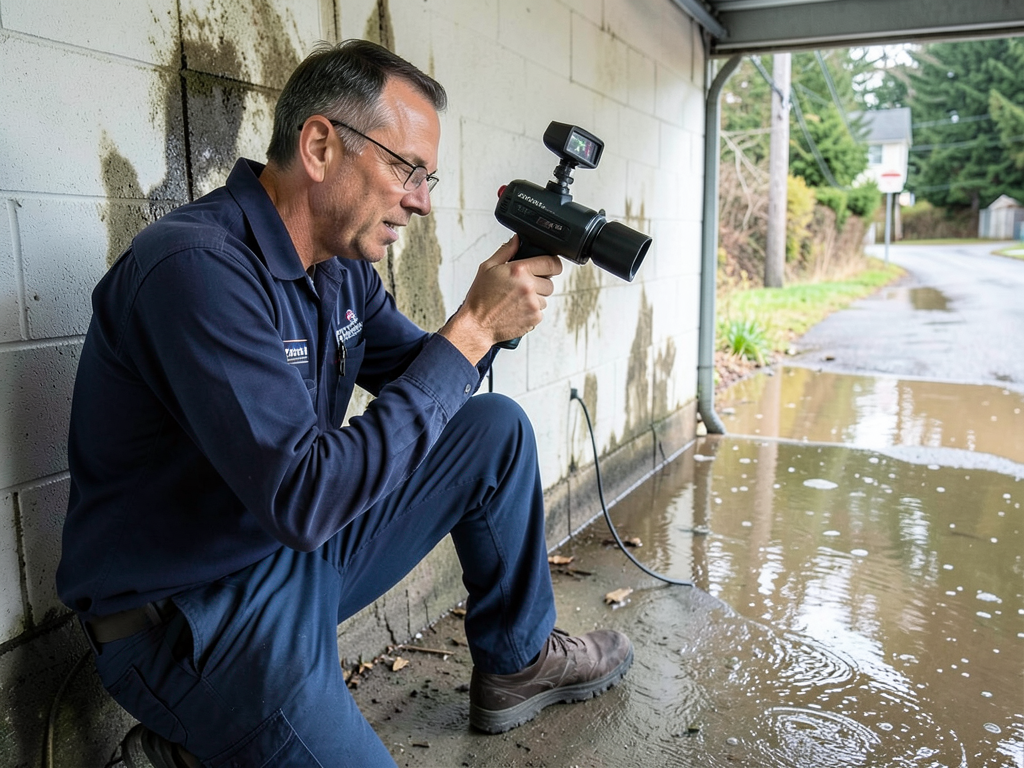
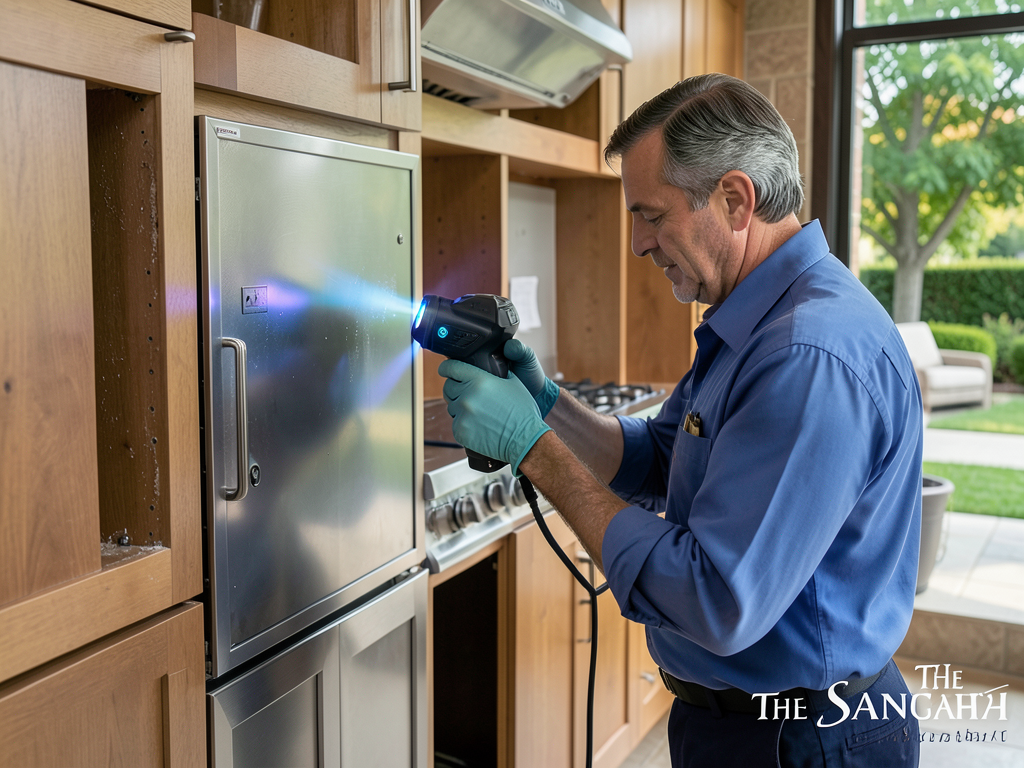
We start with thermal imaging cameras to detect hidden moisture patterns behind walls, under flooring, and in ceiling cavities. Moisture is the precursor to mold. If we find elevated moisture levels in building materials, we know to investigate further. This technology allows us to pinpoint problem areas without unnecessary demolition.

Next, we conduct air quality sampling using spore trap cassettes. This method captures airborne mold spores and sends them to an independent laboratory for analysis. The lab identifies the specific mold species present and provides spore counts per cubic meter of air. This data tells us if you have stachybotrys chartarum or another mold type, and whether concentrations exceed safe thresholds.

Surface sampling comes next. We use sterile swabs or tape lifts to collect samples from visible mold growth. This confirms the species and helps us determine the extent of colonization. Understanding whether the mold is actively growing or dormant influences our remediation strategy.

We also inspect your HVAC system. Mold spores travel through ductwork and spread throughout your home. If your system has been circulating contaminated air, simply removing visible mold will not solve the problem. We check for mold growth on coils, in drip pans, and along duct interiors.

Our team documents everything with detailed photos and written reports. This documentation becomes critical if you need to file an insurance claim or if you are selling your home and need proof of professional remediation.

The difference between our approach and a general contractor is specificity. We do not guess. We test, verify, and create a remediation plan based on actual data about your specific mold problem.

What Happens During Your Black Mold Assessment

Black Mold Symptoms in Charlotte – Get Expert Diagnosis Before Health Risks Escalate
01

Initial Health and Property Evaluation

We start by documenting your symptoms and when they started. This health timeline helps us correlate symptoms with potential exposure sources. We walk through your property room by room, looking for visible mold growth, water stains, and moisture indicators. We check basements, crawl spaces, attics, and areas around HVAC systems. This visual inspection identifies obvious problem zones and guides where we deploy testing equipment.
02

Scientific Testing and Analysis

Our technicians collect air and surface samples using laboratory-grade equipment. We document humidity levels, temperature, and airflow patterns that contribute to mold growth. Samples go to a certified mycology lab for species identification and concentration analysis. Results typically return within three to five business days. We also use moisture meters to test building materials like drywall, subflooring, and insulation for hidden water intrusion that feeds mold colonies.
03

Results Review and Action Plan

Once lab results arrive, we schedule a follow-up consultation to review findings. We explain which mold species are present, whether they pose health risks, and the severity of contamination. You receive a written remediation plan that outlines containment procedures, removal methods, and prevention strategies. We provide a detailed scope of work and timeline so you know exactly what to expect before any work begins.

Why Charlotte Residents Trust Local Mold Expertise

Mold remediation is not a DIY project, and it is not something you want to trust to a general handyman.

Stachybotrys chartarum releases mycotoxins that can cause serious health problems when disturbed improperly. Trying to clean black mold with bleach or simply painting over it makes the problem worse. Bleach only kills surface mold on non-porous materials and does nothing to address mold roots embedded in drywall or wood. Painting over mold traps moisture and allows continued growth behind the new surface.

Cornerstone Water Damage Restoration Charlotte understands the specific challenges Charlotte homeowners face. We know that homes built before 1990 in neighborhoods like Myers Park often lack proper vapor barriers in crawl spaces. We understand that the red clay soil throughout Mecklenburg County retains moisture and creates hydrostatic pressure against foundations. We recognize that the temperature swings between our hot summers and mild winters create condensation issues in attics and exterior walls.

Our team holds certifications from the Institute of Inspection, Cleaning and Restoration Certification, the industry standard for water damage and mold remediation professionals. We follow protocols established by the Environmental Protection Agency for safe mold removal, including proper containment, negative air pressure systems, and HEPA filtration during demolition.

We also navigate insurance claims effectively. Many homeowners do not realize that mold coverage varies significantly between policies. Some insurers cover mold remediation only if it results from a covered peril like a burst pipe. Others exclude mold entirely unless you purchased a specific rider. We document our findings thoroughly and work directly with adjusters to help you maximize coverage.

Choosing a local company means working with technicians who live in the same climate, deal with the same building styles, and understand local building codes. When we tell you that your crawl space needs encapsulation to prevent future mold growth, we are speaking from experience with hundreds of Charlotte homes, not generic advice from a national call center.

What to Expect When You Call Us

Same-Day Response Available

We understand that black mold symptoms create anxiety about your family's health. When you call, you speak directly with someone who can schedule an assessment, often within the same day for urgent situations. Our technicians arrive in clearly marked vehicles with all necessary testing equipment. Initial assessments typically take 60 to 90 minutes depending on your home's size and the extent of visible growth. We provide preliminary observations on-site and explain the testing process before we leave.

Comprehensive Mold Inspection

Our assessment goes beyond the obvious. We use moisture meters, thermal imaging, and borescopes to inspect areas you cannot see. We check behind appliances, inside wall cavities, and in HVAC plenums. Air sampling captures what is circulating through your home even if you do not see visible growth. Surface samples confirm species identification. We document everything with photos and detailed notes. You receive a written report within 48 hours of lab results, complete with spore counts, species identification, and our professional recommendations.

Safe, Effective Remediation

If remediation is necessary, we establish containment barriers using plastic sheeting and negative air machines with HEPA filters. This prevents mold spores from spreading to unaffected areas during removal. We remove contaminated materials following EPA guidelines, bag and dispose of them properly, and treat affected framing with antimicrobial solutions. After physical removal, we run air scrubbers to capture residual spores. Post-remediation testing verifies that spore counts have returned to normal levels before we close out the project.

Prevention and Monitoring Plans

Removing existing mold is only half the solution. We identify the moisture source that allowed mold to grow in the first place. This might mean repairing a leaking pipe, improving ventilation in your bathroom, installing a dehumidifier in your basement, or encapsulating your crawl space. We provide specific recommendations based on your home's construction and the conditions we observed during assessment. Many clients schedule annual moisture inspections to catch problems before they become mold issues, especially in high-risk areas.

Frequently Asked Questions

You Have Questions,
We Have Answers

How long does it take to recover from mold toxicity? +

Recovery time varies based on exposure duration and your health. Mild cases resolve in weeks once exposure stops. Severe toxicity can take months. Your body needs time to clear mold toxins. See a doctor trained in environmental illness for proper testing. Focus on removing the source first. Charlotte's high humidity accelerates regrowth, so professional remediation prevents re-exposure. Recovery improves faster when you eliminate the mold completely, fix moisture issues, and support your immune system. Some people experience lingering symptoms if mold remains hidden in crawl spaces or HVAC systems.

How do you tell if you have mold sickness? +

Mold sickness shows up as respiratory issues, chronic fatigue, headaches, and brain fog. You might notice worsening symptoms indoors that improve when you leave. Skin rashes, sinus congestion, and watery eyes are common. Track when symptoms appear. If they spike after rain or in specific rooms, mold is likely present. Charlotte's humid summers create perfect conditions for hidden growth behind walls or under carpets. Pay attention to musty odors. A doctor can order blood tests for mold antibodies, but symptoms paired with visible growth or water damage confirm the problem.

How to get rid of black mold in a house? +

Do not attempt DIY removal for black mold larger than 10 square feet. Surface cleaning spreads spores through your home. Professional remediation uses containment barriers, HEPA filtration, and antimicrobial treatments to eliminate colonies safely. Charlotte homes with crawl space moisture or roof leaks need source repair first, or mold returns. Technicians remove contaminated materials, treat affected areas, and verify clearance with air testing. Quick fixes with bleach fail because mold roots penetrate porous surfaces. Proper removal protects your family and prevents cross-contamination. Insurance often covers remediation when tied to sudden water damage.

How to test for black mold exposure? +

Air quality testing measures spore counts in your home. Labs analyze samples to identify mold types and concentrations. Surface swabs confirm visible growth species. Some doctors order urine mycotoxin tests to check for exposure biomarkers in your body. DIY test kits provide limited data. Professional indoor air quality assessments compare indoor versus outdoor spore levels to pinpoint problems. Charlotte's outdoor mold counts run high year-round, so testing distinguishes between outdoor pollen and indoor contamination. Testing helps target remediation efforts and confirms clearance after treatment. Always pair testing with a visual inspection for hidden moisture.

How to flush mold out of your system? +

Your liver and kidneys naturally process mold toxins. Stop exposure first. Drink water to support kidney filtration. Eat anti-inflammatory foods like leafy greens and omega-3s. Some doctors recommend binders like activated charcoal to trap toxins in your gut. Saunas may help sweat out metabolites. Support your immune system with sleep and stress reduction. Consult a functional medicine doctor for personalized detox protocols. No quick fix exists. Flushing toxins takes weeks to months depending on exposure severity. Charlotte humidity means mold lingers in homes, so professional remediation prevents ongoing contamination while your body heals.

What happens if you breathe in black mold? +

Short-term exposure causes coughing, throat irritation, and nasal congestion. Healthy people usually recover quickly. Prolonged breathing of black mold spores triggers immune responses. You might develop asthma, chronic sinus infections, or allergic reactions. People with weakened immunity, infants, and the elderly face higher risks. Mycotoxins from certain molds cause neurological symptoms like memory issues and dizziness. Charlotte's year-round humidity keeps spores airborne longer indoors. One-time exposure rarely causes serious harm, but living with active growth leads to cumulative health effects. Remove the source immediately and consult a doctor if symptoms persist.

What are the 10 warning signs of mold toxicity? +

Watch for chronic fatigue, brain fog, difficulty concentrating, headaches, respiratory issues, sinus congestion, skin rashes, joint pain, digestive problems, and mood changes. Symptoms worsen indoors and improve outside. You might notice increased sensitivity to smells or chemicals. Sleep disturbances and unexplained weight changes appear in severe cases. Charlotte residents often mistake mold toxicity for seasonal allergies due to high pollen counts. Track symptom patterns. If multiple signs persist despite treatment and correlate with time spent at home, test for mold. Medical confirmation requires specific blood work, but symptom clusters plus visible growth signal immediate action.

Is black mold an emergency? +

Black mold becomes an emergency when you see rapid spread after flooding, smell strong musty odors, or experience severe respiratory distress. Immunocompromised individuals, infants, and the elderly should evacuate until professionals assess the situation. Charlotte's humidity accelerates growth after water damage. Within 48 hours, colonies establish and release spores. Address water intrusion immediately. Small patches under 10 square feet are urgent but manageable. Extensive contamination across multiple rooms or inside HVAC systems requires immediate professional response. Do not wait. Mold damages structures and health simultaneously. Quick action limits remediation costs and protects your family.

Can air purifiers remove mold spores? +

Air purifiers with HEPA filters trap airborne mold spores but do not kill existing colonies. They reduce spore concentration temporarily, which helps allergy symptoms. Purifiers work best alongside professional remediation. They cannot fix moisture problems or remove mold from walls, carpets, or ducts. Charlotte's humidity feeds regrowth, so source elimination matters most. Use purifiers as a secondary defense during and after remediation. Replace filters regularly. UV light models add antimicrobial action. Purifiers help maintain air quality but never replace proper mold removal. Think of them as damage control, not a cure.

What kills mold permanently? +

Nothing kills mold permanently if moisture remains. Professional remediation removes colonies, treats surfaces with antimicrobial solutions, and eliminates the water source. Mold needs moisture to survive. Fix leaks, improve ventilation, and control humidity below 60 percent. Charlotte's clay soil and crawl space designs trap moisture, so encapsulation and dehumidification prevent regrowth. Bleach kills surface mold on non-porous materials but fails on wood or drywall. EPA-registered fungicides work better. Porous materials like drywall require removal. Permanent elimination combines physical removal, moisture control, and ongoing maintenance. Address the cause, not just the symptom.

How Charlotte's Humidity and Housing Stock Amplify Mold Risks

Charlotte's average relative humidity stays above 70 percent for seven months of the year. When outdoor humidity is high, moisture migrates into cooler indoor spaces through gaps in building envelopes. Older homes in Chantilly, Eastover, and surrounding historic neighborhoods were often built with minimal insulation and no vapor barriers. Crawl spaces under these homes pull humid air from outside, creating condensation on floor joists and subflooring. This creates the damp, dark environment where stachybotrys chartarum thrives. Even newer homes in areas like Steele Creek can develop mold problems if builders did not properly flash windows or seal penetrations during construction.

Working with a restoration company that understands Charlotte's specific construction patterns makes a difference. We know which HVAC configurations are prone to condensate line clogs. We recognize the signs of foundation settling caused by our expansive clay soils. We understand that the rapid development boom in neighborhoods like South End introduced construction practices that sometimes prioritized speed over moisture management. This local knowledge allows us to identify root causes quickly and recommend solutions that work long-term in our climate, not just temporary fixes that fail when summer humidity returns.
Water Damage Restoration Services in The Charlotte Area

Cornerstone is proud to serve Charlotte and the surrounding areas, providing rapid and reliable water damage restoration services when you need them most. Our commitment extends to ensuring properties across our service region receive expert care. You can find our main office located conveniently, allowing us to quickly dispatch our teams to your location and address your water damage emergencies with efficiency and professionalism. We are always ready to assist you.

Address:
Cornerstone Water Damage Restoration Charlotte, 222 Baldwin Ave, Charlotte, NC, 28204

Additional Services We Offer

Our news updates

Latest Articles & News from The Blogs

The Best Smart Leak Detectors to Prevent Water Damage in Ballantyne Water damage strikes Ballantyne homes every day from burst…

The Best Smart Leak Detectors to Prevent Water Damage in Ballantyne

The Best Smart Leak Detectors to Prevent Water Damage in Ballantyne Water damage strikes Ballantyne homes every day from burst…

Safeguarding Expensive Home Theater Gear from Water Damage in Myers Park

Safeguarding Expensive Home Theater Gear from Water Damage in Myers Park Myers Park’s stately homes and finished basements create the…

Common Health Symptoms That Might Point to Hidden Water Damage in Your Home

Common Health Symptoms That Might Point to Hidden Water Damage in Your Home Water damage in your Charlotte home often…

Contact Us

Black mold symptoms do not improve on their own. Call Cornerstone Water Damage Restoration Charlotte at (980) 342-9955 right now to schedule your professional mold assessment. We will identify what you are dealing with and give you a clear path forward.