




Menu

School & University Restoration in Charlotte – Minimize Downtime and Protect Educational Operations

When water damage strikes your educational facility, every hour of closure costs you. Our school and university restoration services deliver rapid campus water remediation with minimal operational disruption to protect students, staff, and your institution's continuity.

Slider Image 1
Slider Image 2
Slider Image 3
Slider Image 4
Slider Image 5
Slider Image 7
Slider Image 8
Slider Image 9
Slider Image 10
Slider Image 11

Why Educational Facilities in Charlotte Face Unique Water Damage Risks

Charlotte's humid subtropical climate creates persistent moisture challenges for schools and universities. Summer humidity routinely exceeds 70 percent, while afternoon thunderstorms deliver intense rainfall that overwhelms aging campus drainage systems. Your educational facility faces water intrusion risks most commercial properties never encounter.

Universities near Creek systems like Irwin Creek or McMullen Creek deal with seasonal flooding that threatens basement labs, archival storage, and mechanical rooms. Historic campus buildings constructed before modern waterproofing standards allow moisture penetration through aging masonry and foundation walls. Modern academic buildings with flat or low-slope roofs collect standing water after heavy rain, leading to membrane failures and interior ceiling damage.

The consequences extend beyond physical damage. Water intrusion compromises indoor air quality in classrooms and dormitories. Mold growth in HVAC systems spreads spores throughout occupied spaces. Saturated ceiling tiles and insulation create liability risks. Every day your facility remains closed represents lost tuition revenue, rescheduled classes, and disrupted student services.

Educational facility water damage restoration requires specialized protocols you will not find in standard commercial cleanup. Occupied buildings demand containment strategies that isolate affected areas while adjacent spaces remain operational. Dormitory flooding requires rapid response to minimize student displacement. University flood cleanup services must coordinate with facilities management to protect sensitive equipment in computer labs, science facilities, and research spaces.

Your institution cannot afford extended closures or improper remediation that leads to recurring problems. Academic building water damage repair demands contractors who understand the operational complexity of educational environments and deliver solutions that restore function without compromising safety or air quality.

Why Educational Facilities in Charlotte Face Unique Water Damage Risks
Our Commercial-Grade Approach to Campus Water Damage

Our Commercial-Grade Approach to Campus Water Damage

School disaster recovery services require industrial capacity and surgical precision. We deploy trailer-mounted extraction units capable of removing thousands of gallons per hour from flooded basements, cafeterias, and athletic facilities. Our response eliminates standing water before it migrates through building assemblies or saturates subfloor structures.

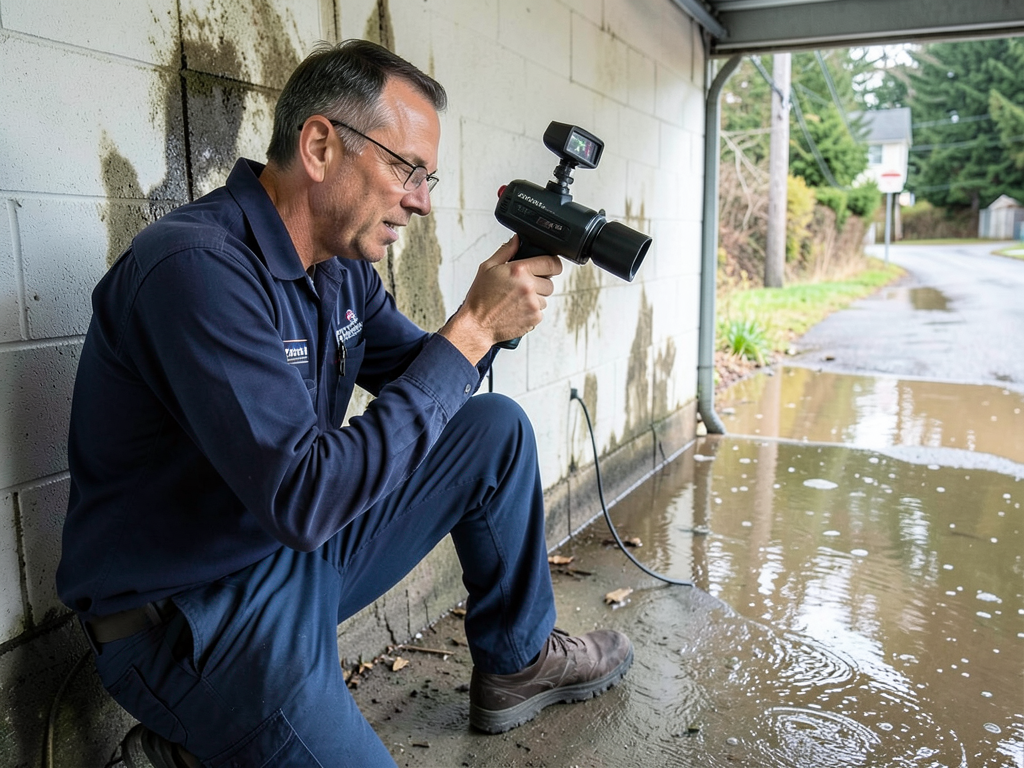
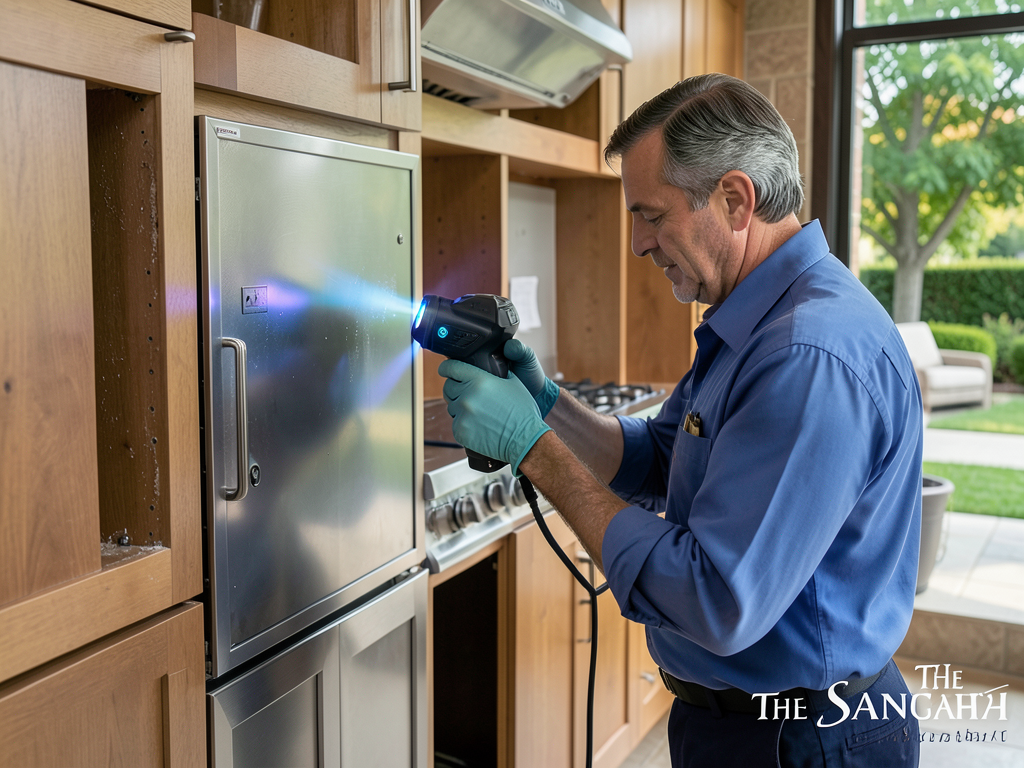
We use thermal imaging cameras to map moisture penetration behind walls and above ceilings without destructive investigation. Moisture meters provide quantitative readings across multiple material types, from concrete slabs to gypsum board to wood framing. This diagnostic approach identifies the full scope of water migration, including hidden saturation that leads to secondary damage if left untreated.

College campus water remediation follows IICRC S500 standards for water damage restoration. We establish drying chambers using containment barriers and negative air pressure to prevent cross-contamination between remediation zones and occupied spaces. Commercial dehumidifiers and air movers create controlled drying conditions, removing moisture from structural cavities and building materials at rates that prevent microbial growth.

Our documentation protocols satisfy insurance requirements and institutional risk management standards. We photograph damage progression, log moisture readings throughout the drying process, and provide detailed scope-of-work reports that support your claim filing and budget planning. Every step generates documentation that protects your institution from liability and ensures regulatory compliance.

When campus infrastructure fails, we coordinate with your facilities team to identify root causes. Broken supply lines, failed backflow preventers, and compromised building envelopes receive attention alongside water extraction and drying. This integrated approach prevents recurrence and supports your long-term facility planning.

We understand educational calendars. Summer break provides optimal windows for major restoration work, but mid-semester flooding demands solutions that keep your campus operational. Our project management adapts to your academic schedule, prioritizing critical spaces and phasing work to minimize disruption.

How We Restore Your Educational Facility

School & University Restoration in Charlotte – Minimize Downtime and Protect Educational Operations
01

Emergency Assessment and Containment

Our team arrives within hours to assess damage scope and establish containment zones. We identify structural risks, electrical hazards, and contamination levels, then isolate affected areas using physical barriers and negative air pressure. This immediate containment prevents damage migration and allows unaffected campus areas to remain operational while restoration proceeds. You receive a preliminary damage assessment and action plan before extraction begins.
02

Water Extraction and Structural Drying

Industrial extraction units remove standing water from floors, carpets, and building cavities. We then deploy commercial dehumidification equipment and air movement systems calibrated to your building's construction type and materials. Thermal imaging and moisture monitoring track drying progress across all affected materials. This controlled environment prevents secondary damage and microbial growth while documentation supports your insurance claim and regulatory compliance requirements.
03

Restoration and Operational Handoff

After complete structural drying verification, we restore damaged finishes, ceilings, and flooring systems to pre-loss condition. Our final walkthrough with your facilities team confirms all work meets institutional standards and building codes. You receive comprehensive documentation including moisture logs, photographic records, and material certifications. We coordinate timing to align restoration completion with your academic calendar, ensuring spaces return to service when you need them operational.

Why Charlotte Schools Trust Our Restoration Expertise

Educational facility water damage restoration in Charlotte demands familiarity with local building stock and institutional requirements. We have restored campus buildings ranging from historic structures in Dilworth to modern facilities in University City. This experience taught us how Charlotte's clay soil affects foundation drainage, how aging steam heating systems fail, and how summer humidity accelerates mold growth in occupied buildings.

Charlotte-Mecklenburg building codes require specific protocols for institutional occupancies. Our work complies with fire marshal requirements for occupied buildings during construction, maintains required egress paths, and follows air quality standards for educational environments. We coordinate inspections and obtain necessary permits, ensuring your project avoids compliance issues that delay reopening.

Our restoration approach protects institutional assets beyond the physical building. When library flooding threatens rare collections, we coordinate with conservation specialists. When laboratory water damage affects research equipment, we provide documentation your insurance carrier requires for equipment replacement claims. When dormitory flooding displaces students, we work around your housing logistics to minimize disruption.

Cornerstone Water Damage Restoration Charlotte maintains commercial capacity that matches institutional scale. We have handled everything from single-room pipe breaks to campus-wide flooding events. Our equipment inventory and trained technicians allow us to scale response to your emergency, whether that means drying a flooded administrative office or extracting water from an entire academic building.

Universities and school systems require vendors who understand procurement processes, insurance coordination, and institutional decision-making timelines. We provide detailed estimates, progress reporting, and change-order documentation that satisfy your business office and risk management requirements. Our communication protocols keep facilities directors, insurance adjusters, and institutional leadership informed throughout the restoration process.

You need a restoration partner who understands that educational facilities serve communities. We recognize the urgency of returning classrooms, labs, and student spaces to service, and we structure our work to support that mission.

What to Expect During Educational Facility Restoration

Rapid Response Timeline

Water damage progression accelerates in occupied educational buildings due to HVAC operation and humidity levels. We mobilize emergency response teams within two hours of your call, arriving on campus with extraction equipment and assessment tools. Our initial response includes damage documentation, emergency services to prevent further loss, and a preliminary timeline for full restoration. You receive a detailed scope of work within 24 hours, allowing you to coordinate with insurance carriers and plan for space reallocation if needed. Response speed directly affects total restoration time and cost.

Comprehensive Damage Assessment

Our assessment combines visual inspection with diagnostic technology. Thermal imaging reveals moisture hidden in wall cavities and above ceiling grids. Moisture meters quantify saturation levels in concrete, wood, and composite materials. We test affected areas for contamination levels and classify water damage according to IICRC standards, determining whether you face clean water, gray water, or black water scenarios. This assessment identifies structural concerns, electrical hazards, and air quality risks. You receive documentation that satisfies insurance requirements and supports your decision-making about building occupancy during restoration.

Complete Structural Restoration

Our restoration returns your facility to pre-loss condition. This includes replacing damaged drywall, ceiling systems, flooring, and millwork. We match existing finishes and materials to maintain aesthetic consistency across your campus. All work follows manufacturer specifications and building code requirements. Our project management coordinates trades, schedules inspections, and maintains quality control throughout construction. You receive a facility ready for immediate occupancy, with all systems tested and functional. Final documentation includes material certifications, air quality testing results, and warranty information for installed products.

Post-Restoration Support and Prevention Planning

Restoration completion marks the beginning of our post-project support. We provide detailed reports documenting all work performed, materials installed, and testing results. Our team identifies root causes and recommends preventive measures to avoid recurrence, from drainage improvements to plumbing system upgrades. You receive a comprehensive file suitable for insurance closeout and facility records. We remain available for questions and follow-up inspections. If future issues arise related to our restoration work, we respond immediately to address concerns and ensure your facility maintains the quality standards your students and staff deserve.

Frequently Asked Questions

You Have Questions,
We Have Answers

Which school is better, college or university? +

This question conflates educational tiers with restoration needs. For facility managers in Charlotte, the distinction matters operationally. Colleges typically focus on undergraduate programs in single buildings or small campuses, while universities house multiple colleges, graduate schools, and research facilities across expansive grounds. From a restoration perspective, universities present greater logistical complexity: more building types, higher occupancy densities, and stricter research environment protocols. Both require rapid response to water damage, but universities demand coordinated multi-building strategies and compliance with specialized lab or dormitory codes. Your restoration partner must understand these operational differences to minimize academic disruption.

What is the difference between the school and college? +

Schools serve K-12 students in age-specific facilities governed by strict safety codes and accessibility requirements. Colleges provide post-secondary education with different building use patterns, including labs, lecture halls, and student housing. For Charlotte facility managers, this distinction affects restoration protocols. Schools require immediate coordination with county health departments and stricter indoor air quality standards due to minor occupants. Colleges face different challenges like coordinating around semester schedules and addressing dormitory water damage that impacts housing capacity. Restoration timelines, containment strategies, and stakeholder communication differ significantly. Your contractor must adapt methods to the specific educational environment and regulatory framework.

Why does Gen Z not go to college? +

Rising costs, student debt concerns, and alternative career pathways drive this trend. However, this question misses the facility management angle. Charlotte's educational institutions still serve large student populations requiring maintained, code-compliant buildings. Declining enrollment in some sectors may reduce immediate occupancy but increases deferred maintenance risks. Empty or underused buildings develop hidden water damage from neglected HVAC systems, roof leaks, or plumbing failures. Facility managers face budget pressure while maintaining aging infrastructure. Proactive moisture monitoring and rapid response to leaks prevent catastrophic damage that strains already tight budgets. The restoration focus shifts from occupied building emergencies to preventive building envelope maintenance.

Where do the 1% go to college? +

Elite private institutions attract wealthy students, but this question misses the restoration context. High-value campuses, whether serving affluent populations or not, share common vulnerabilities in Charlotte's humid climate. Historic buildings at prestigious schools require specialized restoration methods that protect architectural integrity while meeting modern code requirements. Endowment-funded institutions may have larger capital budgets but face the same urgent timelines when water damage threatens rare collections, research data, or student housing. Your restoration partner must understand the reputational stakes and execute discreet, rapid mitigation that protects the institution's standing. Wealth does not prevent water damage, it just changes stakeholder expectations.

Is Harvard a school or a university? +

Harvard is a university comprising multiple colleges and graduate schools. For restoration professionals, this structure matters. Universities like Harvard operate as small cities with diverse building types, each requiring different damage response protocols. A water loss in undergraduate housing demands different containment than a medical school lab flood or a rare book library leak. Charlotte's universities face identical complexity on smaller scales. Facility managers must coordinate restoration across academic buildings, athletic facilities, research centers, and dormitories simultaneously. Your contractor must deploy teams trained in varied building systems and occupancy types while maintaining communication across decentralized administrative structures. One-size-fits-all restoration fails in university environments.

What is the #1 hardest school to get into? +

Admission selectivity does not correlate with building maintenance needs. Whether a school accepts 3% or 30% of applicants, water damage demands immediate professional response. In Charlotte's climate, even the most selective institutions face roof leaks from severe storms, HVAC condensate failures, and plumbing breaks. Competitive schools may have stronger reputations to protect, driving faster decision-making on restoration contracts. However, the physical work remains identical: extract water, dry structure, prevent mold, restore function. Facility managers at any institution require contractors who understand academic calendars, minimize disruption, and execute rapid mitigation that keeps buildings operational. Prestige does not prevent pipe bursts.

What are the 4 types of degrees? +

The four main degree types are associate, bachelor's, master's, and doctoral. From a facility management perspective, this academic hierarchy shapes building complexity. Community colleges offering associate degrees typically operate simpler facilities than universities granting doctoral degrees in specialized research fields. Doctoral programs require lab spaces, clean rooms, and research infrastructure with strict environmental controls vulnerable to water damage. Graduate housing differs from undergraduate dormitories in layout and occupancy patterns. Charlotte's educational institutions span this spectrum. Your restoration partner must understand how degree programs influence building systems, occupancy schedules, and the critical nature of different spaces when prioritizing emergency response and mitigation sequencing.

How Charlotte's Climate and Campus Infrastructure Create Water Damage Vulnerability

Charlotte receives 43 inches of annual rainfall, with summer thunderstorms delivering high-intensity precipitation that overwhelms campus drainage systems designed decades ago. Universities near Sugar Creek and Briar Creek face seasonal flooding during tropical weather events. The city's clay-heavy soil has low permeability, causing surface water to pool around building foundations rather than absorbing naturally. Educational facilities built before 1990 often lack modern waterproofing membranes and drainage systems, making basement flooding and foundation seepage recurring problems. Campus buildings with aging infrastructure, combined with Charlotte's humidity and storm patterns, create perfect conditions for water intrusion and the mold growth that follows.

Charlotte educational institutions operate under North Carolina building codes that mandate specific restoration protocols for occupied facilities. Our familiarity with local inspection requirements, fire marshal regulations, and Mecklenburg County permitting processes ensures your restoration project proceeds without compliance delays. We have worked with facilities teams at campuses throughout the Charlotte metro area, from UNC Charlotte to Central Piedmont Community College to private K-12 institutions. This local experience means we understand the unique challenges Charlotte schools face, from coordinating work around academic calendars to managing projects in historic campus districts where preservation standards apply alongside modern building codes.
Water Damage Restoration Services in The Charlotte Area

Cornerstone is proud to serve Charlotte and the surrounding areas, providing rapid and reliable water damage restoration services when you need them most. Our commitment extends to ensuring properties across our service region receive expert care. You can find our main office located conveniently, allowing us to quickly dispatch our teams to your location and address your water damage emergencies with efficiency and professionalism. We are always ready to assist you.

Address:
Cornerstone Water Damage Restoration Charlotte, 222 Baldwin Ave, Charlotte, NC, 28204

Additional Services We Offer

Our news updates

Latest Articles & News from The Blogs

The Best Smart Leak Detectors to Prevent Water Damage in Ballantyne Water damage strikes Ballantyne homes every day from burst…

The Best Smart Leak Detectors to Prevent Water Damage in Ballantyne

The Best Smart Leak Detectors to Prevent Water Damage in Ballantyne Water damage strikes Ballantyne homes every day from burst…

Safeguarding Expensive Home Theater Gear from Water Damage in Myers Park

Safeguarding Expensive Home Theater Gear from Water Damage in Myers Park Myers Park’s stately homes and finished basements create the…

Common Health Symptoms That Might Point to Hidden Water Damage in Your Home

Common Health Symptoms That Might Point to Hidden Water Damage in Your Home Water damage in your Charlotte home often…

Contact Us

Every hour of delay increases damage and extends closure time. Contact Cornerstone Water Damage Restoration Charlotte at (980) 342-9955 for immediate response. Our commercial restoration teams deploy rapidly to protect your educational facility and minimize operational disruption.