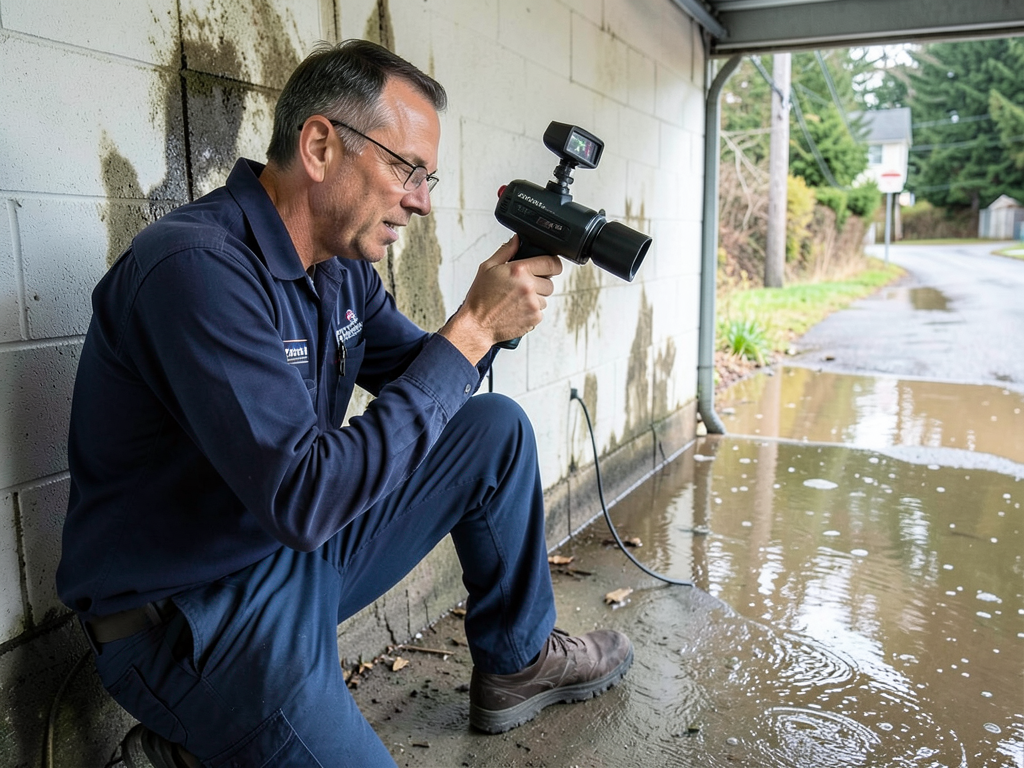







Charlotte sits on dense Piedmont clay soil that holds water like a sponge. When your foundation drains clog or your crawlspace vents fail, groundwater saturates the soil directly under your home. The clay prevents drainage, creating a moisture reservoir that wicks upward through concrete slabs and pier-and-beam foundations. This subsurface moisture travels through your subfloor and into your hardwood, causing persistent dampness that surface drying cannot fix. Homes in east Charlotte near the Catawba River and properties in low-lying areas around Freedom Park face elevated risk. The combination of poor soil drainage and 50-inch annual rainfall means your hardwood floors absorb moisture from below even when no visible leak exists.
Mecklenburg County's building codes require specific moisture barriers for hardwood flooring installations, but many older homes predate these requirements. We see widespread failures in homes built before 1990 where no vapor barrier exists between the subfloor and finished hardwood. Our restoration approach accounts for these older construction methods. We evaluate your home's moisture management system and recommend upgrades that prevent future damage. Local building inspectors recognize our work because we follow current IRC standards for structural drying and moisture control. This matters when you sell your home or file an insurance claim, because proper documentation protects your investment.