




Charlotte sits in the humid subtropical zone where summer thunderstorms drop inches of rain in hours, overwhelming drainage systems and flooding basements across Myers Park, Dilworth, and Plaza Midwood. The region's red clay soil does not absorb water quickly. Instead, it channels runoff toward foundations, saturating crawl spaces and seeping through basement walls. Properties built before 2000 often lack modern waterproofing, making them vulnerable during the severe weather season from May through September.
Winter freeze-thaw cycles crack pipes in attics and crawl spaces. When temperatures drop below freezing, then spike back to 50 degrees within 24 hours, burst pipes flood homes throughout South End and NoDa. The city's aging infrastructure means many neighborhoods still have galvanized steel supply lines prone to corrosion and failure. Charlotte's rapid growth has also strained stormwater systems. New construction in areas like Ballantyne increases impervious surfaces, pushing more water into older neighborhoods downstream. When Hurricane remnants stall over the Piedmont, properties near McAlpine Creek and Little Sugar Creek see repeated flooding that requires professional water extraction and structural drying.
Cornerstone Water Damage Restoration Charlotte operates from our facility on Statesville Avenue, allowing us to reach properties in Uptown, University City, and South Charlotte within one hour of your call. We maintain a fleet of truck-mounted extraction units and trailer-mounted generators to handle jobs from single-room floods to entire building restorations. Our technicians hold IICRC certifications in water damage restoration and applied structural drying, meaning they follow science-based protocols to remove moisture completely, not just surface water.
We have worked with every major insurance carrier operating in Mecklenburg County. Our estimators photograph damage, document moisture readings, and submit detailed scopes that insurers accept without the back-and-forth that delays your claim. While other companies disappear after extraction, we monitor drying progress with daily moisture readings until materials return to normal levels. This prevents mold colonization that starts within 48 hours of water exposure.
Charlotte property owners call us because we answer the phone at 2 AM when a pipe bursts, not an answering service in another state. Our project managers live in neighborhoods like Cotswold and Eastover. They understand how Charlotte properties are built, where water hides in crawl spaces, and how quickly humidity climbs in our climate. We do not subcontract your emergency to unknown crews. Every technician on your property works directly for Cornerstone and follows our strict protocols for safety, cleanliness, and completion. When your property floods, you need a team that shows up fast, works clean, and finishes the job right the first time.

Our crews deploy from central Charlotte with truck-mounted extraction equipment and reach your property within one hour. We start water removal immediately to minimize damage spread and prevent structural saturation. Every minute counts when water is destroying flooring, drywall, and belongings.

Every technician holds current certification in water damage restoration and applied structural drying from the Institute of Inspection Cleaning and Restoration Certification. We follow documented drying protocols, measure moisture daily, and complete jobs to industry standards that prevent mold growth and structural damage.
We document damage with detailed photos, moisture maps, and equipment logs that insurance adjusters accept without dispute. Our estimators communicate directly with your carrier, submit required documentation, and handle the paperwork while you focus on getting your life back to normal.
Water damage restoration requires more than mopping floors and running fans. Cornerstone provides complete water removal, structural drying, dehumidification, and reconstruction services that return your property to pre-loss condition. We handle everything from emergency water extraction to final paint and flooring installation. Our process starts with containment to prevent damage spread, continues with moisture removal using commercial equipment, and finishes with verification testing to confirm complete dryness.
Charlotte's humid climate makes proper drying critical. Surface drying is not enough. Water migrates into wall cavities, insulation, and subfloors where it causes hidden damage. We use thermal imaging cameras to locate trapped moisture, inject drying air into wall cavities, and monitor humidity levels until materials reach equilibrium. Our equipment includes truck-mounted extractors that remove hundreds of gallons per hour, axial air movers that create airflow across wet surfaces, and refrigerant dehumidifiers that pull moisture from the air. We categorize water damage by contamination level and follow different protocols for clean water from supply lines versus gray water from appliances or black water from sewage backups.
When water floods your property, immediate extraction prevents damage from spreading to unaffected areas. We deploy truck-mounted pumps that remove standing water at 200 gallons per minute, followed by portable extractors for carpets and upholstery. Our crews move furniture to dry areas, pull wet carpeting, and set up containment barriers to isolate damage. We photograph everything for insurance documentation before starting work.
After extraction, moisture remains trapped in drywall, insulation, framing, and subfloors. We position air movers and dehumidifiers to create drying chambers that pull moisture from structural materials. Technicians monitor progress with penetrating moisture meters, infrared cameras, and hygrometers. We document daily readings and adjust equipment placement until materials reach normal moisture content. This process typically runs three to five days depending on saturation levels.
Water-damaged drywall, insulation, and flooring require replacement. Our licensed contractors handle demolition of unsalvageable materials, installation of new drywall and insulation, and finish work including texture, paint, and flooring. We coordinate all trades so you work with one company from emergency call to final walkthrough. Our reconstruction meets building codes and matches existing finishes so repairs blend seamlessly with undamaged areas.
Charlotte's climate and construction patterns create specific water damage vulnerabilities. Summer humidity averages 70 percent, which means wet materials dry slowly without professional dehumidification. Afternoon thunderstorms dump two to three inches of rain in under an hour, overwhelming gutters and flooding basements. Winter temperature swings cause pipes to burst in unheated crawl spaces and attics. The region's red clay soil stays saturated after heavy rain, pushing hydrostatic pressure against foundation walls until water seeps through cracks and cold joints.
Older neighborhoods like Dilworth and Myers Park have homes built on crawl spaces with insufficient vapor barriers. Ground moisture rises through vents, condensing on floor joists and causing rot. Newer construction in areas like Ballantyne often uses oriented strand board subfloors that swell and delaminate when saturated. HVAC systems in attics develop condensate line clogs that drip water onto ceilings. Washing machine supply lines fail after years of pressure cycling, flooding laundry rooms and adjacent spaces. Each scenario requires different extraction methods, drying protocols, and restoration approaches.
Charlotte winters bring nights below freezing followed by warm afternoons. This cycling freezes water in pipes, then thaws it repeatedly, causing splits in copper lines and PEX connections. Attic and crawl space pipes are most vulnerable. When pipes burst, water floods through ceilings and walls before anyone notices.
Red clay soil channels rainwater toward foundations instead of absorbing it. Properties near creeks or in low-lying areas flood during heavy rain when stormwater systems cannot keep pace. Water enters through foundation cracks, window wells, and floor drains, saturating finished basements and destroying belongings stored below grade.
Air conditioning systems in Charlotte attics produce gallons of condensate daily during summer. When drain lines clog with algae or disconnect from vibration, water overflows the drip pan and soaks through ceilings. Many homeowners discover the problem only after water stains appear or drywall collapses from saturation.
Homes on crawl spaces face constant moisture issues in Charlotte's humid climate. Ground moisture rises through inadequate vapor barriers, condensing on floor joists and subfloors. This creates perfect conditions for mold growth and wood rot. Without proper encapsulation and dehumidification, crawl space moisture migrates into living areas.
When water floods your Charlotte property, you need help immediately, not a callback in four hours. Cornerstone answers emergency calls 24/7 with a live person who dispatches crews while you are still on the phone. We ask specific questions about water source, affected areas, and property access so technicians arrive prepared with the right equipment. You receive a callback within 15 minutes with estimated arrival time and the crew leader's direct number.
Our trucks carry extraction pumps, air movers, dehumidifiers, moisture meters, and thermal cameras. Technicians arrive in marked vehicles, wear uniforms, and present identification before entering your property. They conduct a damage assessment, explain what needs to happen, and start water removal immediately. We move your furniture to dry areas, protect belongings with plastic sheeting, and set up equipment to begin drying. Before leaving the first day, the crew leader provides a written scope of work, equipment placement diagram, and expected timeline. You get daily updates on drying progress with moisture readings and photos showing improvement.
Crews arrive within 60 minutes and conduct a complete damage assessment using moisture meters and thermal imaging. We identify all affected areas, including hidden moisture in wall cavities and subfloors. You receive a detailed explanation of damage scope, required services, and estimated timeline. We photograph everything for insurance documentation and begin water extraction immediately to prevent damage spread.
Technicians visit daily to document drying progress with calibrated moisture meters. We adjust equipment placement, add or remove air movers and dehumidifiers based on readings, and provide written updates showing moisture reduction. You receive photos and meter readings proving materials are drying properly. This documentation satisfies insurance requirements and proves our work meets industry drying standards.
Once materials reach normal moisture content, we remove equipment and begin reconstruction. Our crews replace drywall, insulation, and flooring damaged beyond repair. We match paint colors, texture patterns, and flooring styles so repairs blend with existing finishes. Final walkthrough includes verification testing to confirm all moisture is gone and work meets your approval before project closeout.
We follow a proven three-phase process that addresses emergency water removal first, then structural drying, and finally reconstruction of damaged materials. This systematic approach ensures nothing gets missed and your property returns to pre-loss condition.
Technicians arrive with truck-mounted pumps and portable extractors to remove standing water immediately. We identify the water source, stop ongoing flooding if possible, and extract water from floors, carpets, and contents. Crews move furniture to dry areas, remove wet materials that cannot be saved, and set up containment barriers. We photograph damage for insurance claims and document initial moisture readings throughout affected areas.
After extraction, we position commercial air movers and refrigerant dehumidifiers to create controlled drying conditions. Technicians use thermal cameras to locate hidden moisture in walls and ceilings, then inject drying air into cavities. We monitor progress daily with penetrating moisture meters, document readings, and adjust equipment until materials reach normal moisture content. This phase typically runs three to five days.
Once drying is complete, our contractors remove damaged drywall, insulation, and flooring that cannot be salvaged. We install new materials, match textures and finishes, and complete paint and trim work. Final walkthrough includes verification that all moisture is gone, repairs meet code, and finishes match your satisfaction. You work with one company from emergency call through final restoration.
The Institute of Inspection Cleaning and Restoration Certification defines three categories of water based on contamination level, and each requires different handling protocols. Category 1 is clean water from broken supply lines, with no health hazards if handled immediately. Category 2 is gray water from appliance discharge or toilet overflow without feces, containing bacteria that requires antimicrobial treatment. Category 3 is black water from sewage backups or flood water, containing pathogens that mandate protective equipment and disposal of porous materials.
Charlotte's climate complicates drying because high humidity slows evaporation. Air at 75 degrees and 70 percent relative humidity cannot accept much additional moisture. We use psychrometry, the science of air and moisture relationships, to calculate proper equipment placement. By measuring temperature, relative humidity, and dew point, technicians determine grain depression, the difference between air moisture content and saturation. This tells us how much water the air can still absorb and whether we need more dehumidification or air movement.
Building materials have different dry standards. The industry accepts 15 to 18 percent moisture content for wood framing, 12 to 15 percent for plywood subfloors, and under 1 percent for drywall. We cannot simply dry until materials feel dry to touch. Penetrating moisture meters use electrical resistance to measure moisture deep in materials. Only when readings return to normal ranges documented before water damage can we confirm complete drying. Stopping too soon leaves trapped moisture that feeds mold growth within 48 to 72 hours. North Carolina requires mold remediation contractors to hold state licenses, and any water damage job that develops mold falls under strict containment and disposal rules in Senate Bill 704.
The IICRC S500 Standard guides all professional water damage restoration. It defines water categories, establishes drying goals for different materials, and sets protocols for documentation. Technicians certified in applied structural drying follow these standards to ensure complete moisture removal and prevent mold growth. Insurance companies recognize IICRC standards when evaluating claims.
Water damage restoration costs depend on water category, affected square footage, materials damaged, and drying time required. Category 3 black water costs more due to antimicrobial treatment and disposal requirements. Hardwood floors cost more to dry than carpet. Two-story flooding requires more equipment than single-level damage. Most insurance policies cover sudden water damage but exclude flood and gradual leaks.
Complete structural drying takes three to five days for most water damage in Charlotte's humid climate. Concrete foundations dry slower than wood framing. Drywall dries faster than plaster. Technicians cannot accelerate drying beyond what psychrometric conditions allow. Trying to rush the process by removing equipment early leaves hidden moisture that causes mold and rot months later.
Senate Bill 704 requires licensing for mold remediation in North Carolina. Any company performing mold cleanup must hold a state license and follow containment protocols. Water damage that develops mold because of incomplete drying falls under these regulations. Proper initial drying prevents mold growth and avoids the need for expensive remediation and licensing requirements.
This video explains emergency water damage restoration services in Charlotte, North Carolina. Learn about rapid response times, IICRC certified technicians, commercial extraction equipment, structural drying protocols, and complete reconstruction services. Covers common water damage causes in Charlotte including burst pipes, basement flooding, HVAC failures, and storm damage. Explains the water removal process, moisture monitoring, insurance coordination, and restoration timeline for residential and commercial properties throughout Mecklenburg County.
Cornerstone Water Damage Restoration Charlotte serves the entire Charlotte metro area from our centrally located facility on Statesville Avenue. This positioning allows rapid response to emergencies throughout Mecklenburg County, from established neighborhoods near Uptown to growing suburbs in the northern and southern reaches. We dispatch crews daily to properties in Myers Park, Dilworth, and Plaza Midwood, where historic homes on crawl spaces face moisture issues from Charlotte's humid climate and afternoon thunderstorms that overwhelm century-old drainage systems.
South End and NoDa present different challenges with newer construction, high-rise buildings, and mixed-use developments where water damage affects multiple units. Our teams respond to burst pipes in luxury condos, HVAC failures in commercial spaces, and flooding from rooftop equipment failures. University City and the areas surrounding UNC Charlotte see frequent calls for student housing complexes and apartment buildings where washer supply line failures flood multiple floors before building management discovers the problem.
The southern suburbs including Ballantyne, Stonecrest, and areas near the South Carolina border experience basement flooding during heavy rain as rapid development has increased impervious surfaces and strained stormwater infrastructure. Properties near McAlpine Creek and Little Sugar Creek flood repeatedly when Hurricane remnants stall over the Piedmont, requiring professional water extraction and structural drying to prevent permanent damage. We also serve northern Charlotte communities like Huntersville and Cornelius, where Lake Norman properties face unique water damage scenarios from flooding, storm surge, and high water table conditions.
Eastover, Cotswold, and the wedge neighborhoods between Providence Road and Sharon Road feature a mix of mid-century and newer homes where aging plumbing systems fail without warning. We respond throughout these areas with the same 60-minute commitment, understanding that water damage does not respect zip codes. Whether you own a historic bungalow in Elizabeth, a new build in Weddington, or a townhome in Pineville, Cornerstone brings the same certified technicians, commercial equipment, and documented drying protocols that insurance companies accept and property owners trust.
Restoration costs vary based on the water category, affected square footage, and structural damage extent. Clean water from a burst pipe costs less than contaminated sewage backups common in older Charlotte neighborhoods. Small bathroom leaks might run a few hundred dollars, while flooded basements or crawl spaces in areas near McDowell Creek can reach thousands. Insurance typically covers sudden incidents like pipe bursts but not gradual leaks. Most companies provide free assessments and work directly with your insurance adjuster. The real cost of skipping professional restoration is hidden mold growth and structural rot that multiplies your expense later.
Water damage restoration is worth every dollar when you consider the alternative. Charlotte's high humidity accelerates mold growth within 24 to 48 hours. What starts as a small leak becomes toxic black mold in your walls, destroyed subflooring, and ruined insulation. Professional restoration extracts standing water, dries structural materials with industrial equipment, and prevents secondary damage. Insurance companies require documented mitigation efforts to honor claims. Skipping restoration tanks your property value and creates health hazards. The investment protects your largest asset and keeps your family safe from respiratory issues caused by mold spores.
Mold begins growing within 24 to 48 hours after water exposure in Charlotte's humid climate. Spores are always present in the air. They just need moisture and organic material like drywall or wood to colonize. During summer months when humidity tops 70 percent, growth accelerates even faster. Visible mold patches indicate a much larger problem behind walls or under flooring. The clock starts ticking the moment water touches porous materials. Professional extraction and dehumidification within the first day prevent mold establishment. Waiting 72 hours almost guarantees remediation costs on top of restoration work.
Restoration costs vary based on the water category, affected square footage, and structural damage extent. Clean water from a burst pipe costs less than contaminated sewage backups common in older Charlotte neighborhoods. Small bathroom leaks might run a few hundred dollars, while flooded basements or crawl spaces in areas near McDowell Creek can reach thousands. Insurance typically covers sudden incidents like pipe bursts but not gradual leaks. Most companies provide free assessments and work directly with your insurance adjuster. The real cost of skipping professional restoration is hidden mold growth and structural rot that multiplies your expense later.
Water damage restoration is worth every dollar when you consider the alternative. Charlotte's high humidity accelerates mold growth within 24 to 48 hours. What starts as a small leak becomes toxic black mold in your walls, destroyed subflooring, and ruined insulation. Professional restoration extracts standing water, dries structural materials with industrial equipment, and prevents secondary damage. Insurance companies require documented mitigation efforts to honor claims. Skipping restoration tanks your property value and creates health hazards. The investment protects your largest asset and keeps your family safe from respiratory issues caused by mold spores.
Mold begins growing within 24 to 48 hours after water exposure in Charlotte's humid climate. Spores are always present in the air. They just need moisture and organic material like drywall or wood to colonize. During summer months when humidity tops 70 percent, growth accelerates even faster. Visible mold patches indicate a much larger problem behind walls or under flooring. The clock starts ticking the moment water touches porous materials. Professional extraction and dehumidification within the first day prevent mold establishment. Waiting 72 hours almost guarantees remediation costs on top of restoration work.
Water remediation stops the damage. Water restoration fixes what was damaged. Remediation is the emergency response: extracting standing water, removing wet materials, and drying the structure with commercial dehumidifiers and air movers. Restoration is the rebuild: replacing drywall, repainting, installing new flooring, and returning your property to pre-loss condition. Most Charlotte companies handle both phases as one continuous process. You need remediation first to prevent mold and structural rot. Restoration follows once moisture levels drop below 15 percent. Both require specialized equipment and expertise to protect your property value.
Home insurance covers sudden and accidental water damage like burst pipes, appliance malfunctions, and storm-related flooding through your roof. Policies exclude gradual damage from neglected maintenance and ground flooding, which requires separate flood insurance. Charlotte homeowners near the Catawba River basin need flood coverage. Your insurer expects immediate mitigation efforts. Document everything with photos before cleanup starts. Most restoration companies work directly with adjusters and handle claims paperwork. Review your policy for coverage limits on personal property versus structural repairs. Emergency water extraction qualifies as covered mitigation even before the adjuster inspects.
Minor water damage takes three to five days to dry and restore. Major flooding or sewage backups in Charlotte homes can require two to four weeks. Drying time depends on water category, affected materials, and humidity levels. Hardwood floors need slow controlled drying to prevent buckling. Drywall replacement adds days to the timeline. Crawl space flooding in clay soil areas takes longer because moisture wicks up through concrete. Professional equipment cuts drying time in half compared to fans and open windows. Insurance claim processing adds time regardless of physical work. Fast response within the first 24 hours significantly reduces overall project duration.
Water remediation stops the damage. Water restoration fixes what was damaged. Remediation is the emergency response: extracting standing water, removing wet materials, and drying the structure with commercial dehumidifiers and air movers. Restoration is the rebuild: replacing drywall, repainting, installing new flooring, and returning your property to pre-loss condition. Most Charlotte companies handle both phases as one continuous process. You need remediation first to prevent mold and structural rot. Restoration follows once moisture levels drop below 15 percent. Both require specialized equipment and expertise to protect your property value.
Home insurance covers sudden and accidental water damage like burst pipes, appliance malfunctions, and storm-related flooding through your roof. Policies exclude gradual damage from neglected maintenance and ground flooding, which requires separate flood insurance. Charlotte homeowners near the Catawba River basin need flood coverage. Your insurer expects immediate mitigation efforts. Document everything with photos before cleanup starts. Most restoration companies work directly with adjusters and handle claims paperwork. Review your policy for coverage limits on personal property versus structural repairs. Emergency water extraction qualifies as covered mitigation even before the adjuster inspects.
Minor water damage takes three to five days to dry and restore. Major flooding or sewage backups in Charlotte homes can require two to four weeks. Drying time depends on water category, affected materials, and humidity levels. Hardwood floors need slow controlled drying to prevent buckling. Drywall replacement adds days to the timeline. Crawl space flooding in clay soil areas takes longer because moisture wicks up through concrete. Professional equipment cuts drying time in half compared to fans and open windows. Insurance claim processing adds time regardless of physical work. Fast response within the first 24 hours significantly reduces overall project duration.
Cornerstone is proud to serve Charlotte and the surrounding areas, providing rapid and reliable water damage restoration services when you need them most. Our commitment extends to ensuring properties across our service region receive expert care. You can find our main office located conveniently, allowing us to quickly dispatch our teams to your location and address your water damage emergencies with efficiency and professionalism. We are always ready to assist you.
Address:
Charlotte, NC, 28202
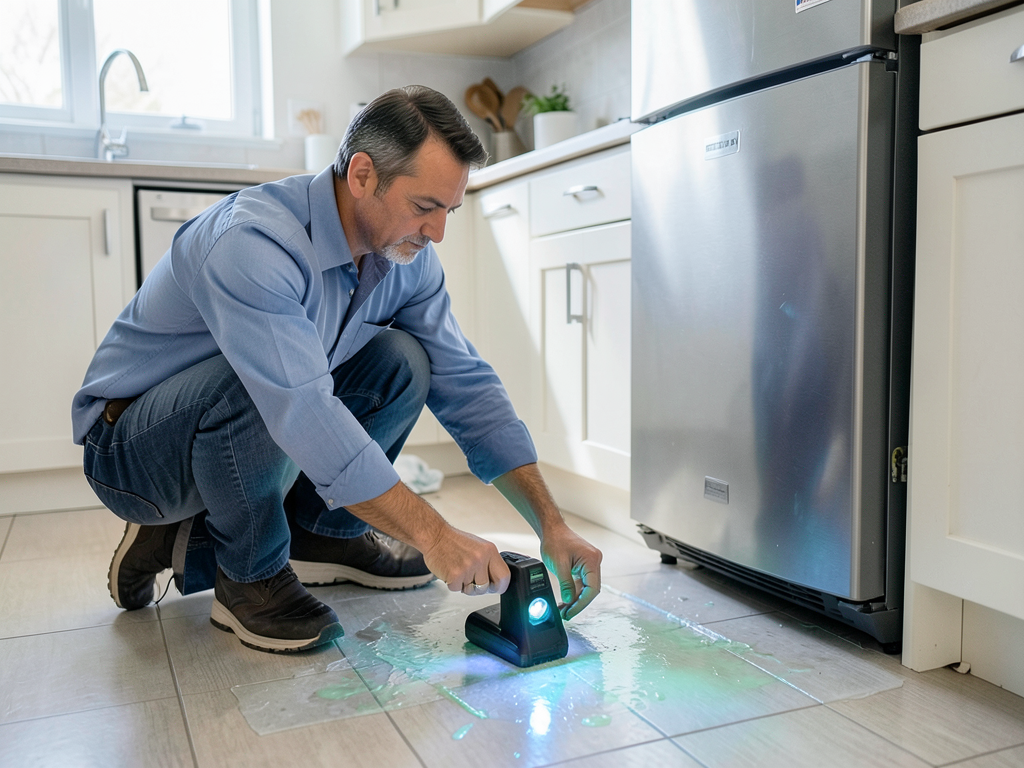
Hidden Signs Your Refrigerator Is Leaking and Damaging Your Coulwood Subfloor A slow refrigerator leak can destroy your Coulwood home's subfloor before you notice a problem. The water seeps under your flooring, weakening the plywood…

Detecting Hidden Water Leaks Behind Built-in Shelving and Custom Closets in Longview \n Water damage…
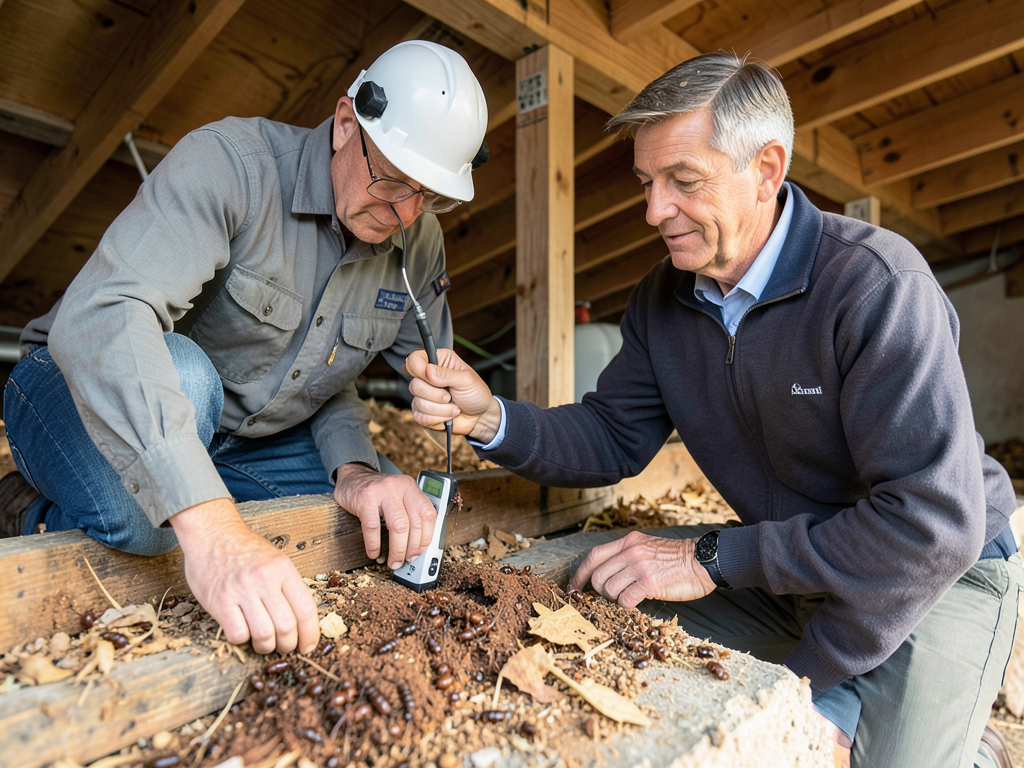
Why Excessive Moisture and Water Damage Invite Termites into Seversville Homes Charlotte's humid subtropical climate…
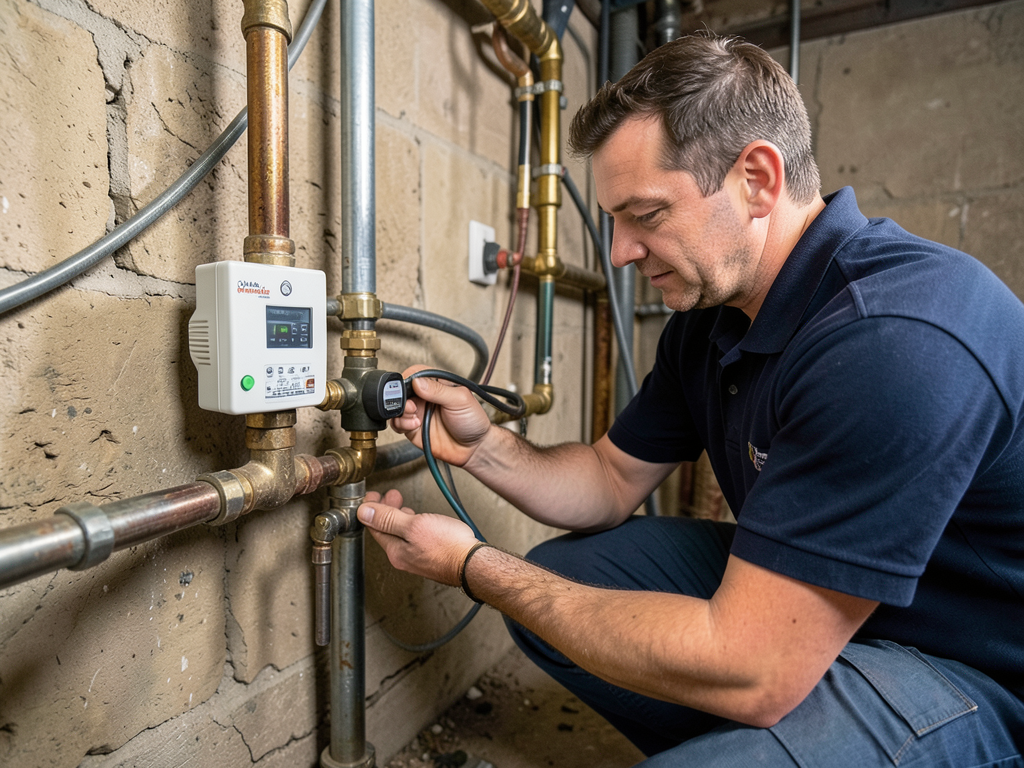
The Real Benefits of Whole House Water Shutoff Valves for Olde Providence Homeowners A single…
Water damage gets worse every hour you wait. Call Cornerstone Water Damage Restoration Charlotte at (980) 342-9955 for immediate dispatch of certified technicians with commercial extraction equipment. We answer 24/7 and arrive within 60 minutes to stop damage and start restoration.